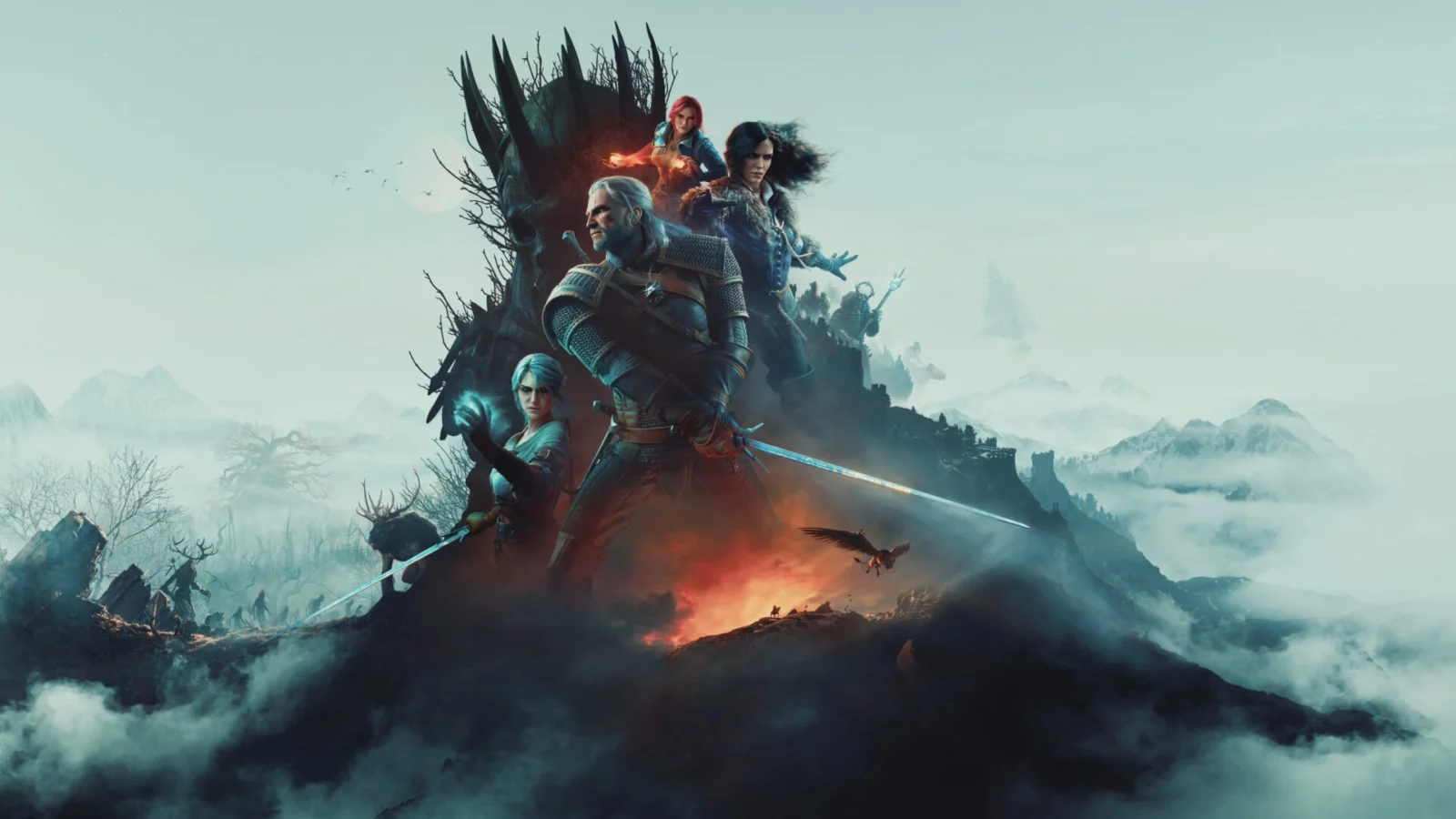
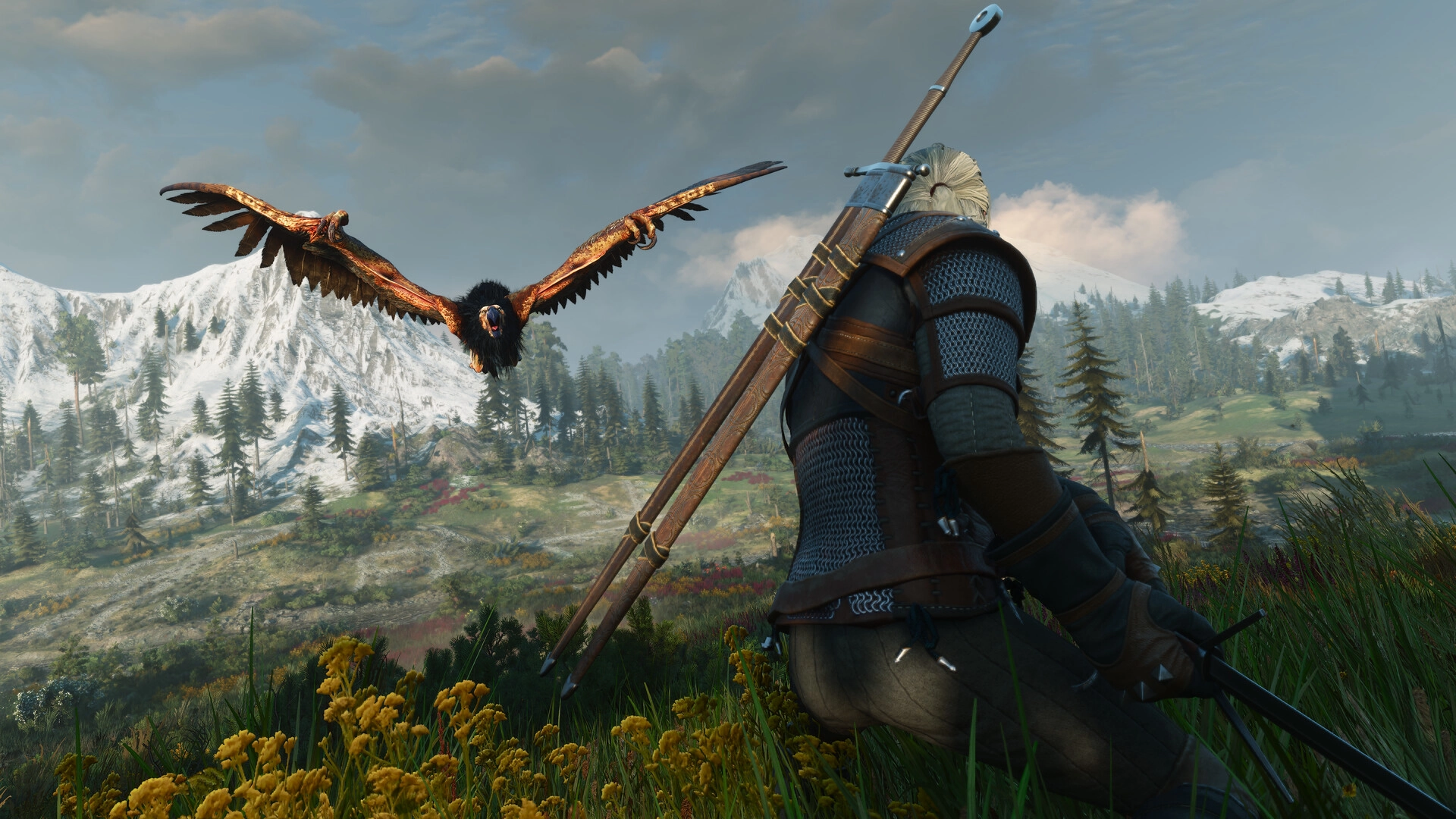
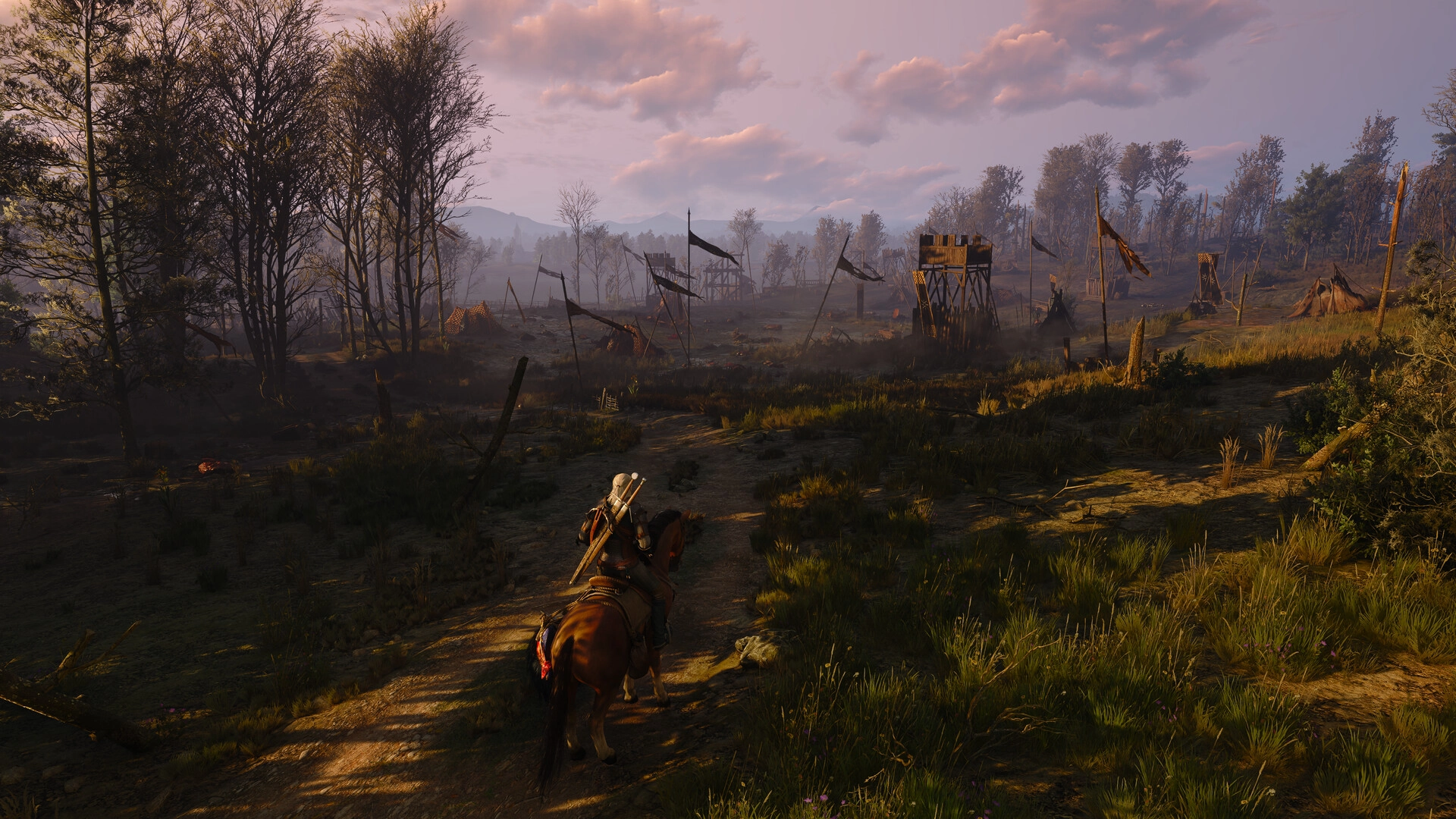
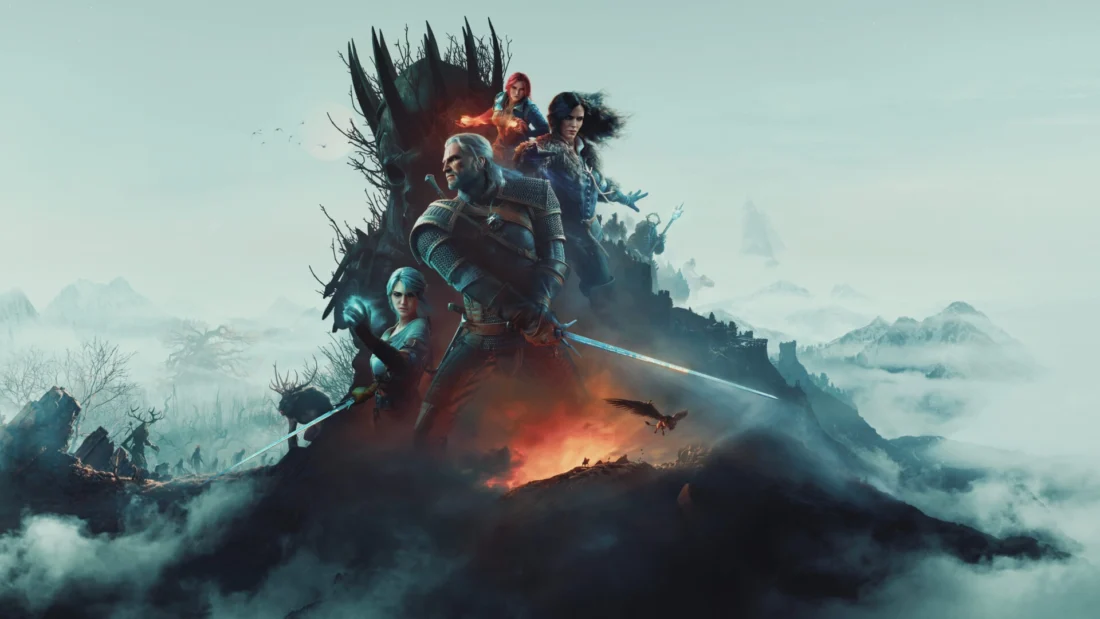
The remastered edition gives this already formidable adventure a more contemporary presentation, although its improvements are best understood as refinements to an established whole rather than a wholesale reinvention. Updated textures, improved lighting and more detailed environmental assets help the Continent feel more convincing, while enhancements to foliage, character models and visual effects bring additional life to familiar fantasy landscapes. The difference is not simply a matter of making everything sharper. It is the way these details contribute to the atmosphere, whether sunlight filtering through the trees lends a woodland path an unexpected warmth or a stretch of bleak countryside reinforces the hardship endured by its inhabitants. There remains a distinctive visual identity beneath the technical improvements, one that favours earthy colours, expressive faces and landscapes that seem to have accumulated years of history. Some animations and environmental details still betray the game’s age, but these occasional reminders rarely undermine the broader achievement. The remaster understands that the appeal of the Continent lies not in presenting a spotless fantasy postcard, but in making its beauty and ugliness feel like inseparable parts of the same place.
Sound is equally important to the experience, and the remaster benefits from a world that already knew how to make silence, music and environmental noise work together. The soundtrack lends exploration a sense of melancholy and wonder, swelling when the journey demands grandeur and settling into quieter passages when the landscape deserves to speak for itself. Folk-inspired melodies help distinguish the regions, while the sounds of wind, water, wildlife and distant activity make the world feel inhabited even when Geralt is travelling alone. Combat brings its own satisfying punctuation, with the clash of swords, the impact of attacks and the crackle of magical abilities giving encounters a welcome sense of immediacy. Voice acting does much of the remaining work, lending the cast a variety of personalities that helps prevent the enormous amount of dialogue from becoming monotonous. The remaster’s visual and technical upgrades cannot take credit for all these qualities, many of which were already fundamental to the original game, but they help preserve the atmosphere that makes the adventure so absorbing. There is a rare confidence in the way music and sound know when to draw attention to themselves and when to recede into the background, allowing the world to feel present without constantly demanding to be admired.
On Xbox Series S, the most important question is whether the remaster’s improvements preserve that sense of immersion on less powerful current-generation hardware. The console cannot offer the same visual headroom as its more powerful sibling, so expectations should be shaped accordingly, with particular attention paid to image clarity, environmental detail, loading behaviour and the consistency of performance during demanding encounters. What matters most is that the experience remains cohesive: travelling through the countryside should feel as inviting as exploring a crowded settlement, and the spectacle of combat should not become a distraction from the decisions unfolding within it. The remaster’s wider technical improvements and quality-of-life changes are intended to make returning to the Continent more comfortable, while its controller-focused combat and exploration remain central to the experience. It is worth remembering, too, that this is a substantial role-playing adventure rather than a brief showcase for graphical effects. Its greatest achievements lie in the writing, the world and the relationships that develop across dozens of hours, all of which matter just as much on Series S as they do elsewhere. For a review focused on this version, the final judgement should rest on the performance actually experienced during play, rather than assuming that every enhancement translates identically across the Xbox family.