Meta Quest

Tiny Flock Review—A Little World of Its Own

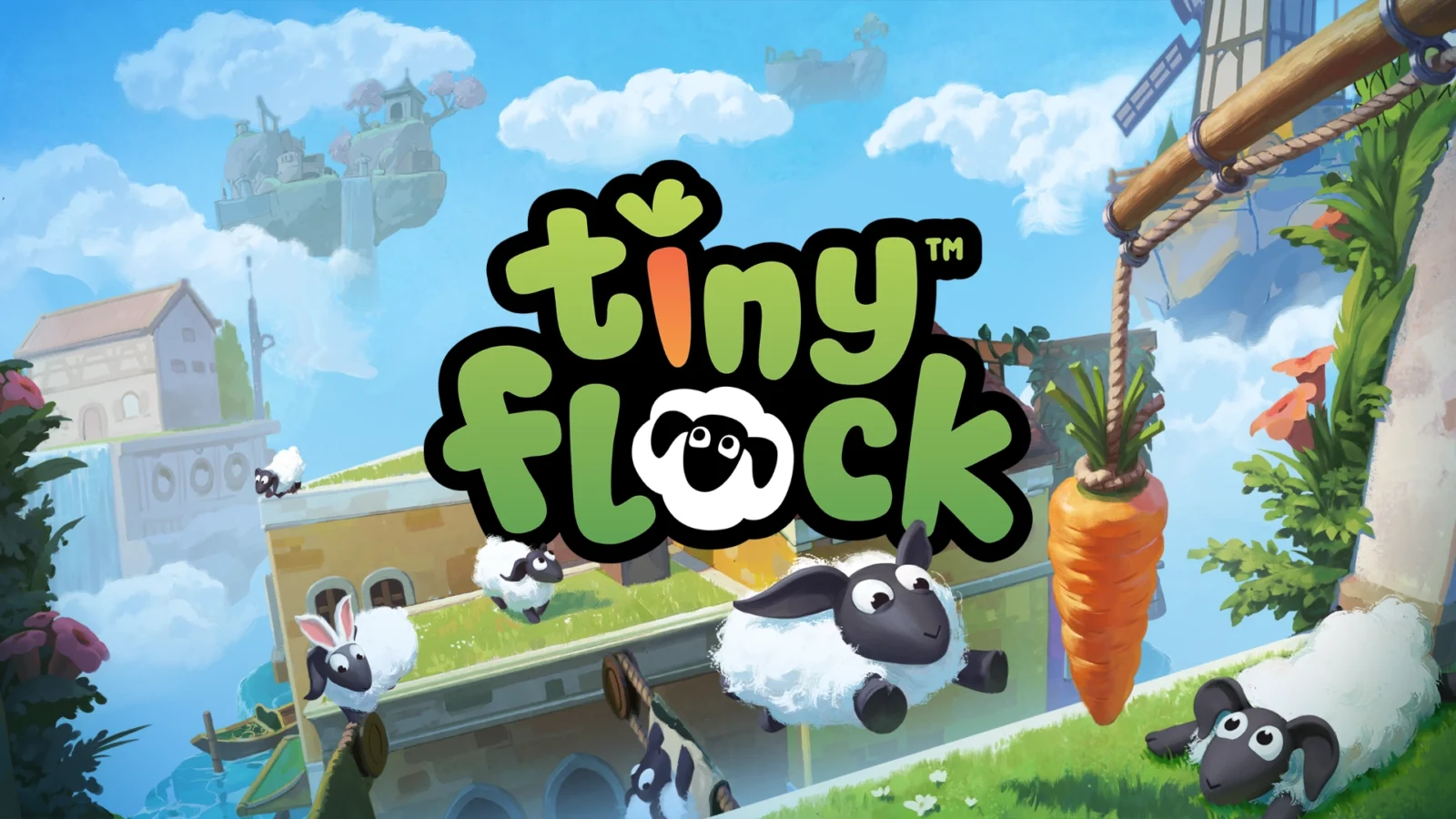
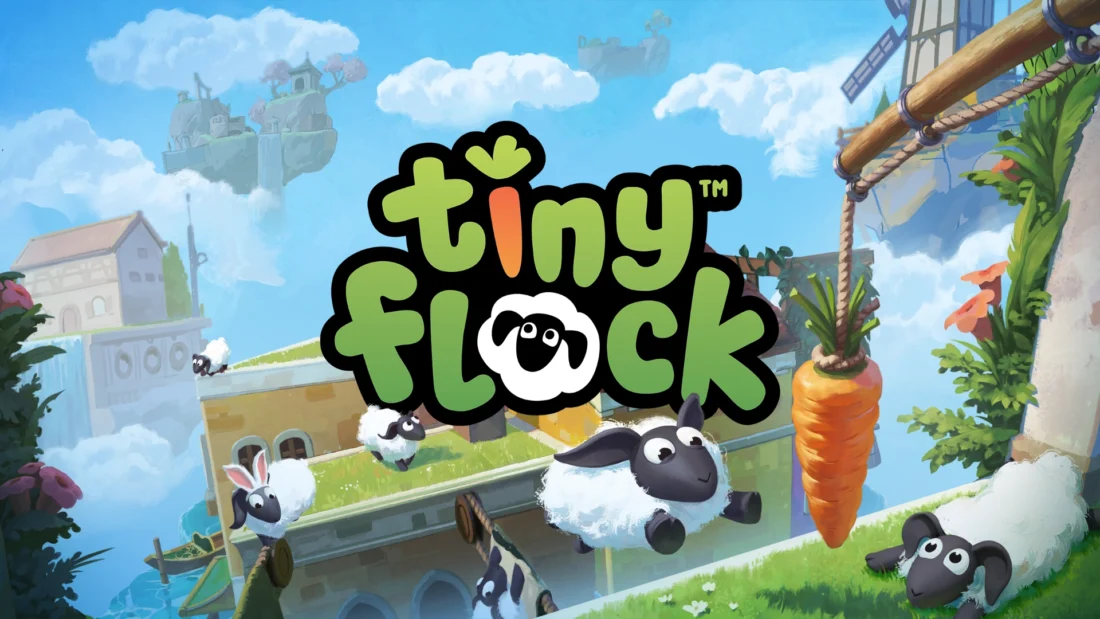
Tiny Flock was the standout of the VR Games Showcase when it was announced, a small, strange-looking puzzle game that immediately seemed to understand why you might want to put on a headset in the first place. The idea of shepherding a handful of tiny sheep through miniature worlds was charming enough on its own, but knowing it came from No Brakes Games, the team behind Human: Fall Flat, was what really piqued my interest. That game built so much of its personality around the unpredictable pleasure of physics, and Tiny Flock takes that same philosophy somewhere considerably more intimate. Instead of throwing a floppy human around a playground, you reach into one.

Release Date: September 29th 2026
Developer: No Brakes Games
Publisher: No Brakes Games
Price: £15.99/ $18.99 USD
Reviewed On: Meta Quest 3
* Access Provided For Review *

More Details

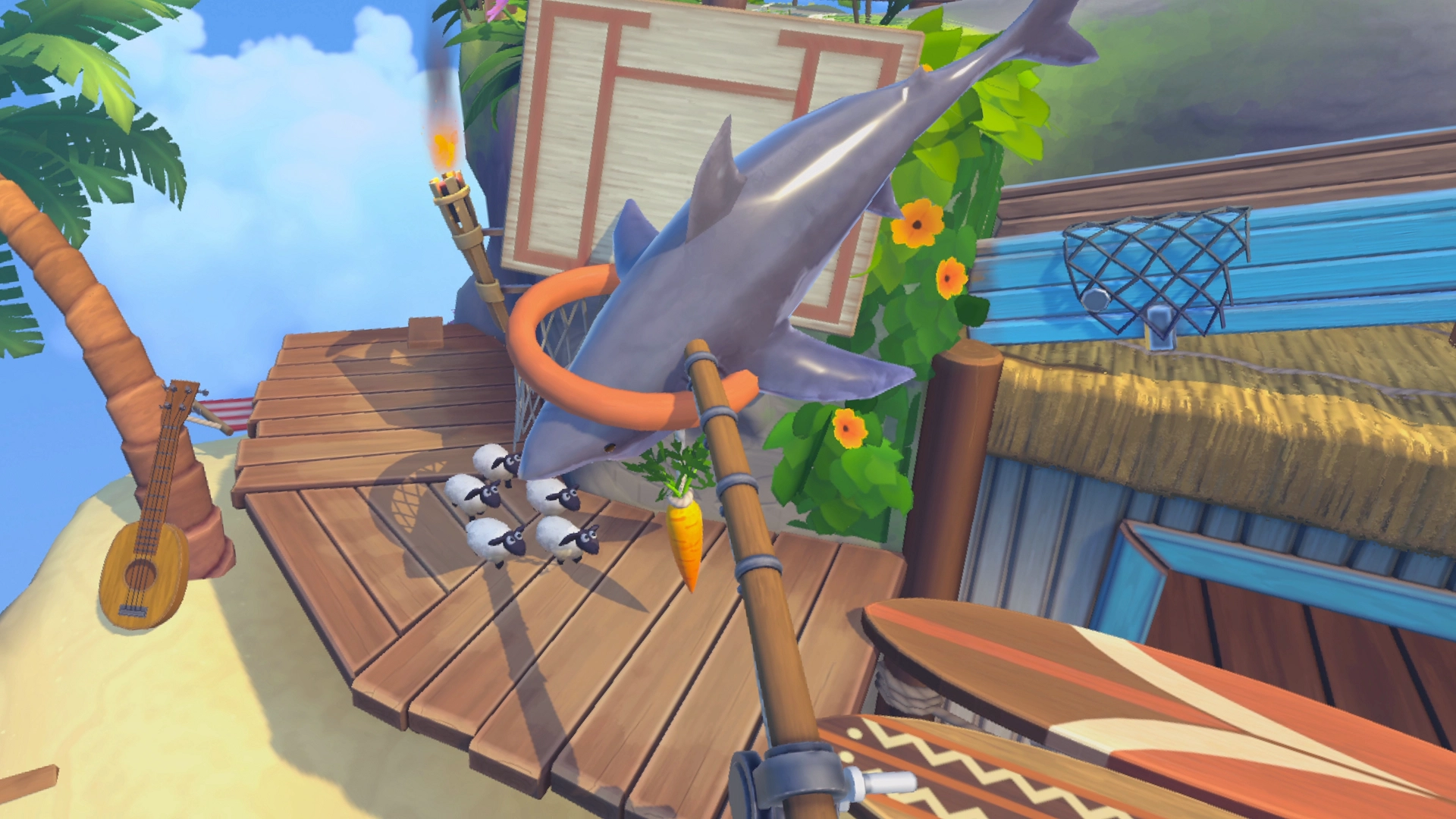
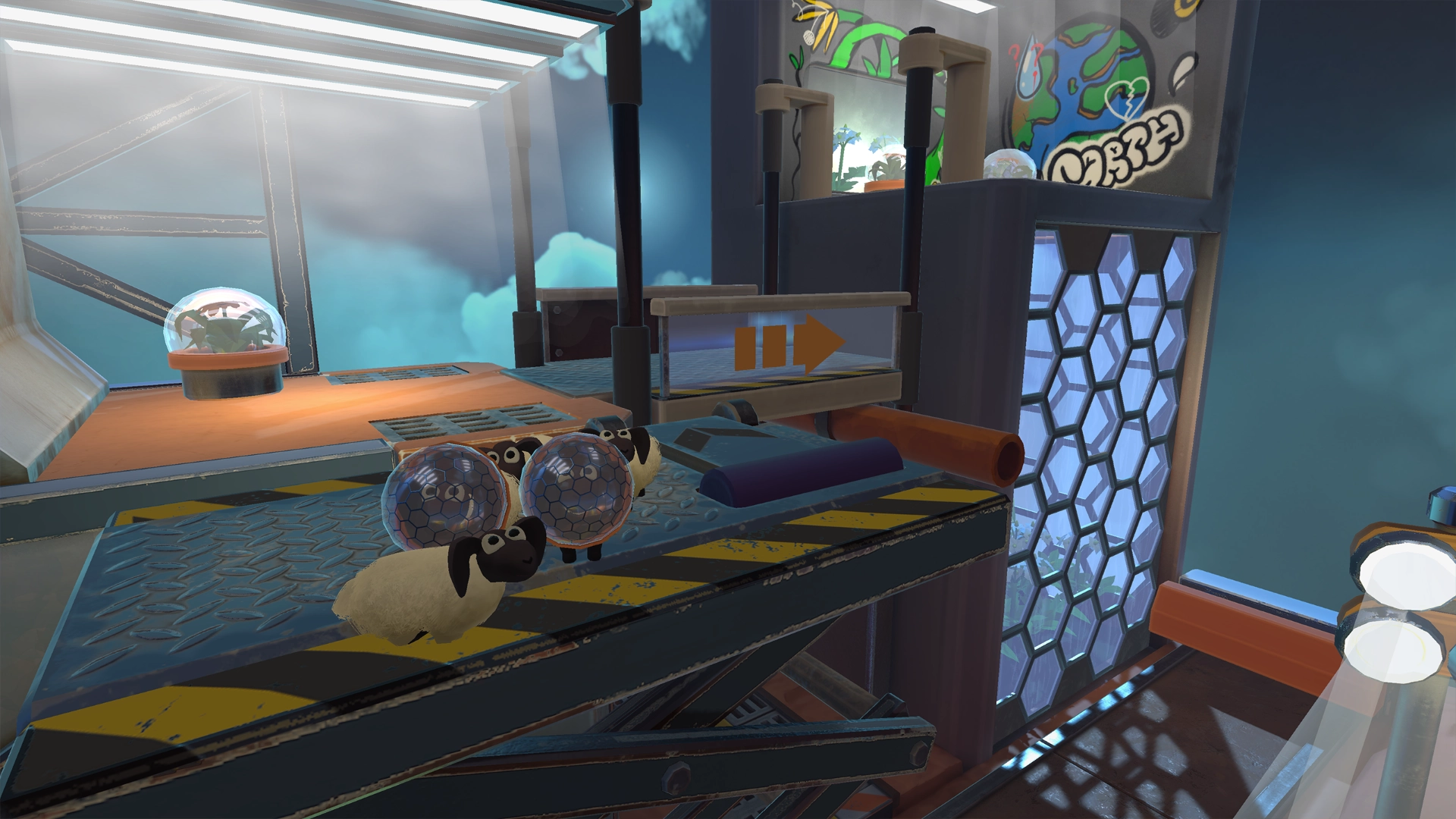
At its simplest, the task is wonderfully straightforward: get your sheep from one side of a diorama to another. The pasture is usually visible from the beginning, but the route between here and there is rarely quite so obvious. Bridges need constructing, objects need moving, ropes need pulling and obstacles need dismantling, with the game deliberately refusing to tell you exactly how any of it should be done. There is a refreshing looseness to this approach. Rather than solving a puzzle by recognising the one interaction the designer expects you to perform, Tiny Flock encourages you to poke at its world and see what happens.

That freedom is where the Human: Fall Flat connection becomes most apparent, although Tiny Flock is a much calmer and more deliberate experience. Physics is not simply a means of getting from A to B; it is the language through which its puzzles are expressed. A plank can become a bridge, a box can become a platform, and something that looks entirely decorative might turn out to be the missing piece of your solution. Sometimes the result is elegant, the kind of satisfying little construction that makes you feel clever. Other times it is a complete mess that somehow works anyway, which can be even more satisfying.

The sheep themselves provide an amusing counterweight to all this careful problem solving. They are cute, slightly unpredictable little creatures, and guiding them through these environments gives the puzzles a sense of purpose that simply moving objects around wouldn’t have. There is also something inherently funny about watching your carefully arranged solution fall apart because one sheep has decided to wander somewhere it probably shouldn’t. Fortunately, failure is rarely punitive, allowing experimentation to remain the point rather than turning every mistake into a tedious reset. With 21 handcrafted diorama levels, there is enough variety in the environments to keep that central idea feeling fresh, even if I occasionally found myself wishing some of the puzzles pushed their possibilities a little further.

Most importantly, though, Tiny Flock understands that VR can make familiar puzzle mechanics feel tactile in a way that a screen cannot. Reaching down into a miniature landscape, picking up an object and physically placing it where you think it belongs creates an immediate sense of connection with the world. Hand tracking makes that feeling even stronger, turning the game into something that occasionally feels less like controlling a character and more like playing with an elaborate toy. It is an unusually natural fit for the diorama format, and one of those cases where the medium and the mechanics seem to have been designed around one another rather than simply placed together.

That miniature scale is also where Tiny Flock finds much of its visual identity. Each level feels like a little model that someone has lovingly assembled and then hidden a puzzle inside, from its tiny buildings and winding paths to the small details that reward looking closer. There is an appealing sense of discovery in leaning towards a diorama and noticing something tucked away in a corner that you hadn’t seen from above. The worlds are colourful without becoming garish, and there is enough variation between them to make moving from one to the next feel like opening another box of toys.

The sheep are, naturally, the stars of the show. Their exaggerated expressions and floppy movements give them an almost toy-like personality, while their small size makes them particularly effective within the diorama environments. There is a pleasing contrast between the scale of the world and the importance of these tiny creatures: you’re looking down at something that could almost fit in your hands, yet every little sheep becomes something you instinctively want to keep safe. It is cute, certainly, but rarely feels like cuteness for its own sake.

Adding to that atmosphere is a gentle soundtrack built around cello, which gives the game a warmth that suits its miniature worlds beautifully. It avoids trying to make every puzzle feel dramatic, instead allowing the soundscape to sit comfortably alongside the game’s relaxed pace. Together with the soft visual design and satisfying physical interactions, it gives Tiny Flock a remarkably cosy personality. Even when you’re pulling apart its environments to find a way forward, there is a sense that you’re playing rather than working.

Comfort

8
Verdict
Summary

Tiny Flock is a deceptively simple game, but its simplicity is part of its charm. Its puzzles are built around experimentation rather than prescribed solutions, its VR interactions feel genuinely natural, and its miniature worlds have an almost irresistible physical appeal. I would have liked a little more ambition from some of its later challenges, and the relatively compact selection of levels left me wanting more just as I was becoming fully comfortable with its particular brand of puzzle-solving. Still, this is a lovely example of VR playing to its strengths: tactile, playful and quietly inventive. Tiny Flock may be small, but it leaves a surprisingly large impression.

Related Articles

Knights of Fiona Review—A Knight’s Journey That Never Quite Begins

There is something immediately comforting about returning to CharacterBank's worlds. I have...

Roboquest VR Review—Built for Speed, Tested by Hardware

There was always a degree of scepticism surrounding Roboquest VR. Translating one...

Pinball FX VR: The Princess Bride Table Review—Where Fairytales Meet Silver Ball Excellence

Few films lend themselves to pinball quite as naturally as The Princess...

Pinball FX VR: Pacific Rim Table Review—Great Pinball First, Pacific Rim Second

There's an easy temptation with a licence like Pacific Rim to let...