XBOX

Duskfade Review—A Memory of Games We Thought We’d Lost

There was a particular kind of magic to the 3D platformers of the early 2000s. They were games of bright skies and improbable worlds, of distant towers that seemed to promise adventure simply by existing, and of movement that gradually turned the landscape into something you could read. You could feel a game’s imagination in the spaces between its objectives, in the little corners that existed for no reason other than to be found. Duskfade arrives from that memory, reaching back towards the age of Jak and Daxter, Ratchet & Clank and Kingdom Hearts with an affection that is difficult not to find endearing. It is nostalgic without being ashamed of it, almost as though its creators have opened an old cupboard and tried to reconstruct what they found there from memory. Sometimes that makes Duskfade feel wonderfully familiar. Sometimes it makes you wish it had remembered to bring something new home with it.

Release Date: August 13th 2026
Developer: Weird Beluga
Publisher: Fireshine Games
Price: £24.99/ $29.99 USD
Reviewed On: Xbox Series S
* Access Provided For Review *

More Details

The story begins with Zirian, a young workshop apprentice whose life is disrupted when the mysterious Clock Tower plunges the world into eternal night. His sister Allira becomes caught up in the strange events that follow, sending Zirian on a journey through a world where time itself has become something unstable and unknowable. It is a simple premise, but there is a melancholy running underneath its colourful exterior that gives the adventure more weight than its familiar fantasy trappings might suggest. Duskfade is ultimately interested in memory, loss and the temptation to hold on to what has already passed, themes that sit rather neatly alongside its own obsession with an earlier generation of games. The writing can occasionally be too earnest, and some of its emotional moments arrive with the subtlety of a clock striking midnight, but there is genuine warmth here. Zirian’s journey is less about saving a world than understanding what it means to let something go.

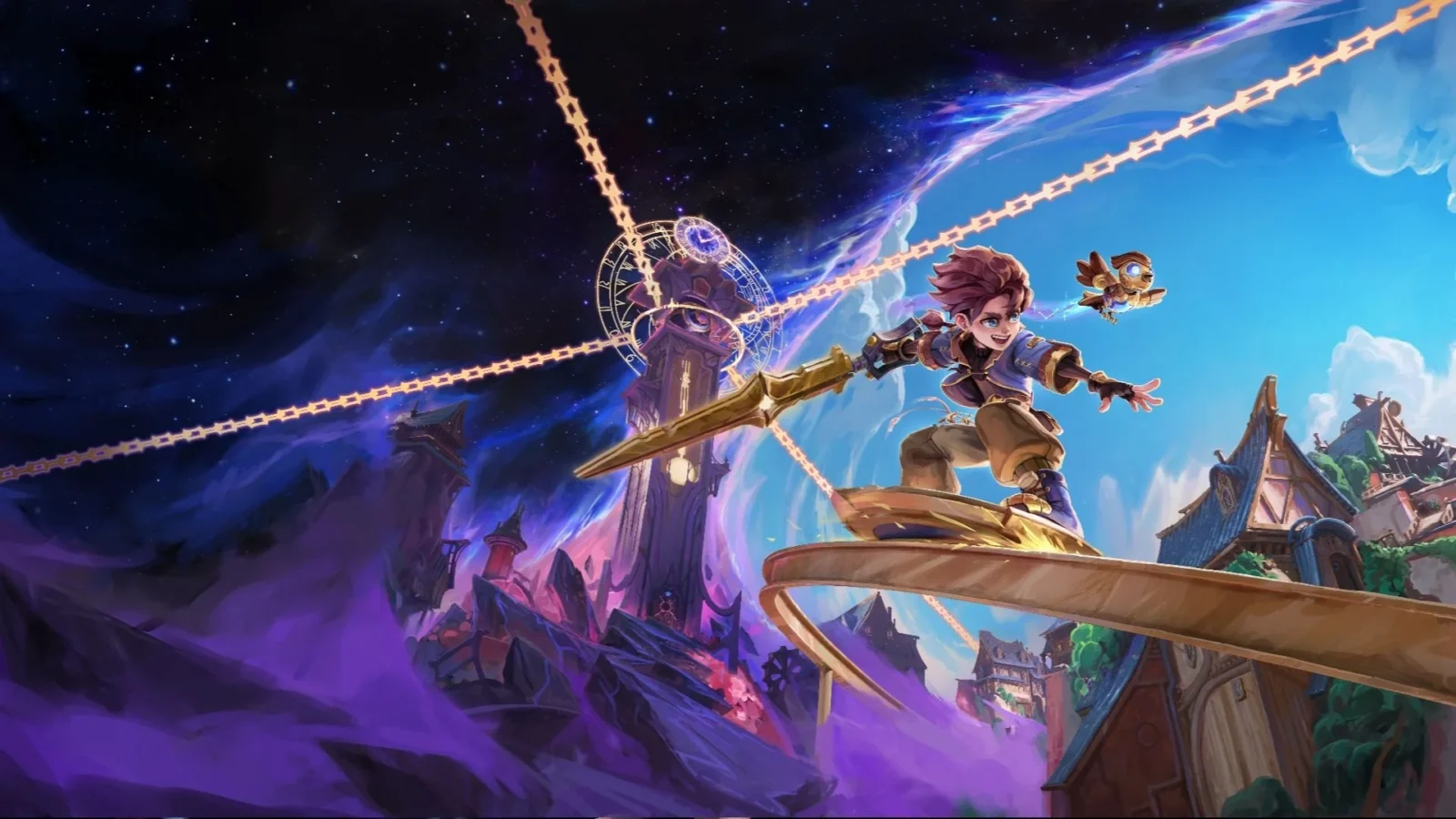
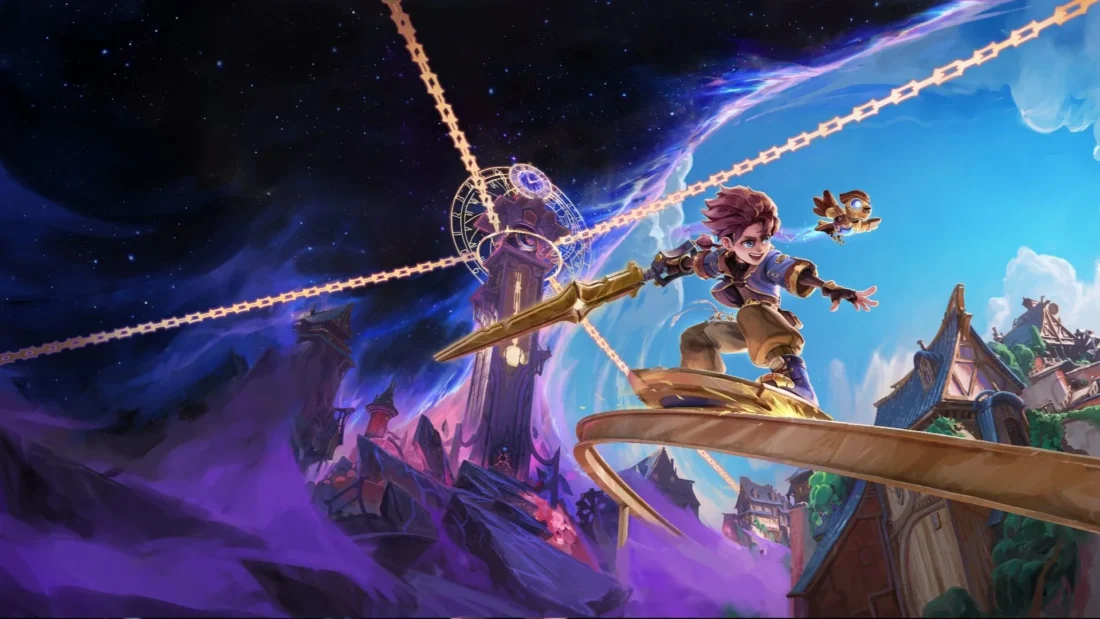
Thankfully, it is the act of moving through that world that gives Duskfade its strongest sense of purpose. Zirian begins with the fundamentals of platforming, but gradually acquires a collection of abilities that allow him to dash, grapple, glide and grind across rails. Each new skill changes the shape of the environment around him. A ledge that was once merely scenery becomes a destination; a distant rail becomes a route; a gap that looked impossible becomes something to cross almost without thinking. There is a satisfying rhythm to this, and Duskfade is at its best when it lets you build momentum rather than interrupting it. The controls feel designed around the simple pleasure of being in motion, and there are stretches where Zirian can flow from one movement to another with the sort of effortless grace that its influences understood so well.

That sense of movement also gives exploration a purpose. The world is filled with places that are deliberately just beyond reach, encouraging you to remember them and return later with the necessary ability. It is an old trick, but one that remains effective because Duskfade understands the quiet satisfaction behind it. Exploration becomes less about following an objective marker and more about learning the geography of the world. There is pleasure in spotting something interesting in the distance and knowing that, eventually, you will find a way there. The game’s environments are broad enough to support this without becoming exhausting, and there is a welcome sense that curiosity is being rewarded rather than merely tolerated.

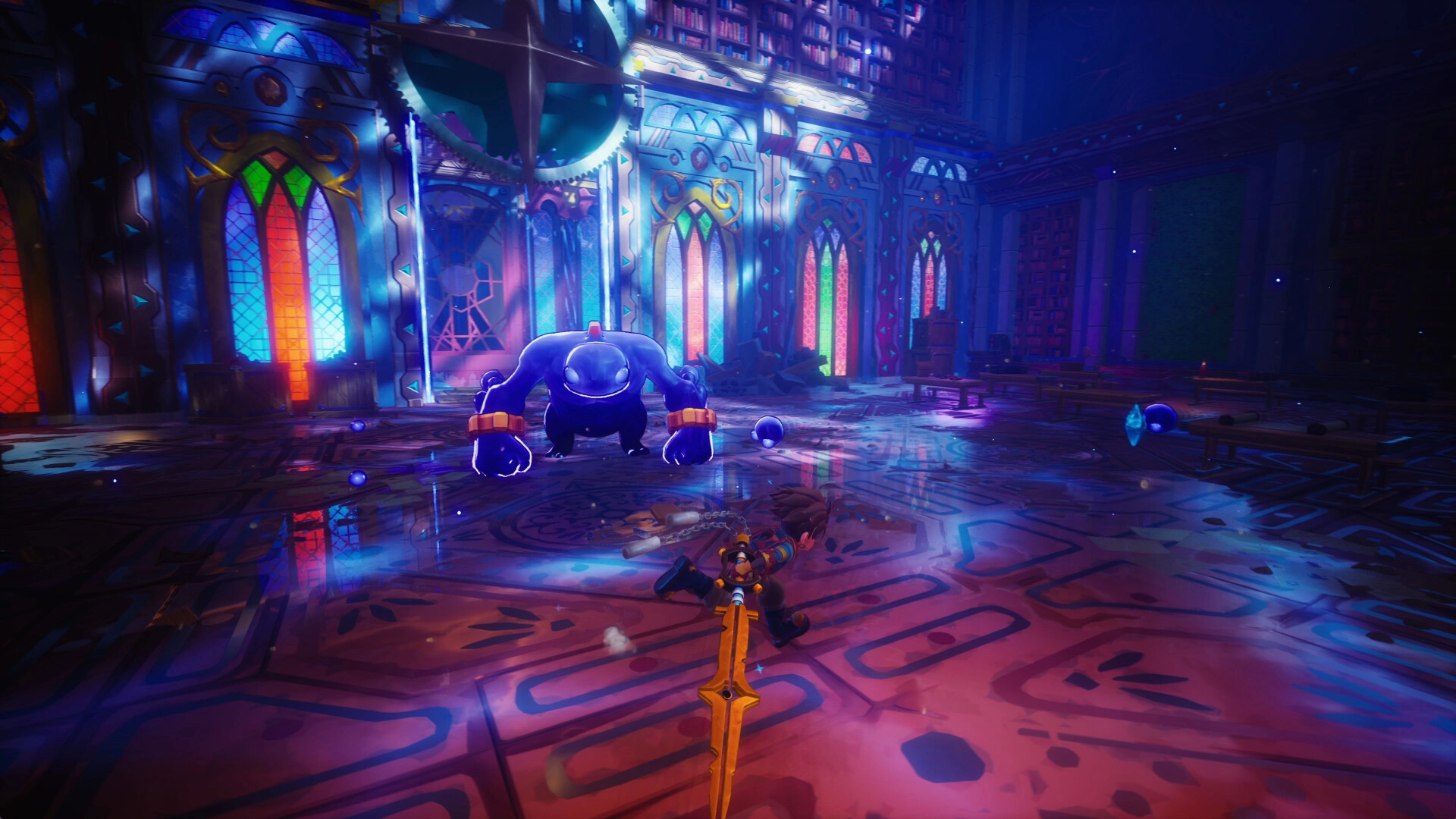
Combat, however, never quite reaches the same level. Zirian’s clock-hand weapon is a wonderfully appropriate idea for a game built around time, and there are flashes of fun in throwing yourself into an encounter, combining attacks and using the environment around you. But the combat lacks the immediacy of the movement system. Enemies often feel more like obstacles placed between platforming sections than opponents with their own personalities, and encounters can become repetitive before the adventure has had much chance to develop them. The bosses are generally more successful, particularly when they ask you to combine movement and observation rather than simply hit something until it stops moving. There is a sense here of a more interesting combat system struggling to emerge from beneath a fairly conventional one.

The camera can be another unfortunate reminder that Duskfade is recreating an older style of game rather than simply improving upon it. Most of the time it behaves itself, but more demanding platforming sequences can turn its perspective into an additional challenge. When a jump fails because you misjudged the distance, that is part of the fun; when it fails because the camera decided that the most useful view was somewhere behind a wall, the frustration feels rather less nostalgic. These problems are not constant enough to derail the adventure, but they are persistent enough to prevent the movement from becoming quite as effortless as the game clearly wants it to be. Duskfade understands the pleasure of the old platformer, but occasionally inherits its awkwardness along with it.

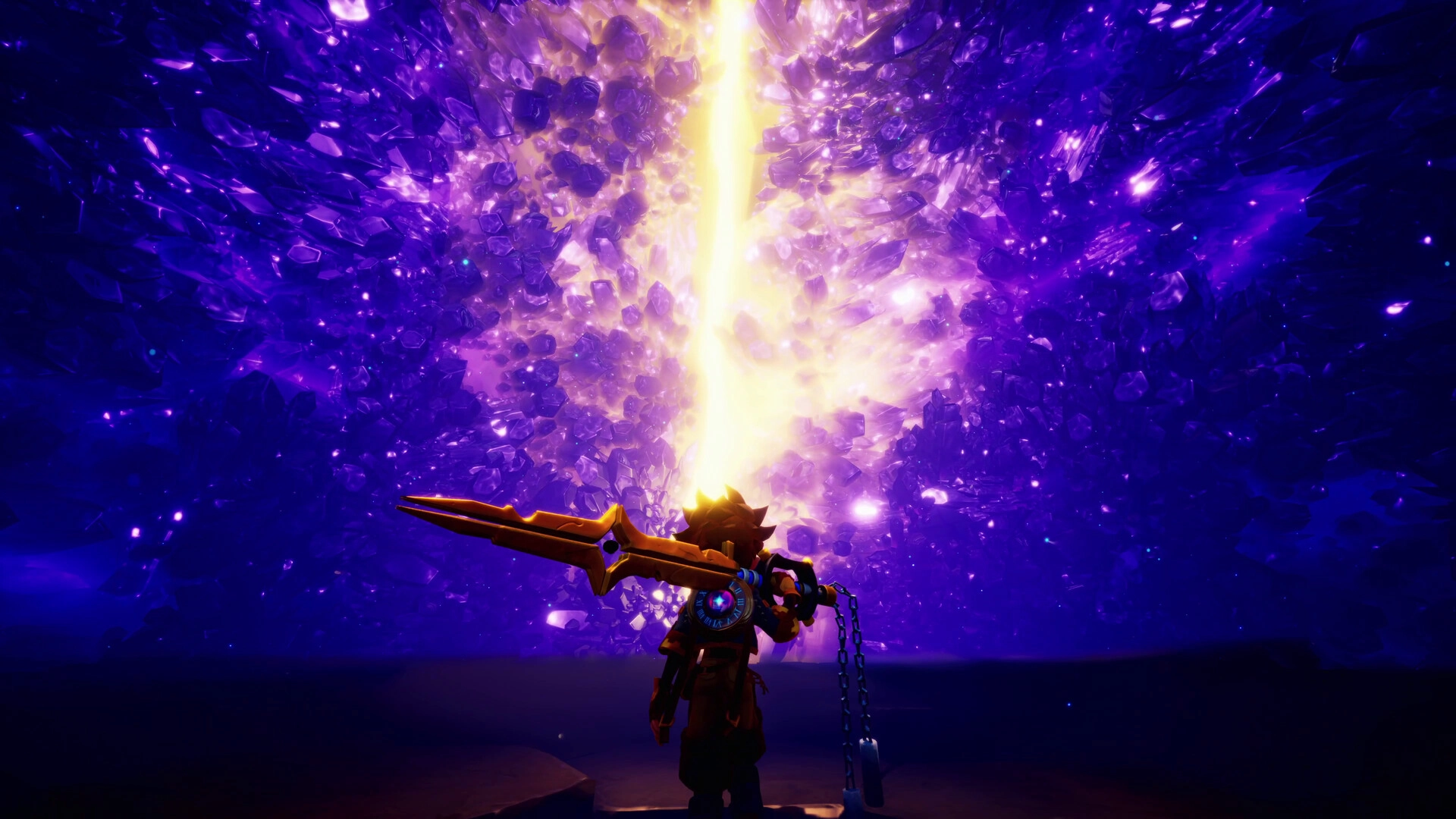
That mixture of old and new is perhaps most obvious in the visuals. Built using Unreal Engine 5, Duskfade has the technical polish of a modern game while deliberately embracing the exaggerated shapes and colourful theatricality of the PS2 era. The result is charming precisely because it doesn’t try to disguise its influences. Its world is full of oversized machinery, strange architecture, bright landscapes and fantastical creatures, all connected by the recurring imagery of clocks and gears. There is a lovely sense of scale to some of these environments, particularly when enormous structures loom beyond the immediate path. The game occasionally lacks the visual density of its inspirations, but its strongest locations have enough personality to make simply wandering through them enjoyable.

The recurring hub of Tick Town is especially successful in this respect. It gives the adventure somewhere to breathe between its larger excursions, filling the world with characters, side stories and the small details that make a place feel inhabited rather than merely constructed. There is something wonderfully old-fashioned about returning to a familiar settlement after each expedition and discovering that it has subtly changed. It is a rhythm that modern open-world games often drown beneath sheer quantity, whereas Duskfade understands that a handful of memorable characters can sometimes do more than a hundred disposable activities. The soundtrack complements this warmth, giving the world an appropriately whimsical and occasionally melancholic character. Its music rarely demands attention, but it understands when to make a quiet world feel larger than it is.

And yet, for all its technical polish and visual charm, there remains a slightly artificial quality to Duskfade’s nostalgia. You can see the games it loves in almost every corner, sometimes so clearly that its own personality struggles to push through. That is not necessarily a flaw — imitation can be an act of affection, and there is genuine craft in the way these influences have been assembled — but it does leave the presentation caught between homage and identity. Duskfade looks like a remembered childhood game filtered through modern technology, which is both its greatest strength and its most persistent limitation. It wants to recreate the feeling of discovering those worlds for the first time, but discovery is difficult when the shape of the journey is already so familiar.

7
Verdict
Summary

There is something quietly admirable about Duskfade, then, even when it doesn't quite achieve the magic it is chasing. Its movement is joyous, its world is colourful and inviting, and beneath all the clockwork machinery and nostalgic references sits a sincere little adventure about memory and letting go. But the combat is underdeveloped, the camera can undermine its best platforming, and its affection for the past sometimes becomes more compelling than its ideas for the future. Still, when Zirian is moving cleanly through one of its sprawling environments, catching a rail, launching into the air and disappearing towards some distant piece of machinery, Duskfade briefly becomes the game it so clearly wants to be: a reminder of why these adventures mattered in the first place. It doesn't reinvent the platformer, and perhaps it doesn't need to. Sometimes remembering why you loved something is enough.

Related Articles

7
XBOX

CULTIC Review—Built On The Past, Not Buried By It

There's a particular kind of nostalgia reserved for the shooters that emerged...

Halo: Campaign Evolved Review—A Classic Reborn for a New Generation

Some games become landmarks. Others become places you return to, not simply...

Ground Zero Review — A Love Letter to Classic Survival Horror

Having been raised on the classic Resident Evil and Silent Hill games,...