PlayStation

Voltaire: The Vegan Vampire Review—An Odd Little Harvest

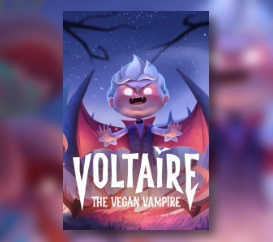
There is something immediately appealing about a game that seems to have been assembled from several ideas that ought not to fit together. Voltaire: The Vegan Vampire is, depending on the moment, a farming game, an action roguelite, a survival game and a lightly gothic comedy about a vampire who has decided that blood is no longer for him. It is an odd mixture, but an intriguing one. By day, Voltaire tends to his crops and prepares for what is coming; by night, the monsters arrive to remind him that abandoning the family business was never going to be quite so simple. That unusual combination was what first caught my attention, promising a game in which the quiet satisfaction of growing vegetables might somehow feed into the rather less peaceful business of fighting supernatural creatures.

Release Date: September 30th 2026
Developer: Digitality Games
Publisher: JANDUSOFT S.L.
Price: £15.99 / $19.99 USD
Reviewed On: PlayStation 5
* Access Provided For Review *

More Details

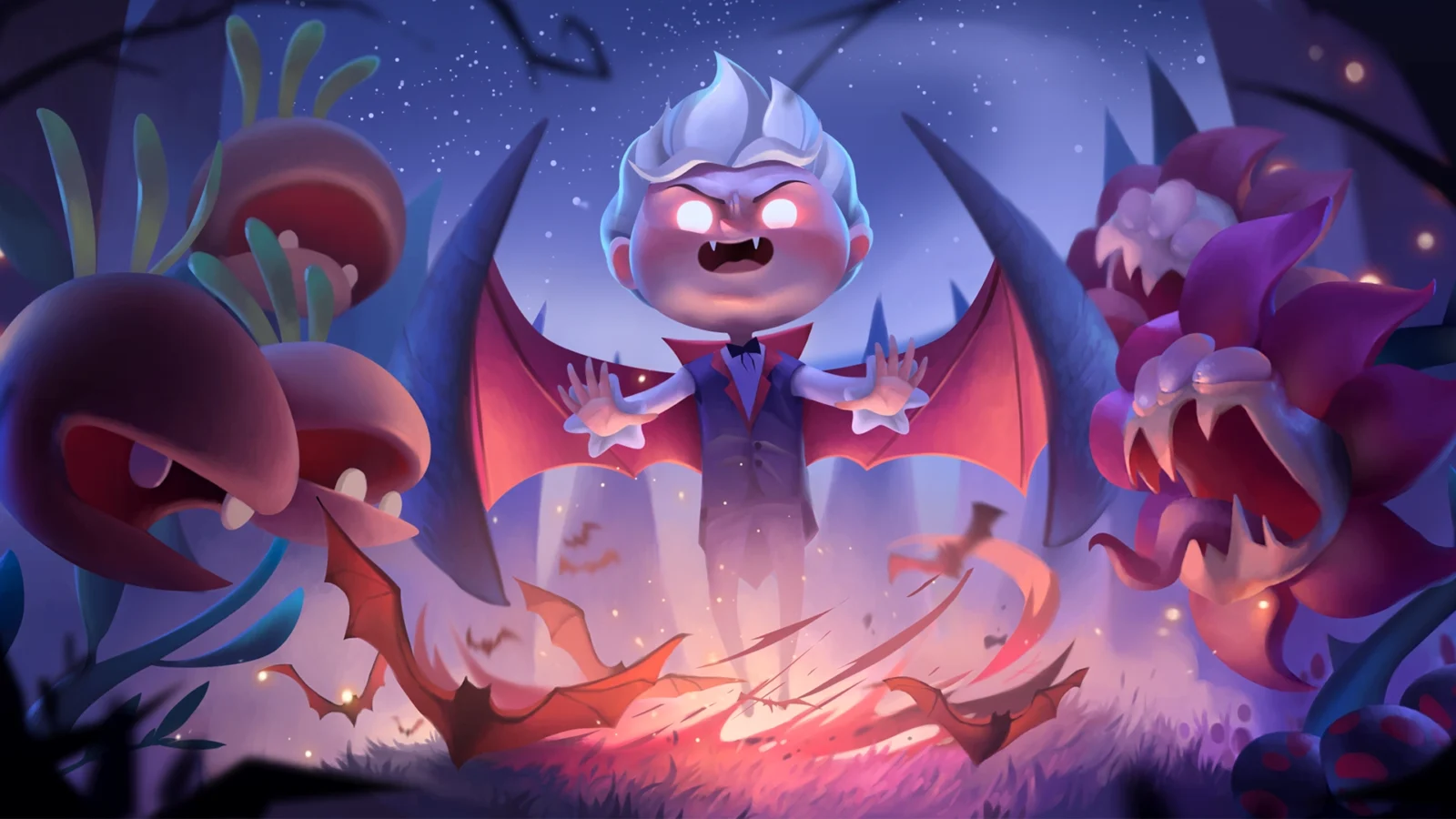
The story is knowingly ridiculous without making too much of a fuss about it. Voltaire is the youngest son of Dracula, but rather than embracing the traditional pleasures of vampirism, he has chosen a vegan lifestyle. Naturally, this does not go down particularly well with his father. What follows is less an elaborate gothic drama than a playful excuse to send Voltaire out into the world, where his unconventional diet becomes the foundation for the game’s farming and survival systems. The humour is broad but generally charming, and the colourful cast gives the world enough personality to keep the premise from feeling like a one-joke gag. There is a sense that everyone understands the absurdity of the situation, even if the writing rarely finds much more to do with it beyond the initial joke. The story is therefore best treated as seasoning for the mechanics rather than something that needs to carry the experience.

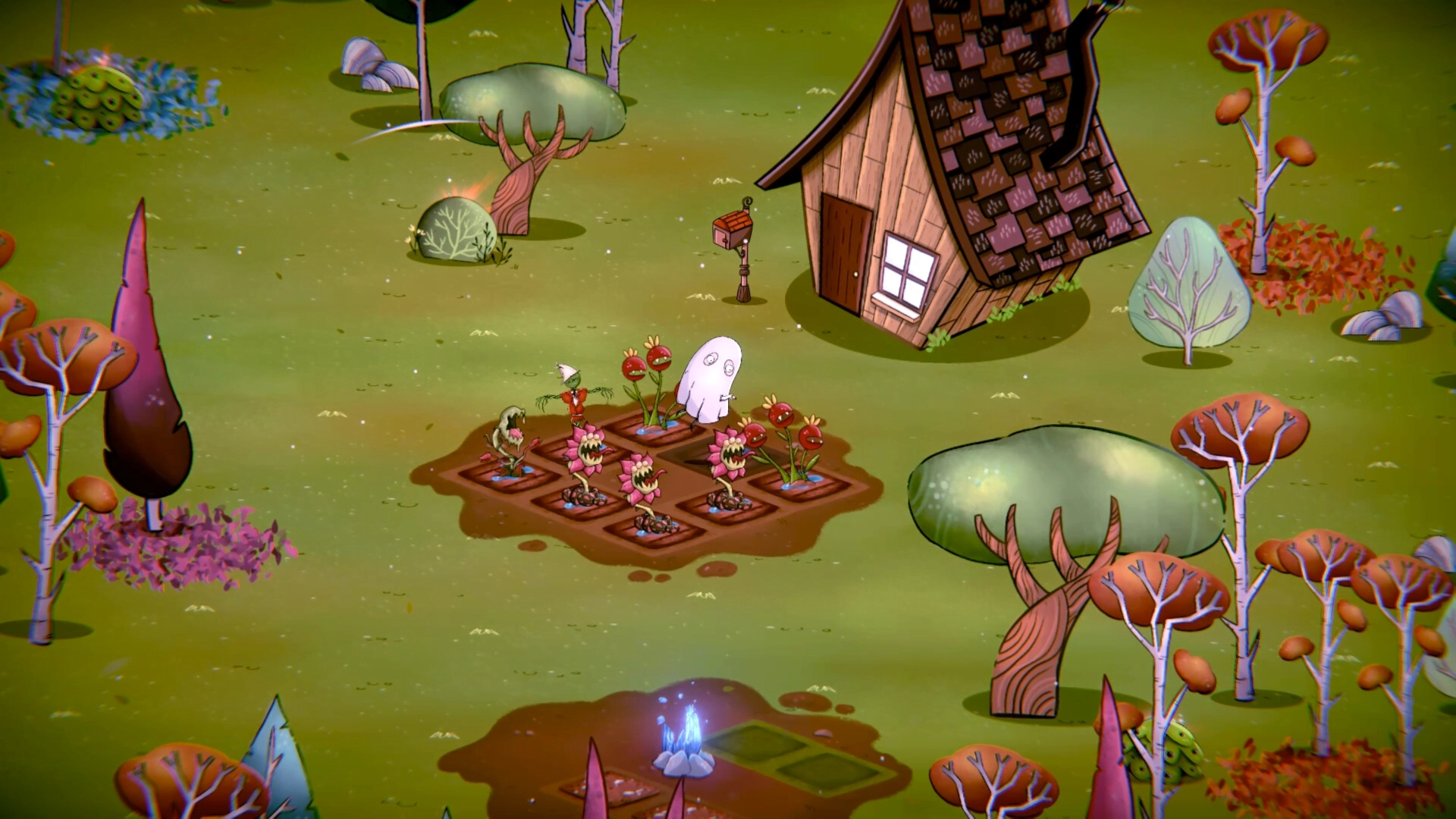
That becomes apparent once the daily routine settles into place. Farming forms the quieter half of Voltaire, giving you time to plant crops, gather resources and gradually turn your patch of land into something more productive. There is a pleasant satisfaction in watching an untidy piece of ground become increasingly useful, particularly as new crops and improvements open up further possibilities. Yet the farming never quite has enough depth to become compelling in its own right. It is primarily preparation for what happens after sunset, which makes each harvest feel less like an end in itself and more like a means of surviving whatever comes next.

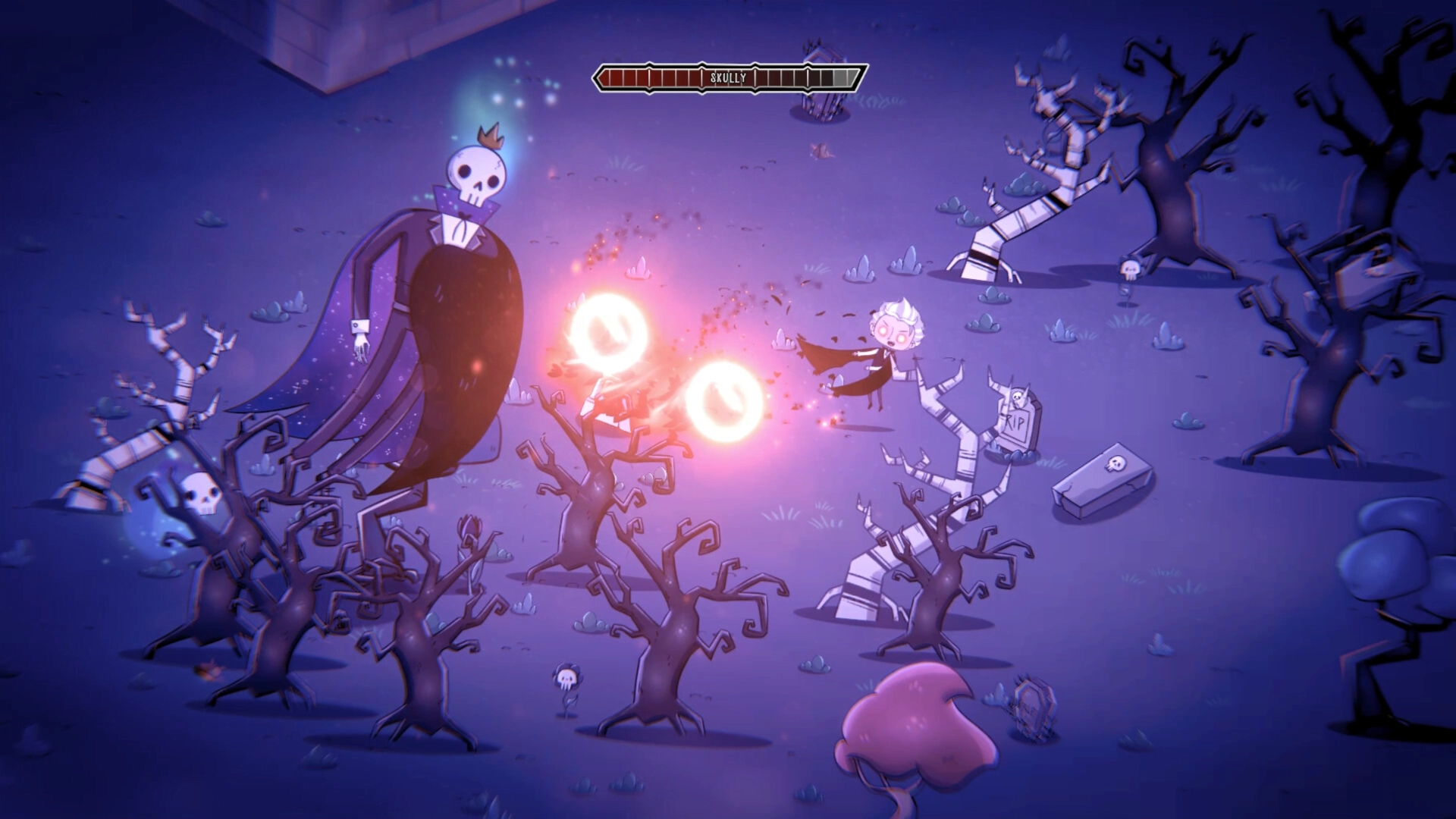
Come nightfall, the game’s disparate ideas begin to fit together more convincingly. Enemies descend on your carefully cultivated land, forcing you to defend the very crops you spent the day tending. Combat is straightforward, but moving around the battlefield, attacking enemies and trying to protect your farm gives the nightly cycle a welcome sense of urgency. There is something pleasing about the contrast between these two halves: the calm, methodical business of planting giving way to the frantic scramble of keeping everything alive. Unfortunately, the combat doesn’t always have quite enough variety to sustain that excitement over longer stretches, and repeated encounters can begin to feel more like routine maintenance than a meaningful test of skill.

Underneath it all is a roguelite progression system intended to keep the cycle moving. Runs provide resources that can be used to strengthen Voltaire, improve the farm and unlock new possibilities, creating that familiar temptation to head out once more because the next upgrade always seems just within reach. Failure rarely feels completely wasted, since there is usually some form of progress to carry into the next attempt. The problem is that the individual systems don’t always develop at the same pace. There is enough here to make returning worthwhile, but not always enough depth or variety to make every run feel meaningfully different from the last. Its various mechanics work reasonably well together, even if none of them quite reaches the point where they become indispensable.

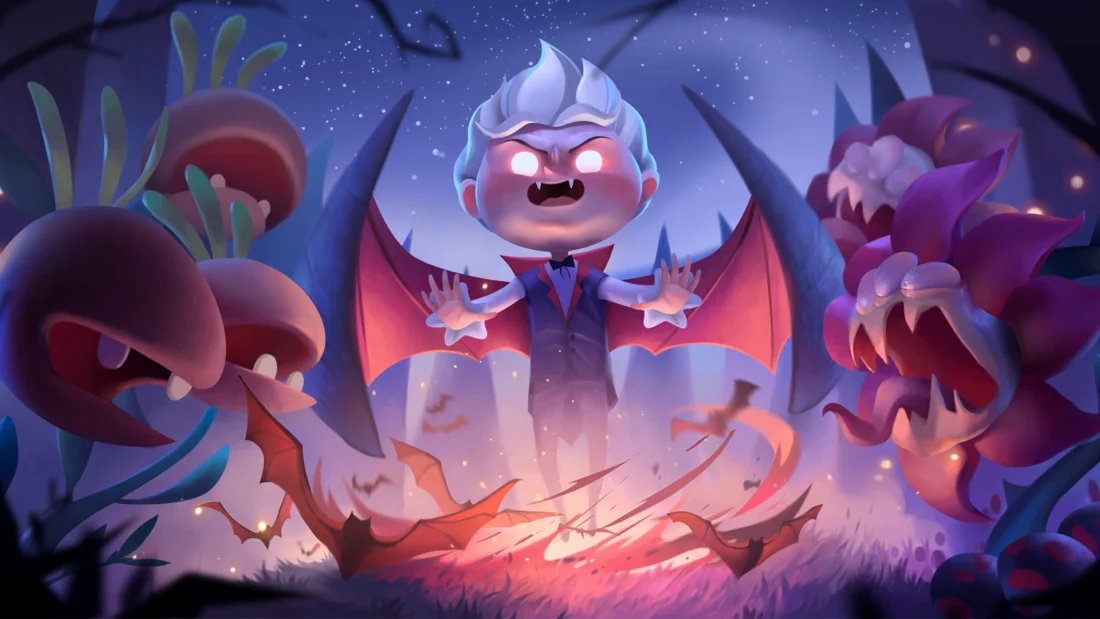
Much of the game’s charm comes instead from its visual identity. Voltaire takes familiar gothic imagery and gives it a colourful, almost storybook quality, filling its world with expressive characters and exaggerated creatures. Voltaire himself is an appealingly distinctive protagonist, while Dracula and the surrounding cast help sell the deliberately cartoonish tone. It is a pleasing contrast to the darker vampire imagery the game draws from, turning what could have been a gloomy setting into something considerably more playful. That visual personality goes some way towards making the repetition of its systems easier to forgive.

The environments continue that colourful approach, with each area offering enough visual variation to make exploration worthwhile. Your farm also becomes a small record of your progress, gradually filling with crops and improvements as you become more established. There is no great technical spectacle here, nor does there need to be. The art direction is doing a different kind of work, giving the game a coherent personality and ensuring that even its more familiar mechanics are wrapped in something recognisably its own. It is a world that feels pleasant to spend time in, even when there isn’t always much new happening beneath the surface.

Sound plays a similar supporting role, with the music helping to distinguish the game’s contrasting moods. The calmer atmosphere of daytime gives way to more energetic combat themes after dark, reinforcing the sense that each day is divided into two very different activities. Sound effects give attacks and abilities enough impact without undermining the game’s light-hearted tone, while the overall presentation maintains the cheerful absurdity established by the art. None of it is especially remarkable in isolation, but it works together effectively enough to preserve the game’s particular atmosphere.

6
Verdict
Summary

What ultimately holds Voltaire: The Vegan Vampire back is not a lack of ideas, but the feeling that several of them stop just short of becoming fully developed. Farming, combat, exploration and roguelite progression all complement one another, yet they rarely provide enough depth to make any one part truly memorable on its own. There is still an appealing rhythm to planting, preparing, fighting and returning home, and the game's eccentric premise gives that familiar loop a personality that is difficult not to like. Voltaire is at its best when its strange ingredients complement one another, even if the finished dish could have used a little more substance. It's a charming experiment in genre-mixing, but one that leaves you wishing some of its better ideas had been given more room to grow.


Related Articles

Dream Cage Review—Trapped Between Sleep and Waking

There is something uniquely unsettling about the idea of being trapped inside...

BrokenLore: DON’T LIE Review—The Shape of Something Memorable

I remember finishing the BrokenLore: DON’T LIE demo during Steam Next Fest...

Keeper Review—The Light at the End of Somewhere

There is something quietly absurd about playing as a lighthouse. Not the...

Fear The Timeloop Review—Lost Between the Minutes

There is something immediately appealing about a horror game that begins with...