XBOX

The Sinking City 2 Review—A City Drowning in Secrets

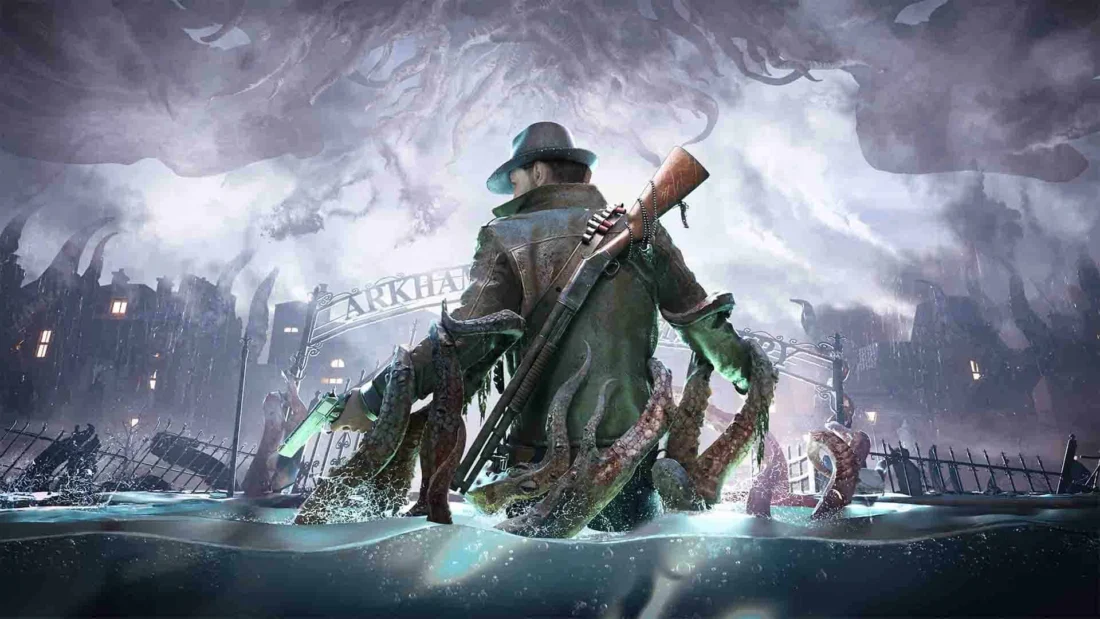
There is something strangely appropriate about returning to Arkham and finding that the city has become smaller. The first The Sinking City was a sprawling, awkward thing, a detective adventure that seemed determined to let you wander wherever your curiosity took you, even when the world sometimes struggled to keep pace with that ambition. The Sinking City 2 understands that the horror was never really in the size of the city, but in what might be waiting behind the next door. Frogwares has traded the open world for corridors, shortcuts, locked rooms and carefully arranged mysteries, and in doing so has found a much sharper expression for its Lovecraftian imagination. Arkham is still drowning, but now the water feels closer to your throat.

Release Date: August 18th 2026
Developer: Frogwares
Publisher: Frogwares
Price: £46.74+/ $49.99+ USD
Reviewed On: Xbox Series S
* Access Provided For Review *

More Details

The story begins with Calvin Rafferty, an occult investigator who refuses to abandon his partner, Faye Bennett, after a ritual leaves her trapped between worlds. Arkham is already collapsing beneath a supernatural flood, its streets becoming waterways and its dead becoming vessels for something far less human. What follows is a journey through hospitals, churches, markets and drowned streets in search of a way to bring Faye back, gradually revealing that her fate is bound to something much older and more terrible than either of them could have understood. Frogwares wisely keeps the details close to its chest, allowing the strange logic of the Dreamlands and the city’s increasingly impossible circumstances to unfold through exploration rather than exposition. It is pulpy, occasionally melodramatic and unmistakably Lovecraftian, but beneath all the cosmic machinery sits a surprisingly human idea: that sometimes love means refusing to leave something behind, even when the world has already decided it is lost.

That sense of refusal carries naturally into the game’s structure. The Sinking City 2 is no longer an open-world detective adventure with horror around its edges; it is a survival-horror game first, and a detective story second. The change is immediately apparent in the way Frogwares has built Arkham. Instead of an enormous map that asks you to cross the city in search of scattered clues, you are given smaller, denser spaces that fold back upon themselves. A locked door seen early on becomes meaningful later. A staircase you passed without a second thought suddenly becomes the quickest route back. Rooms connect in ways that make the world feel less like a collection of levels and more like a place you are gradually learning to inhabit.

And this is where the game’s investigation mechanics find a new purpose. Frogwares has not abandoned the instincts that made its Sherlock Holmes games so distinctive; it has simply made curiosity optional. You can follow the main route if you wish, but Arkham continually offers reasons to look more closely. A strange object, a trail of clues or an apparently insignificant room may lead to an optional investigation, and following those threads can reward you with upgrades, supplies or additional pieces of the world’s history. It is a lovely compromise between the freedom of the original and the controlled rhythm of survival horror. The detective work no longer stops the game in its tracks. Instead, it becomes another reason to be afraid of what might be hiding around the corner.

That fear is helped enormously by the game’s resource management. Space is limited, supplies are deliberately precious, and every detour carries the possibility of finding something useful or wasting something you might desperately need later. The best survival-horror games turn their inventories into little theatres of anxiety, and The Sinking City 2 understands the trick. There is always something you want to carry and never quite enough room to carry everything. You begin to remember where you have seen certain supplies, which routes are safest and which rooms you would rather not have to cross again. The city gradually becomes a mental map of risk and reward.

Combat sits inside that system rather than existing separately from it. Encounters can be brutal, but the game’s most effective moments come from the knowledge that fighting is not necessarily the best answer. Enemies can turn a familiar corridor into a dangerous place, while limited resources encourage you to think about what is worth confronting and what is better avoided. The gunplay is not quite as refined as the games it clearly admires, and some encounters can feel more obligatory than the carefully constructed environments would suggest, but there is weight to the decision-making. You are not an action hero sweeping Arkham clean. You are someone trying to get through it.

Which makes the puzzles all the more important, because they provide a welcome change of rhythm. Frogwares has always understood the pleasure of following a trail of clues, and here that instinct is woven into the environment itself. A puzzle might begin with something apparently mundane and gradually become stranger as you discover what it is actually asking you to understand. The best of them feel like little detective stories embedded within the larger one. They encourage observation rather than reflex, and they remind you that Calvin is an investigator before he is a survivor. Even when the game is asking you to be frightened, it still wants you to be curious.

And curiosity is ultimately what gives The Sinking City 2 its identity. Its influences are obvious, particularly in the way its environments loop back upon themselves and its resources are carefully rationed, but Frogwares does not simply copy the language of modern survival horror. It filters those conventions through its fascination with investigation and Lovecraftian absurdity. A bizarre clue can become a grotesque puzzle. An optional case can lead somewhere far stranger than the main story. The world can move from sombre cosmic dread to something almost darkly comic without entirely breaking its spell. It is a game that understands that horror and curiosity are really the same impulse: the desire to look behind the door, even when every sensible part of you is telling you not to.

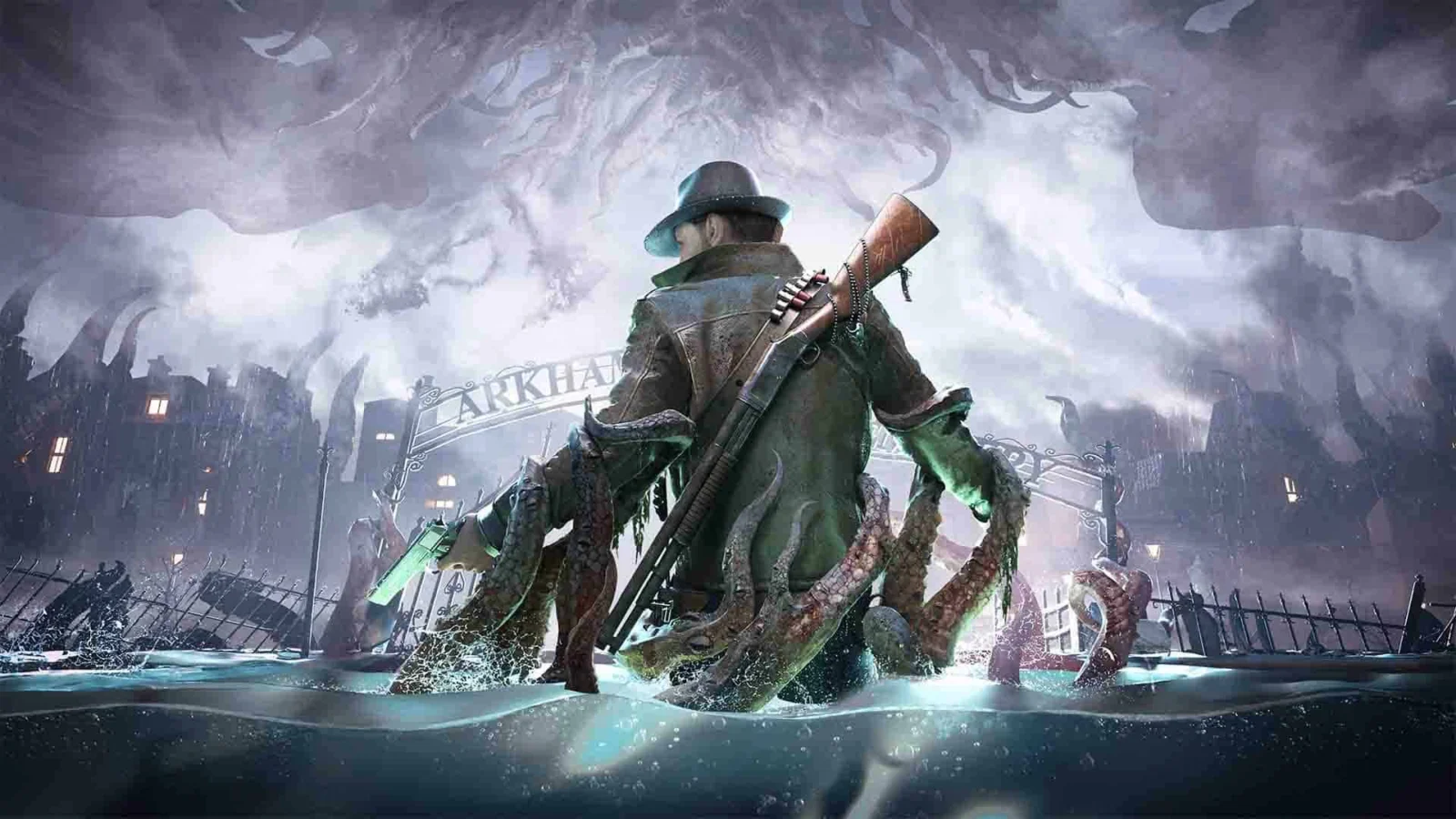
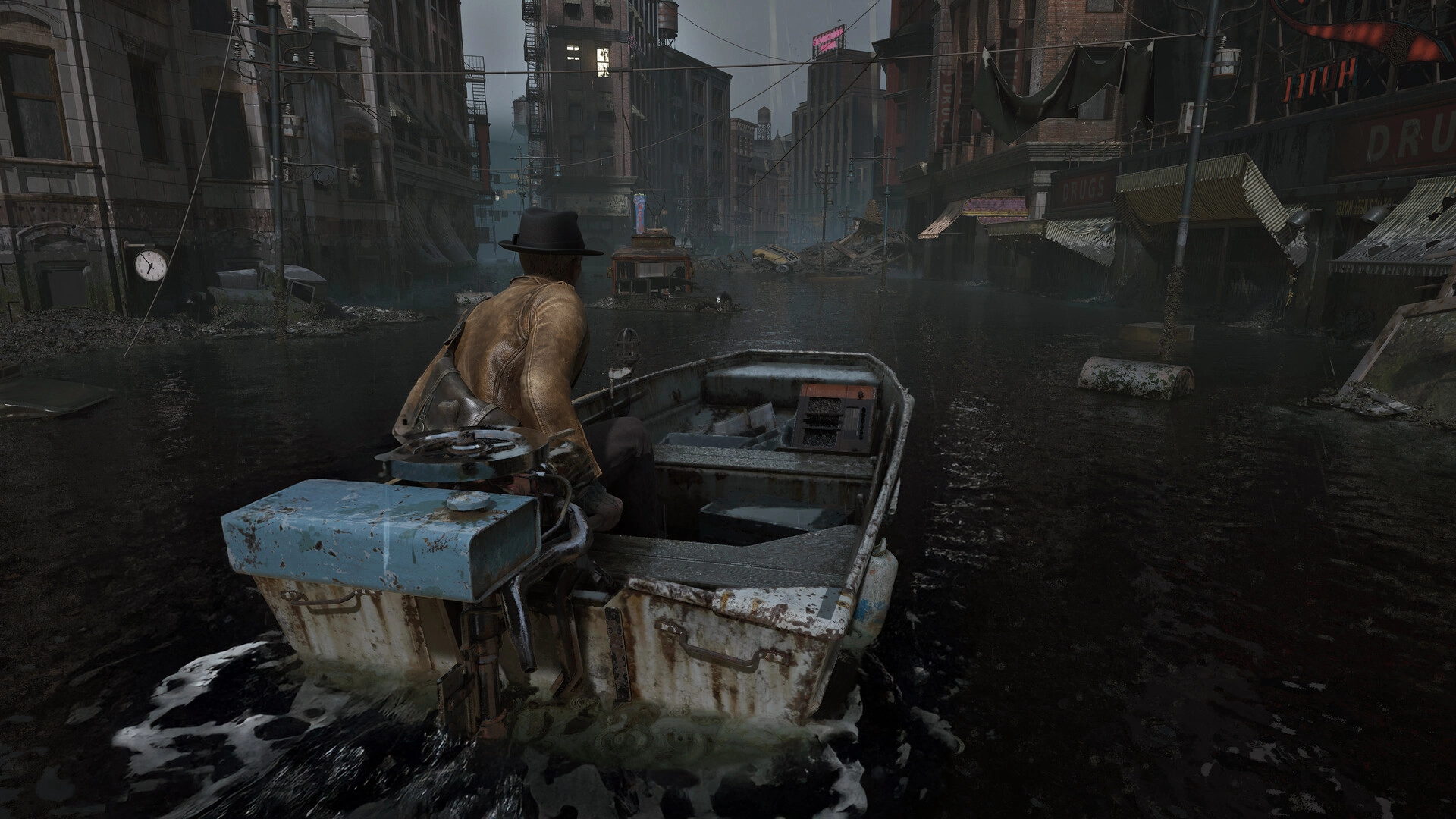
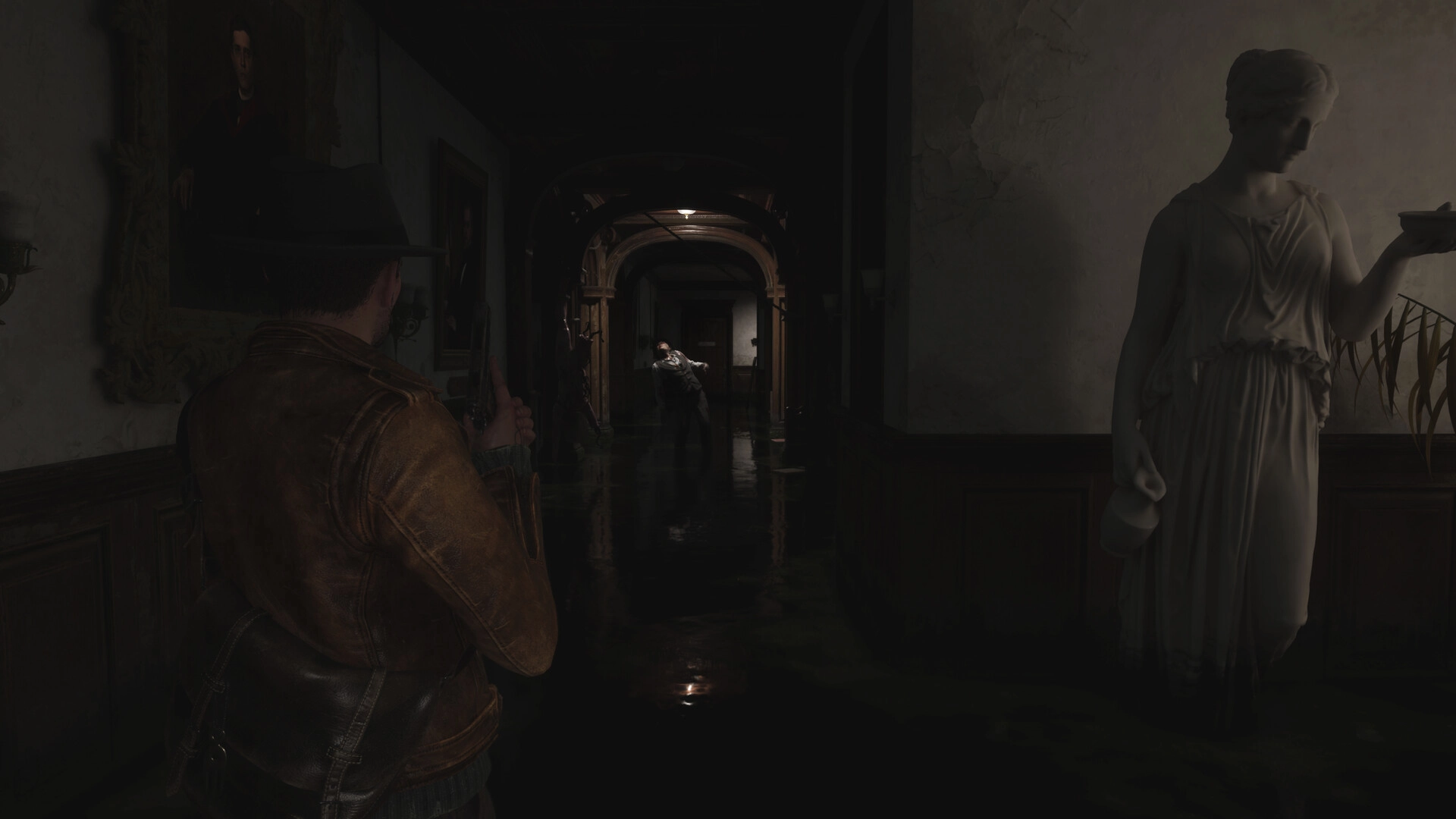
The visual design gives that impulse somewhere wonderful to live. Arkham is a city of wet stone, drowned streets and sickly interiors, rendered with the kind of density that makes even abandoned spaces feel occupied by the memory of whoever used to live there. Unreal Engine 5 gives Frogwares considerably more room to realise its vision than the original ever had, and the difference is striking. The city feels oppressive without simply becoming monotonously dark. Floodwater reflects the ruined architecture. Interiors are cluttered with the residue of ordinary lives. The supernatural does not replace the mundane; it grows through it, like mould through the walls.

The creatures are equally effective because they feel less like conventional monsters than violations of the human form. The game’s enemies are designed around wrongness: bodies moving in ways they shouldn’t, familiar shapes becoming unfamiliar, the dead turned into something that is no longer quite dead. There is a pulpy extravagance to some of the imagery, but that suits The Sinking City 2. This is not restrained gothic horror. It is a strange paperback nightmare, the kind of story where a flooded street, an impossible creature and an investigator in a battered coat can somehow occupy the same frame without seeming entirely ridiculous. The soundscape completes the illusion. Distant cries, environmental noise and a deliberately oppressive score give Arkham a constant sense of movement, while the quieter passages understand that sometimes the most frightening thing a horror game can give you is enough silence to hear yourself wondering what comes next.

9
Verdict
Summary

For all its occasional rough edges, The Sinking City 2 feels like Frogwares discovering what its series was always meant to be. It is less sprawling than its predecessor, but considerably more assured; less interested in giving you an entire city than in making you care about the room you are standing in. Its combat can occasionally betray the limits of its ambitions, and its characters do not always escape the melodrama of their material, but these are small cracks in a remarkably confident piece of survival horror. More importantly, Frogwares has managed something surprisingly difficult: it has taken the investigative soul of The Sinking City, placed it inside the body of a survival-horror game, and somehow made both halves stronger for the collision. Arkham is smaller now, but every door carries more weight. Every clue feels more dangerous. And when the city finally begins to close around you, you understand why Frogwares needed to make it this way. Some places are better explored one room at a time.

Related Articles

7
XBOX

Duskfade Review—A Memory of Games We Thought We’d Lost

There was a particular kind of magic to the 3D platformers of...

7
XBOX

CULTIC Review—Built On The Past, Not Buried By It

There's a particular kind of nostalgia reserved for the shooters that emerged...

Halo: Campaign Evolved Review—A Classic Reborn for a New Generation

Some games become landmarks. Others become places you return to, not simply...

Ground Zero Review — A Love Letter to Classic Survival Horror

Having been raised on the classic Resident Evil and Silent Hill games,...