

Meta Quest

Hot Dogs, Horseshoes & Hand Grenades 2 Review—A Promising Experiment Still Finding Its Feet

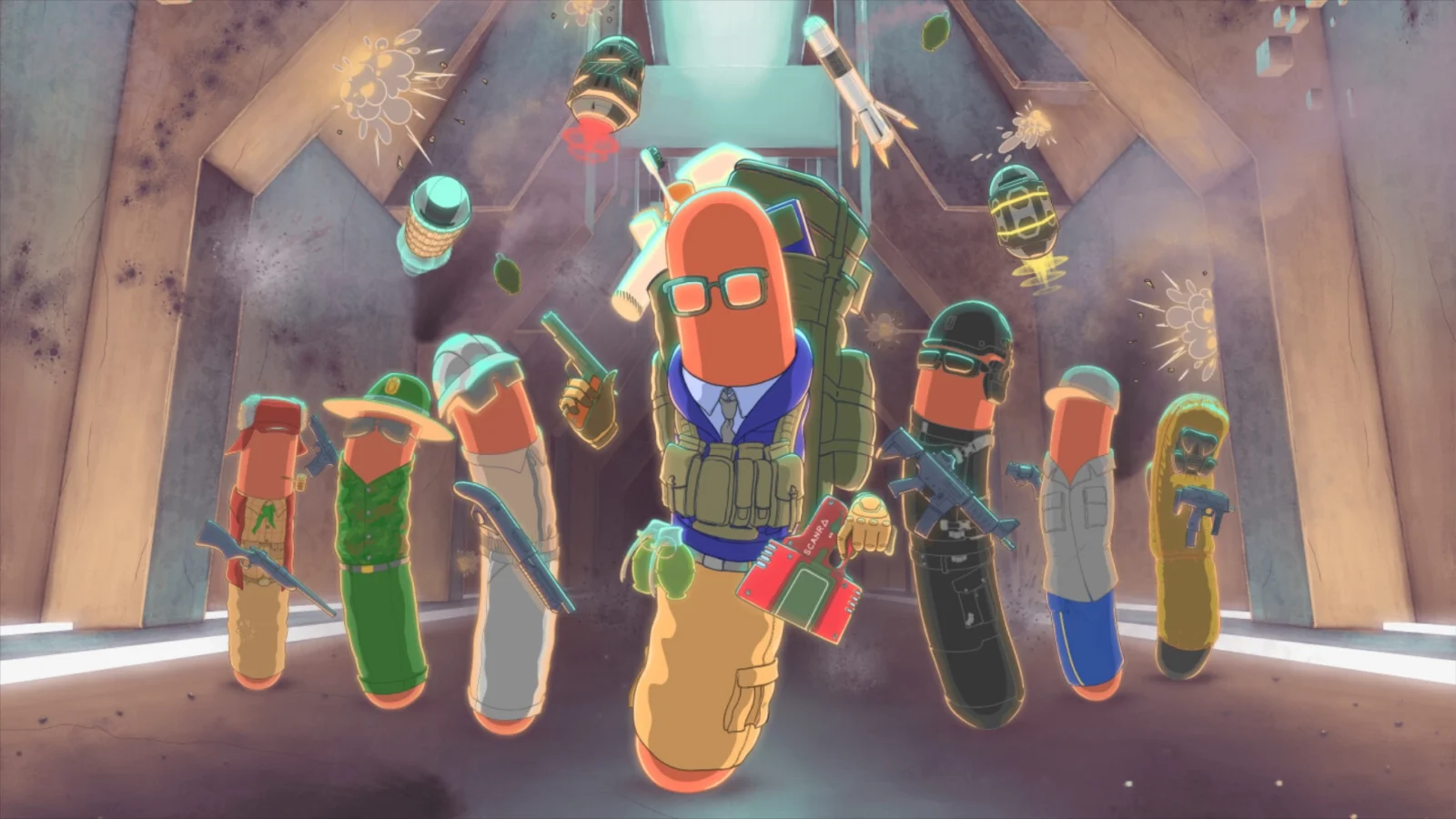
There is something immediately appealing about the idea of taking the familiar foundations of a virtual reality sandbox and giving them a greater sense of purpose. While the original Hot Dogs, Horseshoes & Hand Grenades built much of its appeal around the freedom to experiment, handle an extraordinary collection of weapons and indulge in its wonderfully peculiar physics, it was the introduction of Facility that initially caught my attention with its sequel. An extraction roguelike set within a sprawling, procedurally generated megastructure, it promises something rather different from the usual shooting gallery, offering a more structured adventure with exploration, progression and a reason to keep returning. It is an intriguing direction for the series, and one that gives H3VR2 a welcome sense of ambition beyond simply providing another collection of virtual shooting ranges.

Release Date: November 12th 2026
Developer: RUST LTD.
Publisher: RUST LTD., Creature
Price: $39.99 USD
Reviewed On: Meta Quest 3
* Access Provided For Review *

More Details

Much of the game’s appeal comes from Facility, which provides the most substantial reason to spend time with the experience. Its combination of exploration, missions and resource gathering gives each expedition a greater sense of purpose, while the procedurally generated environments help maintain an element of unpredictability between visits. Returning to your home base also provides a satisfying sense of progression, allowing your efforts within the facility to feed into a larger journey. There is an appealing rhythm to the experience, balancing the immediate pleasure of exploring its environments with the longer-term satisfaction of gradually developing your capabilities. It is this sense of forward momentum that makes Facility feel like such a natural evolution for the series, even if its underlying structure occasionally struggles to make every expedition feel equally rewarding.

Away from the main attraction, Combat offers a more competitive alternative, allowing players to tackle shared challenges and compare their performances through online leaderboards. Daily Runs and Tournament Mode extend this idea further, providing regular opportunities to test yourself against fixed conditions and other players. Meanwhile, Arcade Shooting and Challenges Range offer something closer to the traditional shooting-gallery format, placing greater emphasis on accuracy, timing and achieving the highest possible scores. These modes provide a welcome change of pace from Facility, although their appeal naturally depends on how much enjoyment you find in repeating challenges and chasing incremental improvements. They are enjoyable distractions, but rarely carry quite the same sense of discovery as the game’s central experience.

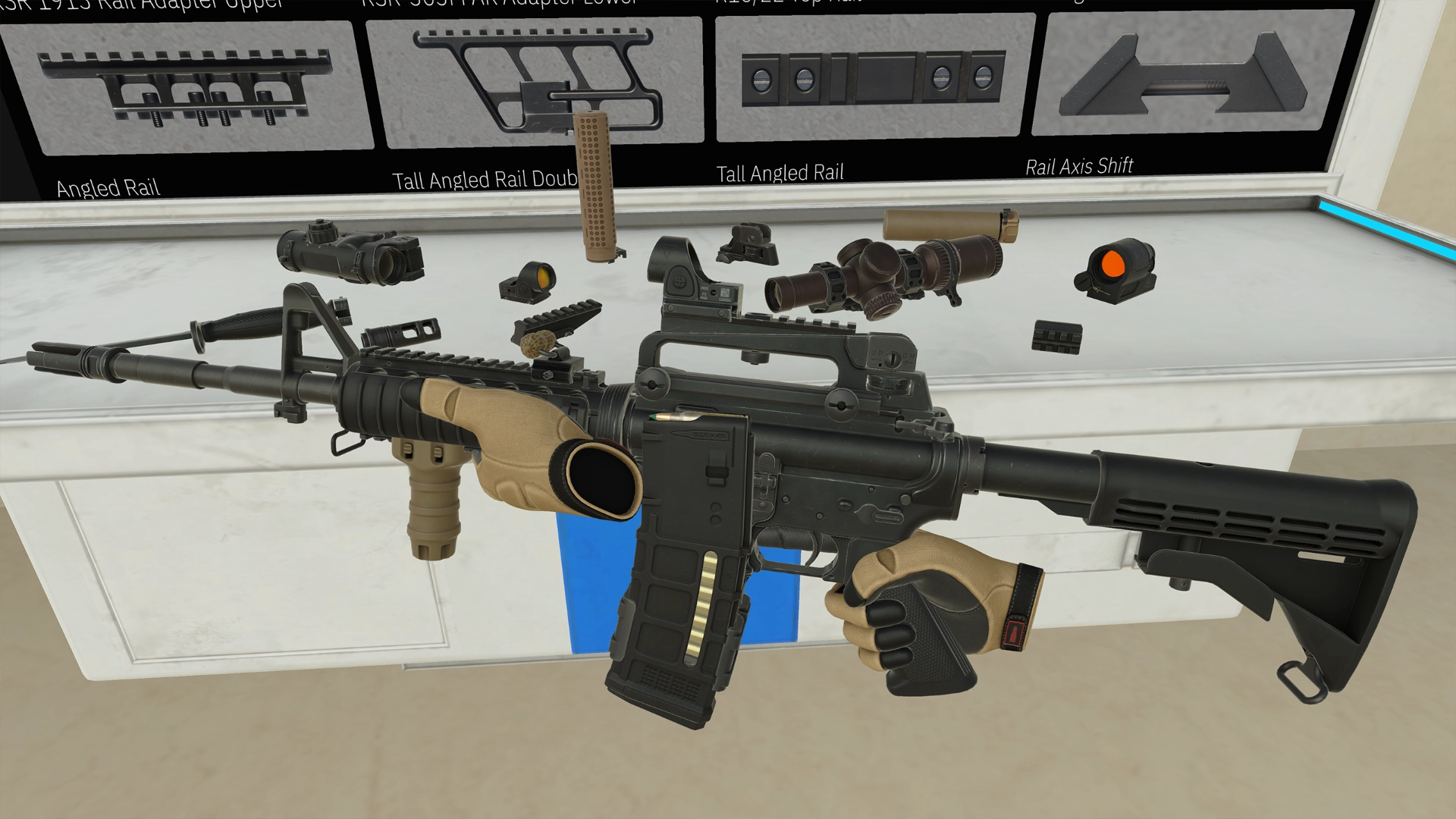
For those who simply want to spend time getting acquainted with the mechanics, Certification Range provides a more approachable introduction, helping familiarise players with the various systems without immediately throwing them into the deeper end of the experience. Sandbox, meanwhile, remains an important part of the game’s identity, offering the freedom to experiment with its physics and interactive objects without the pressures of objectives or progression. There is something refreshing about having these more relaxed spaces alongside the structured modes, particularly given how much of H3VR2’s appeal comes from the simple pleasure of interacting with its virtual world. However, the sheer variety of activities can occasionally feel more like a collection of separate experiences than a completely cohesive package, with some modes offering considerably more depth than others.

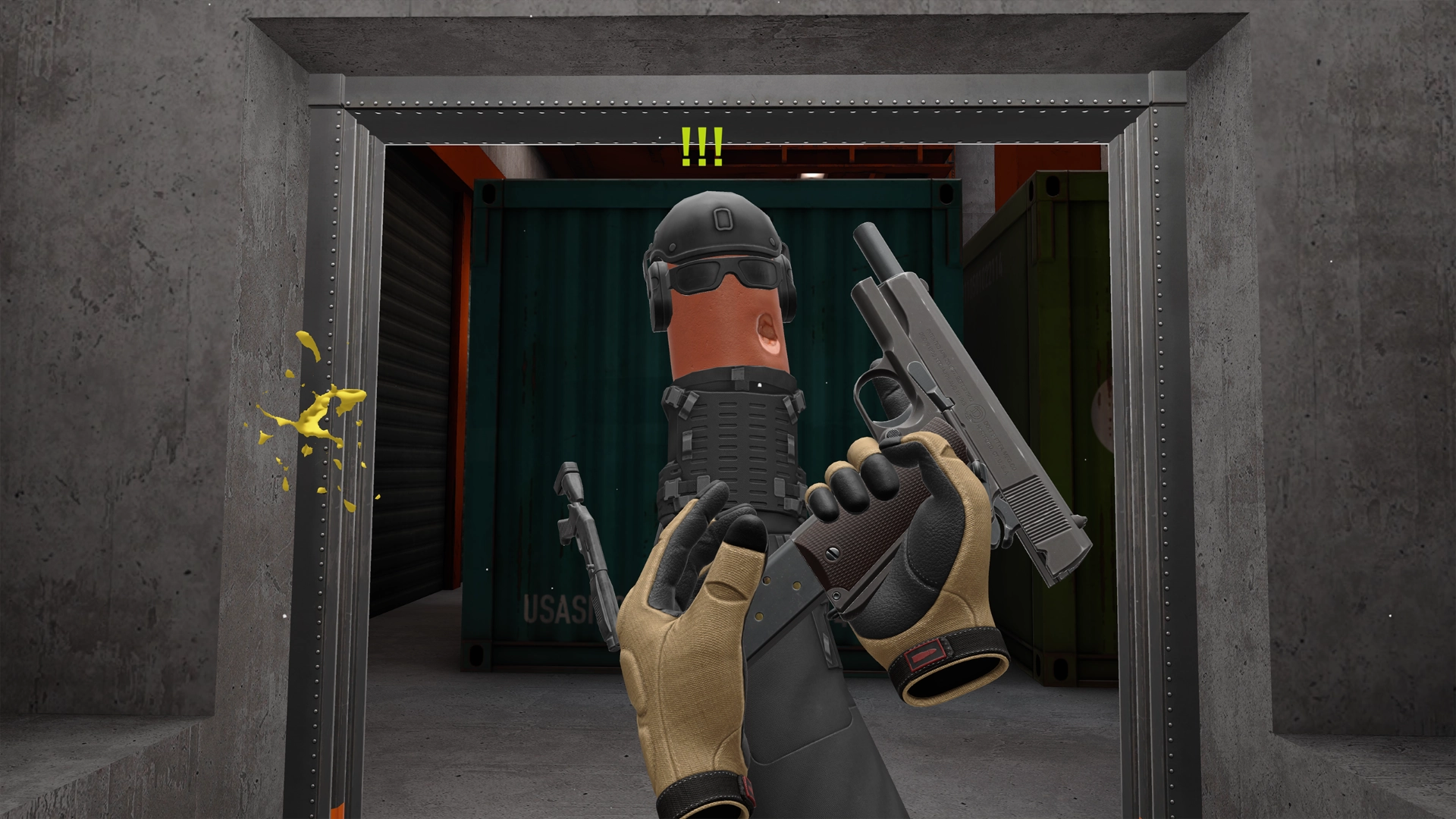
Visually, H3VR2 retains much of the series’ distinctive personality, favouring functional environments and recognisable objects over elaborate presentation. Facility provides the most interesting backdrop, with its enormous industrial spaces and shifting layouts giving exploration a suitably imposing atmosphere. There is a certain charm to the game’s deliberately exaggerated world, particularly in the way its unusual characters and objects contrast with the otherwise grounded approach to its mechanics. Yet, despite the ambition of its environments, the presentation is noticeably constrained by the Meta Quest 3’s hardware. Textures, environmental detail and visual effects are understandably more modest than what might be possible on more powerful platforms, and there are moments when the limitations of standalone VR become difficult to ignore.

That said, there is an admirable consistency to the visual design, with the emphasis placed firmly on clarity and functionality rather than unnecessary spectacle. This is particularly important in a game where so much of the experience revolves around interacting with objects and navigating environments from a first-person perspective. The various modes each provide enough visual distinction to prevent everything from blending together, although some areas lack the finer environmental details that might have made them more memorable. Facility benefits most from its scale and layout, but there are occasions when its surroundings feel somewhat bare, with the procedural nature of its environments occasionally working against the atmosphere it is trying to establish. It is a perfectly serviceable presentation, then, even if it rarely pushes the hardware in ways that feel particularly impressive.

Sound fares somewhat better, providing the necessary atmosphere and feedback to make the various activities feel suitably engaging. The mechanical noises and environmental audio help give the world a sense of physical presence, while the sounds accompanying interactions provide much of the immediate satisfaction that makes virtual reality so compelling. There is a certain weight to the overall sound design, even if it doesn’t always manage to elevate the environments beyond their relatively straightforward presentation. More importantly, the audio does its job without becoming intrusive, allowing the player to concentrate on the experience itself. As with the visuals, however, there is room for greater ambition, particularly when it comes to establishing a more distinctive atmosphere within Facility and giving its individual environments a stronger identity.

Comfort

7
Verdict
Summary

Hot Dogs, Horseshoes & Hand Grenades 2 feels like an interesting and worthwhile expansion of an already unusual virtual reality series. Facility gives the experience a much-needed focal point, introducing a more substantial sense of progression and purpose, while the assortment of competitive, arcade and sandbox activities provides plenty of alternatives for those looking to spend more time with its mechanics. Not every mode feels equally developed, and the limitations of the Meta Quest 3 occasionally prevent the presentation from matching the ambition of the ideas behind it. Nevertheless, there is enough variety, personality and genuine enjoyment here to make it an appealing proposition, particularly for those who appreciate the freedom and experimentation that defined the original. It doesn't quite bring all of its disparate ideas together into something truly exceptional, but there is a promising foundation here, and Facility suggests that this series still has plenty of room to grow.

Related Articles

Pinball FX VR: Judge Dredd Table Review—Mega-City One Goes Tilt

There is something fitting about Judge Dredd finding a home on a...

Tiny Flock Review—A Little World of Its Own

Tiny Flock was the standout of the VR Games Showcase when it...

Knights of Fiona Review—A Knight’s Journey That Never Quite Begins

There is something immediately comforting about returning to CharacterBank's worlds. I have...

Roboquest VR Review—Built for Speed, Tested by Hardware

There was always a degree of scepticism surrounding Roboquest VR. Translating one...