Meta QuestPCVR

Knights of Fiona Review—A Knight’s Journey That Never Quite Begins

There is something immediately comforting about returning to CharacterBank’s worlds. I have a particular fondness for RUINSMAGUS, the studio’s earlier attempt at making the kind of earnest, anime-inflected JRPG adventure that VR has always seemed strangely well suited to. It was imperfect, certainly, but there was a sincerity to it: a belief that stepping inside a fantasy world could make its familiar stories feel newly tangible. Knights of Fiona arrives with that same ambition, only now the scale is broader, the cast larger, and the promise considerably more expansive. Yet where RUINSMAGUS felt like a modest adventure discovering what VR could offer, Knights of Fiona sometimes feels like a game caught between what it wants to be and what its structure will allow it to become.

Release Date: September 3rd 2026
Developer: CharacterBank Inc
Publisher: CharacterBank Inc
Price: Free-to-play / £14.99 (Story Pass)
Reviewed On: PC VR / Meta Quest 3
* Access Provided For Review *

More Details

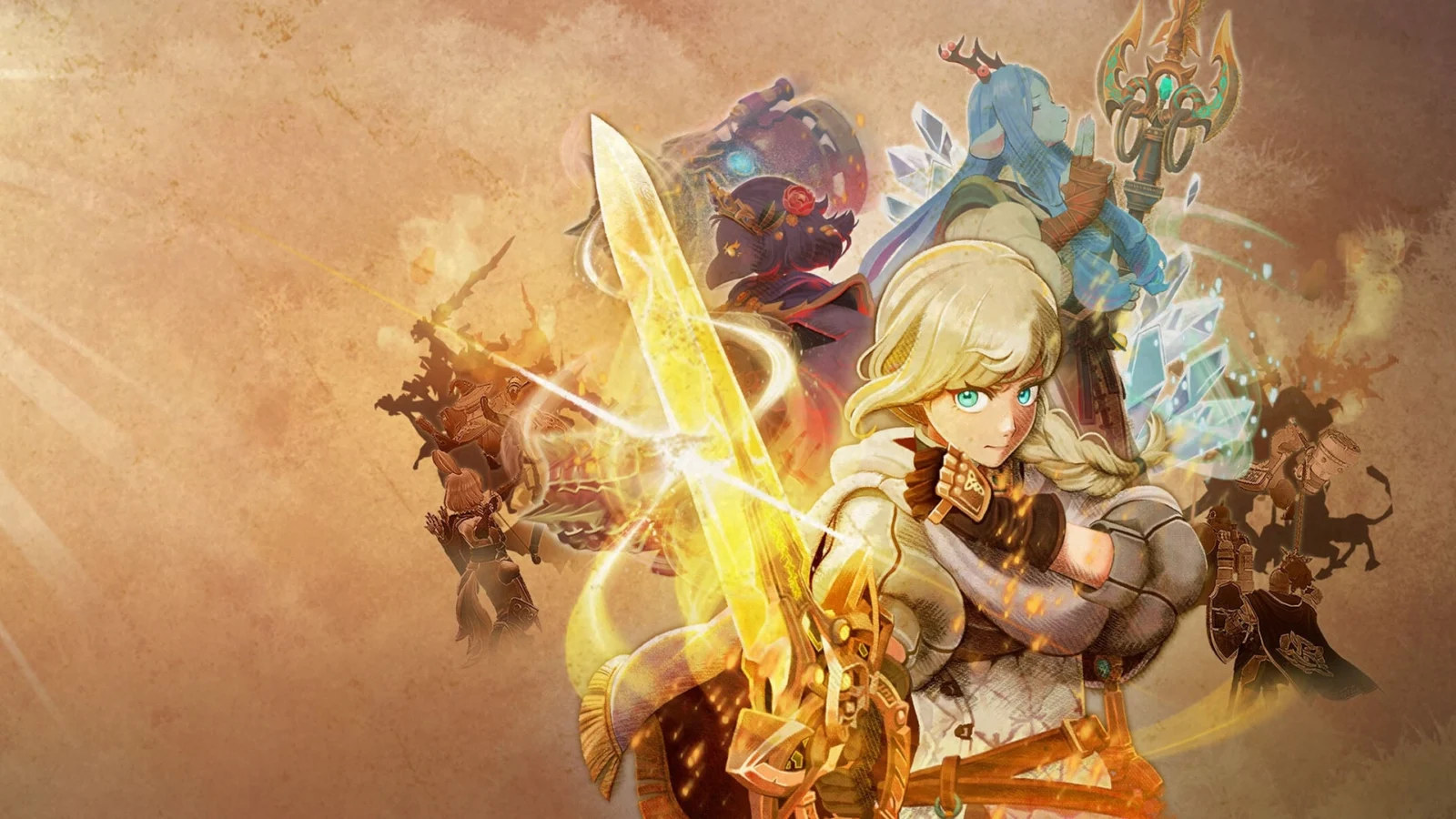
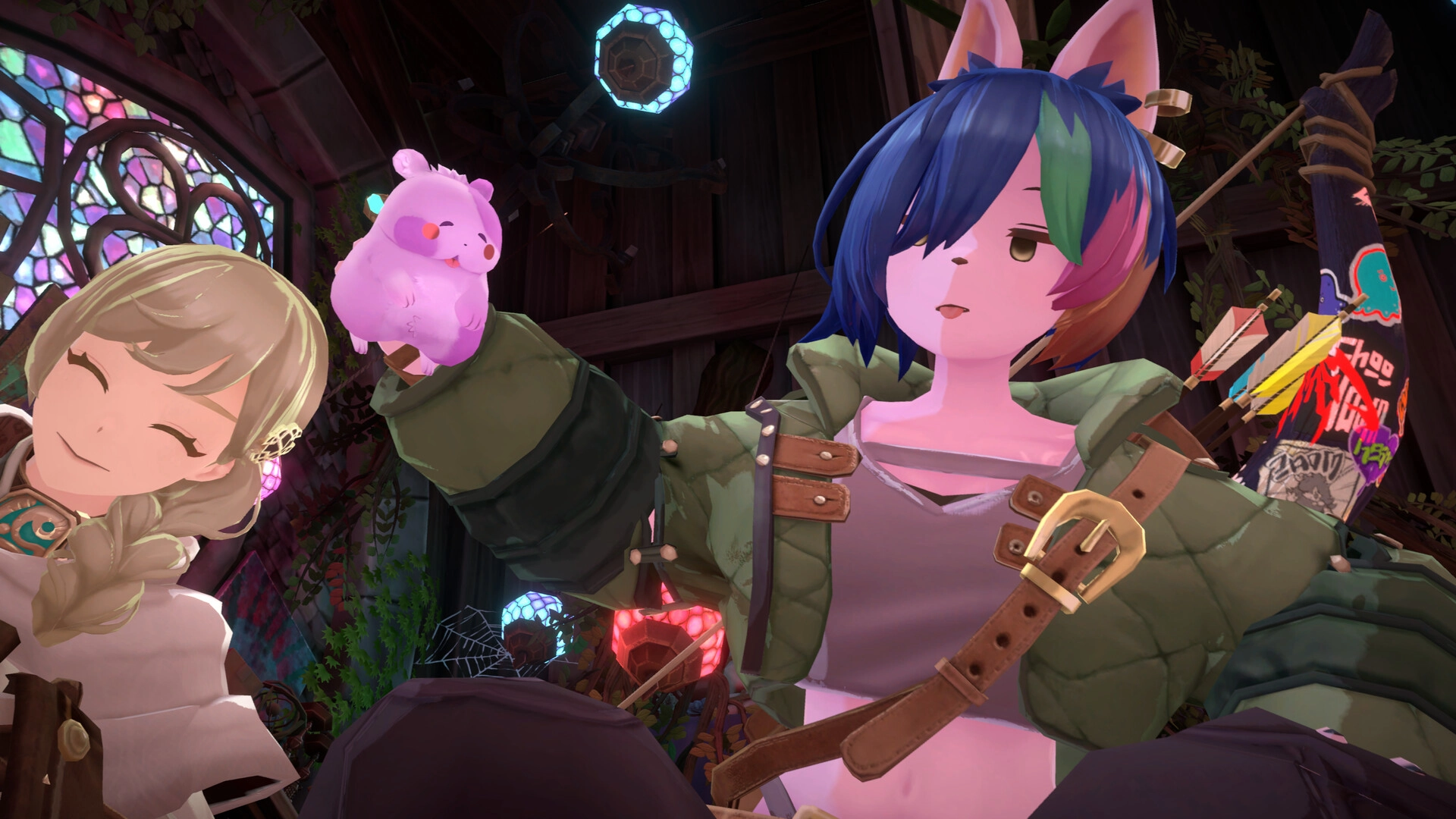
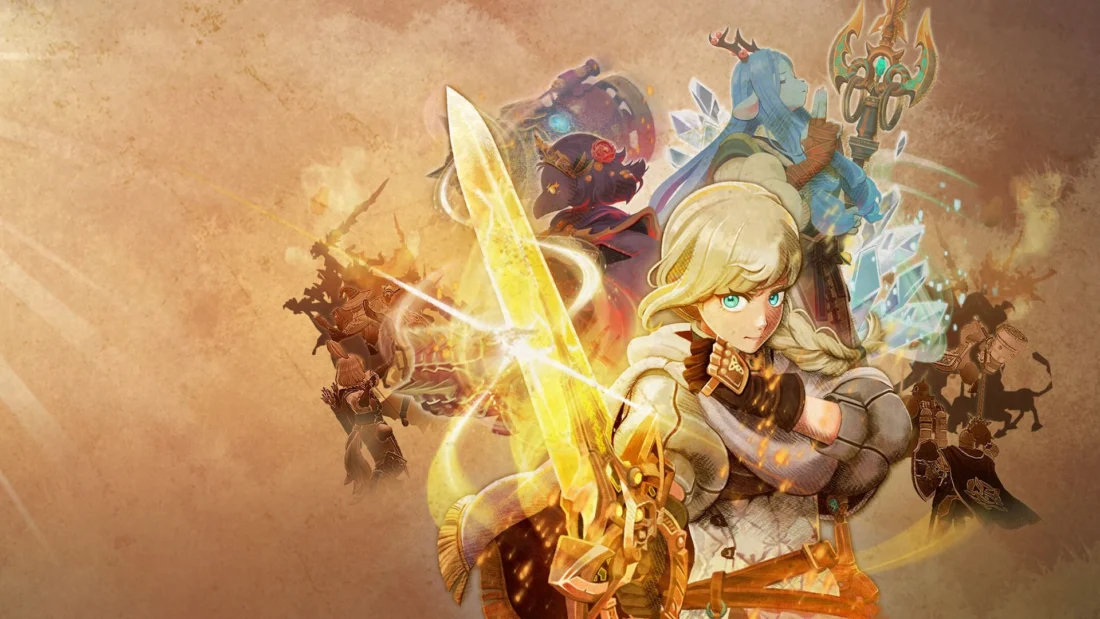
Gallia is a land where thoughts become power, and where hatred has taken physical form in the shape of dragons. At the centre of it all is Fiona, a young knight commander who has sworn an oath to protect a world increasingly consumed by conflict. You are one of the knights who answers that call, travelling alongside Fiona and a colourful collection of companions as the story unfolds. It is straightforward fantasy fare, but there is an appealing earnestness to its characters and world-building, particularly when the game slows down enough to let its cast breathe. The unfortunate complication is that much of this story is locked behind the paid Story Pass. The free version provides the opening chapter, while the remaining narrative content requires the additional purchase, making it difficult to become invested in a journey when the road ahead is quite literally gated.

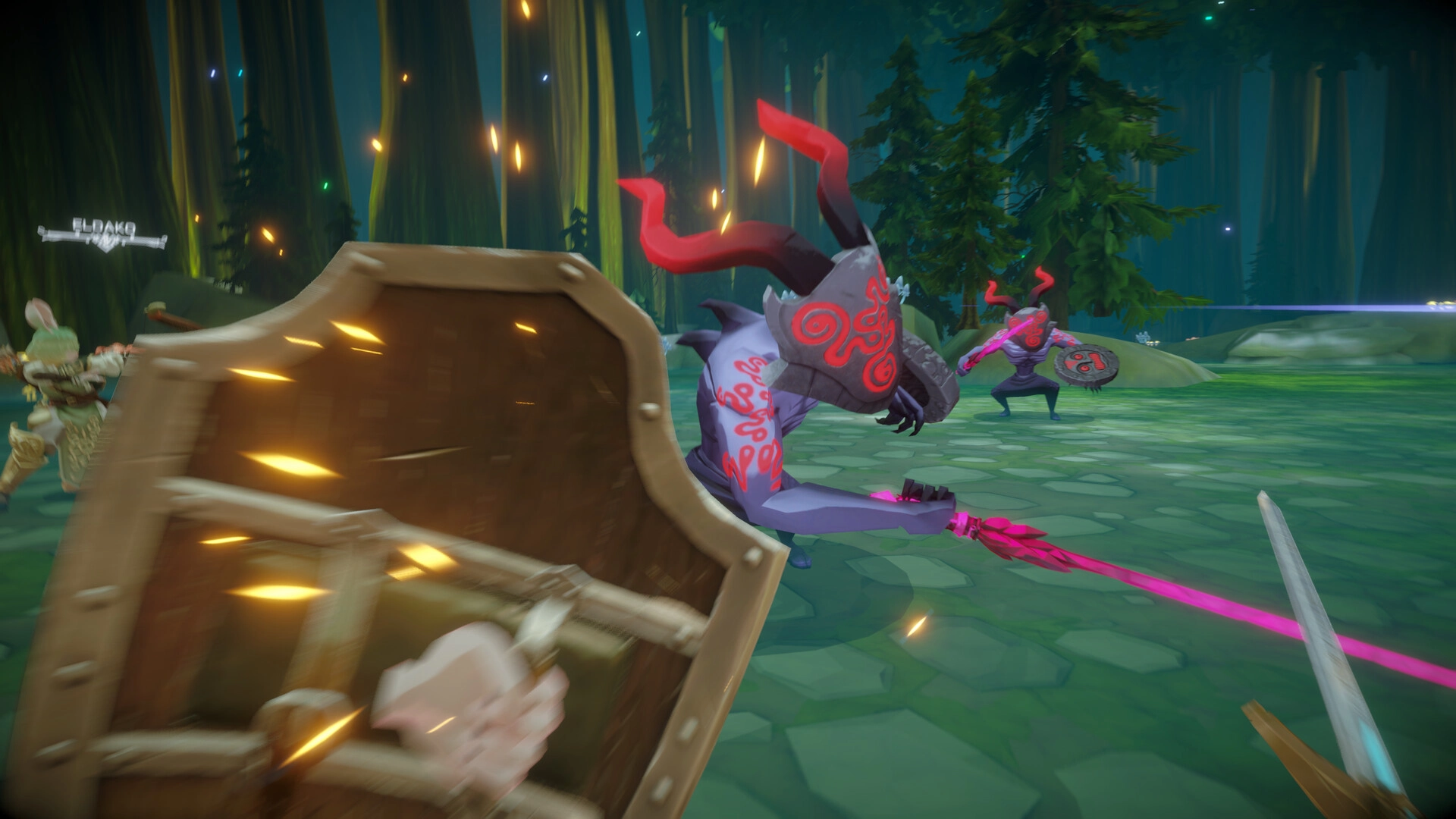
The combat itself is built around three familiar pillars: sword, bow and magic. Each has its own physical vocabulary, and there is something pleasing about reaching for an enchanted spell or drawing a bowstring with your own hands. It is at its best when a battle becomes a small piece of VR theatre, with enemies surrounding you and attacks demanding that you physically react rather than simply watch numbers disappear from a health bar. Unfortunately, that sensation rarely lasts. Encounters tend to be brief, arena-like affairs, with waves of enemies appearing before the mission concludes and another loading screen arrives.

There is a certain simplicity to this loop that can initially be quite soothing. Enter a quest, fight through a handful of enemies, collect your rewards and return to the hub. Play alongside friends and the formula becomes more enjoyable, as dividing attention between enemies and coordinating attacks gives the otherwise straightforward battles a little more life. Playing alone, however, exposes just how thin the encounters can feel. Your companions provide assistance, but they rarely transform the battles into anything more strategic. The physicality of VR is there, but the systems surrounding it don’t always give that physicality enough room to breathe.

More frustrating is the progression. Knights of Fiona is free to start, with the first chapter serving as an introduction to its world, characters and combat. That is a perfectly reasonable way to let players decide whether the experience is for them. The problem is that progressing beyond that introduction can feel less like embarking on the next chapter of an adventure and more like completing a series of chores before the game allows you to continue. Repeated missions, rewards and character progression gradually turn the journey into a grind, and the repetition becomes particularly noticeable when you’re trying to unlock the next piece of the story.

That grind sits awkwardly beside the game’s JRPG aspirations. There are weapons to improve, equipment to manage and progression systems designed to encourage you to keep returning to Gallia, but the repetition can make these mechanics feel like obligations rather than rewards. The game wants to recreate the comforting rhythm of a traditional role-playing game — quest, battle, reward, upgrade, repeat — yet VR makes repetition feel different when you are physically performing every action yourself. What might be a harmless five-minute battle in another RPG can feel considerably longer when you’re standing inside it.

Visually, Knights of Fiona is perhaps most successful when it remembers that VR is about presence rather than spectacle. Geogallia has a pleasant, colourful fantasy aesthetic, with its characters and environments leaning heavily into the anime-inspired JRPG tradition. The central town in particular has a warmth that makes returning to it pleasant, even if its exploration is more restricted than the presentation initially suggests. The battlefields, meanwhile, are considerably less memorable, often functioning more as functional arenas than convincing pieces of a larger world.

The soundtrack fares rather better. There is an appealing sense of old-fashioned JRPG melodrama in its orchestration, while the sound effects give combat the necessary punctuation. It doesn’t quite reach the musical heights of RUINSMAGUS, whose soundtrack remains one of CharacterBank’s strongest achievements, but there are moments where the music succeeds in giving otherwise modest scenes a greater emotional weight. The English voice cast also helps sell the game’s more theatrical character moments, giving Fiona and her companions a welcome sense of personality.

Performance is one area where Knights of Fiona largely avoids making its ambitions feel burdensome. Across both PC VR and Meta Quest 3, the game runs smoothly, maintaining a consistent experience without the technical distractions that can so quickly undermine immersion in virtual reality. It’s an important strength, particularly for a game built around physical combat, because the illusion depends upon your movements and the virtual world responding cleanly to one another. CharacterBank has clearly done the less glamorous technical work required to make the experience comfortable to play.

Comfort

5
Review Overview
Summary

There is a good game somewhere inside Knights of Fiona, and occasionally you catch glimpses of it: in the excitement of standing alongside friends against a huge enemy, in the charm of its characters, or in the simple novelty of inhabiting a traditional JRPG world rather than merely looking at one. But too often those moments are buried beneath repetitive missions, an underwhelming combat loop and progression that turns the journey towards its story into a grind. As a successor to RUINSMAGUS, it feels less like the confident evolution I had hoped for and more like an ambitious experiment still searching for its shape. The foundation is there, but the adventure rarely gives you enough reason to keep walking.

Related Articles

Roboquest VR Review—Built for Speed, Tested by Hardware

There was always a degree of scepticism surrounding Roboquest VR. Translating one...

Pinball FX VR: The Princess Bride Table Review—Where Fairytales Meet Silver Ball Excellence

Few films lend themselves to pinball quite as naturally as The Princess...

Pinball FX VR: Pacific Rim Table Review—Great Pinball First, Pacific Rim Second

There's an easy temptation with a licence like Pacific Rim to let...

Pinball FX VR: Goat Simulator Table Review – Pinball Goes Completely Goat

Zen Studios' Goat Simulator Pinball successfully translates the wonderfully chaotic spirit of...