
PCVR

PAYDAY: Aces High Review—There’s Still Life in the Old Heist Yet

There was something particularly appealing about the prospect of returning to PAYDAY in virtual reality. I have always been rather partial to spending time with PAYDAY 2 VR back in the day, and the thought of revisiting that familiar brand of elaborate heists, frantic getaways and inevitable last-minute complications in a game built specifically for VR was an exciting one. Rather than simply transplanting an existing experience into a headset, PAYDAY: Aces High promises something designed around the immediacy of virtual reality, where the smallest interactions become part of the performance. It is a chance to experience the familiar fantasy from an entirely different perspective, and one that feels long overdue.

Release Date: November 5th 2026
Developer: Fast Travel Games
Publisher: Fast Travel Games
Price: £19.99 / $24.99 USD
Reviewed On: PC VR
* Access Provided For Review *

More Details

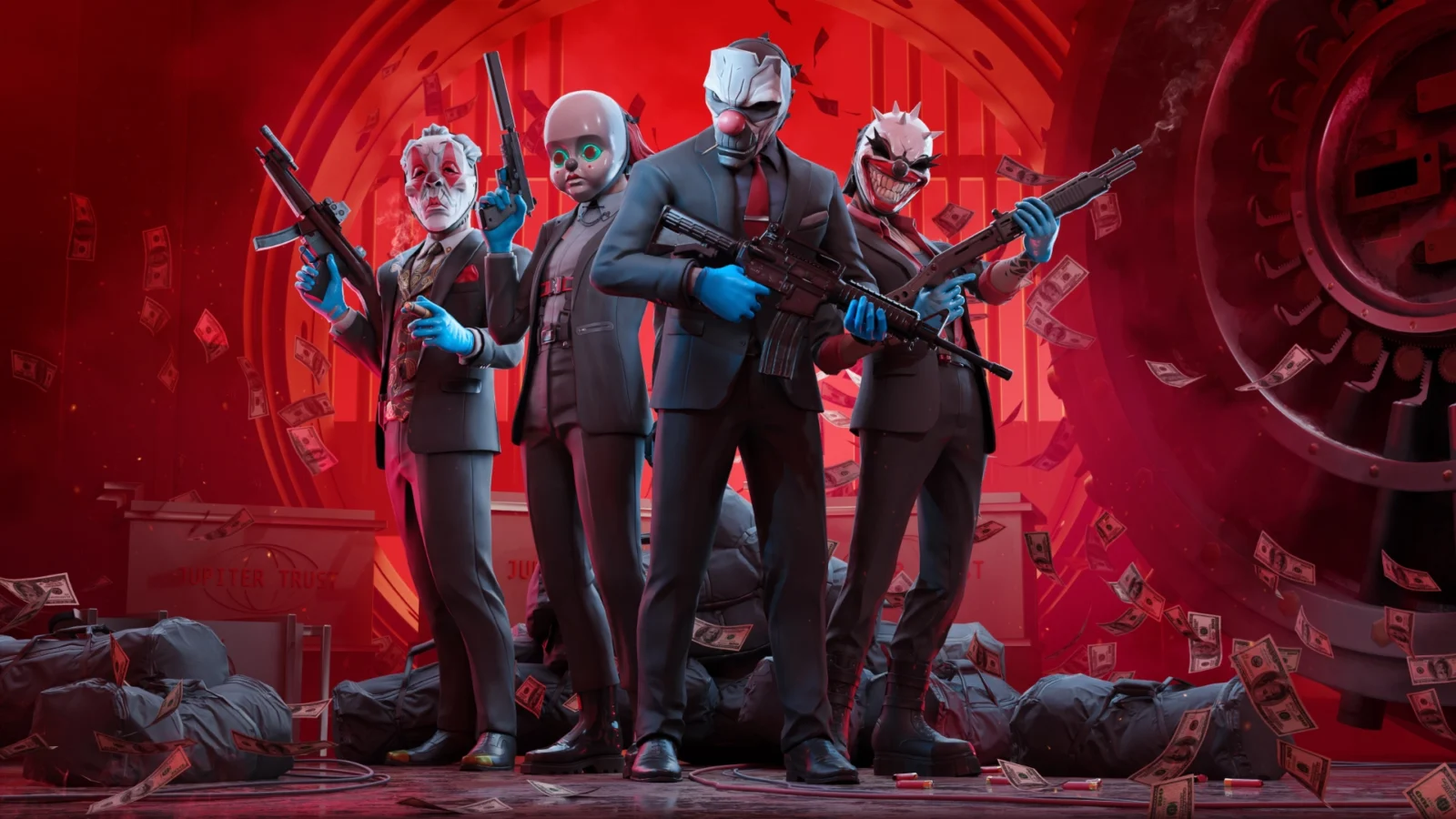
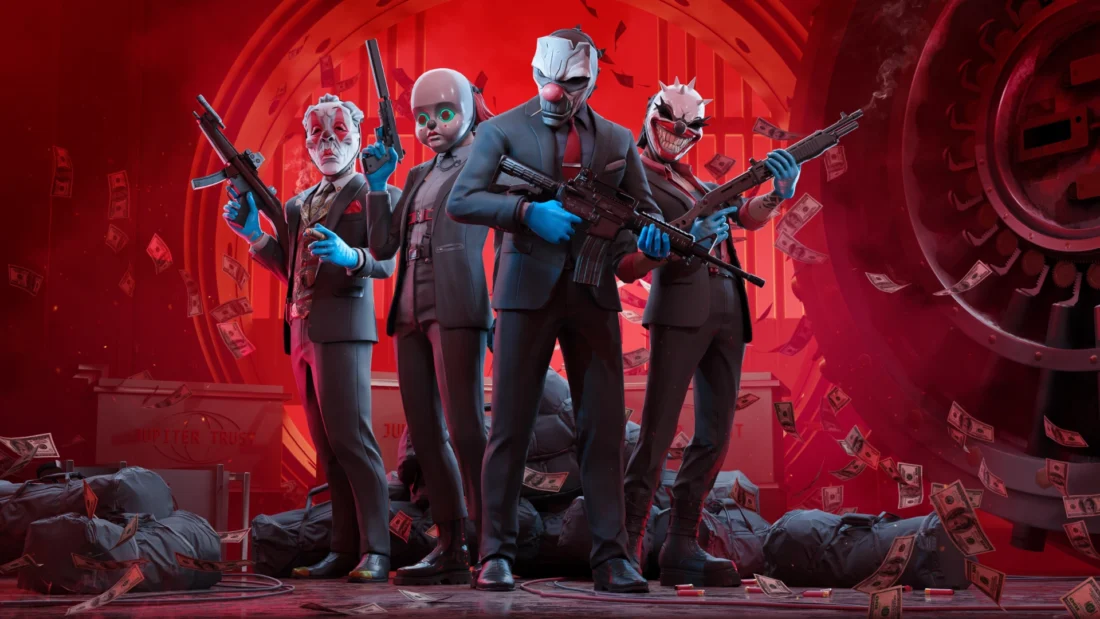
The story follows The Aces, a group of four criminals who find themselves on the wrong side of wealthy businessman Warren Jupiter. Having been framed and subsequently imprisoned, the group sets about getting even by targeting Jupiter’s considerable empire, one lucrative heist at a time. It is a straightforward revenge tale, serving primarily as a convenient excuse to move between increasingly ambitious jobs rather than anything particularly concerned with narrative complexity. Nevertheless, there is enough personality in its cast and presentation to give proceedings a little more flavour, while keeping the emphasis firmly on the business of getting in, collecting the goods and getting out.

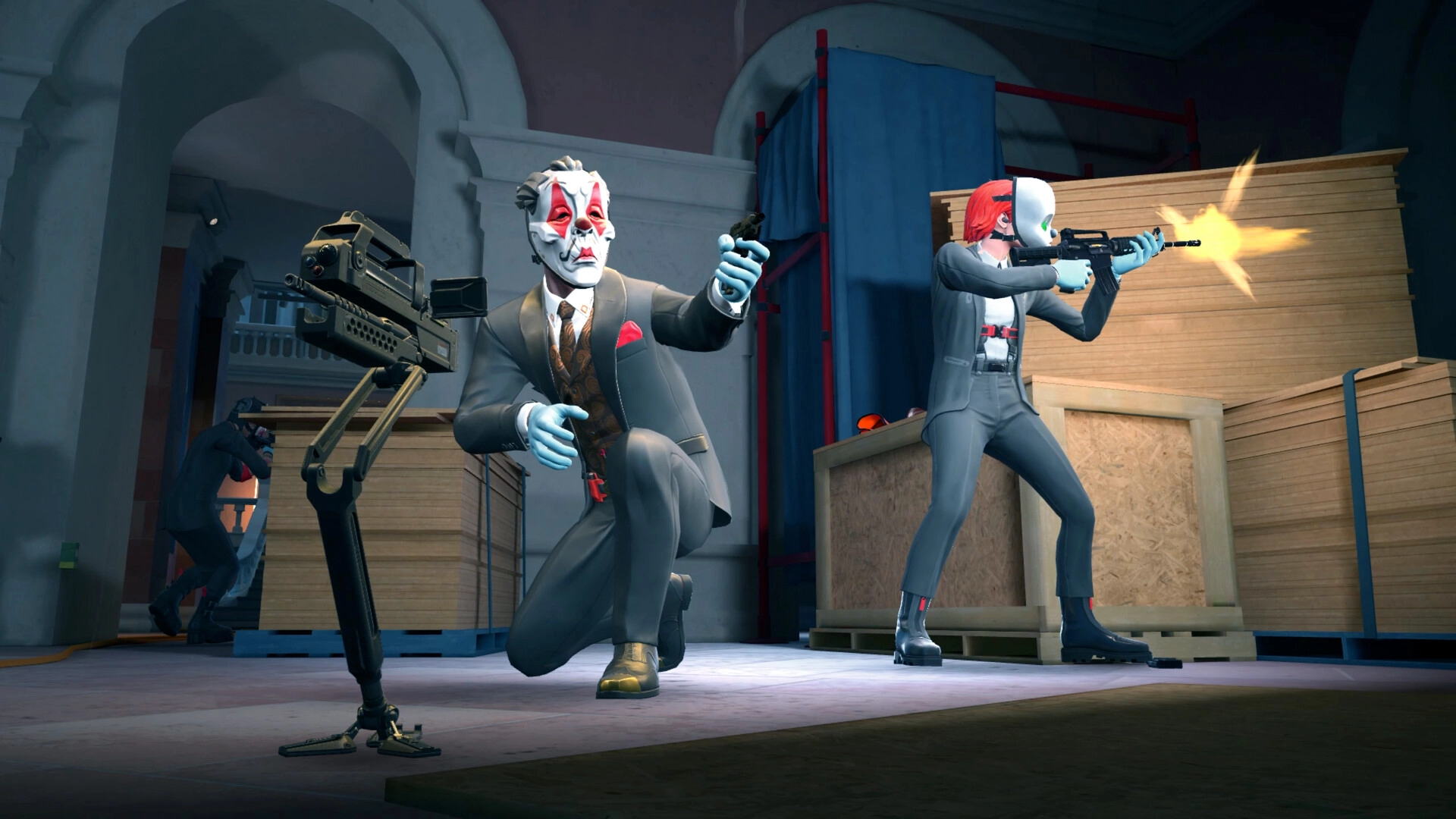
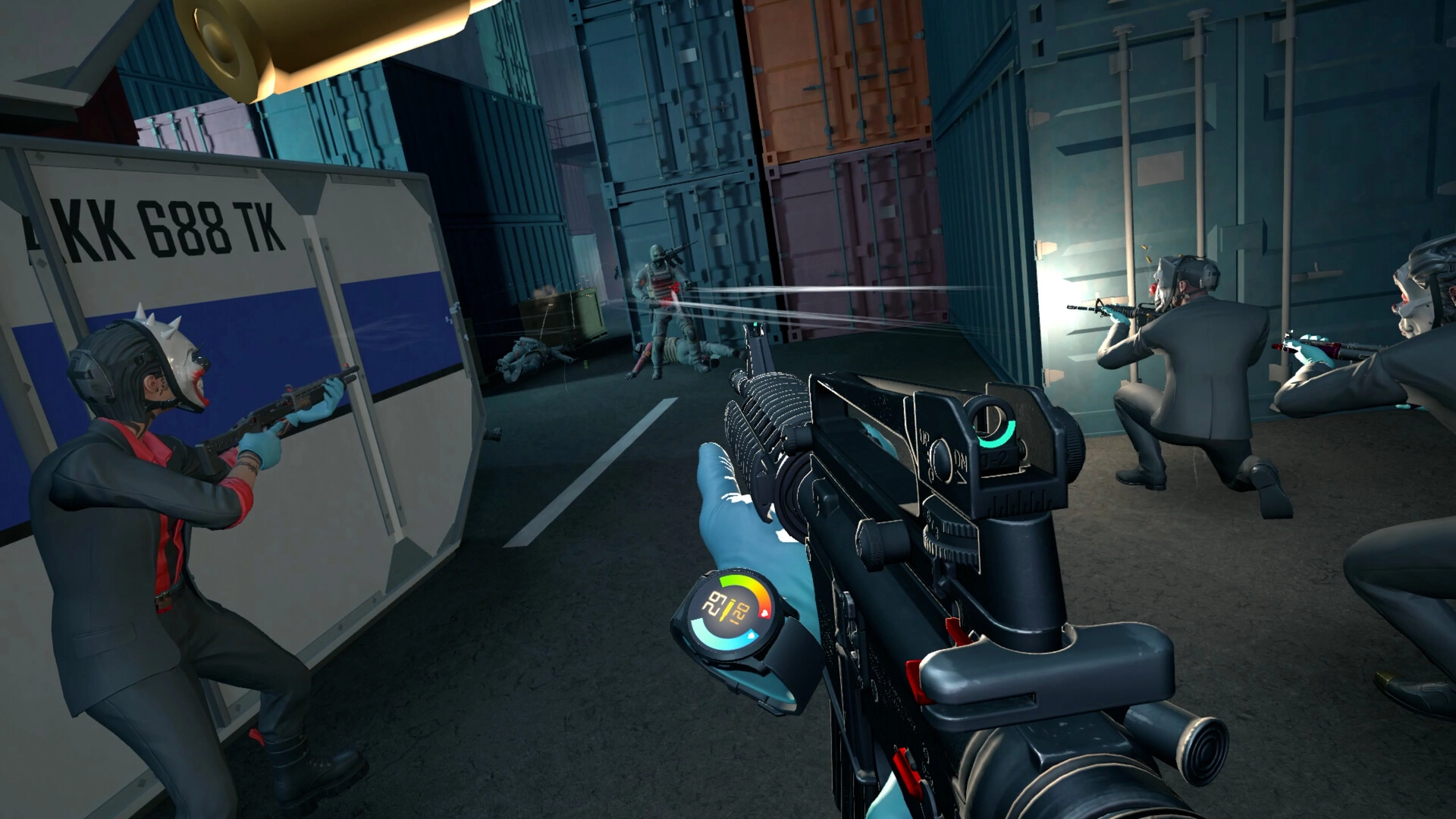
Where Aces High immediately finds its footing is in the way it translates the familiar PAYDAY formula into something that feels considerably more tactile. There is a lovely sense of ceremony to preparing for a job, gathering around the planning area, choosing equipment and deciding how best to approach the task ahead. Once inside a mission, the physicality of VR makes even relatively mundane interactions feel more involving. Operating equipment, handling valuables and interacting with the surrounding environment all contribute to a sense of participation that traditional first-person shooters can struggle to replicate. It is a welcome reminder that sometimes the smallest interactions can make the biggest difference.

That sense of involvement becomes considerably more entertaining once everything inevitably starts going wrong. Although there are opportunities to approach certain objectives with a little more subtlety, maintaining that composure is easier said than done, and missions have a habit of descending into wonderfully chaotic encounters. The ability to physically interact with your surroundings gives the action an immediacy that works particularly well when things become hectic, while the various objectives provide enough variety to prevent every job from feeling entirely interchangeable. There is also a satisfying progression system underpinning everything, giving you plenty of reasons to return, improve your capabilities and experiment with different equipment. It is at its best when played cooperatively, where communication and a little improvisation can turn an otherwise disastrous situation into a memorable success.

However, not everything comes together quite as elegantly as it might. The experience can occasionally feel a little predictable, particularly when missions begin to follow familiar patterns and encounters start to lose some of their initial excitement. Enemy behaviour can also be underwhelming, with the artificial intelligence lacking the personality and responsiveness that would make these situations feel more convincing. Stealth, meanwhile, never quite reaches the same heights as the more action-oriented approach, and there are moments when the game seems almost eager to abandon any pretence of subtlety. These shortcomings do little to undermine the fundamental enjoyment of the experience, but they do prevent its various systems from feeling quite as sophisticated as the premise deserves.

Visually, Aces High makes a rather impressive first impression, with its environments providing a convincing backdrop for the various criminal escapades. Banks, museums and other locations have a pleasing sense of scale, while the attention given to individual surroundings helps establish a believable space to inhabit. More importantly, the VR perspective allows these environments to feel like places rather than simply backdrops, with the opportunity to look around and interact with the objects occupying them adding considerably to their appeal. There is a pleasing amount of detail throughout, and the presentation does a good job of maintaining the spectacle without overwhelming the experience.

It is particularly encouraging to see how well the game comes together on PC VR. The additional visual fidelity gives its environments a welcome degree of clarity, allowing the finer details of its locations and surrounding scenery to come through without sacrificing the sense of immediacy that makes the experience so enjoyable. Lighting, reflections and environmental effects all contribute to an attractive presentation, while the overall image feels suitably crisp and polished. It is the sort of game that benefits enormously from being experienced in a headset, where its environments can be properly appreciated rather than simply observed through a traditional screen. While the visual differences between platforms are not necessarily transformative, the PC version makes a strong case for itself as the most impressive way to experience the game.

Sound plays an equally important role in bringing these elaborate escapades to life. The familiar musical cues, environmental ambience and general commotion of a heist provide an effective backdrop to the action, while the voice performances give the characters enough personality to make their presence felt. There is a satisfying weight to the overall sound design, particularly when a carefully organised job begins to unravel and the surrounding environment fills with noise and confusion. It all contributes to the sensation of being caught up in something considerably bigger than yourself, rather than simply completing another series of objectives. There are occasional rough edges, but the audio presentation remains an important part of what makes the experience so involving.

Comfort

8
Verdict
Summary

PAYDAY: Aces High is a thoroughly enjoyable return to a familiar world, and one that demonstrates just how naturally the series' established formula lends itself to virtual reality. Its strongest moments come from the physicality of its interactions and the unpredictable entertainment of working alongside others, while its impressive presentation, particularly on PC VR, makes each new location a pleasure to explore. There are frustrations along the way, and its occasionally repetitive encounters and underwhelming artificial intelligence leave room for improvement, but these are relatively small blemishes on an otherwise rewarding experience. Having previously enjoyed the novelty of PAYDAY 2 VR, it is particularly satisfying to see the series receive a proper ground-up VR treatment. Aces High might not reinvent the heist, but it makes a convincing argument that there is still plenty of life left in the getaway.

Related Articles

Lone Echo Retrospective Review—A Signal in the Dark

I came back to Lone Echo in 2026 for a slightly dispiriting...

Gunman Contracts – Stand Alone Early Access Review—A Contract Worth Taking

I have a soft spot for Gunman Contracts. I spent a lot...

Knights of Fiona Review—A Knight’s Journey That Never Quite Begins

There is something immediately comforting about returning to CharacterBank's worlds. I have...

3
PCVR

LANESPLIT (VR) Review—An Upgrade That Feels Like a Step Back

After a successful launch of its flatscreen version that received a warm...