Nintendo Switch

Kalanoro Review—A Little Band of Hope

I had already decided what sort of game Kalanoro was before I played it. The colours were bright, the characters were small and expressive, and its world seemed to operate according to that particular cartoon logic in which a witch can threaten an entire kingdom and the appropriate response is to hit something with a slipper. I expected a children’s platformer, and I was right. But there is a difference between being childish and being childlike, and Kalanoro is at its best when it embraces the latter. It looks at adventure through uncomplicated eyes: the world is troubled, friends are scattered, music can bring people together, and somewhere along the way a sufficiently determined little person might be able to put things right. It is an old-fashioned sort of optimism, and Kalanoro wears it without embarrassment.

Release Date: September 24th 2026
Developer: Red Raketa Studio
Publisher: New Tales
Price: £16.99 / $19.99 USD
Reviewed On: Nintendo Switch 2
* Access Provided For Review *

More Details

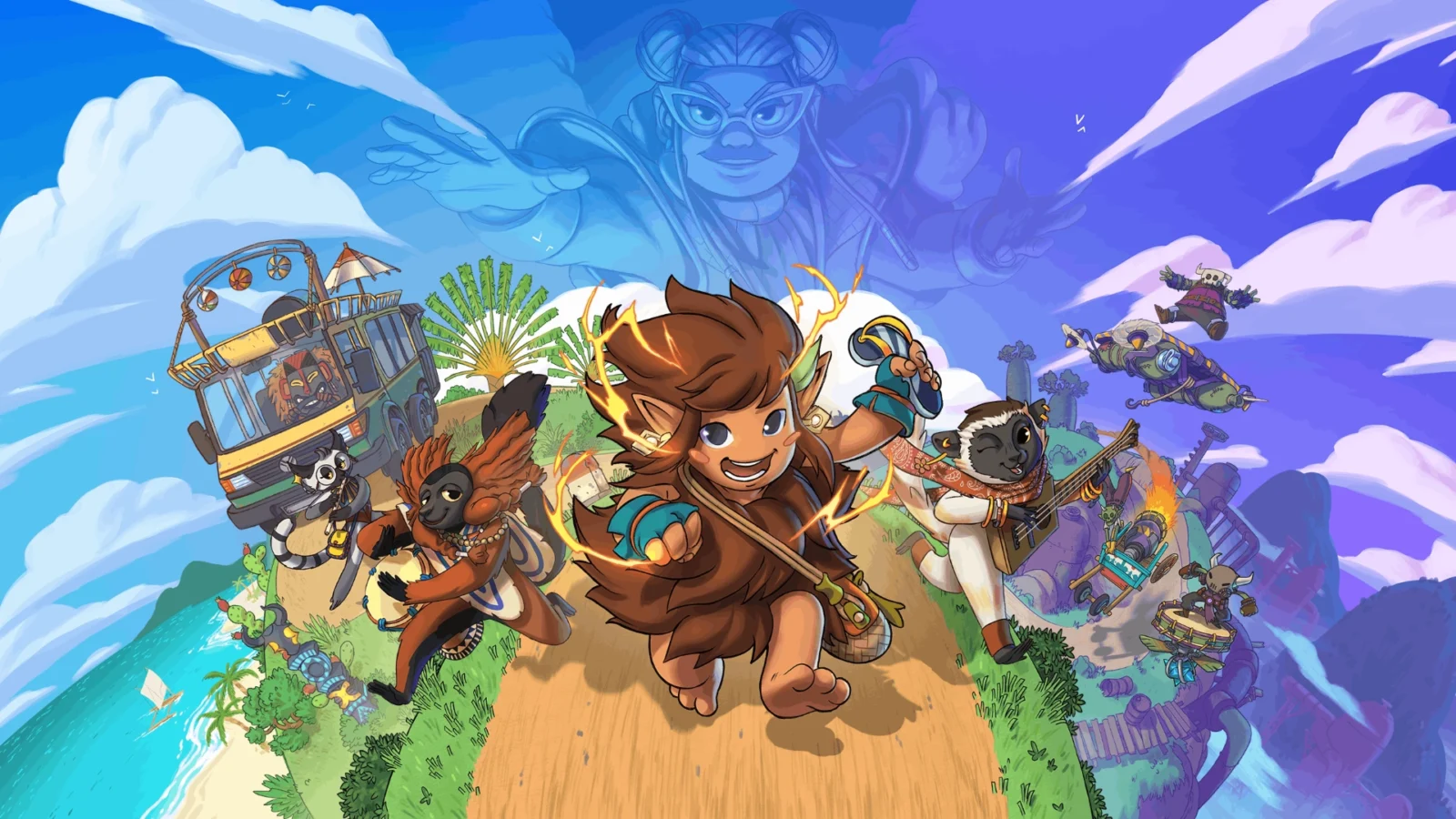
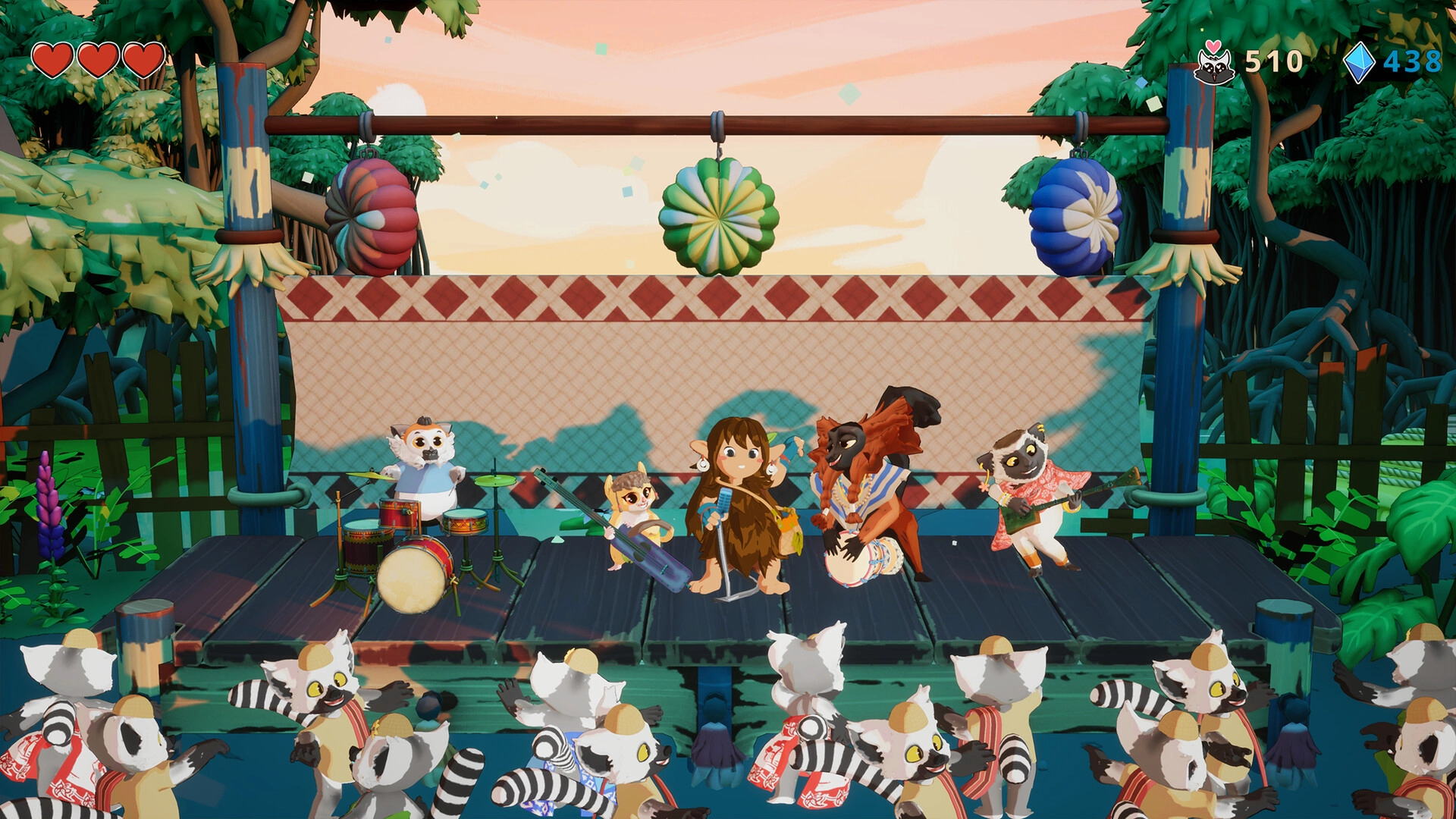
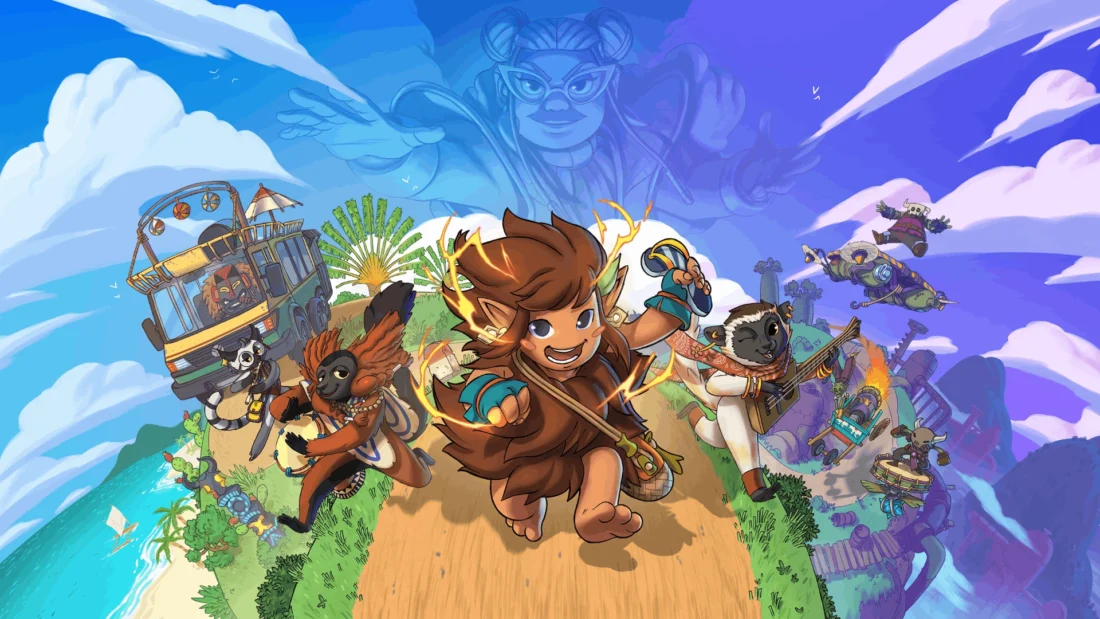
The story begins with Kalakely, a tiny Kalanoro whose encounter with prophecy leaves her with the rather inconvenient responsibility of opposing Raneny, a witch who has taken control of Lemuria. The answer is not, as you might expect, a sword or an ancient weapon, but a band. Kalakely travels across the land gathering musicians, winning support and gradually building the popularity required to reach Raneny’s grand concert. It is a wonderfully literal piece of storytelling. Tyranny is met with music; isolation is answered with companionship; the solution to a great evil is, essentially, to get everyone in the same room. There is little interest here in political complexity or moral ambiguity, but there is a warmth to the simplicity. Kalanoro understands that a children’s story needn’t be embarrassed by the idea that friendship is a meaningful force. Sometimes the most sincere stories are the ones that simply believe their own premise.

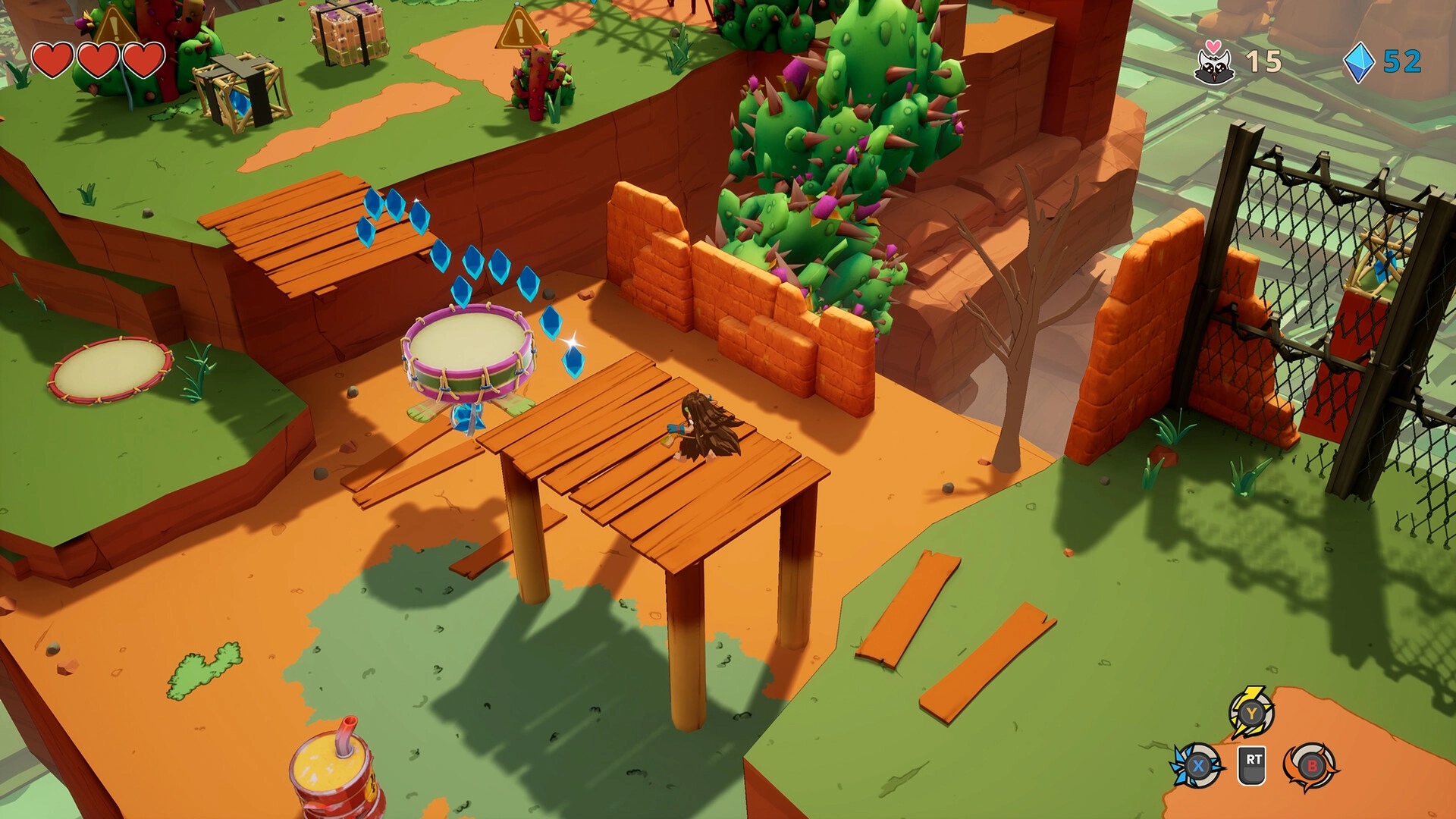
Much of the adventure is spent moving through Lemuria, and Kalakely is an agreeable companion for the journey. Her jumps, double-jumps and air dashes give movement a gentle rhythm, allowing you to drift between platforms and hazards rather than demanding the sort of precision that turns a platformer into an examination. There are traps to negotiate and gaps to cross, but failure rarely feels punitive. You fall, you try again, and the world waits patiently on the other side. That patience is characteristic of Kalanoro as a whole. It does not seem especially interested in measuring you against its challenges. Instead, it wants you to keep moving, to see the next patch of landscape, meet the next strange character and discover what waits around the next bend.

Combat adds a little more friction to this otherwise leisurely journey, although even here Kalanoro is reluctant to become serious. Kalakely’s hair is as useful as any conventional weapon, while the objects she picks up along the way have the pleasing indignity of things that were never intended for violence in the first place. Hammers, signs and other assorted bits of everyday life become instruments of cartoon destruction. There is something satisfying about the physicality of it, particularly when movement and attacks blur together and Kalakely darts around an enemy before closing in for a hit. The system doesn’t develop into anything particularly deep, however. Encounters are more concerned with keeping the adventure lively than testing your mastery, and while larger enemies offer some welcome variation, Kalanoro never quite discovers the thrill of making you work for a victory.

Then there is the bus, which might be the game’s most revealing invention. It follows you through Lemuria like a little pocket of civilisation, carrying the musicians you’ve gathered and providing somewhere to look after them between excursions. You recruit new band members, tend to their needs and build your popularity through the various activities scattered throughout the world. It is a management system, but a deliberately soft one; less about optimising a machine than making sure your travelling companions are happy enough to keep the music playing. The concept is charming because it turns progression into something communal. You aren’t merely making Kalakely stronger. You are making the band bigger, louder and more capable of carrying its message further.

That idea gives Kalanoro’s otherwise familiar progression a little more personality. There is always another musician to find, another improvement to make, another reason to head back out into the world. The familiar compulsion of the platformer — the quiet promise that perhaps one more excursion will uncover something useful — is present, but it has been softened into something almost cosy. Even so, the management elements don’t always possess enough depth to support the weight placed upon them. Some activities begin to feel like errands rather than discoveries, and the systems surrounding the bus can occasionally resemble a collection of pleasant distractions rather than a fully realised management game. Kalanoro has good ideas here; it simply doesn’t always know how far to take them.

Perhaps that is why the game’s presentation matters so much. Lemuria is a place built from colour and exaggeration, its environments less interested in convincing you that they could exist than in persuading you that they would be fun to visit. The landscapes have a storybook quality, while the characters inhabit them with the elastic expressions and broad gestures of Saturday-morning cartoons. Yet beneath that familiar visual language is something more distinctive: the game’s Malagasy influences give the world a cultural texture that separates it from the many platformers content to assemble the same handful of fantasy ingredients and call it somewhere new. Kalanoro is bright, but it isn’t anonymous.

There is an appealing roughness to its visual personality, too. Characters don’t always move with the immaculate smoothness of a larger production, and environments occasionally reveal the seams of their construction, but these imperfections rarely work against the game’s intentions. If anything, they suit its sense of being a small adventure made with enthusiasm rather than a great machine designed to impress you. Kalanoro has the visual confidence to be silly when it wants to be silly. A character can pull a ridiculous expression, an ordinary object can become a weapon, and a supposedly momentous encounter can collapse into a joke without the game feeling the need to explain itself. It trusts the tone.

The same affection for older games can be heard in the way Kalanoro handles its dialogue. Rather than giving every line the full weight of spoken performance, conversations often arrive as text, with characters punctuating their words with little vocal noises while you read along. It is a small, almost forgotten pleasure: the old platformer convention of letting the player supply the voice, filling in the spaces between the chirps and murmurs with their own imagination. The music is more expansive, naturally, because music is the point. Its melodies follow the game from the quieter business of travelling and managing the band into the brighter energy of combat and performance, giving the adventure a sense of continuity that the individual mechanics sometimes lack. When everything else feels like a collection of pleasant ideas, the music reminds you that these ideas are supposed to belong together.

7
Verdict
Summary

Kalanoro is therefore a difficult game to dislike, even when it is easy to imagine how it might have been better. Its platforming is gentle, its combat uncomplicated, and its management systems never quite grow into the deeper game their premise suggests. But there is something quietly valuable in its refusal to make those shortcomings feel like failures of ambition. Kalanoro knows what it wants to be: a colourful, good-natured adventure in which a little hero gathers scattered animals together and discovers that there is strength in the gathering. It is not a game that will ask much of you, nor one that will leave particularly deep scars on the memory. But there is a sweetness to travelling its roads, hearing its characters chatter away as you read the text, and watching that improbable little band gradually take shape. Kalanoro doesn't reinvent the platformer. It simply remembers why someone might have loved one in the first place.


Related Articles

1000xRESIST Nintendo Switch 2 Edition Review—A Strange Kind of Immortality

There are games that tell you a story, and then there are...

LEGO® Party! Review—More Than The Sum Of Its Bricks

Party games have always thrived on company. They're built around laughter that...

Deathbulge: Battle of the Bands Review—A Quirky RPG That Hits the Right Notes

How many times have you accepted a terms and conditions without reading...