Nintendo Switch

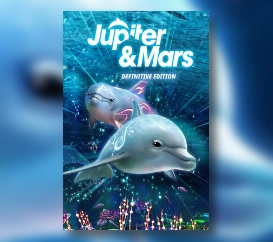
Jupiter & Mars: Definitive Edition Review—Plenty of Ocean, Little to Explore

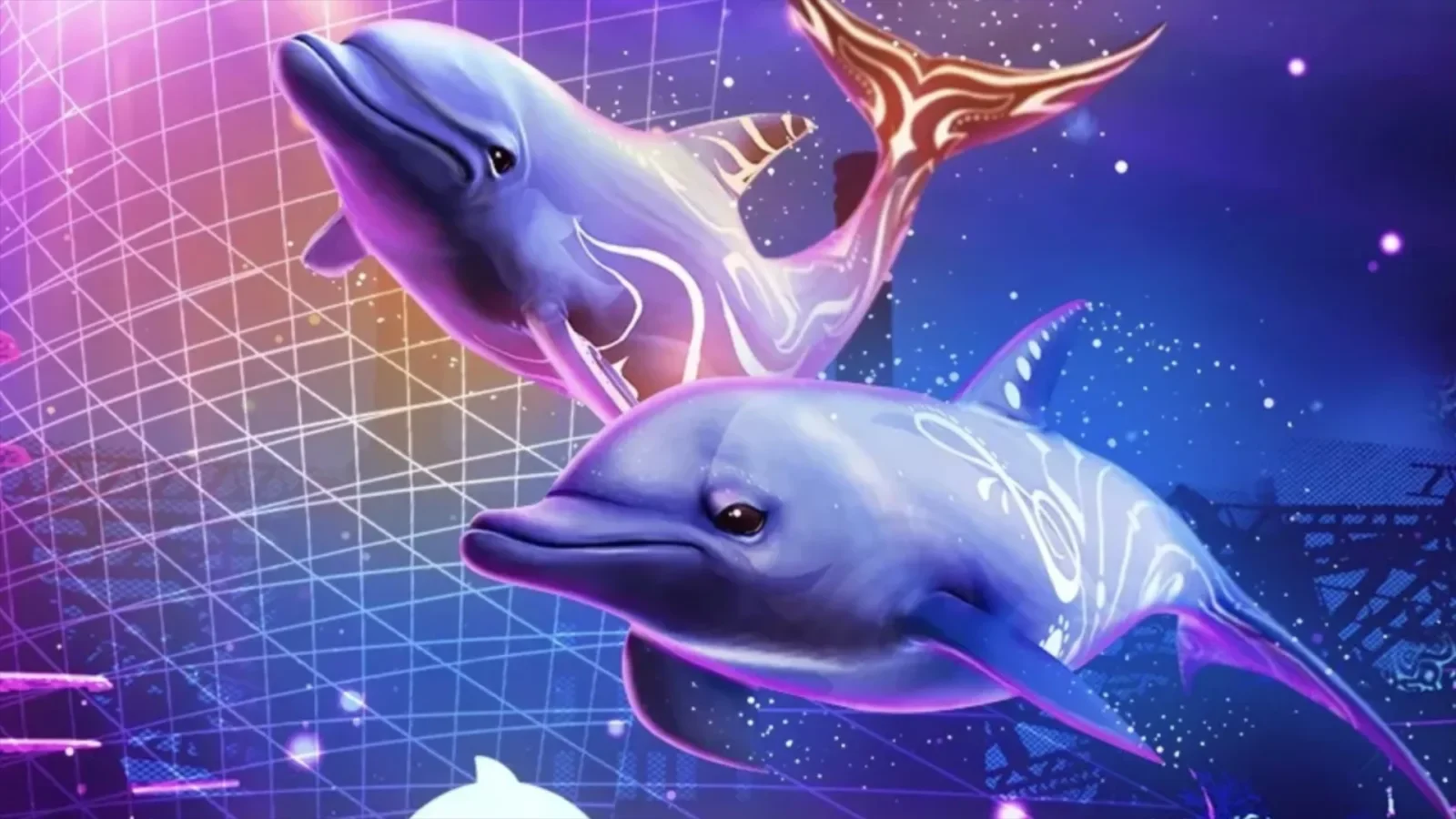
Some games leave an impression long after the credits have rolled, while others seem to slip away almost as soon as you put the controller down. Jupiter & Mars has always felt like the latter to me. When I first played it on PlayStation VR at launch, I was taken by the novelty of inhabiting an underwater world as a dolphin, gliding through vast stretches of ocean in a way that felt particularly suited to virtual reality. Yet for all its initial appeal, the experience never quite took hold of my imagination. The ocean was beautiful, the premise intriguing, but something about the adventure itself proved difficult to hold on to. Returning to it now on Nintendo Switch 2, through its Definitive Edition, offers an opportunity to revisit a game whose ambitions remain admirable, even if the intervening years have done little to sharpen its more elusive qualities.

Release Date: September 10th 2026
Developer: Tigertron
Publisher: Tigertron
Price: £17.99 / $19.99 USD
Reviewed On: Nintendo Switch 2
* Access Provided For Review *

More Details

Those ambitions become apparent in a future where humanity has disappeared, leaving the natural world to contend with the consequences of its former inhabitants. As Jupiter, accompanied by her companion Mars, you explore an ocean transformed by rising waters, abandoned machinery and the remnants of a civilisation that has left its home in disrepair. Their journey is one of restoration, confronting the lingering threats to marine life while attempting to bring some semblance of balance back to the world. There is a melancholy simplicity to this premise, with the submerged remains of human industry serving as a reminder of what has been lost and what might still be saved. Rather than pursuing an especially intricate narrative, however, the game allows its environmental message to do most of the talking. The result is sincere, if somewhat thin, with its characters and events rarely developing enough to give the journey the emotional weight its subject matter suggests.

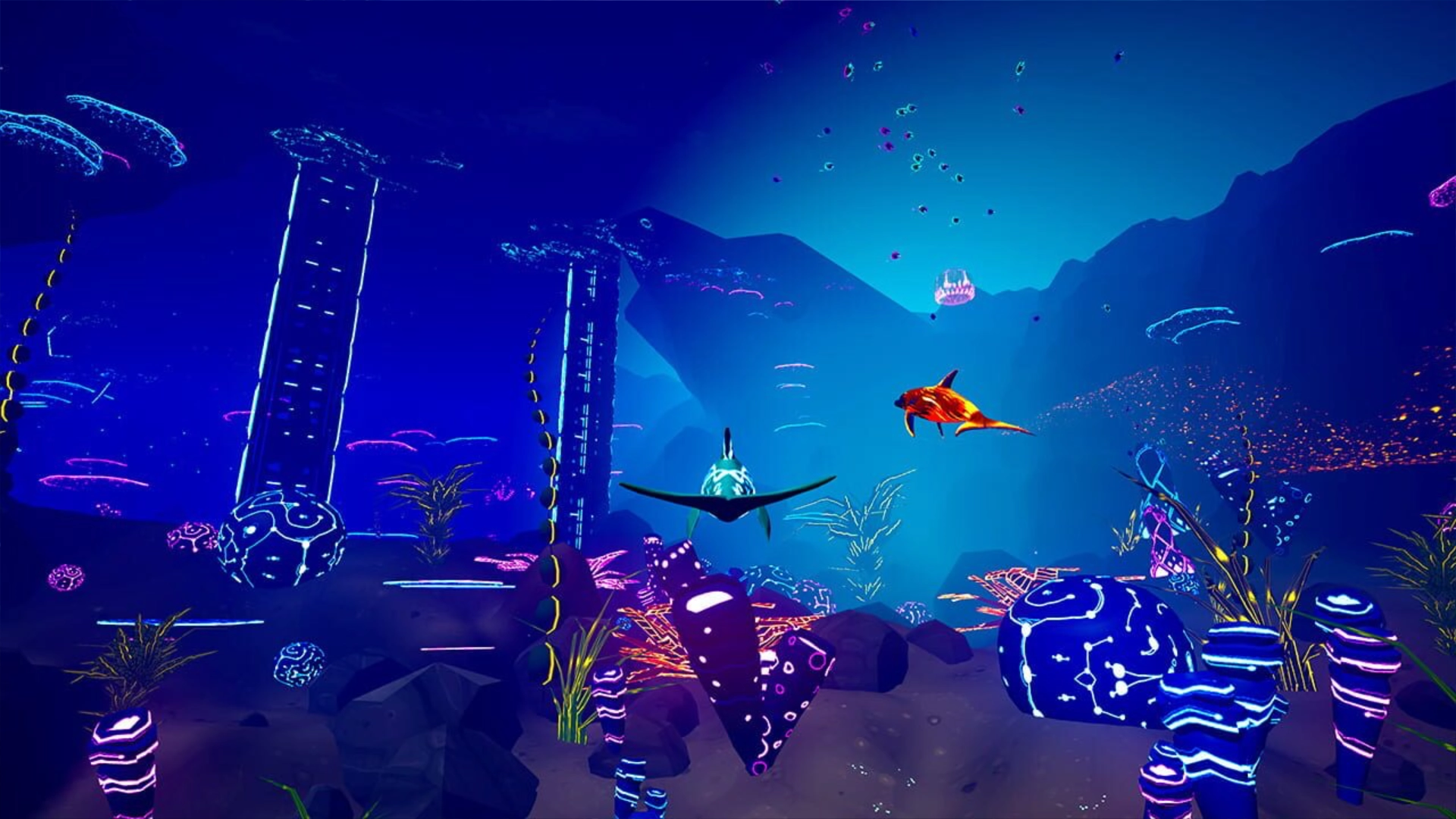
That emphasis on atmosphere carries naturally into the act of exploration, where swimming becomes the game’s defining pleasure. Jupiter glides through the water with an appealing sense of freedom, diving beneath rocky outcrops, rising towards the surface and weaving through submerged structures that would be impossible to navigate on land. Echolocation adds a distinctive flourish to this movement, sending out pulses that reveal hidden objects and features of the surrounding environment. It is an elegant idea, encouraging you to experience the ocean through something closer to a dolphin’s senses than those of a conventional adventurer. For a while, simply moving through these spaces is enough to sustain interest, particularly when the ruins of the human world emerge from the blue. Yet the pleasure of discovery gradually gives way to a more familiar routine, as the freedom of swimming becomes increasingly tied to a succession of straightforward objectives.

As the adventure progresses, new abilities provide access to previously unreachable areas, lending the journey a loose Metroidvania structure. Returning to familiar locations with fresh ways of interacting with the environment offers occasional satisfaction, while Mars’s involvement introduces a cooperative element to certain obstacles and reinforces the relationship between the two dolphins. There is a pleasing logic to this gradual expansion of your capabilities, and the promise of discovering something hidden beyond an earlier barrier gives exploration a little more purpose. Unfortunately, the systems rarely become complicated enough to make that progress feel particularly transformative. Puzzles tend to be uncomplicated, and the solutions seldom require much experimentation or lateral thinking. Although the game gestures towards a world filled with secrets, those secrets rarely prove substantial enough to reward the curiosity it initially inspires.

Consequently, the rhythm of play begins to feel more repetitive than meditative. Searching for hidden objects, interacting with marine life and clearing obstacles provide reasons to keep moving, while occasional encounters offer brief interruptions to the otherwise tranquil proceedings. These activities are perfectly serviceable in isolation, but they seldom build towards anything particularly memorable, and one modest task too often feels indistinguishable from the next. There is an understandable desire to make the experience gentle and accessible, allowing players to drift through the ocean without the pressure of demanding combat or elaborate puzzles. Still, tranquillity needs a sense of purpose to sustain it, and Jupiter & Mars struggles to provide one consistently. What begins as an invitation to lose yourself in an unfamiliar world gradually becomes a series of errands, leaving the player to wonder whether the journey has anything more substantial to offer.

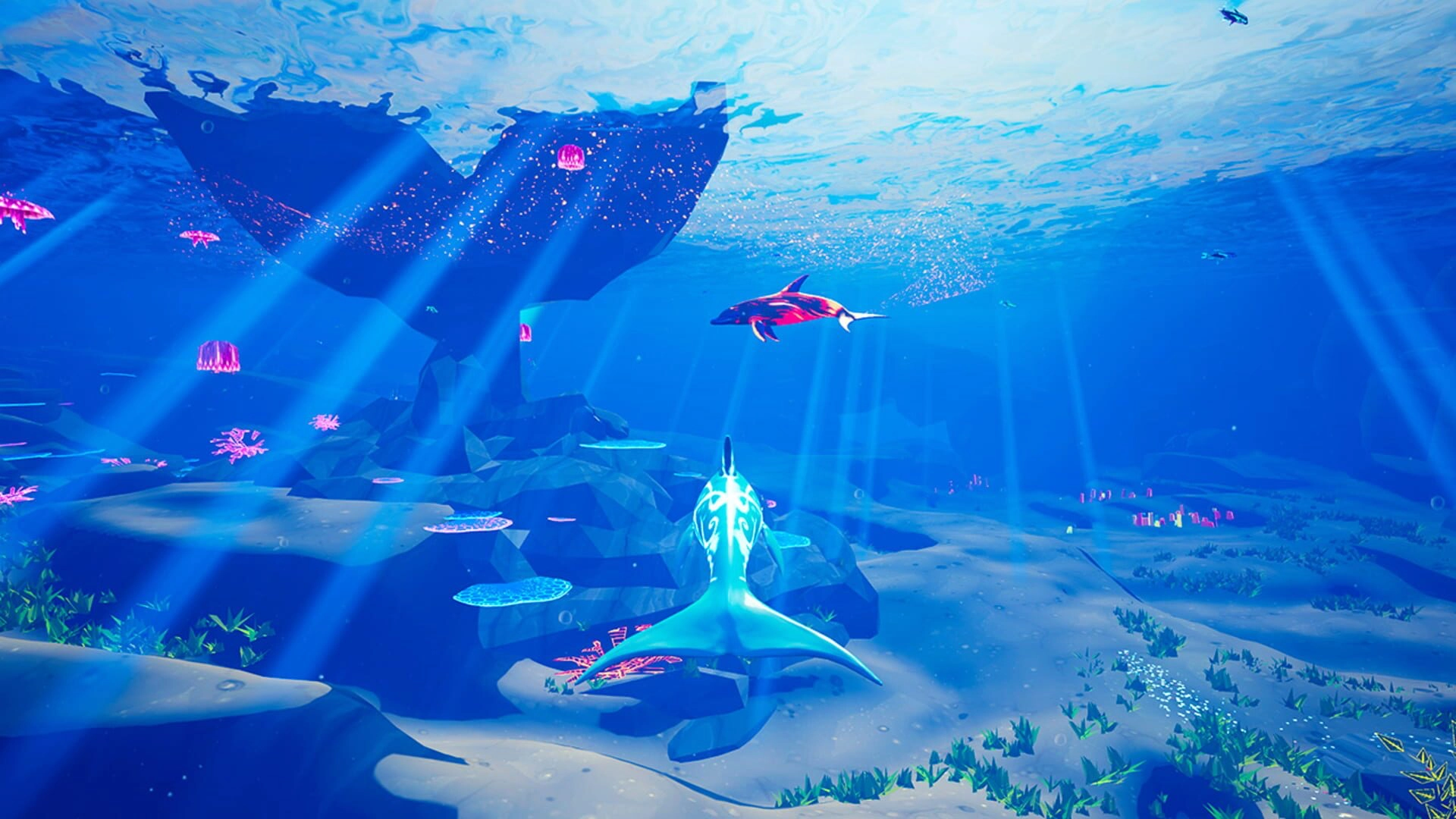
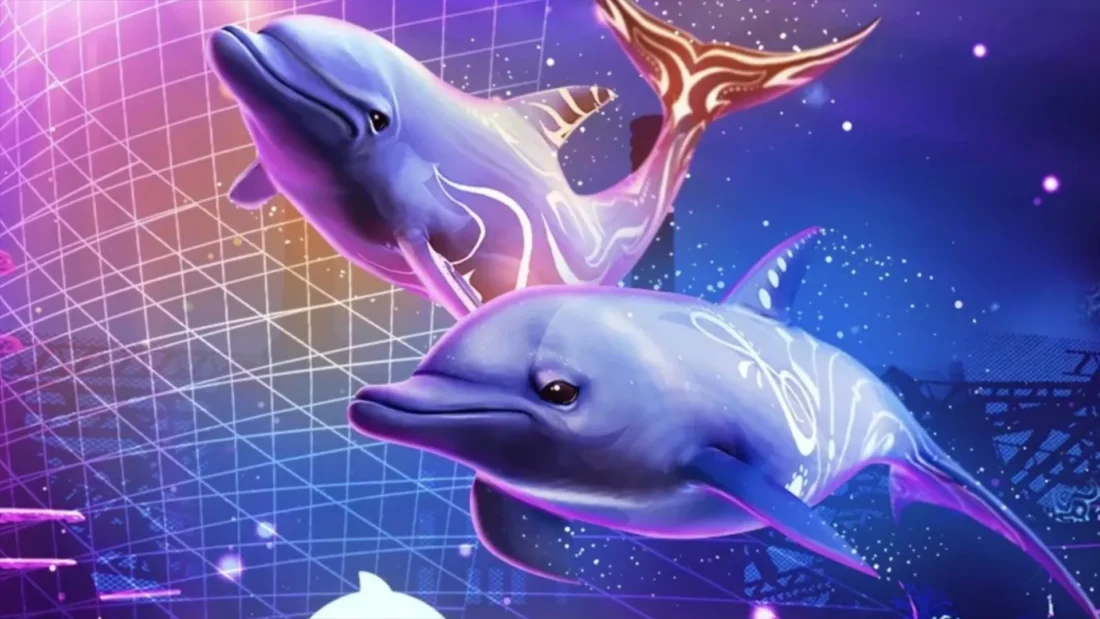
Fortunately, the Definitive Edition makes a meaningful change to how that journey is experienced, replacing the original’s VR-centred presentation with a third-person perspective better suited to a conventional screen. Seeing Jupiter and Mars within the same frame gives their partnership a more tangible presence, while the camera provides a clearer sense of the surrounding environment and the routes through it. The movement feels less like an experience designed around the novelty of virtual reality and more like a traditional adventure, making it easier to settle into the game’s quieter passages. There is something to be said for this change in perspective, particularly given how much of the original’s appeal depended on the sensation of occupying an underwater space. Even so, a more familiar camera cannot fundamentally alter the nature of the adventure itself, and the improved accessibility does not make its underlying activities any more compelling.

What remains most striking is the art direction, which gives the ocean a quiet, occasionally haunting beauty. Coral formations and shafts of light lend the natural environments a sense of serenity, while abandoned buildings and industrial machinery interrupt that calm with reminders of humanity’s absence. These contrasts are central to the game’s identity, turning the landscape into a visual expression of its environmental concerns without requiring the narrative to spell everything out. Some locations convey an appealing sense of scale, particularly when the remains of human civilisation loom out of the surrounding water. The Definitive Edition brings visual improvements to the experience, but its strongest qualities still come from the original artistic vision rather than any technical transformation. As the environments begin to repeat themselves, however, even their most attractive features lose some of their power to surprise.

A similar reliance on atmosphere defines the soundscape, with music and ambient effects helping to give the underwater world a sense of distance and solitude. The soundtrack lends the quieter passages a wistful quality, complementing the image of an ocean left to recover from humanity’s departure, while the sounds of marine life add texture to environments that might otherwise feel strangely empty. Music often does more to communicate the game’s emotional intentions than its dialogue or interactions, creating a sense of melancholy that the story itself struggles to develop. The Definitive Edition also introduces Blue Life, a new ending theme by Japanese electronic musician Ken Ishii, providing an additional musical flourish to the conclusion. It is a welcome addition to an experience whose audiovisual elements frequently prove more evocative than the gameplay they accompany.

Taken together, these qualities reveal a persistent gap between what Jupiter & Mars wants to express and what it actually asks of the player. Its vision of an ocean living with the consequences of human activity is compelling, and the decision to explore those ideas through the movements of two dolphins gives the premise a welcome sense of perspective. Yet the limited puzzles, repetitive objectives and lightweight progression rarely allow that vision to develop into something more affecting. The game seems to understand the importance of slowing down and allowing a world to speak for itself, but it does not always give that world enough variety or substance to hold your attention. Even with the revised camera and improved presentation, the experience remains caught between the meditative exploration it aspires to deliver and the relatively conventional tasks that structure it.

5
Verdict
Summary

Returning to Jupiter & Mars years after its original release, I found much the same experience that had left me unmoved on PSVR: a game with a thoughtful premise, an attractive world and a genuine desire to say something about humanity's relationship with nature, but too little beneath the surface to make those qualities endure. The Definitive Edition makes the adventure more approachable on Nintendo Switch 2, and its audiovisual presentation retains an evocative charm, yet the changes do not address the fundamental weakness of its design. There is beauty in these digital waters, and occasionally a glimpse of the more meaningful adventure the game might have been. Too often, though, the experience drifts along without finding a compelling reason to move forward. Jupiter & Mars is easy enough to admire from a distance, but much harder to love once you dive in.


Related Articles

Kalanoro Review—A Little Band of Hope

I had already decided what sort of game Kalanoro was before I...

1000xRESIST Nintendo Switch 2 Edition Review—A Strange Kind of Immortality

There are games that tell you a story, and then there are...

LEGO® Party! Review—More Than The Sum Of Its Bricks

Party games have always thrived on company. They're built around laughter that...