Uncategorized

Dream Cage Review—Trapped Between Sleep and Waking

There is something uniquely unsettling about the idea of being trapped inside your own sleep. Sleep paralysis turns something ordinarily comforting into something uncertain, where the familiar spaces around you can become strange simply because you cannot trust your own senses. It was that premise that drew me to Dream Cage, a psychological horror game built around those uneasy moments between sleeping and waking. Its promise of experiencing that helplessness for myself is an enticing one, and the game wastes little time putting you in a bedroom where the ordinary is never quite as ordinary as it first appears.

Release Date: September 4th 2026
Developer: Hitori De Productions
Publisher: JANDUSOFT S.L.
Price: £8.99 / $10.49 USD
Reviewed On: PlayStation 5
* Access Provided For Review *

More Details

You play as Robert, a 50-year-old man whose increasingly troubled nights are shaped by insomnia, memory loss and recurring episodes of sleep paralysis. Across five nights, the boundaries between his memories and the world around him begin to loosen, introducing strange entities and unsettling anomalies into spaces that should feel familiar. The story is deliberately fragmented, asking you to piece together what is happening rather than presenting everything in a neat sequence. It is an approach that suits the subject matter, although the narrative can sometimes feel more like a collection of unsettling ideas than a fully formed mystery.

That sense of uncertainty carries naturally into the gameplay, although it isn’t always as effective there. You are placed into each night with a vague sense that something is wrong, but the game is less forthcoming about what you are actually supposed to do. At its best, this ambiguity feeds into the horror, making you question whether something has genuinely changed or whether you simply missed it. Early on, though, it can feel less like deliberate confusion and more like the game withholding information you need to understand its rules.

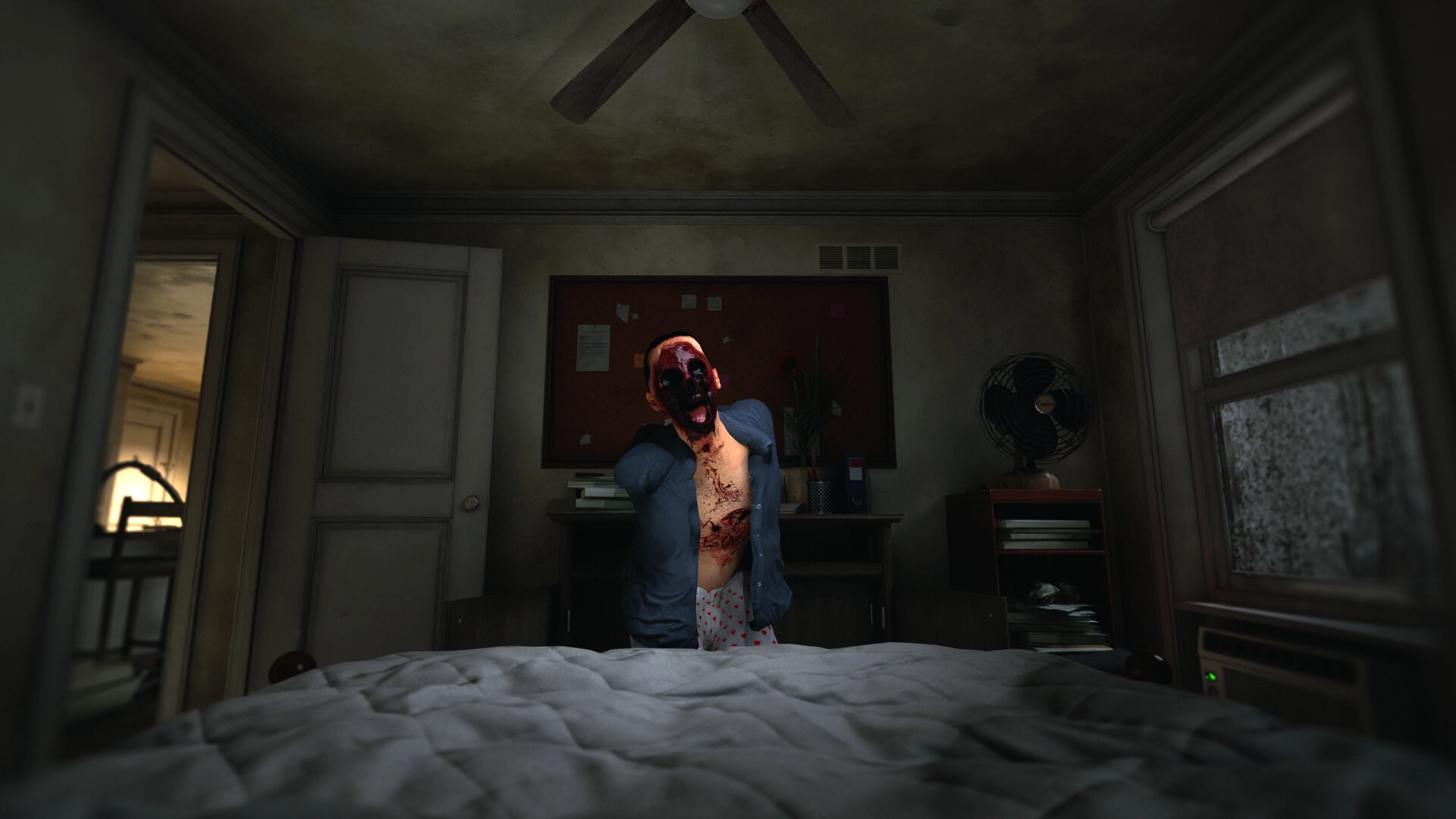
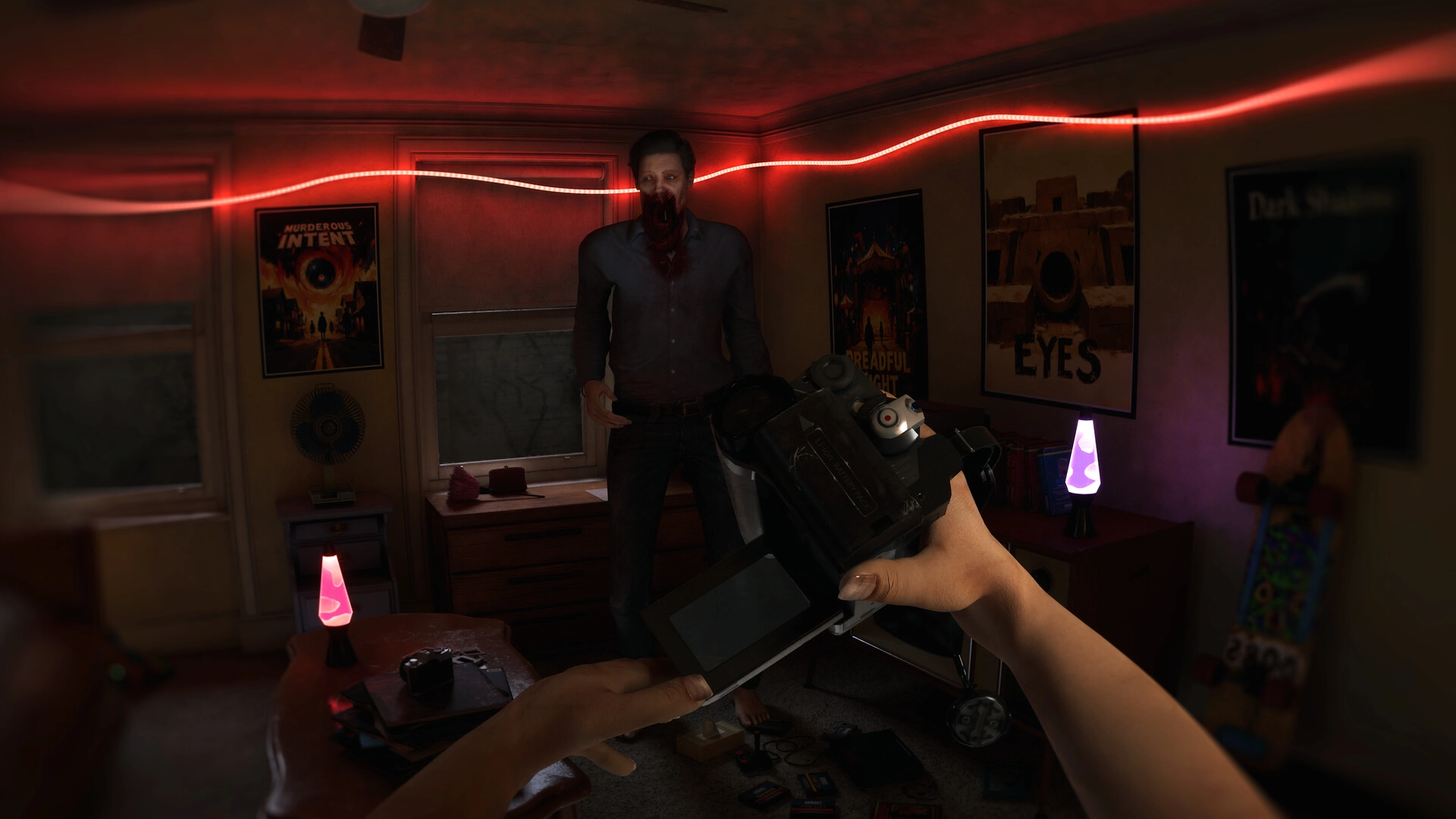
Much of the experience revolves around observing your surroundings and identifying anomalies. A room might look exactly as it did moments before, only for a detail to have shifted somewhere in the corner of your vision. Doors, objects and familiar pieces of furniture become things to scrutinise, encouraging you to develop the habit of looking twice at everything. There is a pleasing simplicity to this, particularly when you catch a change without being prompted, and for a while the game makes you feel as though you are learning to see the world in the same uneasy way Robert does.

Unfortunately, missing something often means starting again, and the number of restarts can become annoying. What begins as a clever way of building tension gradually loses some of its impact when you find yourself repeating sections simply because you failed to notice one small alteration. Repetition is an understandable part of the design, but the more often you have to retrace your steps, the less mysterious those familiar rooms become. The game wants you to be afraid of what might have changed; eventually, you can find yourself more frustrated by what hasn’t.

There are still moments when the structure works beautifully. Each night introduces its own variations on the formula, and the gradual accumulation of strange occurrences gives Dream Cage a sense of escalation without needing to constantly throw something at you. The best moments come when the game trusts you to notice something wrong rather than announcing it, turning a mundane bedroom into a puzzle that you instinctively start picking apart. It is an effective idea, even if the execution occasionally makes the process feel more laborious than mysterious.

Visually, Dream Cage understands that horror doesn’t always need a grand stage. Its environments are deliberately mundane, with bedrooms, corridors and domestic spaces providing the backdrop for things that feel increasingly out of place. That contrast does much of the work. A familiar object becoming subtly wrong is often more unsettling than something overtly monstrous, and the game’s restrained presentation gives those small disturbances room to breathe.

Sound becomes just as important in creating that atmosphere. Quiet stretches of ambient noise allow the occasional interruption to feel significant, while footsteps and other environmental sounds make empty spaces feel less empty than they should. The use of the microphone is particularly effective, giving the game another way to blur the boundary between what is happening on screen and what is happening around you. It is a simple trick, but one that adds an extra layer of vulnerability to an experience already built around the idea of losing control of your surroundings.

There is an appealing roughness to the presentation, too. Dream Cage isn’t always interested in making its horror elaborate or cinematic; instead, it relies on repetition, silence and small visual changes to create its atmosphere. When everything comes together, that restraint works in its favour. The trouble is that the same simplicity can make the experience feel thinner than its premise suggests, particularly when repeated attempts begin to expose the mechanics underneath the nightmare.

5
Verdict
Summary

Ultimately, Dream Cage has a strong central idea and understands why sleep paralysis is such an effective foundation for horror. Its best moments come from making ordinary spaces feel subtly wrong, encouraging you to distrust details that would normally pass unnoticed. But the uncertainty around what to do, combined with the repeated restarts, can gradually undermine that sense of unease. There is a compelling game hiding within its five nights, and when Dream Cage allows its atmosphere and sound to take over, it can be genuinely unnerving. Too often, though, the mechanics remind you that you're searching a game rather than wandering through a nightmare.