PlayStation

Planet of Lana II: Children of the Leaf Review—The Things We Say Without Words

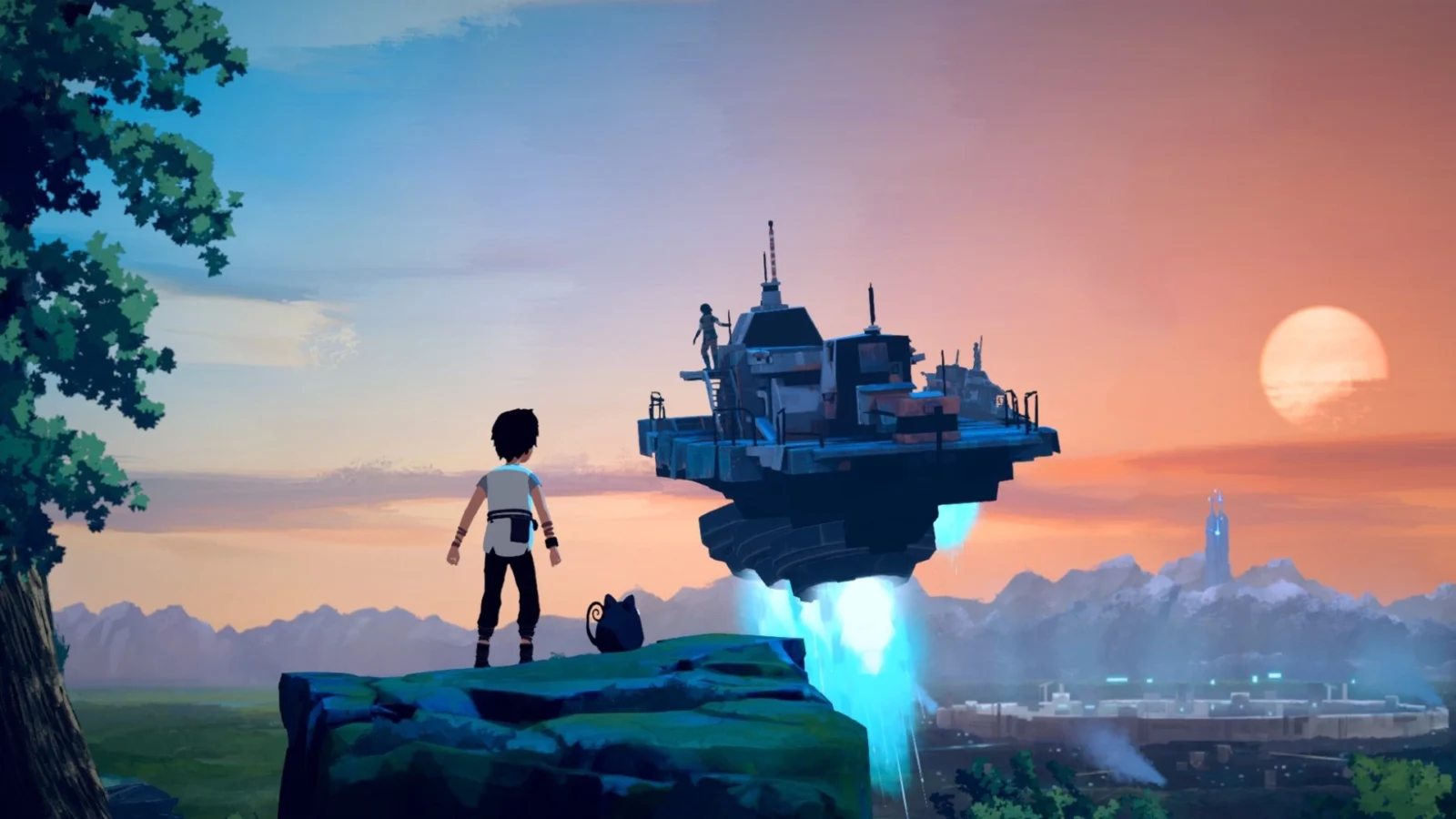
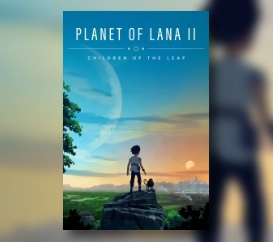
There is something rather lovely about the prospect of an adventure that seems content to take its time. It was the painterly art style of Planet of Lana II that first caught my attention, with its soft colours, beautifully illustrated landscapes and almost storybook sensibilities offering an appealing alternative to the more bombastic adventures that so often dominate the genre. There is an equally inviting sense of tranquillity to its presentation, suggesting an experience more concerned with atmosphere, gentle exploration and quiet discovery than constant excitement. It is an aesthetic that immediately draws you in, promising a little breathing room and the opportunity to simply lose yourself in the beauty of its world.

Release Date: March 5th 2026
Developer: Wishfully
Publisher: Thunderful Publishing
Price: £15.99/ $19.99 USD
Reviewed On: PlayStation 5
* Access Provided For Review *

More Details

Taking place some time after the events of the original, Planet of Lana II once again follows Lana and her ever-faithful companion Mui as they venture beyond the familiarity of their home. The arrival of a new technologically advanced tribe threatens the delicate relationship between civilisation and nature, with their increasingly destructive ambitions bringing consequences for the people and creatures inhabiting Novo. When a personal tragedy gives Lana reason to leave home, what begins as a relatively straightforward journey gradually develops into something considerably more mysterious. There are questions surrounding the planet’s history, the origins of its inhabitants and the strange technology that continues to shape their existence. Although the narrative occasionally takes a little while to find its footing, there is a rewarding sense of discovery to its unfolding mysteries, with enough intrigue to make the journey worthwhile without ever feeling the need to explain absolutely everything.

At its heart, the gameplay remains largely faithful to the foundations established by its predecessor, blending side-scrolling platforming with environmental puzzles and occasional moments of stealth. Lana is noticeably more agile this time around, with the ability to sprint, slide and perform more elaborate jumps adding a little extra fluidity to her movement. These additions make traversing the world feel considerably more natural, particularly when negotiating its increasingly elaborate environments. There is still a deliberate rhythm to proceedings, though, with progress rarely depending on reflexes alone. Instead, the emphasis is placed on observation, experimentation and understanding how the different elements of the environment might work together. It is a familiar formula, but one that remains pleasantly absorbing.

Much of the enjoyment comes from the relationship between Lana and Mui, whose individual abilities form the foundation of the game’s puzzle design. While Lana can manipulate objects, navigate difficult terrain and interact with machinery, Mui is capable of squeezing through narrow openings, reaching otherwise inaccessible places and influencing certain creatures. Learning to combine these abilities is where the game finds its most satisfying moments, with puzzles gradually introducing additional layers of complexity as the adventure progresses. There is a particular pleasure in watching a seemingly insurmountable obstacle become manageable through a little patience and cooperation. Their companionship feels less like a convenient gameplay mechanic and more like the natural extension of a relationship that has developed over two adventures.

Unfortunately, the familiarity of this approach occasionally works against it. Although there are some clever ideas scattered throughout, a considerable number of puzzles follow fairly recognisable patterns, with solutions often becoming apparent after a little experimentation. The platforming also has its moments of imprecision, while certain underwater sections can feel rather sluggish compared to the more fluid movement found elsewhere. There are occasions when the game seems reluctant to let its more interesting ideas breathe, stretching otherwise straightforward challenges across slightly longer sequences than necessary. It never becomes particularly frustrating, but there is a sense that the foundations laid by the original have not always been developed as substantially as they might have been. Thankfully, the later sections introduce some more inventive combinations of mechanics, offering glimpses of what this sequel’s gameplay could have achieved throughout.

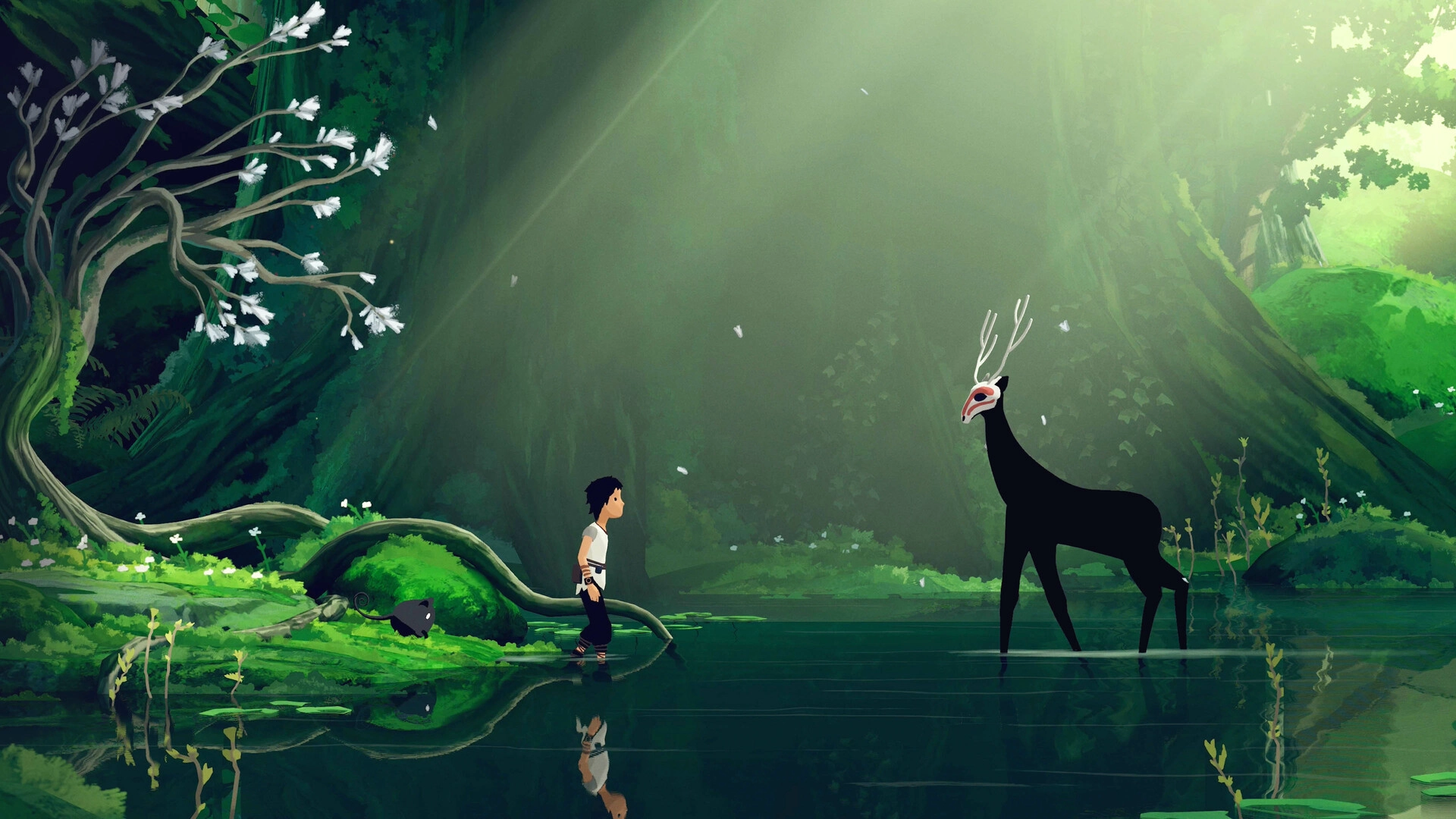
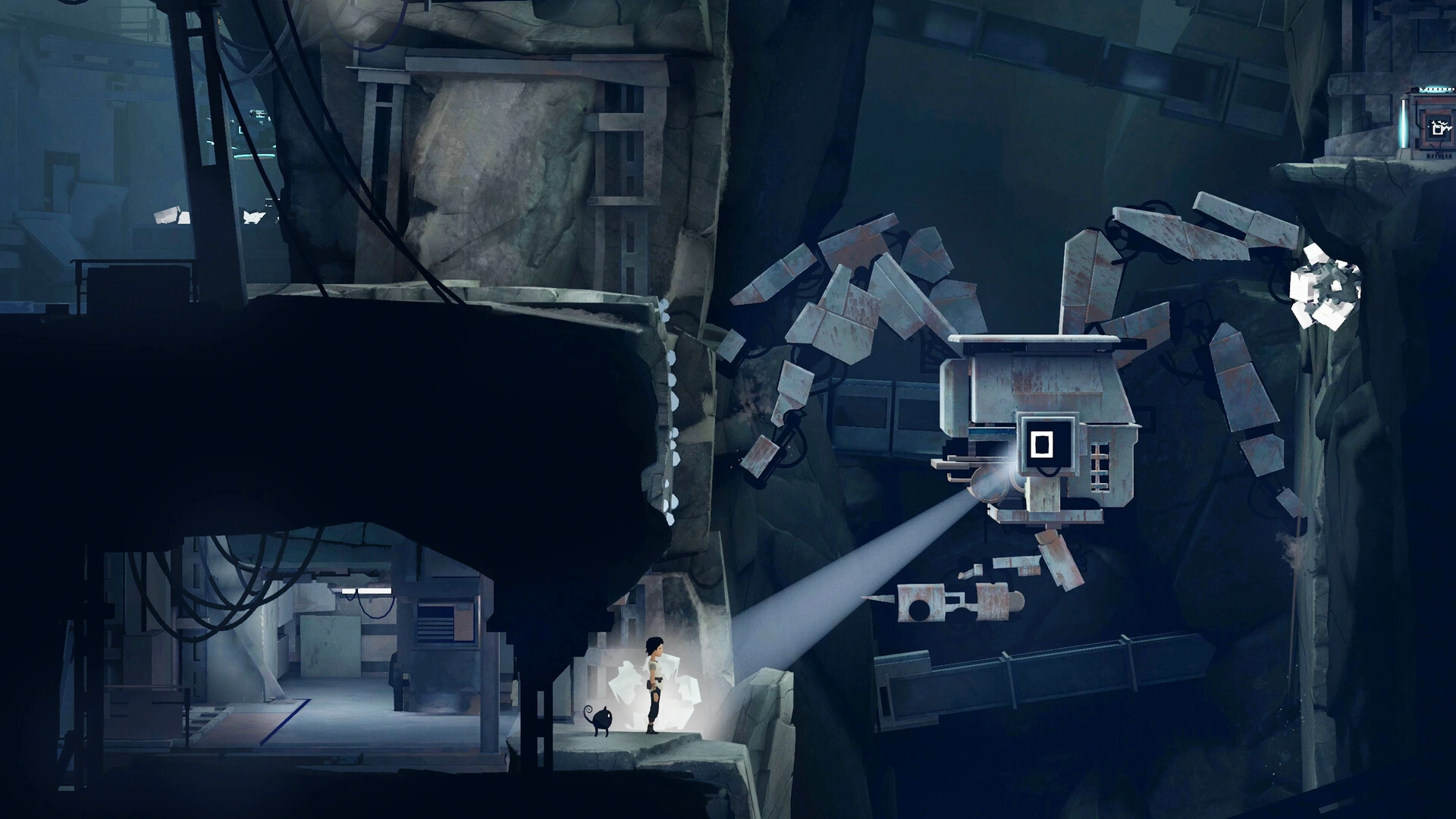
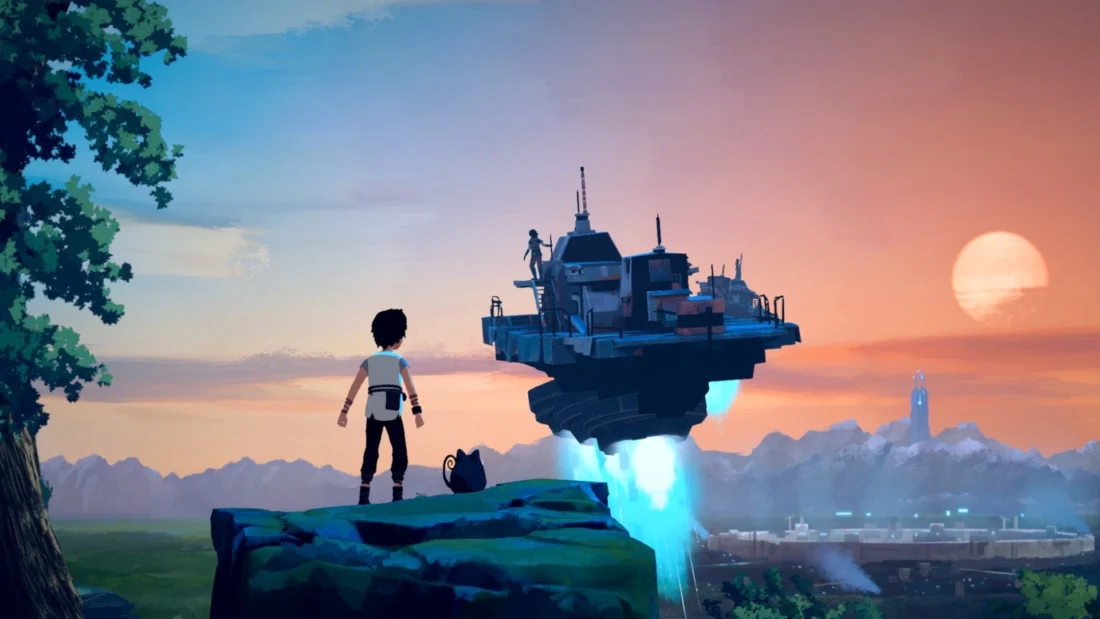
Visually, however, Planet of Lana II is an absolute delight. Its hand-painted environments possess an almost storybook quality, with soft colours, delicate lighting and beautifully layered scenery creating a world that feels wonderfully alive. There is a remarkable variety to the places Lana and Mui visit, from dense forests and sun-drenched coastlines to imposing mountains and mysterious subterranean spaces. Each location has its own distinct personality, and the contrast between the natural beauty of Novo and the increasingly intrusive machinery threatening it provides much of the game’s visual identity. There is a lovely sense of composition to its environments, too, with distant silhouettes, drifting foliage and subtle changes in light often making the simplest moments feel unexpectedly cinematic.

Perhaps more interestingly, the game continues to embrace one of the original’s most distinctive storytelling decisions: its characters communicate through an entirely invented language, with no conventional subtitles to translate their conversations. It is an unusual approach, particularly when so much of modern storytelling relies upon dialogue to establish character and convey narrative information. Yet there is a surprising amount of expression contained within these unfamiliar sounds. The changing tones, inflections and rhythms of each character’s voice, combined with their facial expressions and wonderfully expressive animations, make it remarkably easy to understand the emotional intention behind a conversation. A moment of concern, a playful exchange or an expression of genuine sadness can be communicated without needing to recognise a single word. There will inevitably be occasions when the precise meaning of a conversation remains elusive, but that ambiguity is also part of the experience, encouraging you to observe rather than simply listen.

Complementing this visual storytelling is a beautiful orchestral soundtrack that understands the importance of restraint as much as grandeur. The quieter passages allow the natural ambience of the environment to take centre stage, while more expansive compositions gradually emerge during moments of discovery and emotional significance. There is a particularly effective relationship between the music and the game’s changing landscapes, with each location possessing an atmosphere that feels distinct without sacrificing the cohesion of the wider adventure. The sound design also deserves recognition, from the gentle movement of water to the subtle noises of the creatures inhabiting Novo, all contributing to a world that feels wonderfully tangible. Combined with the expressive performances of its characters, these elements create a surprisingly convincing narrative experience, one that demonstrates just how much can be communicated through presentation alone.

7
Verdict
Summary

Planet of Lana II is a thoroughly charming return to a world that remains as captivating as ever. Its artistic presentation, evocative soundtrack and wonderfully understated approach to storytelling provide an adventure that is often more memorable for how it makes you feel than what it asks you to do. The relationship between Lana and Mui remains its greatest strength, while the expanded world introduces enough intriguing mysteries to make this return worthwhile. Nevertheless, its relatively familiar puzzle design, occasional pacing issues and moments of imprecise platforming prevent it from feeling like quite the leap forward its predecessor deserved. There is a sense that Wishfully has chosen to refine rather than reinvent, and while that decision produces something undeniably lovely, it also leaves certain opportunities unexplored. Even so, there is a quiet magic to Planet of Lana II that lingers long after the journey ends, like the memory of a particularly beautiful place you wish you could visit just once more.
Related Articles

Disney/Pixar Toy Story 3 Complete Edition Review—The Past Is a Playground

There is a sadness to Toy Story 3 that has little to...

Disney/Pixar Toy Story: Retro Roundup! Review—Preserved, Not Perfect

There is something peculiar about returning to the toys of your childhood,...

Voltaire: The Vegan Vampire Review—An Odd Little Harvest

There is something immediately appealing about a game that seems to have...

Dream Cage Review—Trapped Between Sleep and Waking

There is something uniquely unsettling about the idea of being trapped inside...