


PlayStation

BrokenLore: DON’T LIE Review—The Shape of Something Memorable

I remember finishing the BrokenLore: DON’T LIE demo during Steam Next Fest and thinking that, at last, someone might have found an interesting way into a familiar kind of horror. It wasn’t particularly frightening, exactly, but it had that more valuable quality of making me curious. Its rooms felt lived in and yet somehow unreal, its protagonist seemed to be hiding something even from herself, and there was the sense of a much stranger story waiting just beyond the edges of what the demo would allow me to see. I wanted to know what happened to Junko. I wanted to understand what all those odd little details meant. Most importantly, I wanted to see whether the full game could sustain that peculiar feeling of being somewhere you probably shouldn’t be. Having now spent more time with it, I’m still glad I did. But DON’T LIE is rather better at creating intrigue than it is at sustaining it.

Release Date: September 10th 2026
Developer: Serafini Productions
Publisher: Wired Productions
Price: £12.99 / $15.99 USD
Reviewed On: PlayStation 5
* Access Provided For Review *

More Details

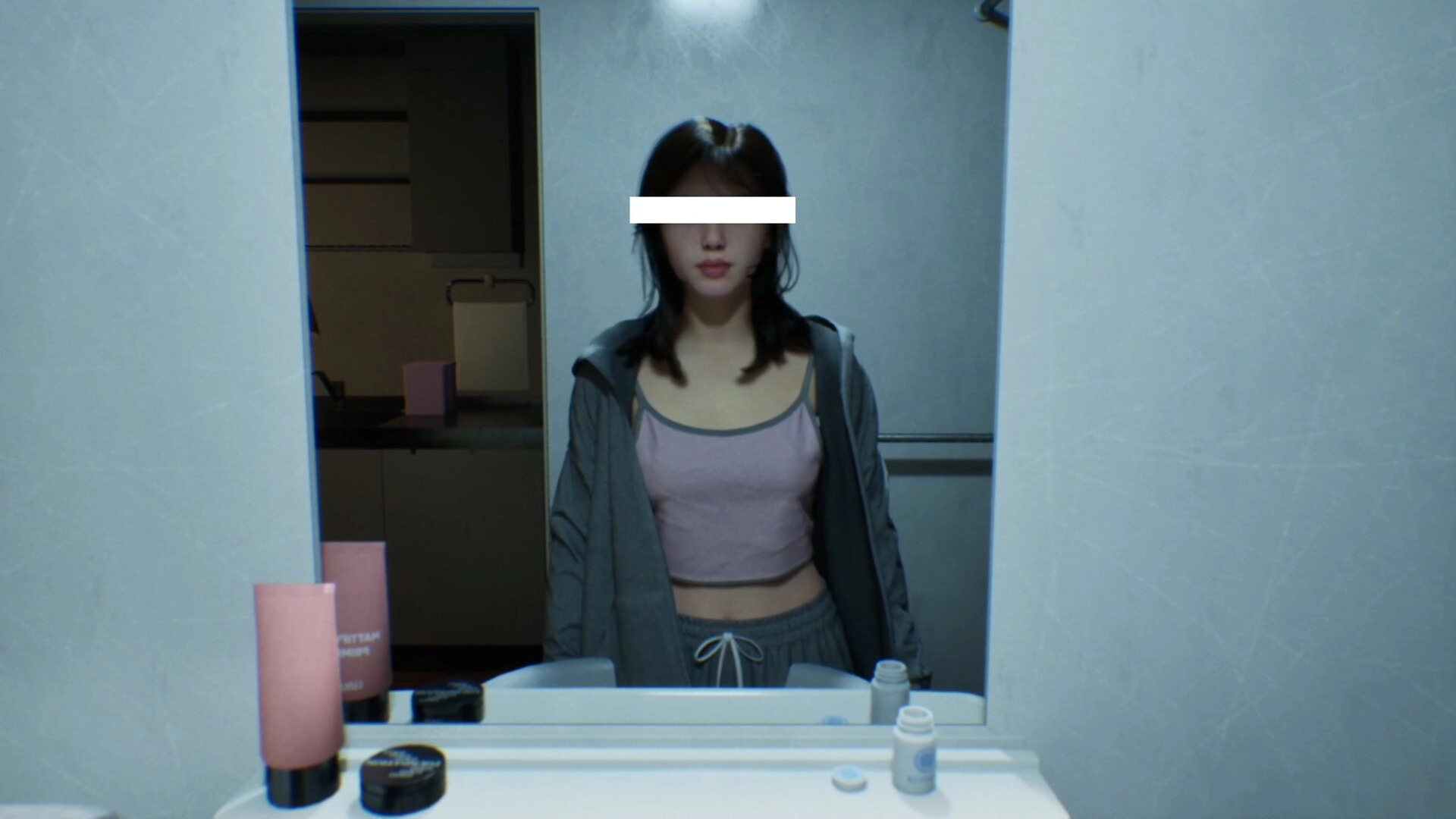
Junko lives almost entirely inside that space between retreat and reality. Withdrawn from the outside world, she has constructed a small, manageable existence around her apartment, her games and Miki-chan, an AI companion who provides a reassuring presence in a life otherwise defined by absence. Yet the more Junko tries to remain inside this carefully controlled world, the more the past begins to intrude upon it. Memories become unreliable. Familiar rooms take on new significance. The things she remembers and the things she might rather remember begin to overlap until the game itself becomes an uncertain narrator. There’s an appealing melancholy to all of this, particularly in the way DON’T LIE considers isolation not simply as something imposed upon a person but as something that can become comforting in its own right. Its horror comes less from monsters than from the possibility that withdrawal has become its own kind of prison. The trouble is that the story sometimes seems so determined to preserve its mysteries that it forgets to give them enough emotional weight when they finally surface.

That same hesitancy carries over into the exploration. DON’T LIE understands the simple pleasure of wandering through a familiar place that gradually changes around you. Junko’s apartment begins as somewhere mundane, almost cosy in its ordinariness, before the game starts quietly rearranging its rules. A corridor becomes longer than it should be. A room contains something that wasn’t there before. A familiar object takes on a different meaning simply because you have begun to look at it differently. These are small tricks, but they work because they make the environment feel subtly unstable. Unfortunately, the actual act of navigation is rarely as interesting as the spaces themselves. You search for objects, read fragments of information and follow fairly obvious routes towards the next story beat, with relatively little resistance between you and the answers.

There are attempts to disrupt this rhythm. Stealth sections introduce the possibility of being pursued, while chase sequences briefly turn the otherwise contemplative pace into something more urgent. Combat also appears in a way that reflects Junko’s fascination with games, allowing the boundaries between her imagined worlds and reality to become increasingly porous. Conceptually, these moments make sense. They are another way of exploring where fantasy fits within Junko’s real life. Mechanically, however, they are much less convincing. Stealth is rudimentary, combat is uncomplicated, and the moments designed to make you feel vulnerable rarely require much from you beyond moving in the correct direction. There’s an odd contradiction here: DON’T LIE spends so much time inside Junko’s fractured perspective, yet its mechanics leave remarkably little room for discovery.

Perhaps that would matter less if there were more to the game around them. DON’T LIE is short, and there’s nothing inherently wrong with that. Some horror is better for leaving before its welcome wears thin, and there’s something admirable about a game that doesn’t feel obliged to pad its story simply because it can. But here the brevity occasionally feels less like restraint and more like incompleteness. Ideas arrive and disappear. Mechanics are introduced without ever becoming particularly expressive. Optional discoveries provide glimpses of a richer world, but they can also make you wonder whether the more interesting game is the one you are imagining between the lines. There is a persistent feeling that DON’T LIE is circling something worthwhile without quite finding the confidence to reach it.

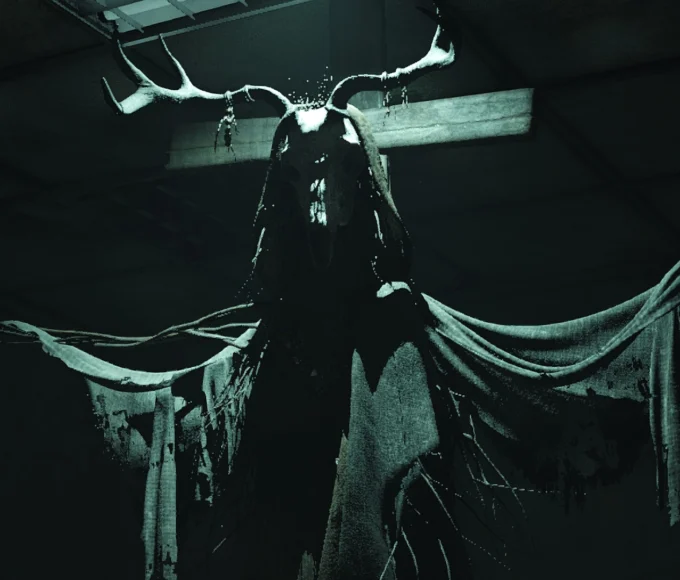
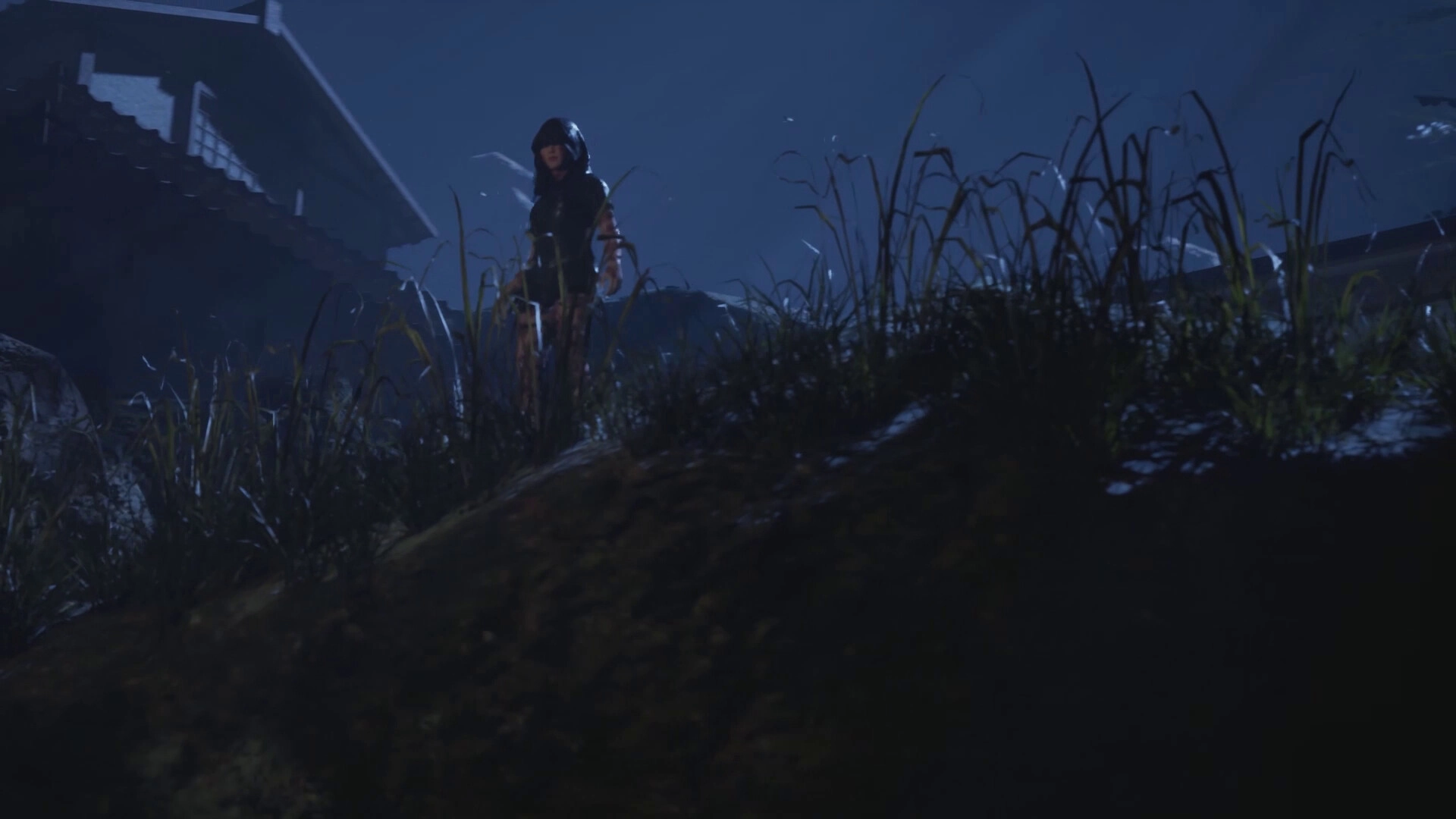
Visually, though, it often gets much closer. There’s a pleasing ugliness to the way ordinary spaces are distorted, with the mundane gradually giving way to something dreamlike and unsettling. The game is especially effective when it doesn’t immediately announce that something is wrong, instead allowing small inconsistencies to accumulate until the environment no longer quite behaves as it should. Later areas push this much further, creating surreal spaces that feel like memories reconstructed from incomplete pieces. The contrast between Junko’s real surroundings and the brighter, more exaggerated imagery of her fictional world gives the game a visual language of its own, and there are images here that linger longer than some of the story beats they accompany.

The soundscape understands this quiet unease, too. Silence is often allowed to do more work than music, leaving footsteps, distant noises and the faint hum of an otherwise empty room to fill the space. When the soundtrack does arrive, it can shift the mood quickly, particularly as Junko’s perception begins to fracture. There are some effective performances here as well, lending warmth to characters who might otherwise feel like pieces being moved around a mystery. And yet, as with so much else in DON’T LIE, the atmosphere occasionally promises more than the mechanics can deliver. The game can create a wonderful sense of anticipation, only to follow it with something much more ordinary.

5
Verdict
Summary

That’s the strange thing about BrokenLore: DON’T LIE. I came to it because the Next Fest demo had made me curious, and I’m glad I followed that curiosity to its conclusion. There’s an evocative story about loneliness and self-protection buried within its fractured reality, and its best environments demonstrate a real understanding of how horror can emerge from somewhere familiar rather than somewhere obviously frightening. But the further I travelled into Junko's world, the more I found myself missing the freedom of that first glimpse. The demo had left room for my imagination to do some of the work, while the full game too often fills that space with mechanics that never quite develop and mysteries that don't always earn their answers. DON’T LIE has the shape of something memorable, but it remains frustratingly close to becoming it.


Related Articles

Keeper Review—The Light at the End of Somewhere

There is something quietly absurd about playing as a lighthouse. Not the...

Fear The Timeloop Review—Lost Between the Minutes

There is something immediately appealing about a horror game that begins with...

Beast of Reincarnation Review—The Beginning of Something New

For most of its life, Game Freak has existed in the enormous...