Growing up, I was a Sega kid through and through. While most of my friends gravitated towards the PlayStation, I remained loyal to Sega right until the end, and nowhere was that loyalty stronger than with the Saturn. It wasn’t the easiest console to love, nor was it the most successful, but its library was packed with bold ideas that felt unlike anything else available at the time. Burning Rangers always fascinated me, even though I never owned it. I only had the magazine demo, but I replayed that single level so many times that it became one of my defining Saturn memories. Returning to the full game nearly thirty years later isn’t simply revisiting a classic—it’s finally finishing something I started as a child.
Heroes Against the Flames
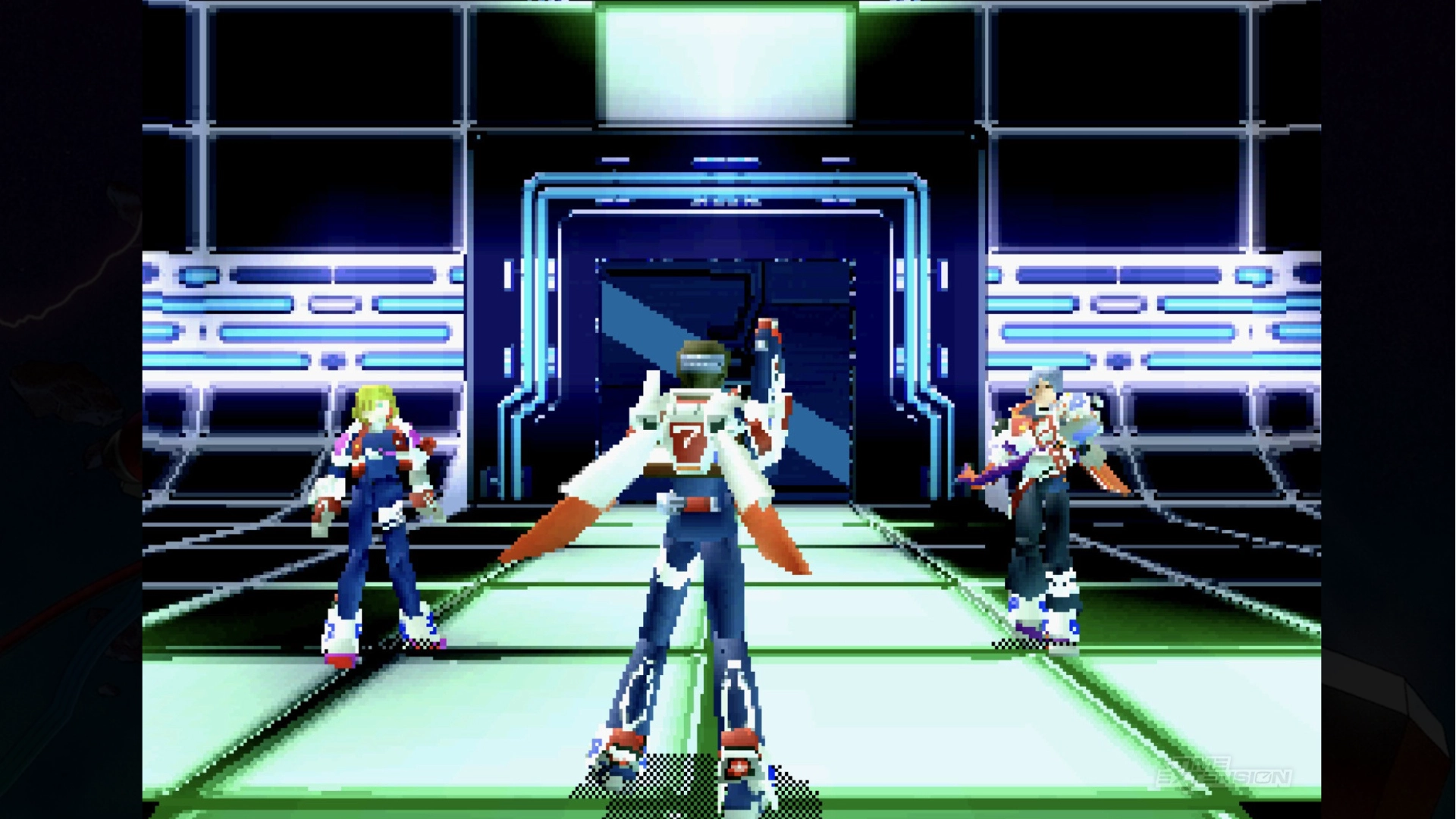
Set aboard a series of burning orbital facilities in the late 21st century, Burning Rangers follows an elite rescue unit responding to disasters that gradually reveal a wider threat lurking in Earth’s orbit. The story rarely demands centre stage, and that’s entirely appropriate. Sonic Team’s real achievement is making heroism about rescue rather than destruction. Saving lives instead of taking them gives Burning Rangers a quiet confidence that still feels unusual today, especially when compared to the action games that surrounded it.
A Different Kind Hero
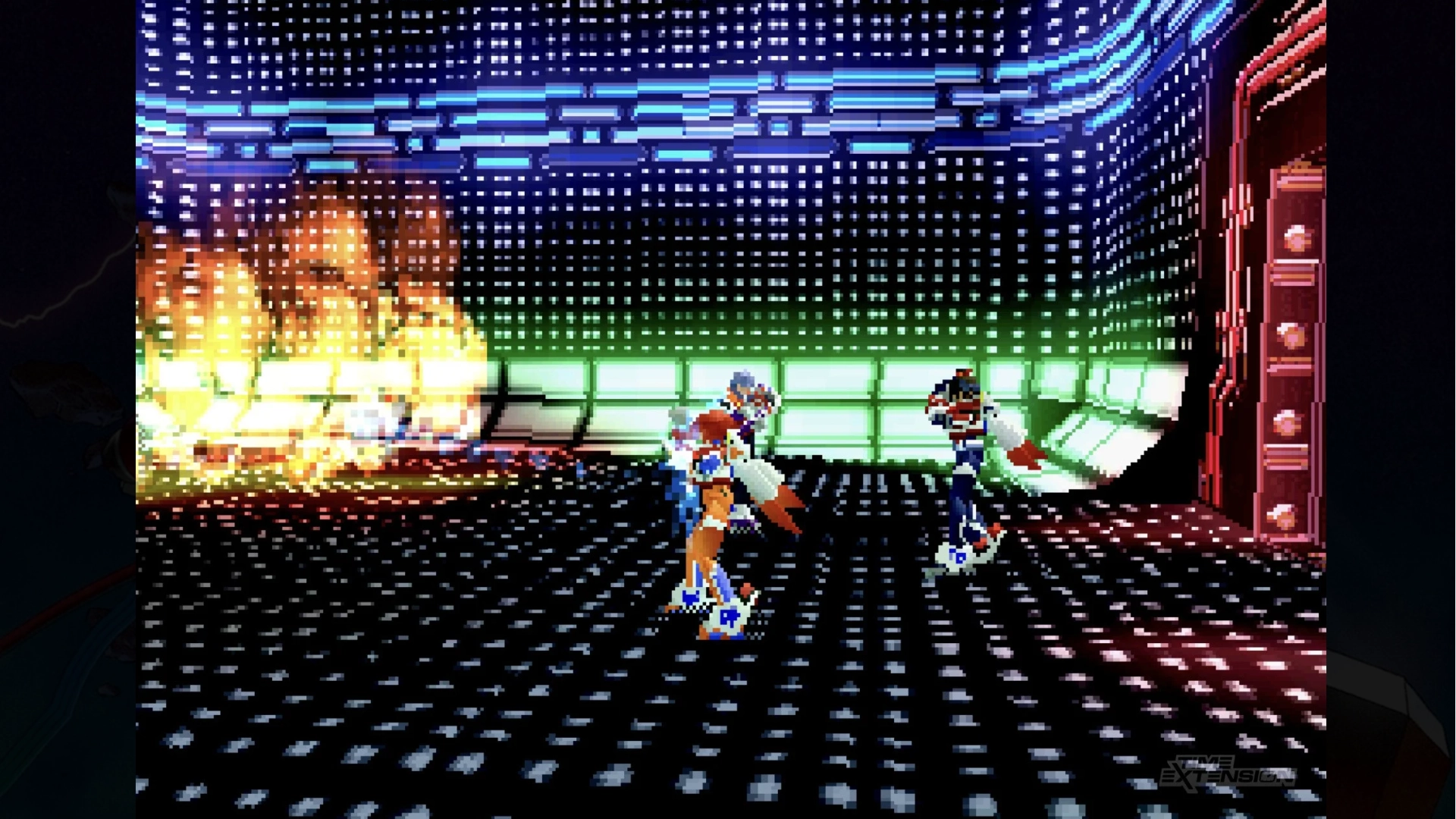
What makes Burning Rangers memorable isn’t simply that you’re fighting fires, but that everything in the game revolves around the act of rescue. Fires spread, routes become blocked and danger escalates if they’re left unchecked, transforming each mission into a balancing act between exploration, firefighting and protecting the civilians you’re trying to save. The Pulse Shot extinguishes smaller flames, while the charged Laser Blast clears larger infernos, but the real ingenuity lies in how these systems connect to one another.
Extinguished fires become crystals, which act as both health and currency. Like Sonic’s rings, they absorb a fatal mistake before scattering across the floor, yet they’re also needed to teleport survivors to safety. It creates surprisingly meaningful decisions throughout every mission. Do you spend precious crystals protecting yourself, or sacrifice that safety net to rescue another civilian? Even decades later, it’s still an elegant piece of design.
Unfortunately, Burning Rangers often asks more of the Saturn than it can comfortably deliver. Jet-assisted platforming remains exhilarating when everything clicks, but awkward camera angles, inconsistent collision detection and controls that never feel entirely comfortable can make precision frustrating. These aren’t fatal flaws, yet they prevent the game’s best ideas from achieving their full potential.
Ambition You Can See
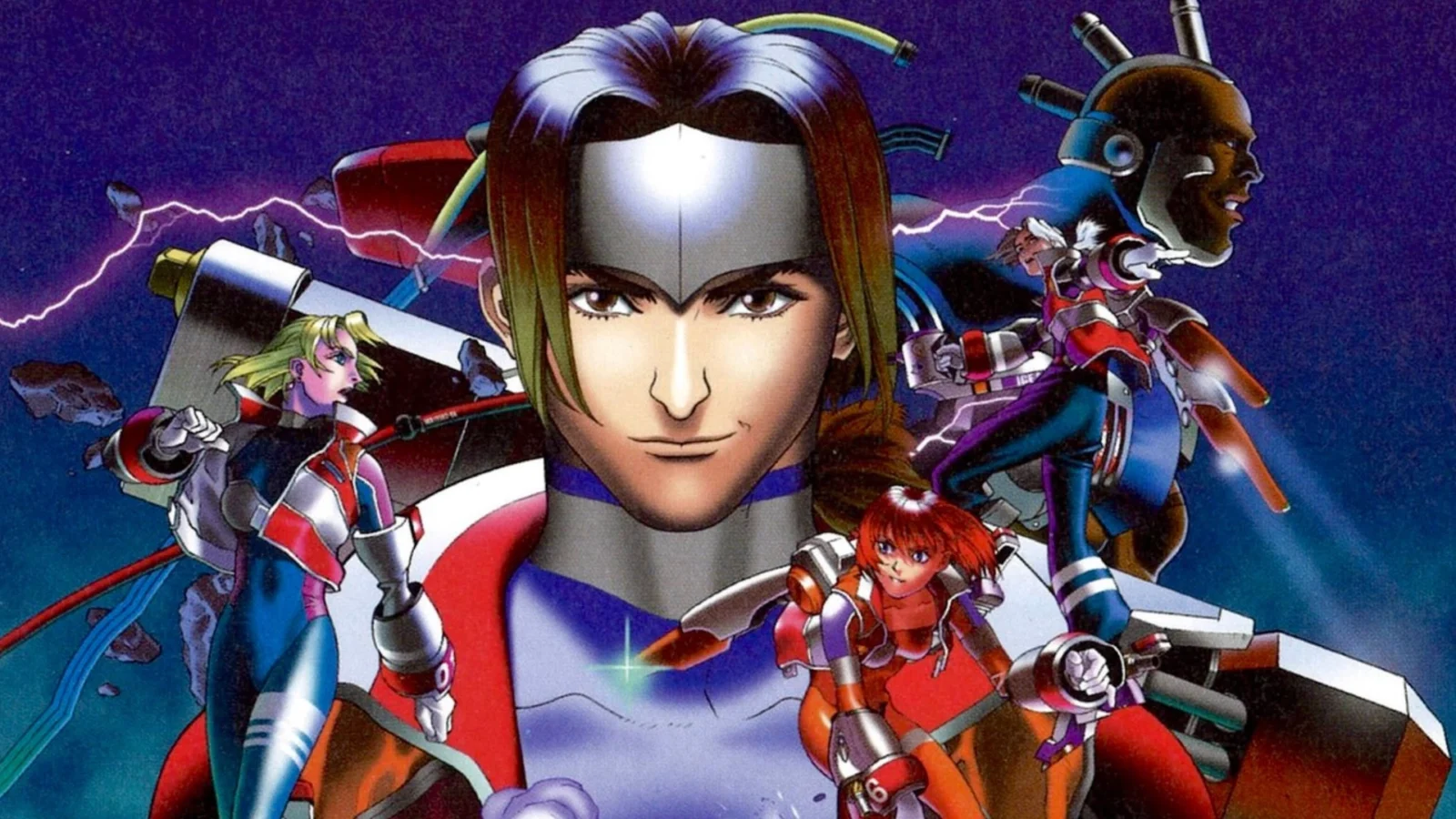
Even so, it’s difficult not to admire what Sonic Team accomplished technically. The Saturn’s notoriously awkward hardware is pushed to its limits, filling orbital stations with dynamic fire, coloured lighting and fully 3D environments that remain surprisingly convincing today. Frame rate drops and visual instability are impossible to ignore, but they’re almost badges of ambition—a reminder of just how much the developers were asking from Sega’s hardware. TMS Entertainment’s anime cutscenes, Naoto Ohshima’s vibrant character designs and Naofumi Hataya’s superb soundtrack complete a presentation that still radiates late-’90s Sega optimism.
Verdict
Time has inevitably exposed Burning Rangers’ rough edges. The camera can be frustrating, the controls occasionally awkward and the Saturn itself often struggles to keep pace with Sonic Team’s ambition. Yet those flaws feel surprisingly easy to forgive because there remains nothing quite like it. Even today, few action games place saving lives ahead of defeating enemies, and fewer still build such inventive mechanics around that simple idea. Burning Rangers may not represent the Saturn at its most polished, but it unquestionably represents it at its most imaginative—a wonderfully ambitious experiment whose originality continues to outshine its imperfections.