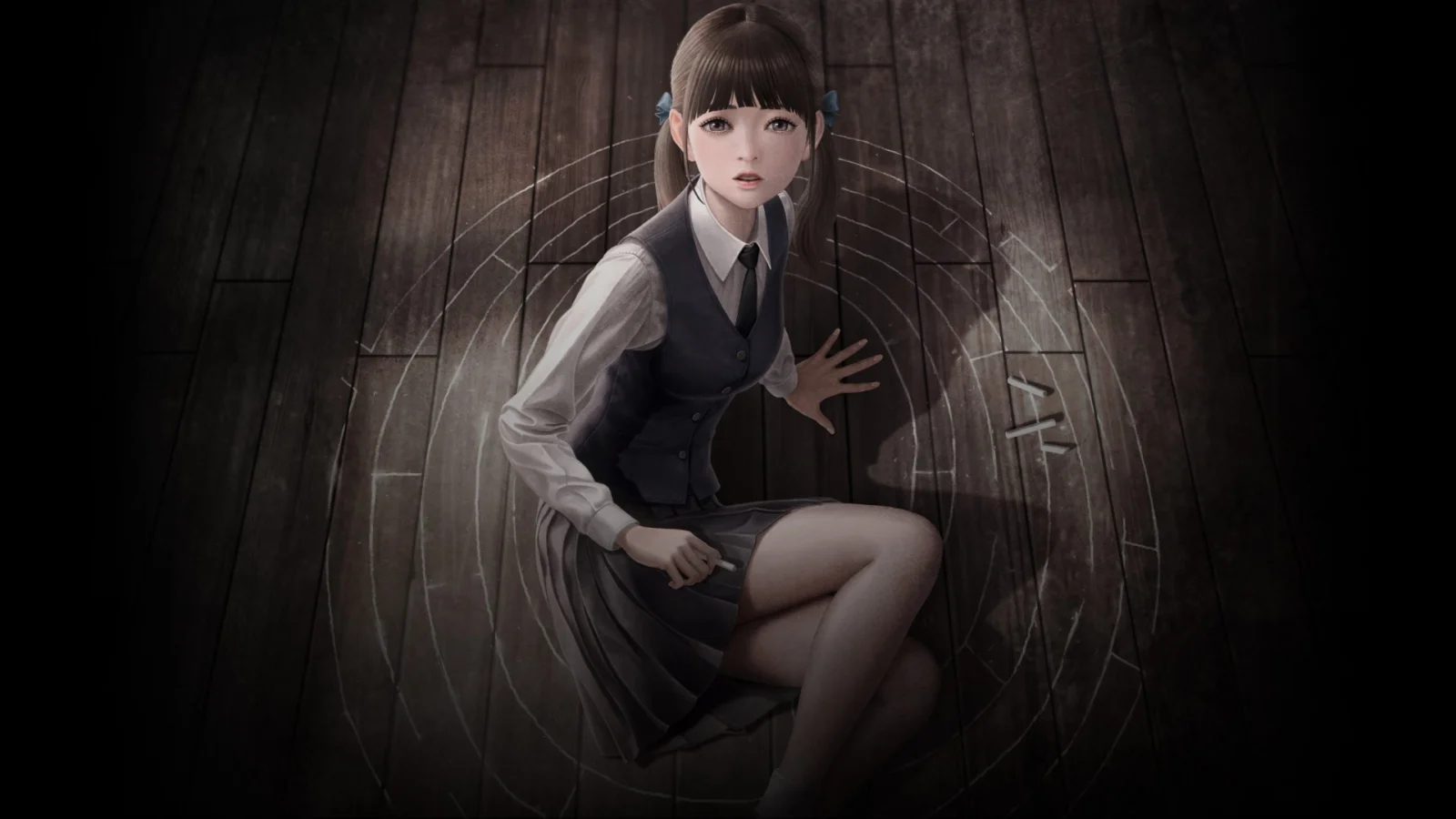
When White Day: A Labyrinth Named School arrived on Nintendo Switch in 2022, it brought a cult favourite survival horror experience to a new generation of players. Originally celebrated as one of South Korea’s most memorable horror games, the remake had already earned its reputation across other platforms, but its arrival on Nintendo’s hybrid console provided an opportunity to revisit its strengths and shortcomings. In an era where survival horror has embraced both cinematic spectacle and minimalist psychological terror, White Day’s unique blend of Korean folklore, schoolhouse mystery, and old-school survival mechanics faces a difficult question: does this haunting experience still hold up, or has time exposed the cracks beneath the surface?
Where Folklore Becomes Deadly Reality
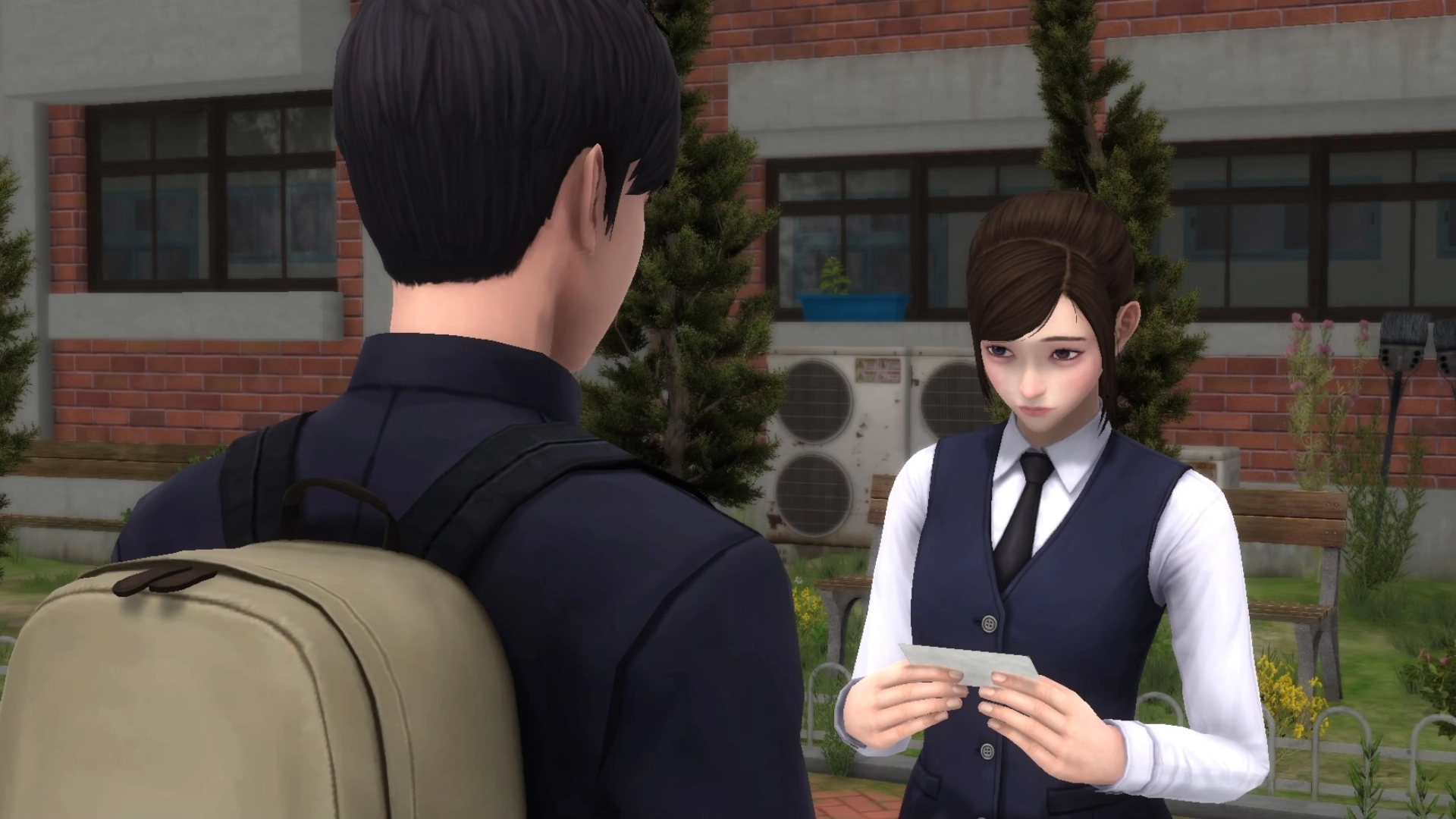
What begins as a simple attempt to leave a White Day gift for a classmate quickly turns into a desperate struggle for survival. After sneaking into Yeondu High School at night, student Lee Hee-min becomes trapped within its darkened corridors, where supernatural forces and relentless threats await. As he searches for a way out, he uncovers the school’s disturbing history through encounters with fellow students, restless spirits, and forgotten secrets buried within its walls. The deeper Hee-min ventures into the school, the more the line between folklore and reality begins to blur, revealing a tragic story shaped by death, guilt, and a curse that has haunted the building for generations.
Random Horrors Keep Tension Alive
Unlike many modern horror games that eventually provide players with the means to fight back, White Day commits fully to vulnerability. Survival is built entirely around stealth, awareness, and avoiding danger rather than confronting it. The possessed janitor that patrols the school serves as a constant reminder of the player’s helplessness, using flashlights, sound cues, and aggressive pursuit to turn even simple exploration into a tense gamble. Their unpredictable behaviour can occasionally lead to frustrating encounters rather than genuinely frightening ones, but the sense of being hunted remains one of the game’s most effective tools.
Exploration is equally important, with progression relying on searching classrooms, uncovering clues, solving environmental puzzles, and carefully managing limited resources. Keys, documents, healing items, your lighter, and limited save opportunities all encourage players to think carefully about every decision they make. This methodical approach reinforces the survival horror formula, although frequent backtracking and some unclear puzzle solutions can interrupt the otherwise strong pacing.
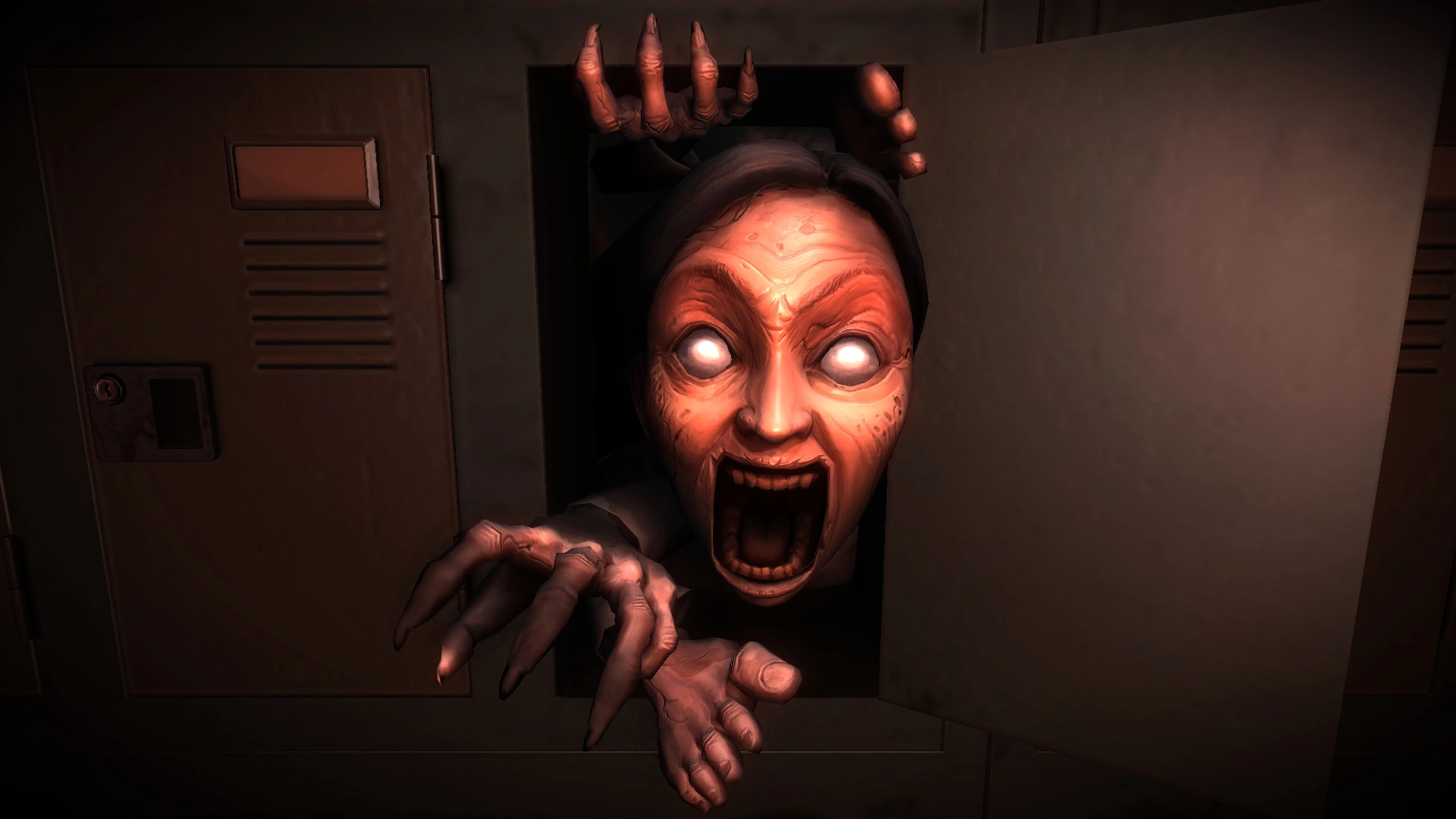
Rather than relying exclusively on scripted scares, its dynamic scare system introduces unpredictable paranormal events that can occur throughout the school, particularly on higher difficulties. Familiar locations never feel completely safe, as ghostly appearances and environmental disturbances can transform previously explored areas into sources of anxiety. While this randomness occasionally disrupts the flow of exploration, it successfully maintains a constant feeling of unease.
Beyond simply escaping the school, White Day adds unexpected depth through its relationship system and branching narrative. Dialogue choices with the other trapped students influence character relationships and determine which of the game’s many endings players unlock. Those willing to search every corner can also discover hidden documents and supernatural encounters that fill a notebook dedicated to the school’s twenty unique ghosts. These additional layers of storytelling do not completely transform the experience, but they provide a compelling reason to return and uncover everything Yeondu High has hidden.
Visuals Age But Atmosphere Endures
While White Day is built as a remake of an older game, its presentation remains one of its strongest qualities. Developed in Unity, the remake updates the original with improved character models, enhanced lighting, and more detailed environments that bring Yeondu High School to life as a genuinely oppressive setting. Its narrow corridors, abandoned classrooms, and dimly lit maintenance areas create a constant feeling of confinement, while its anime-inspired character designs and cinematic sequences give the game a visual identity that separates it from more realistic horror experiences.
However, some aspects reveal the game’s age. Character animations and facial expressions lack the polish of more recent releases, and certain visual elements cannot compete with modern horror titles. Despite these limitations, White Day understands that atmosphere is more important than technical spectacle, using darkness and environmental detail to maintain a consistently unsettling mood.
Lighting plays a particularly important role, functioning as both a visual feature and a gameplay mechanic. The darkness surrounding the school forces players to carefully decide when to use a lighter or other sources of illumination, balancing the need to see with the risk of attracting unwanted attention. This constant struggle between visibility and safety reinforces the feeling of vulnerability that defines the entire experience.
The sound design remains the game’s greatest achievement. Audio is not simply used to enhance the horror; it becomes an essential survival tool. The distant jingling of keys, heavy footsteps, and unmistakable whistles of approaching janitor allows players to track threats before they appear, creating some of the game’s most tense moments. Environmental noises, from creaking structures and distant whispers to sudden alarms, ensure the school never feels completely quiet or safe. Hwang Byung-ki’s haunting composition The Migung further strengthens the game’s identity, while the choice between original Korean voice acting and the more theatrical English dub gives players different ways to experience its dramatic storytelling.
Verdict
White Day: A Labyrinth Named School remains a fascinating survival horror experience that succeeds because of its commitment to tension, atmosphere, and player vulnerability. Its stealth-focused gameplay, unsettling supernatural encounters, and richly detailed setting still help it stand apart from many modern horror games, while its branching endings and hidden lore provide plenty of reasons to revisit Yeondu High School. However, its ageing design occasionally works against it, with inconsistent enemy behaviour, uneven pacing, and frustrating puzzle solutions holding it back from reaching its full potential. Even with these flaws, White Day’s unique identity, memorable atmosphere, and effective use of Korean folklore ensure that its nightmare remains worth experiencing.