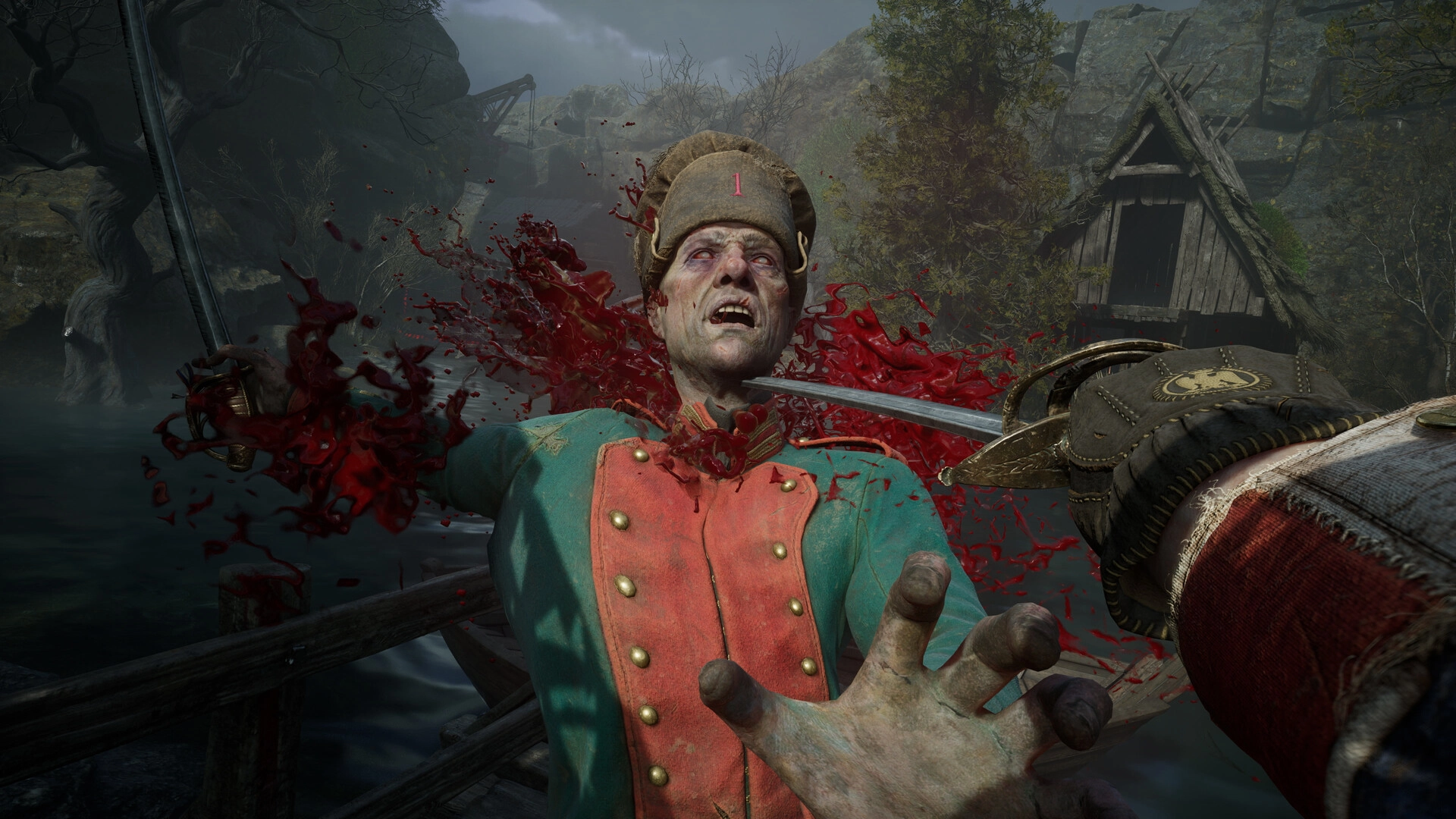
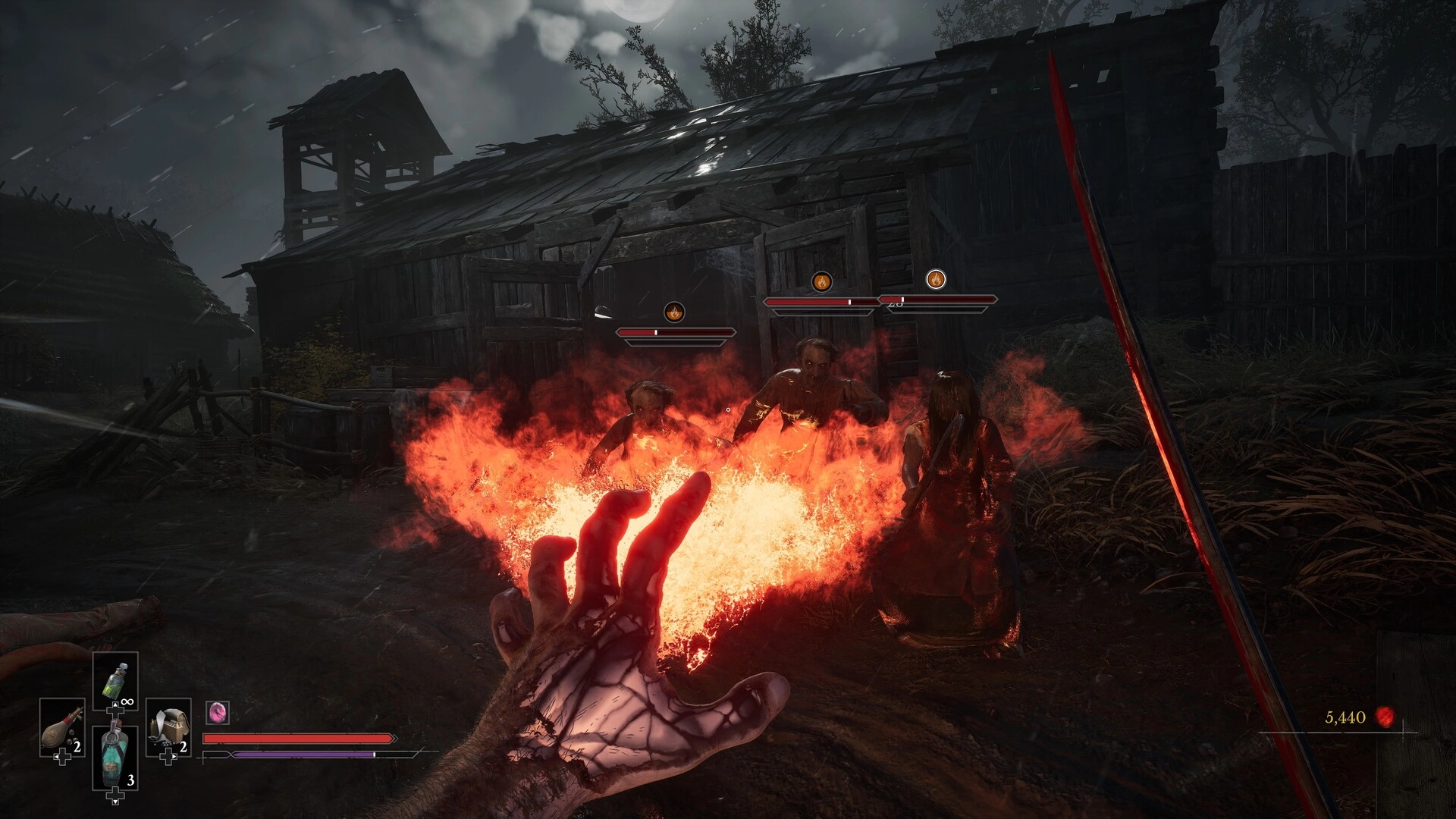
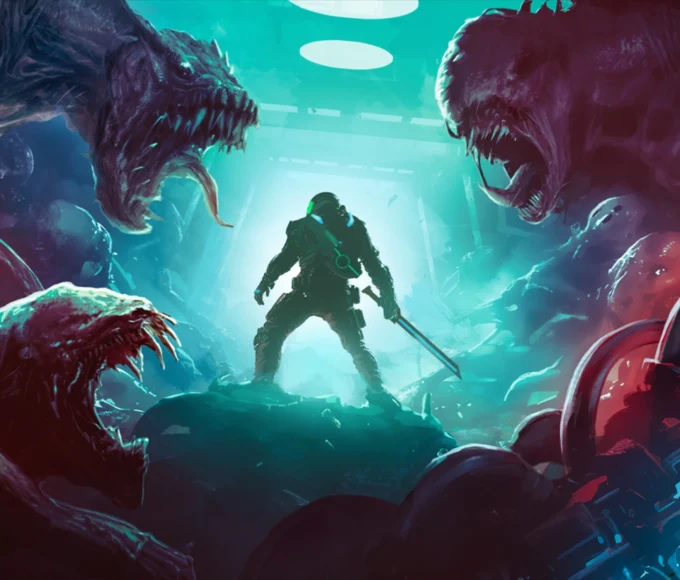
There’s more to William’s repertoire than a sword and a well-timed block, thankfully. Firearms and supernatural abilities add welcome layers to the fighting, allowing you to interrupt an enemy’s rhythm, exploit an opening or deal with a threat that would otherwise be awkward to approach. These tools don’t make the game’s challenges trivial; rather, they encourage you to think about how best to approach them. The pleasure comes from learning when to commit to close-quarters combat and when to step back, conserve your resources or use an ability to create some breathing room. There’s a lovely sense of improvisation to the best encounters, even if the limited range of weapons and powers means that the possibilities don’t always expand as much as you might hope. Still, the interplay between these systems gives combat a personality of its own, rather than leaving it feeling like a conventional Soulslike transplanted into a different camera.
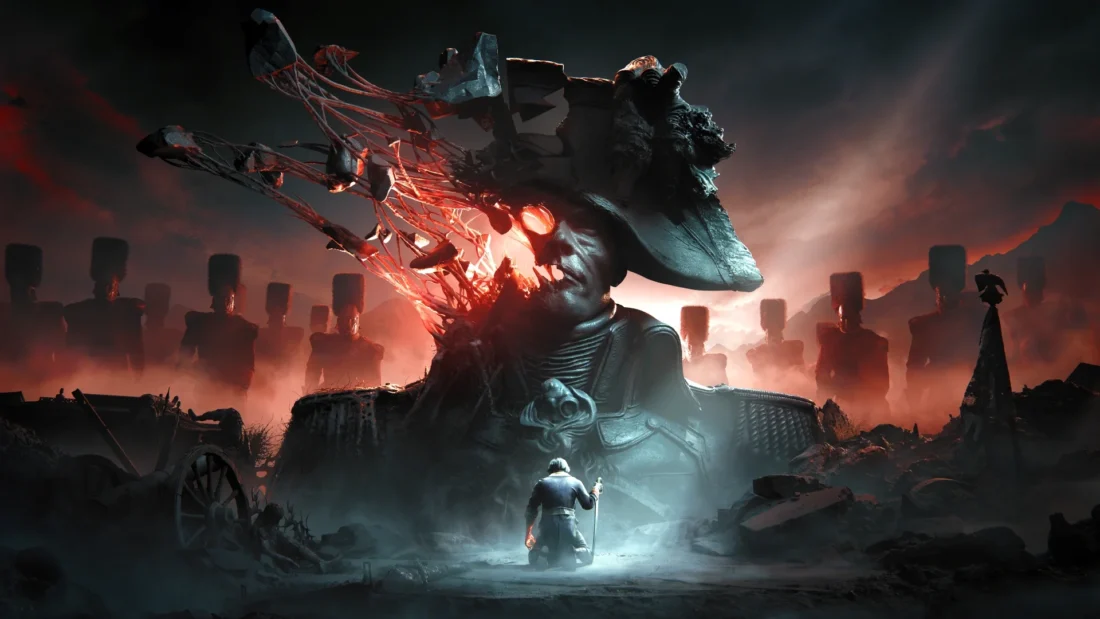
It is in its boss battles, though, that Valor Mortis truly comes into its own. These encounters stand as imposing tests of everything the game has spent hours teaching you, demanding not only a keen understanding of timing and positioning but the patience to recognise where you’ve gone wrong and the determination to try again. Defeat can be a bitter pill to swallow, particularly when a promising attempt ends in a moment of misplaced confidence, but there’s a wonderful insistence to these fights that makes giving up feel almost unthinkable. Each failure offers another small lesson, another glimpse of an opening you might exploit next time, until an encounter that once seemed insurmountable begins to feel within reach. And when victory finally arrives, it carries the particular satisfaction that only a hard-won triumph can provide: not simply the relief of surviving, but the knowledge that you’ve become a little better at the game. These are the moments when Valor Mortis most convincingly earns its Soulslike inheritance, turning frustration into motivation and perseverance into its own reward.
One More Level’s previous work becomes especially apparent when the fighting gives way to exploration. William can move through the world with an agility that distinguishes Valor Mortis from many of its peers, negotiating environmental obstacles and traversing spaces that would be little more than decorative scenery in a more traditional Soulslike. The levels reward curiosity, too, with branching routes, hidden discoveries and reasons to stray from the obvious path. There is a pleasing rhythm to these excursions: the tension of a dangerous encounter gives way to the satisfaction of finding a new route, only for the prospect of another ambush to pull you back into a state of uneasy vigilance. The occasional environmental trap feels unfairly placed, and the challenge can sometimes tip from demanding into frustrating, but the overall design gives the world a welcome sense of depth. This isn’t simply a succession of arenas connected by corridors; it’s a place worth getting lost in.
Progression ties these disparate elements together without entirely overwhelming them. Improvements to William’s abilities give each return to a familiar stretch of ground a sense of purpose, while the resources scattered throughout the world encourage you to investigate corners that might otherwise go unexplored. The usual Soulslike tension between risk and reward remains central to the experience, making each detour feel like a small wager against the possibility of losing momentum. What I particularly appreciate is how these systems complement the game’s physicality. Exploration isn’t merely a matter of finding a stronger weapon or accumulating enough resources to make the next boss more manageable; it’s also about becoming more comfortable in a hostile world, learning its rhythms and discovering how its spaces fit together. There are rough edges in the balancing, particularly when the game expects you to contend with several threats at once, but the broader loop of exploration, combat and gradual mastery is wonderfully compelling.