Nintendo Switch

Moss: The Forgotten Relic Review—A Charming Storybook Adventure That Thrives Beyond Its Virtual Reality Origins

Few VR games felt as perfectly suited to the medium as Moss. Looking down on Quill’s miniature world while physically reaching into it as the Reader created a sense of connection that traditional games simply couldn’t replicate. It wasn’t just about controlling a character—it was about becoming part of her story. Moss: The Forgotten Relic now asks a difficult question by bringing that experience to Switch 2 and other flatscreen platforms: can one of VR’s defining adventures still work when the headset comes off?

A Tiny Hero's Epic Journey

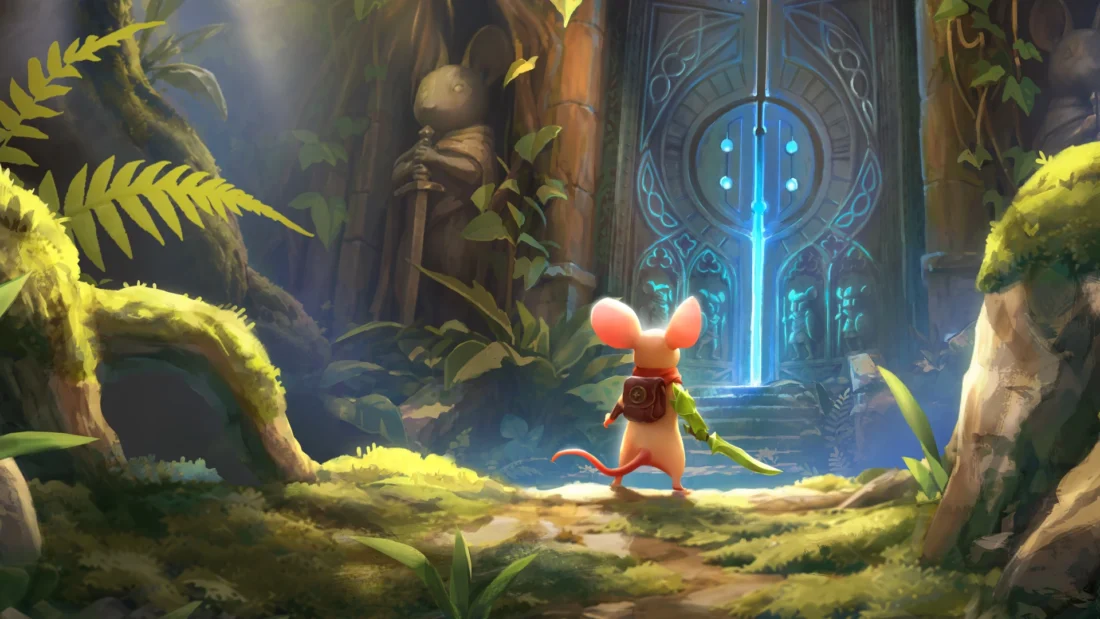
Quill’s latest adventure begins when a mysterious relic resurfaces, setting her on a journey through ancient ruins, enchanted forests, and the forgotten remains of a once-great civilisation. Alongside the silent Reader, she searches for answers while an ancient darkness slowly creeps back into the world. It’s a simple setup, but one that’s told with warmth and confidence, letting its mysteries unfold naturally instead of rushing from one dramatic revelation to the next. The result is a fantasy story that’s easy to become invested in, even if its biggest strengths lie in its characters rather than its surprises.

Partnership Powers Every Puzzle

What makes Moss stand apart from almost every other puzzle-platformer is the relationship between Quill and the Reader. You’re never simply controlling the hero. Instead, Quill is moved with the left stick while your second cursor manipulates the world independently using the right stick or touchscreen controls in handheld mode. It sounds awkward on paper, but Polyarc’s design rarely misses a beat. Whether you’re moving platforms, opening doors or physically grabbing enemies to solve environmental puzzles, controlling both characters quickly becomes second nature.

That partnership also gives the puzzles their identity. Rather than simply finding switches or pushing blocks, you’re constantly building routes for Quill by rearranging the environment yourself. New abilities, including the power to grow climbable vines later in the adventure, continually introduce fresh ideas without overcomplicating things. Some solutions are a little too obvious, but there’s enough variety to keep the puzzle design engaging throughout.

Combat isn’t quite as inventive, though it improves steadily over time. Quill starts with a simple sword before unlocking a ranged chakram and a hefty hammer, with each new weapon expanding both combat and puzzle-solving possibilities. Abilities often serve multiple purposes, such as using a charged sword dash to clear impossible gaps or embedding the chakram into distant surfaces to create new traversal opportunities. It’s a smart way of making progression feel meaningful, even if the actual fights eventually become a little repetitive.

Thankfully, Moss never forces players into encounters they don’t want. A dedicated option to skip combat entirely makes the game surprisingly accessible for anyone more interested in its puzzles and story. Combined with polished controls and consistently inventive level design, it’s an adventure that’s difficult to stop playing, even if it occasionally plays things a little too safely.

Miniature Worlds, Monumental Beauty

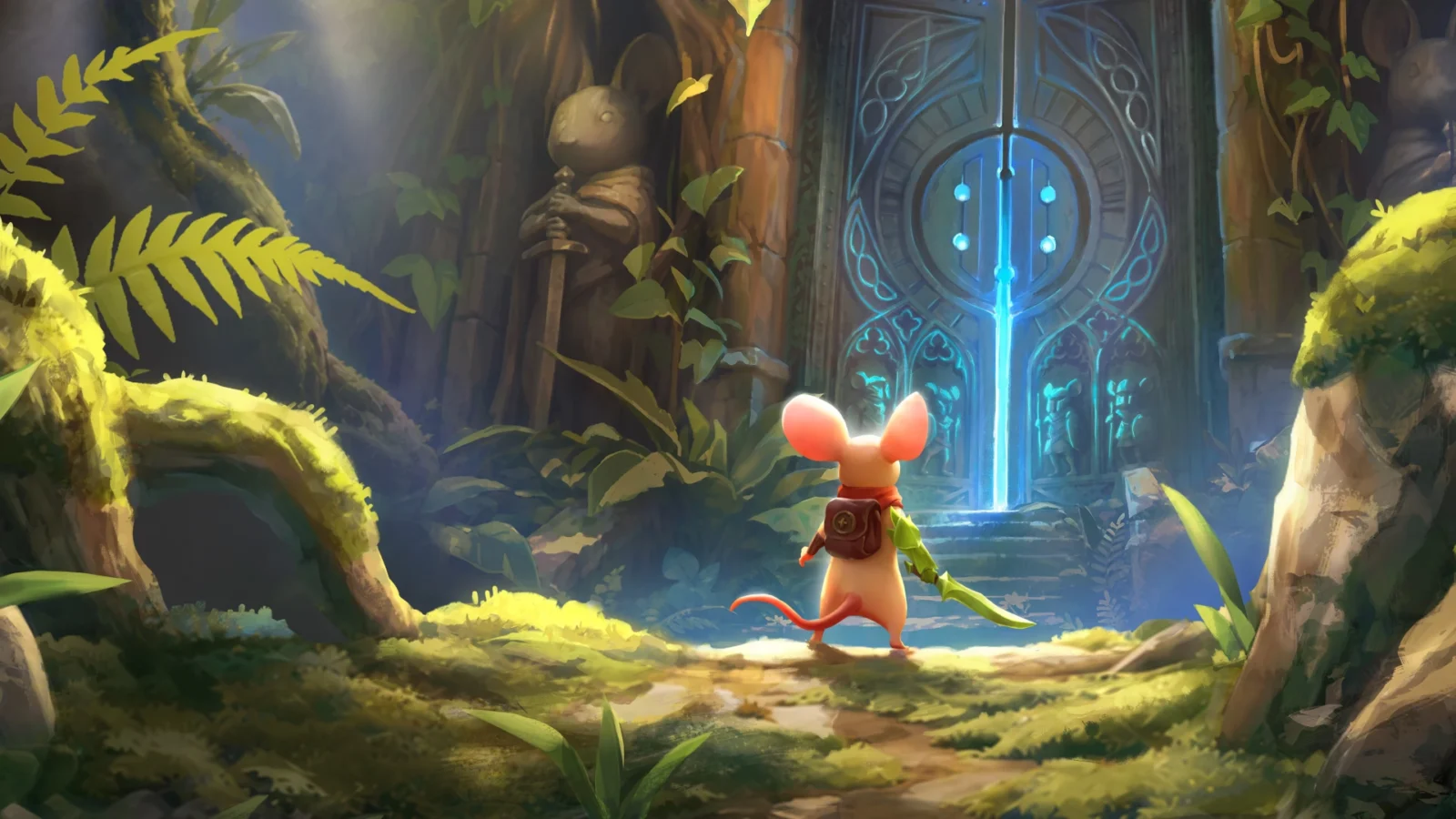
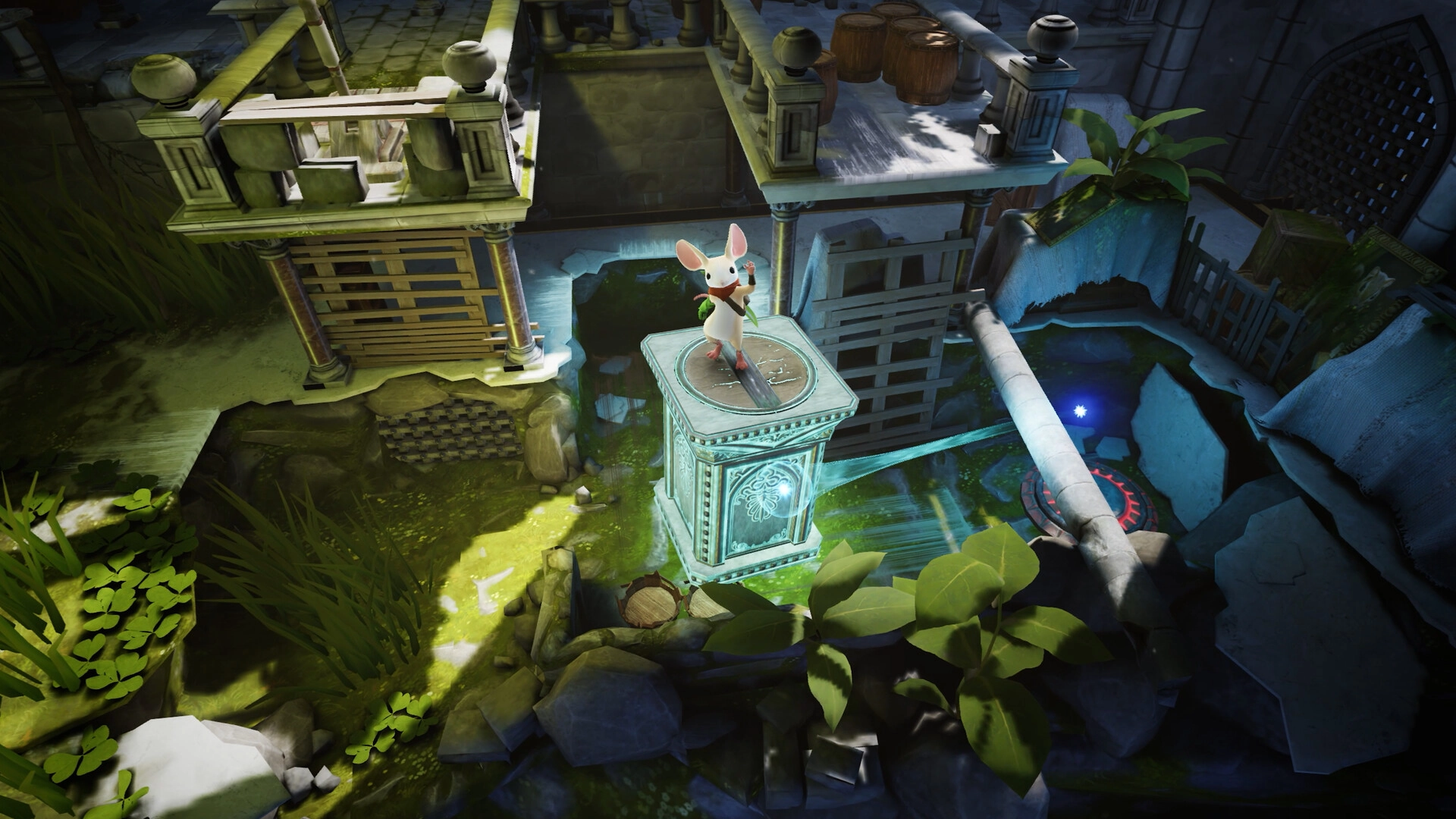
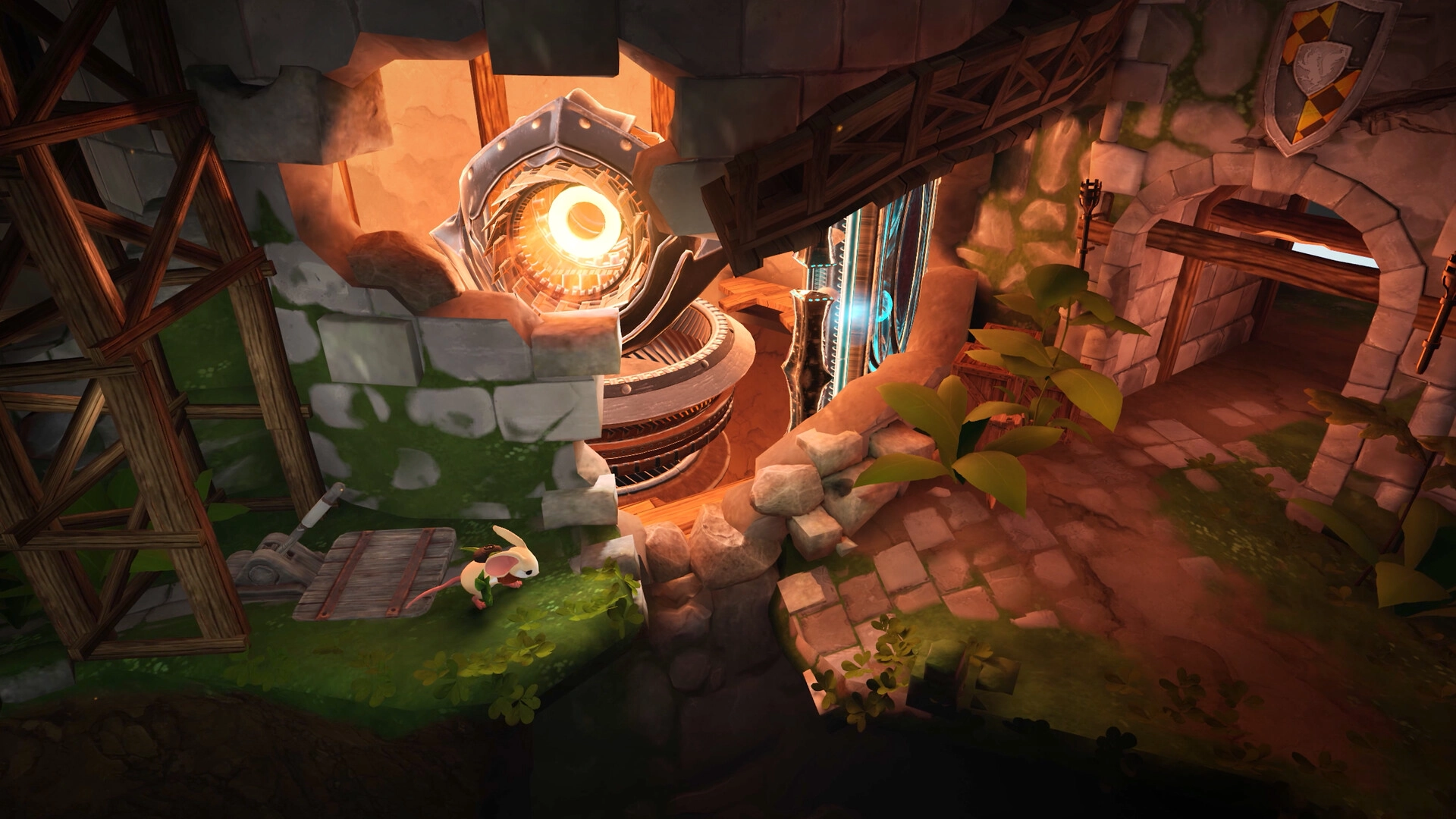
Even without VR, Moss: The Forgotten Relic remains one of the most visually distinctive puzzle-platformers around. Every area resembles a handcrafted diorama, with beautifully detailed environments that look like miniature theatre sets frozen in time. The Switch 2 version sharpens textures and introduces improved lighting that gives these tiny worlds far more depth, as sunlight spills through dense forests and abandoned ruins slowly disappear beneath nature’s embrace.

The fixed perspective also does an excellent job of reinforcing Quill’s size. Towering blades of grass, enormous tree roots and crumbling stone architecture constantly remind you just how tiny she really is. Quill herself remains the star of the show thanks to wonderfully expressive animation. She looks directly at you for reassurance, dusts herself off after a fall and communicates entirely through gestures, making her feel remarkably alive despite never speaking a word.

The presentation is matched by equally impressive audio. Morla Gorrondona’s narration frames the adventure like a bedtime story, effortlessly switching between characters while maintaining a warm, inviting tone throughout. Quill’s squeaks, footsteps and exhausted breaths communicate just as much emotion as any dialogue could, helping strengthen the bond between player and protagonist.

Jason Graves’ orchestral soundtrack ties everything together beautifully, shifting from gentle woodland melodies during exploration to soaring cinematic themes during the game’s biggest moments. Combined with excellent environmental audio—from rustling leaves to satisfyingly crunchy pottery—it’s an audio package that constantly reinforces the game’s fairy tale atmosphere. The soundtrack occasionally revisits familiar themes a little too often, but it’s hard to complain when they’re this memorable.

More Details

8
Verdict
Summary

Moss: The Forgotten Relic doesn't quite recreate the magic of experiencing Quill's adventure in virtual reality, but it comes remarkably close. Clever dual-character mechanics, inventive environmental puzzles and an evolving set of abilities ensure the gameplay remains engaging from beginning to end, while its gorgeous storybook presentation, expressive animation and outstanding soundtrack make every moment feel special. Repetitive combat, a handful of overly guided puzzles and the occasional awkward camera angle stop it from reaching the very top tier of puzzle-platformers, but they're small issues in an otherwise superb adventure. Whether you're returning from the VR originals or discovering Quill's journey for the first time, Moss: The Forgotten Relic proves its charm extends well beyond the headset.

Related Articles

Deathbulge: Battle of the Bands Review—A Quirky RPG That Hits the Right Notes

How many times have you accepted a terms and conditions without reading...

The Midnight Walk Review—A Deeply Personal Adventure Built With Remarkable Craft

Having already fallen in love with The Midnight Walk in virtual reality,...

Psyvariar 3 Review—Tradition Triumphs Over Innovation in a Strong Comeback

The Psyvariar series, known for its precision and adherence to tradition, has...