PlayStation

Beast of Reincarnation Review—The Beginning of Something New

For most of its life, Game Freak has existed in the enormous shadow cast by Pokémon. It is a strange thing, then, to watch the studio step out from beneath it and into a world of swords, ruined cities and enormous beasts, where the familiar comfort of catching and collecting has been replaced by something altogether more uncertain. Beast of Reincarnation feels like a deliberate act of wandering: Game Freak leaving behind the turn-based rituals that have defined so much of its history and stepping instead into the language of the action RPG, a genre built on timing, movement and the intimate relationship between player and enemy. There is something almost romantic about the decision. Here is a studio that could have spent a lifetime polishing the same well, instead choosing to walk into the forest and see what grows there. Beast of Reincarnation is not quite a rejection of Pokémon so much as a reminder that Game Freak existed before its most famous creation, and perhaps, after all these years, still has places left to go.

Release Date: August 4th 2026
Developer: Game Freak
Publisher: Fictions
Price: £49.99/ $59.99 USD
Reviewed On: PlayStation 5
* Access Provided For Review *

More Details

Remembering What Was Lost

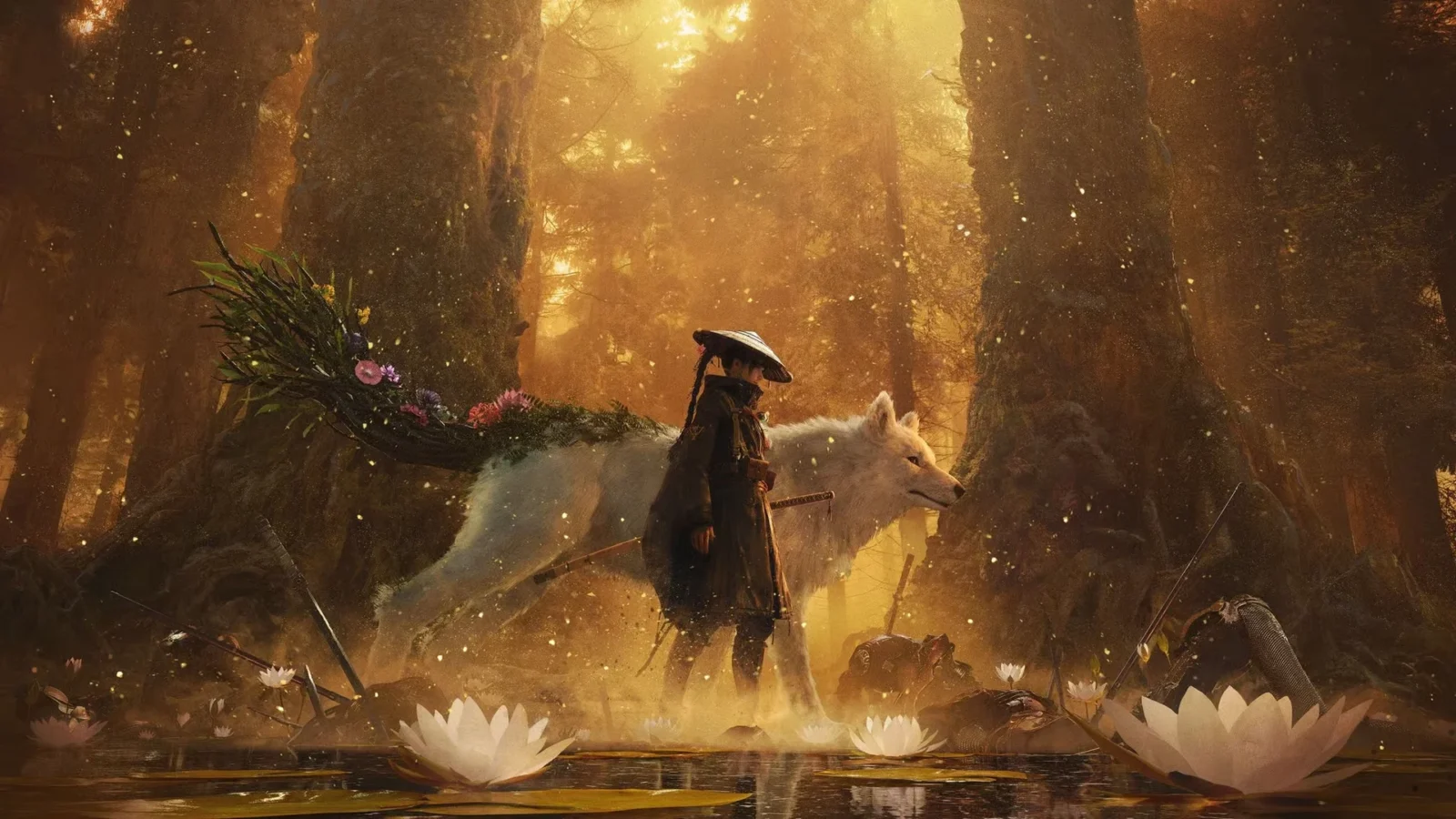
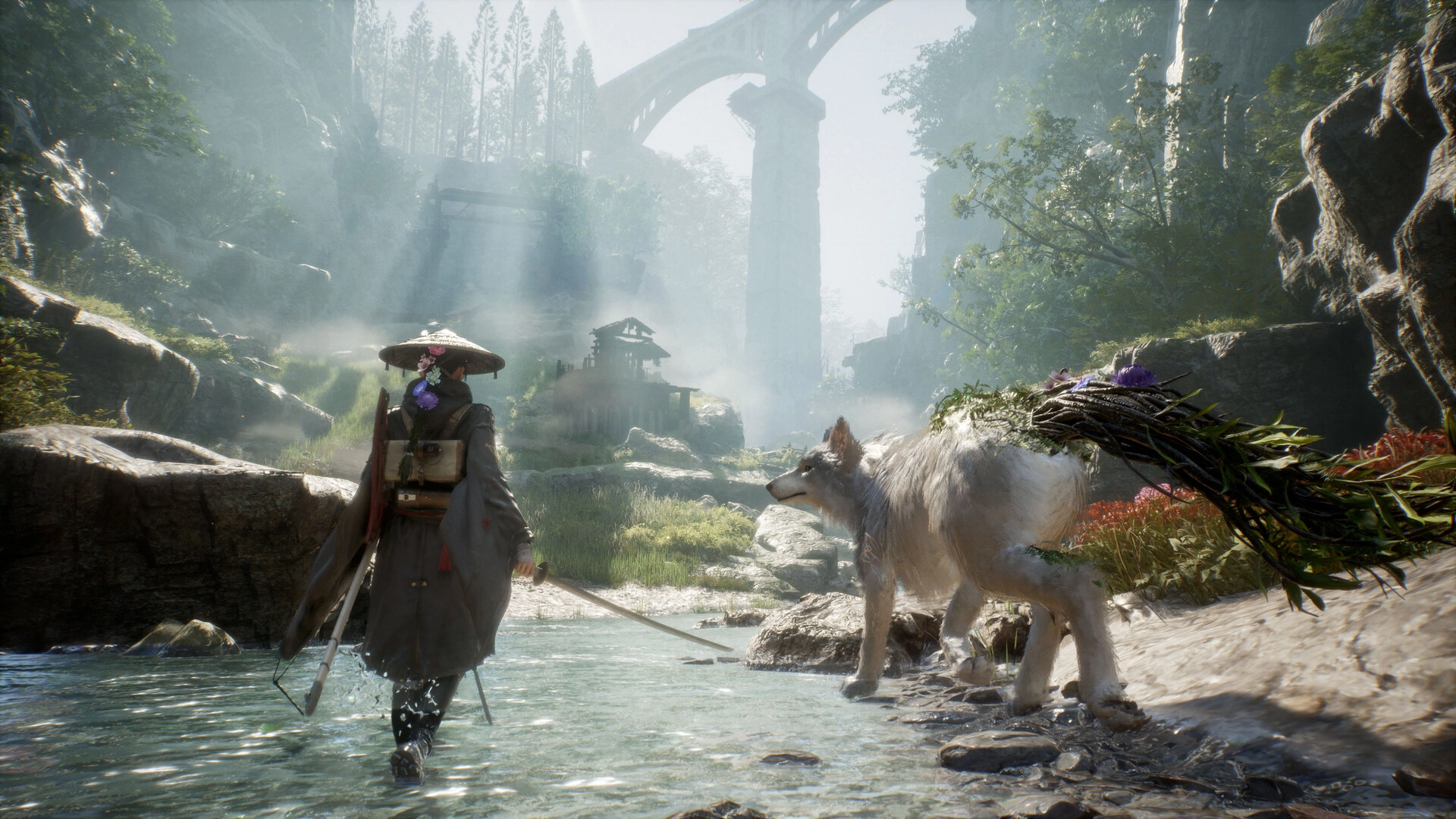
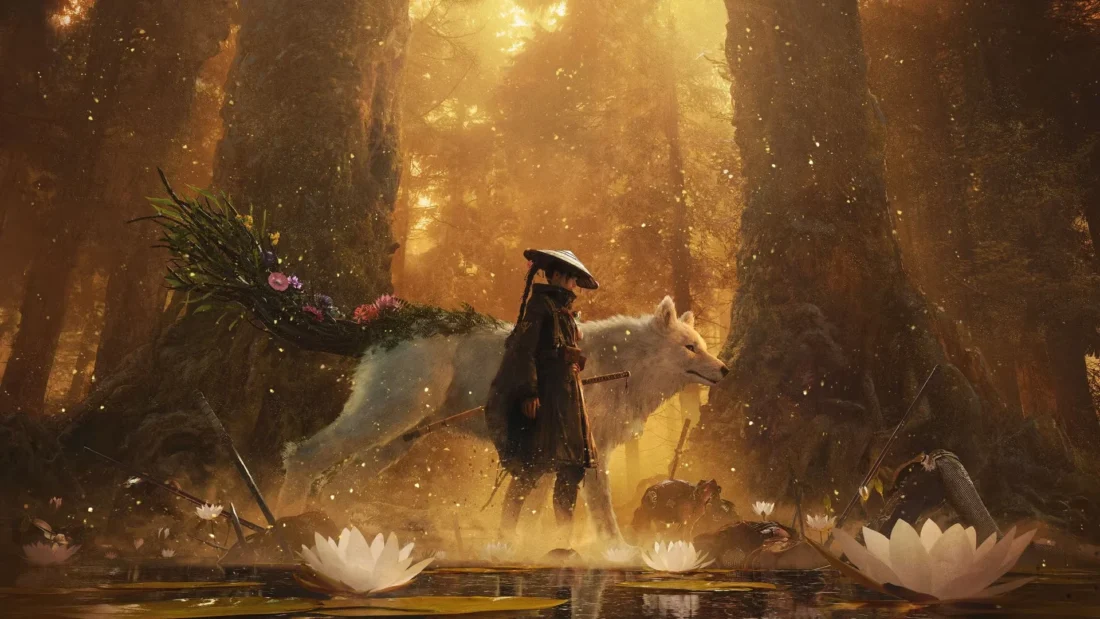
There is a sadness woven into Beast of Reincarnation that announces itself long before the game explains why. In the year 4026, Japan is a place half-remembered by itself, its old roads and cities disappearing beneath forests that have grown impossibly tall, while remnants of technology lie scattered like the bones of a civilisation that has forgotten how to die properly. Emma walks through this world with a sword in her hand and Koo at her side, a strange, loyal creature whose presence gradually becomes as important to the story as Emma’s own fractured memories. Their journey is ostensibly concerned with finding the Beast of Reincarnation, but the more compelling journey is the one happening quietly beneath it: Emma trying to understand who she was, and what it means to remain human when the world that gave that word meaning has almost entirely disappeared. The story occasionally reaches for familiar post-apocalyptic ideas, but there is a gentleness to the way it treats them. It is less interested in the spectacle of the end than in the small things that survive it — companionship, memory, grief, and the stubborn human impulse to keep walking.

Two Against the World

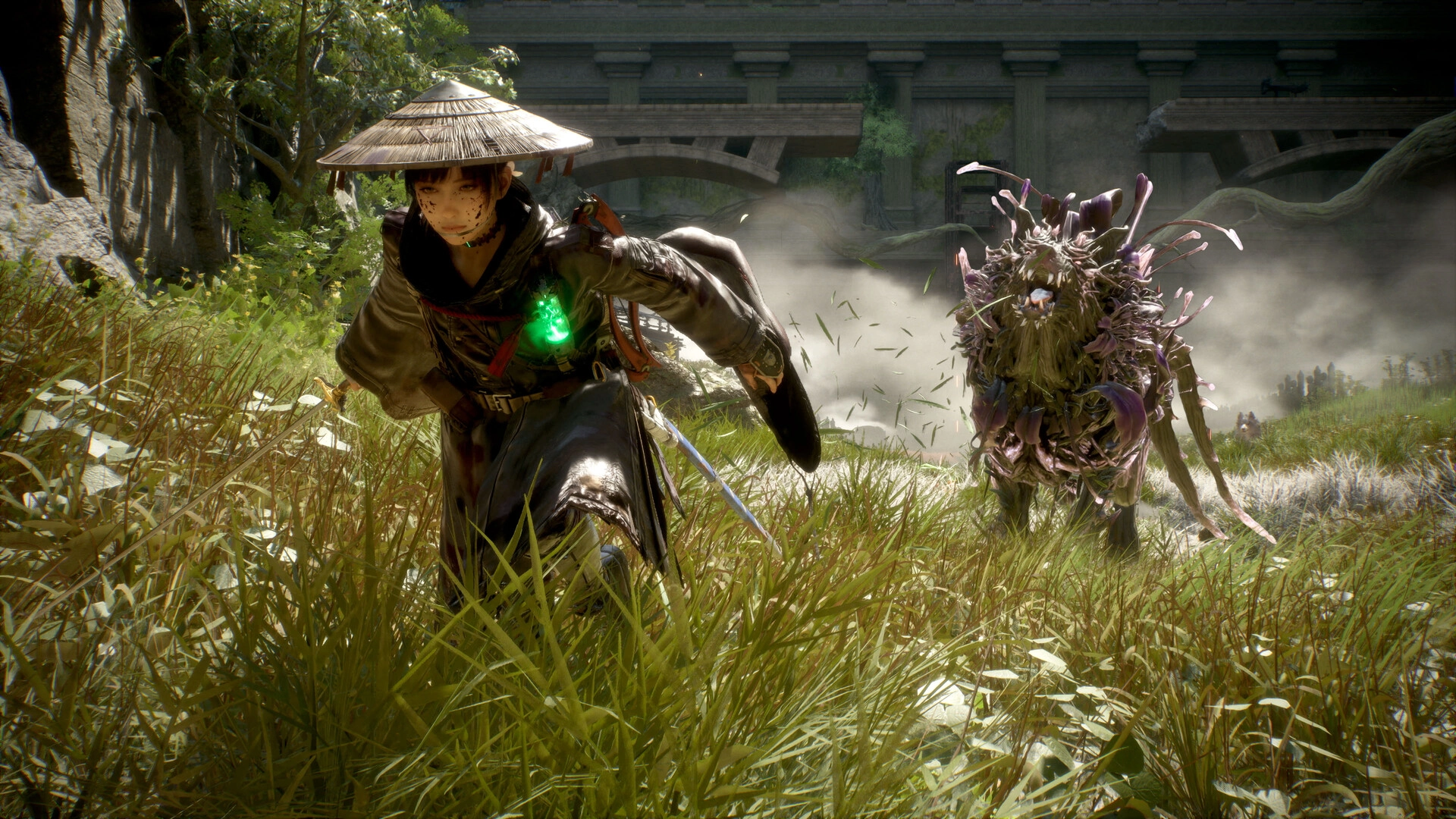
For a studio so intimately associated with Pokémon, it is strange at first to see Game Freak asking you to draw a sword rather than throw a Poké Ball. Yet Beast of Reincarnation settles into its new skin surprisingly quickly. Emma’s combat is built around a familiar vocabulary of dodges, parries and precise strikes, but there is something pleasingly tactile about the way each encounter unfolds. Enemies do not simply wait to be defeated; they have rhythms that must be read, attacks that invite a response, moments when patience is more valuable than aggression. The sword feels quick without becoming weightless, and a well-timed parry has that satisfying little spark of recognition that makes you feel, for a moment, as though you have understood the language of the creature in front of you. It is not trying to reinvent the action RPG, but it understands that sometimes the pleasure of a familiar form comes from how carefully it is played.

The real surprise is Koo. In another game, the dog might have been content to provide companionship, perhaps fetching an object or wandering faithfully behind Emma while the player handled the important business. Here, Koo is part of the grammar of combat itself. Commands can interrupt enemies, create openings and change the rhythm of an encounter, so that fighting becomes less about Emma defeating everything herself and more about the two of them finding a shared rhythm. There is a lovely simplicity to the idea, but it gives the combat an identity that belongs to Beast of Reincarnation. The best encounters feel almost conversational: Emma strikes, Koo responds, an enemy staggers, and suddenly the battle has become a small exchange between three living things rather than a procession of health bars waiting to be emptied.

That sense of partnership deepens as the game’s progression systems begin to open up. Skill trees and upgrades give Emma and Koo new ways to approach the creatures scattered across the world, while exploration provides its own quiet rewards. There is never quite the feeling of being buried beneath numbers, modifiers and equipment screens; instead, progression feels like adding another sentence to a language you are already learning. A new ability can change the shape of a familiar encounter, and an upgrade can turn something that once seemed merely useful into something you begin building your entire approach around. It is a modest system, but perhaps deliberately so. Beast of Reincarnation seems less interested in giving you a spreadsheet of possibilities than in letting you discover a handful of tools and become intimately familiar with them.

For all that elegance, though, the combat can occasionally reveal the seams beneath it. Smaller enemies are sometimes too familiar for too long, and once their patterns have settled into memory, encounters can lose the sense of danger that made them satisfying in the first place. The larger creatures are where the game finds its stride. These battles give the mechanics room to breathe, allowing scale and movement to become part of the challenge rather than merely decoration. A giant beast can make Emma seem suddenly insignificant, forcing you to think about distance and timing in a way that a smaller skirmish rarely does. There is something wonderfully old-fashioned about these encounters, too: the feeling of being placed in front of an enormous creature and simply having to learn how it works.

Perhaps the most appealing thing about Beast of Reincarnation, however, is that it never seems particularly interested in proving how difficult it can be. Its systems are generous, its checkpoints considerate, and its approach to progression designed to keep the journey moving rather than turn every defeat into a punishment. That generosity occasionally softens the tension, particularly when you might wish the game would let a dangerous encounter breathe a little longer, but it also contributes to the strange warmth that runs beneath the game’s melancholy. This is an adventure about a ruined world that does not want to make your own journey through it miserable. It wants you to see what is around the next corner, to understand the creatures that inhabit it, and above all to keep moving alongside Koo.

A Future Lost to Nature

The world is where Beast of Reincarnation makes its strongest argument for itself. This is not simply a ruined Japan decorated with familiar post-apocalyptic signifiers, but a place where nature has become almost mythological in its scale. Forests rise around broken structures, roots push through the remains of human architecture, and old technology sits half-buried beneath layers of green. There is a lovely contradiction to the landscape: humanity has lost, yet the world itself has become strangely more alive. The further Emma travels, the more it feels as though civilisation has not been destroyed so much as gently erased, one building, road and machine at a time.

That sense of scale is particularly effective when the game allows its creatures to emerge from the landscape rather than simply placing them inside it. A distant shape becomes a movement between trees; a familiar stretch of wilderness suddenly feels very small; and then something enormous steps into view and changes the proportions of everything around it. These moments have a quiet cinematic quality without needing to announce themselves as spectacle. Emma is often dwarfed by the world she is travelling through, and that makes the journey feel appropriately lonely. The ruins are not there merely to tell you that the world ended. They remind you that something existed here before Emma arrived.

The soundtrack understands that melancholy, too. There is a restraint to much of the music, a willingness to let silence and environmental sound occupy the spaces between battles. When the score does swell, it feels less like an instruction to feel something and more like the landscape finally finding a voice. The result is a game that can move from the quiet intimacy of Emma and Koo travelling together to the enormous drama of a creature encounter without feeling as though it has changed its personality. Even the voice work contributes to that sense of a world attempting to remember itself, giving the quieter moments enough sincerity to prevent the game’s more earnest ideas from collapsing beneath their own weight.

It is not, unfortunately, a world without blemishes. There are moments where animations lack the fluidity you might expect, and the technical roughness occasionally interrupts the illusion that the game’s art direction works so hard to create. Some environments can begin to feel visually familiar, and the seams become more obvious whenever the game reaches for something particularly ambitious. Yet these imperfections are difficult to separate from the peculiar charm of the whole thing. Beast of Reincarnation does not possess the immaculate surface of a blockbuster, but perhaps that is not what makes its world memorable. It has an atmosphere that lingers after the machinery has stopped moving: forests reclaiming cities, old technology disappearing beneath roots, and two travellers walking through the remains of a future that never quite arrived.

9
Verdict
Summary

Beast of Reincarnation is fascinating because it feels less like Game Freak attempting to become another studio and more like Game Freak discovering that there are still corners of itself it has never explored. Its action combat is occasionally uneven, its smaller encounters can become repetitive, and its technical limitations are impossible to ignore, but these things become strangely secondary whenever the game finds that particular rhythm between Emma and Koo. There is something deeply appealing about watching a studio so long defined by the comforting familiarity of Pokémon make something uncertain, strange and unexpectedly melancholic. Beast of Reincarnation does not abandon what made Game Freak interesting; it simply turns those instincts towards a different horizon. Beneath the swords, beasts and ruined cities is a remarkably tender game about companionship and memory, about carrying something precious through a world that has forgotten how to protect it. And when Emma and Koo disappear into another enormous forest, with the remains of Japan slowly vanishing behind them, it feels less like the end of an adventure than the beginning of a new chapter for Game Freak.