PC

Valor Mortis Review—Death Comes Into Focus

There was something particularly intriguing about the prospect of Valor Mortis. One More Level had already demonstrated, across its Ghostrunner games, an uncommon understanding of how to make a first-person perspective feel physical, fluid and immediate, turning movement into something close to a form of expression. But the Soulslike is a different sort of beast, one that asks for patience where Ghostrunner demanded precision at speed, and contemplation where it once encouraged momentum. I was curious to see what the studio might cook up when confronted with those opposing instincts. The answer, as it turns out, is something rather wonderful: a game that understands the pleasures of the genre but isn’t content to simply follow in the footsteps of those that came before it.

Release Date: October 13th 2026
Developer: One More Level
Publisher: Lyrical Games, One More Level
Price: £38.68/ $44.98 USD
Reviewed On: PC
* Access Provided For Review *

More Details

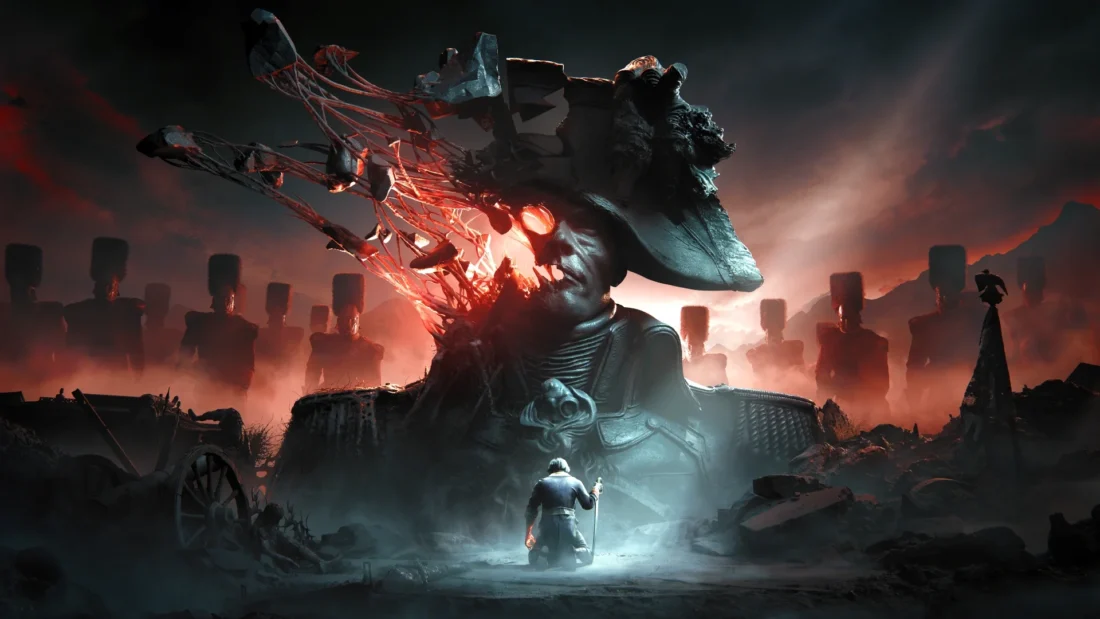
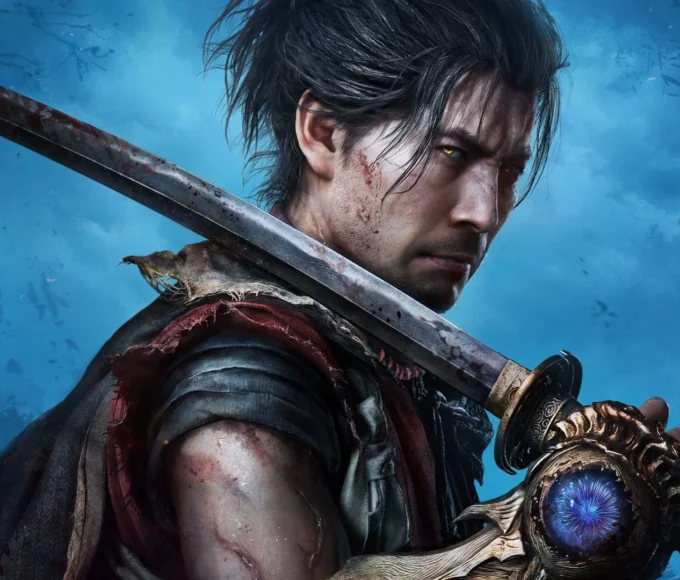
Set against a nightmarish reimagining of the Napoleonic Wars, Valor Mortis casts you as William Dowsett, a British soldier who awakens among the dead after a mysterious plague has swept across Europe. Something has brought him back, though resurrection proves to be less a blessing than an invitation into a world that has become thoroughly unrecognisable. The familiar horrors of war have given way to something altogether more grotesque, with corrupted soldiers, monstrous creatures and the lingering presence of Napoleon’s ambitions creating a landscape in which history has curdled into nightmare. There’s an immediate fascination to this collision of historical fiction and supernatural horror, even if the larger mysteries surrounding William’s predicament occasionally feel more like a means of moving the adventure forward than an invitation to dig deeper. It’s an effective premise, though, and one that gives the familiar Soulslike pursuit of answers a suitably troubled setting.

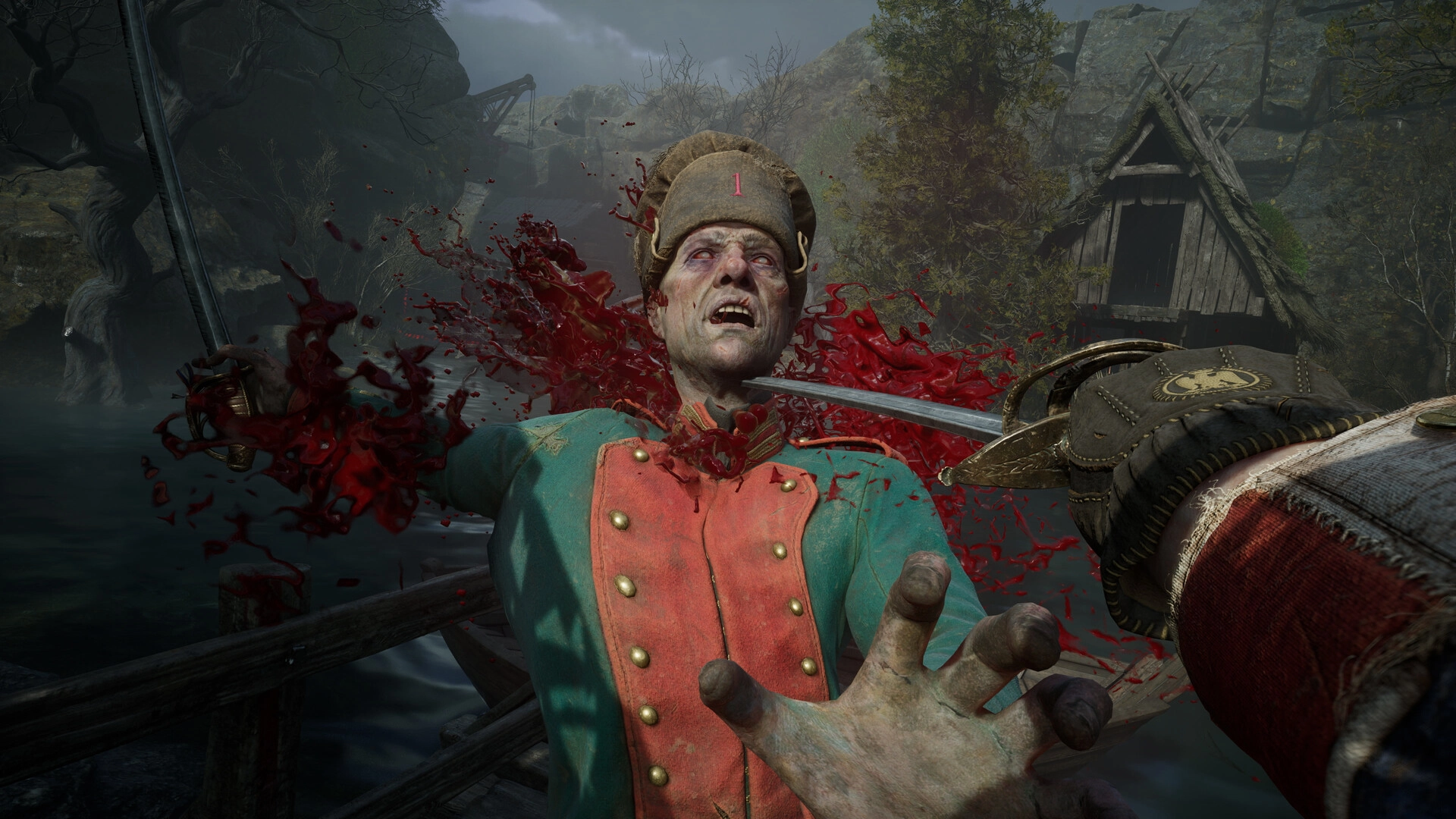
The most immediately striking thing about Valor Mortis is its perspective. Soulslikes have spent years teaching us to observe our opponents from a comfortable distance, reading their movements and committing their patterns to memory. Here, everything happens from behind William’s eyes, bringing you uncomfortably close to the business of survival. An enemy’s attack fills your field of vision; the distance between yourself and a blade suddenly feels terribly intimate. It could easily have become disorientating, but One More Level understands how to make first-person combat feel deliberate rather than clumsy. There’s a welcome weight to your movements, a sense that every encounter is a conversation conducted through timing and positioning, and the result is a fresh perspective on a formula that has become increasingly familiar.

Parrying is the beating heart of this system. Rather than simply retreating whenever an enemy begins to wind up an attack, you’re encouraged to meet aggression head-on, learning the rhythm of each opponent and finding the precise moment to turn their confidence against them. There’s a particular satisfaction in landing a perfectly timed parry, not least because it transforms a desperate defensive exchange into an opportunity to take control. The game is at its best when it demands that you pay attention, when an encounter becomes a matter of instinct and observation rather than an exercise in wearing down an oversized health bar. Not every confrontation achieves that balance, and the occasional encounter can feel more chaotic than challenging, but the underlying combat has a confidence that makes it difficult to put down.

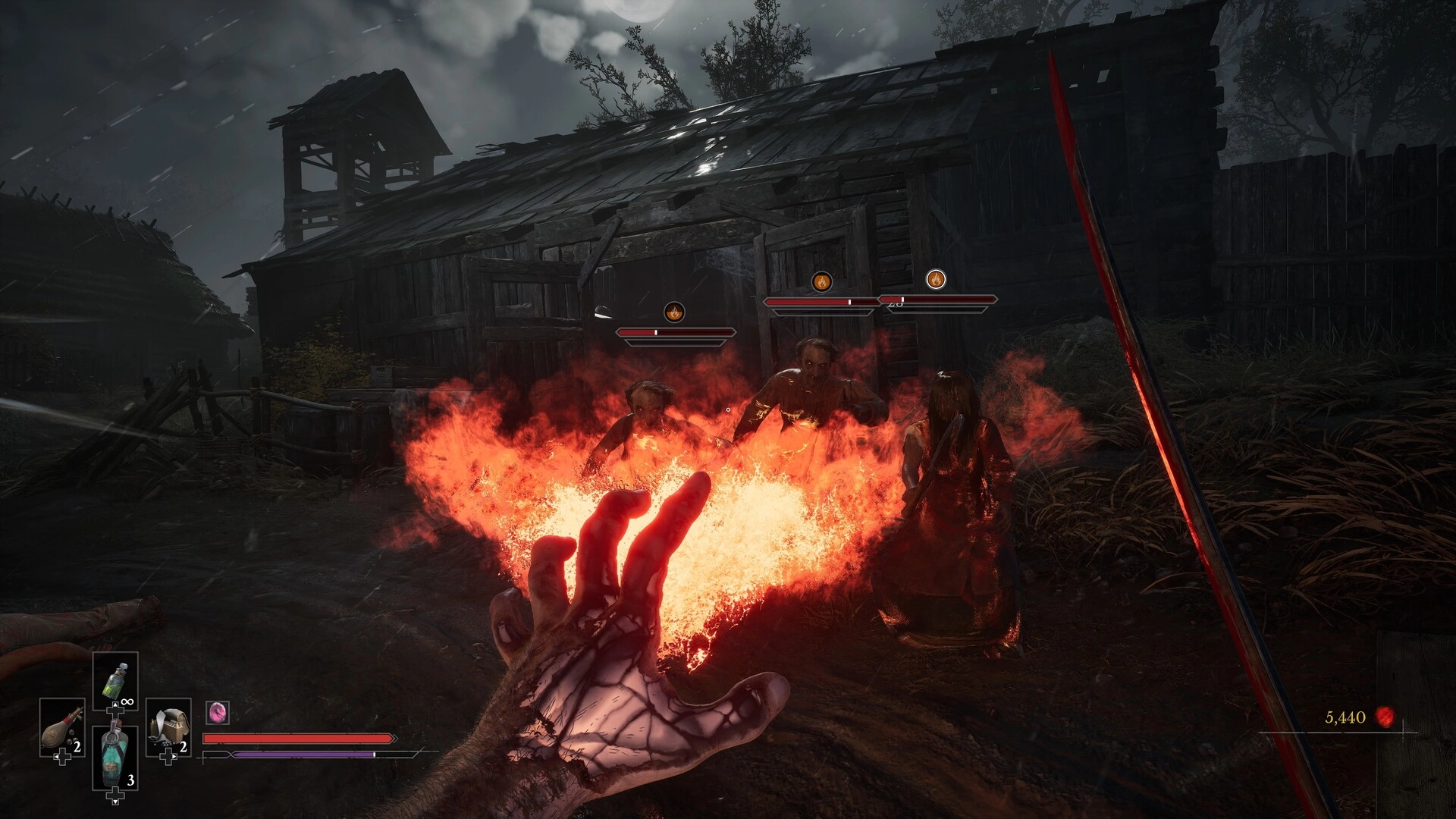
There’s more to William’s repertoire than a sword and a well-timed block, thankfully. Firearms and supernatural abilities add welcome layers to the fighting, allowing you to interrupt an enemy’s rhythm, exploit an opening or deal with a threat that would otherwise be awkward to approach. These tools don’t make the game’s challenges trivial; rather, they encourage you to think about how best to approach them. The pleasure comes from learning when to commit to close-quarters combat and when to step back, conserve your resources or use an ability to create some breathing room. There’s a lovely sense of improvisation to the best encounters, even if the limited range of weapons and powers means that the possibilities don’t always expand as much as you might hope. Still, the interplay between these systems gives combat a personality of its own, rather than leaving it feeling like a conventional Soulslike transplanted into a different camera.

It is in its boss battles, though, that Valor Mortis truly comes into its own. These encounters stand as imposing tests of everything the game has spent hours teaching you, demanding not only a keen understanding of timing and positioning but the patience to recognise where you’ve gone wrong and the determination to try again. Defeat can be a bitter pill to swallow, particularly when a promising attempt ends in a moment of misplaced confidence, but there’s a wonderful insistence to these fights that makes giving up feel almost unthinkable. Each failure offers another small lesson, another glimpse of an opening you might exploit next time, until an encounter that once seemed insurmountable begins to feel within reach. And when victory finally arrives, it carries the particular satisfaction that only a hard-won triumph can provide: not simply the relief of surviving, but the knowledge that you’ve become a little better at the game. These are the moments when Valor Mortis most convincingly earns its Soulslike inheritance, turning frustration into motivation and perseverance into its own reward.

One More Level’s previous work becomes especially apparent when the fighting gives way to exploration. William can move through the world with an agility that distinguishes Valor Mortis from many of its peers, negotiating environmental obstacles and traversing spaces that would be little more than decorative scenery in a more traditional Soulslike. The levels reward curiosity, too, with branching routes, hidden discoveries and reasons to stray from the obvious path. There is a pleasing rhythm to these excursions: the tension of a dangerous encounter gives way to the satisfaction of finding a new route, only for the prospect of another ambush to pull you back into a state of uneasy vigilance. The occasional environmental trap feels unfairly placed, and the challenge can sometimes tip from demanding into frustrating, but the overall design gives the world a welcome sense of depth. This isn’t simply a succession of arenas connected by corridors; it’s a place worth getting lost in.

Progression ties these disparate elements together without entirely overwhelming them. Improvements to William’s abilities give each return to a familiar stretch of ground a sense of purpose, while the resources scattered throughout the world encourage you to investigate corners that might otherwise go unexplored. The usual Soulslike tension between risk and reward remains central to the experience, making each detour feel like a small wager against the possibility of losing momentum. What I particularly appreciate is how these systems complement the game’s physicality. Exploration isn’t merely a matter of finding a stronger weapon or accumulating enough resources to make the next boss more manageable; it’s also about becoming more comfortable in a hostile world, learning its rhythms and discovering how its spaces fit together. There are rough edges in the balancing, particularly when the game expects you to contend with several threats at once, but the broader loop of exploration, combat and gradual mastery is wonderfully compelling.

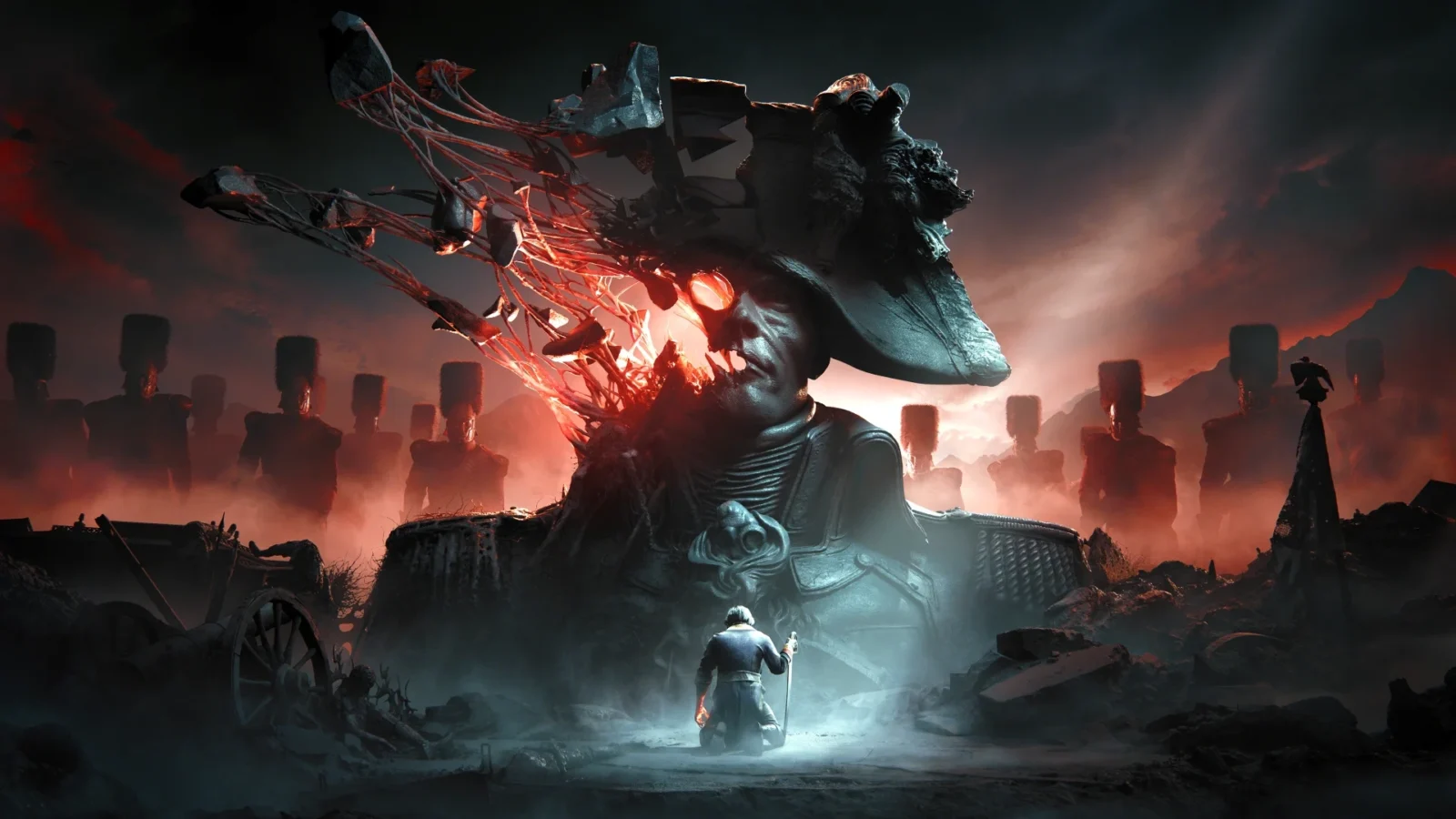
Visually, Valor Mortis finds much of its strength in the contrast between the recognisable and the utterly wrong. Its Napoleonic setting offers a wealth of striking imagery: military architecture, ruined settlements and the remnants of a continent caught in the machinery of war. Against these familiar sights, the supernatural corruption feels all the more unsettling. There’s a grim beauty to the way the world has been transformed, with environments that suggest lives interrupted and places abandoned long before William arrived. Rather than relying solely on grotesque creatures to establish its horror, the game makes the landscape itself feel sick, as though the plague has infected not just its inhabitants but the very idea of civilisation. It’s a memorable aesthetic, and one that gives the adventure an identity beyond its mechanical influences.

The creature designs reinforce that sense of unease. Corrupted soldiers retain enough of their former humanity to make their transformations disturbing, while the more outlandish monstrosities provide a welcome contrast to the game’s historical foundations. There is an effective physicality to the presentation, too, with the first-person viewpoint ensuring that the world feels close enough to touch and its dangers uncomfortably near. This intimacy makes the quieter moments particularly effective: a ruined building or an empty stretch of road can carry a surprising amount of atmosphere when you’re the one standing in the middle of it. The environments aren’t uniformly spectacular, and some stretches lack the visual variety of the game’s strongest locations, but the art direction remains cohesive enough to make the journey feel like a descent into a single, increasingly corrupted vision of Europe.

Sound completes the illusion. The clatter of combat, the impact of a successful parry and the unsettling noises of the creatures inhabiting this world all contribute to the sense that William is never entirely safe. In a first-person game built around reading enemy behaviour, such details are more than decorative flourishes; they help give encounters their rhythm, reinforcing the relationship between what you hear and what you must do next. The voice work lends the world further character, while the soundscape makes even moments of relative calm feel charged with the possibility of violence. The music is less consistently memorable, occasionally content to sit behind the action rather than give it a stronger emotional shape, but the overall sound design is superbly considered. It gives the fighting a tactile quality and the world a persistent, uncomfortable presence.

8
Verdict
Summary

What makes Valor Mortis so satisfying is that it feels like a genuine meeting of ideas rather than a studio simply trying its hand at another popular genre. One More Level brings the physical immediacy and movement expertise of Ghostrunner into a form that demands patience, observation and restraint, and the resulting combination feels distinctive even when the familiar Soulslike machinery occasionally shows through. Its uneven difficulty and limited variety prevent every encounter from reaching the heights of its best moments, while its intriguing premise could have supported a more ambitious story. Yet these shortcomings pale beside the pleasure of mastering its combat, exploring its haunted landscapes and discovering just how naturally this perspective lends itself to the genre. Valor Mortis is a confident, atmospheric and frequently exhilarating evolution of the Soulslike, and proof that even a well-worn formula can still surprise when placed in the right hands.

Related Articles

Thank You Bus Driver Review—The Trouble with Getting There

The thing that makes Thank You Bus Driver such an appealing prospect...

Moros Protocol Review—The Horror of Repetition

There was something about Moros Protocol that caught my eye almost immediately....

Roguecraft DX Review—Learning to Read the Dark

There is something wonderfully direct about Roguecraft DX. In an era when...

Onimusha: Way of the Sword Review—Twenty Years Later, The Sword Is Still Sharp

There is a particular kind of excitement that comes from seeing an...