PlayStation

Keeper Review—The Light at the End of Somewhere

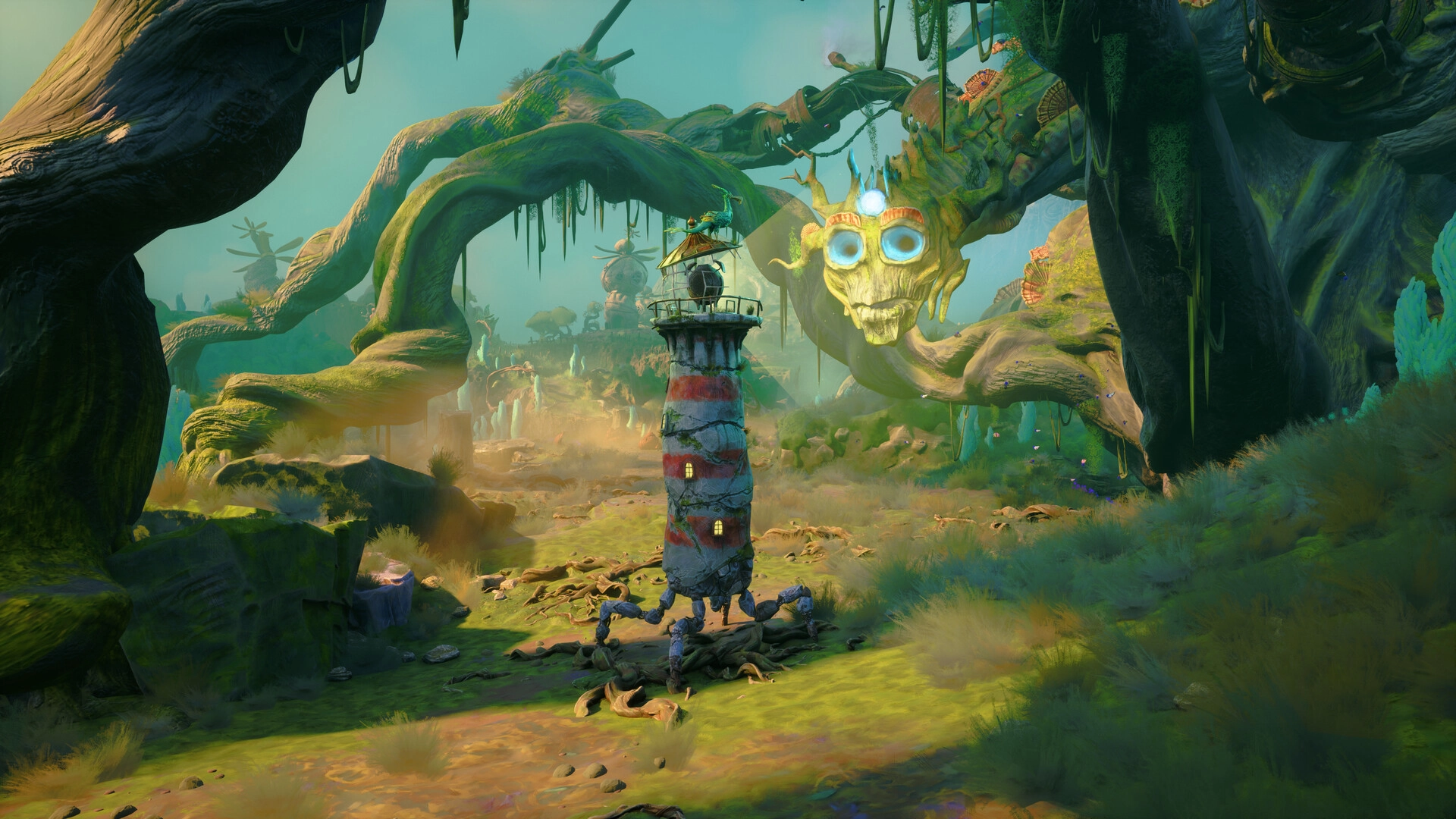
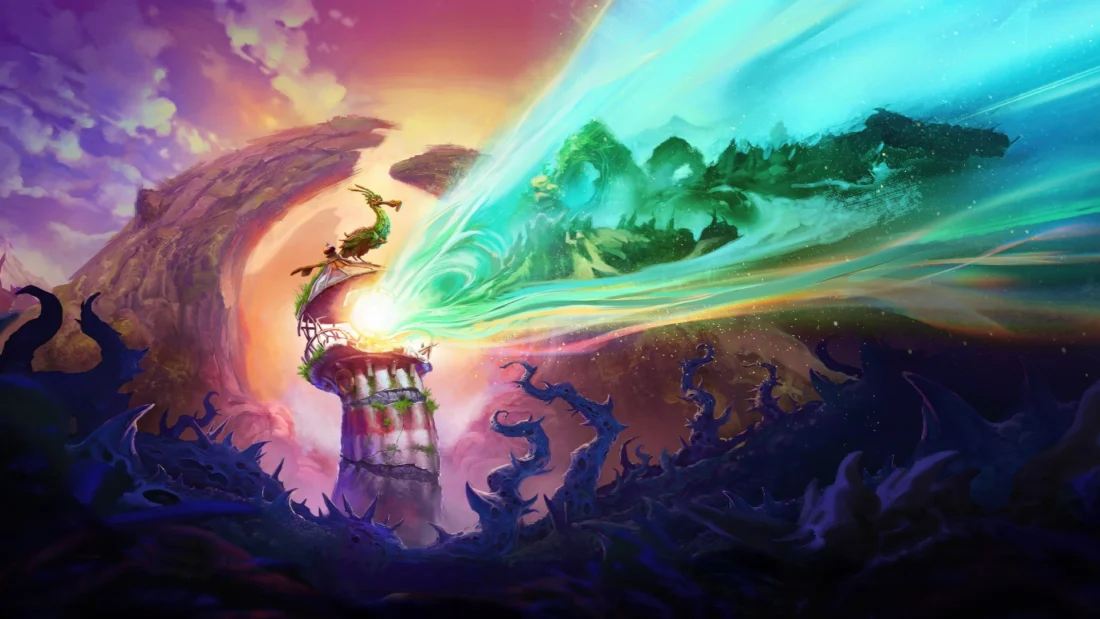
There is something quietly absurd about playing as a lighthouse. Not the person who keeps one burning through the night, but the lighthouse itself: an old tower of stone and glass that wakes from its long sleep, sprouts legs and simply walks away. It sounds like the beginning of a joke, but Keeper plays it with such sincerity that the strangeness soon becomes ordinary. This is a game about things that should not move, places that should not breathe, and the peculiar comfort of finding companionship somewhere you least expect it. Double Fine has always been fond of the unusual, but here that oddness feels less like a punchline and more like a way of seeing the world.

Release Date: September 3rd 2026
Developer: Double Fine Productions
Publisher: Double Fine Productions
Price: £15.99 / $19.99 USD
Reviewed On: PlayStation 5
* Access Provided For Review *

More Details

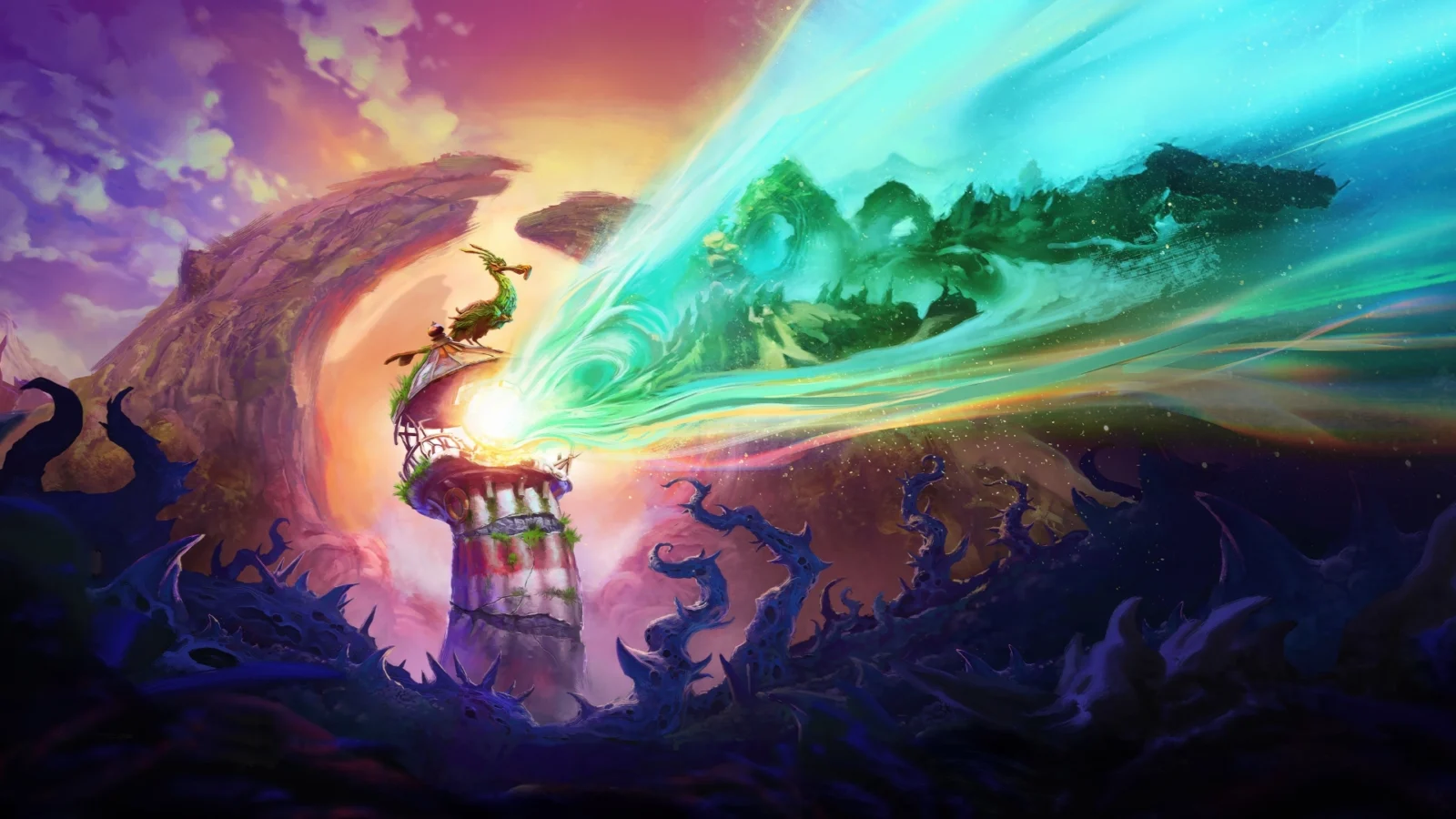
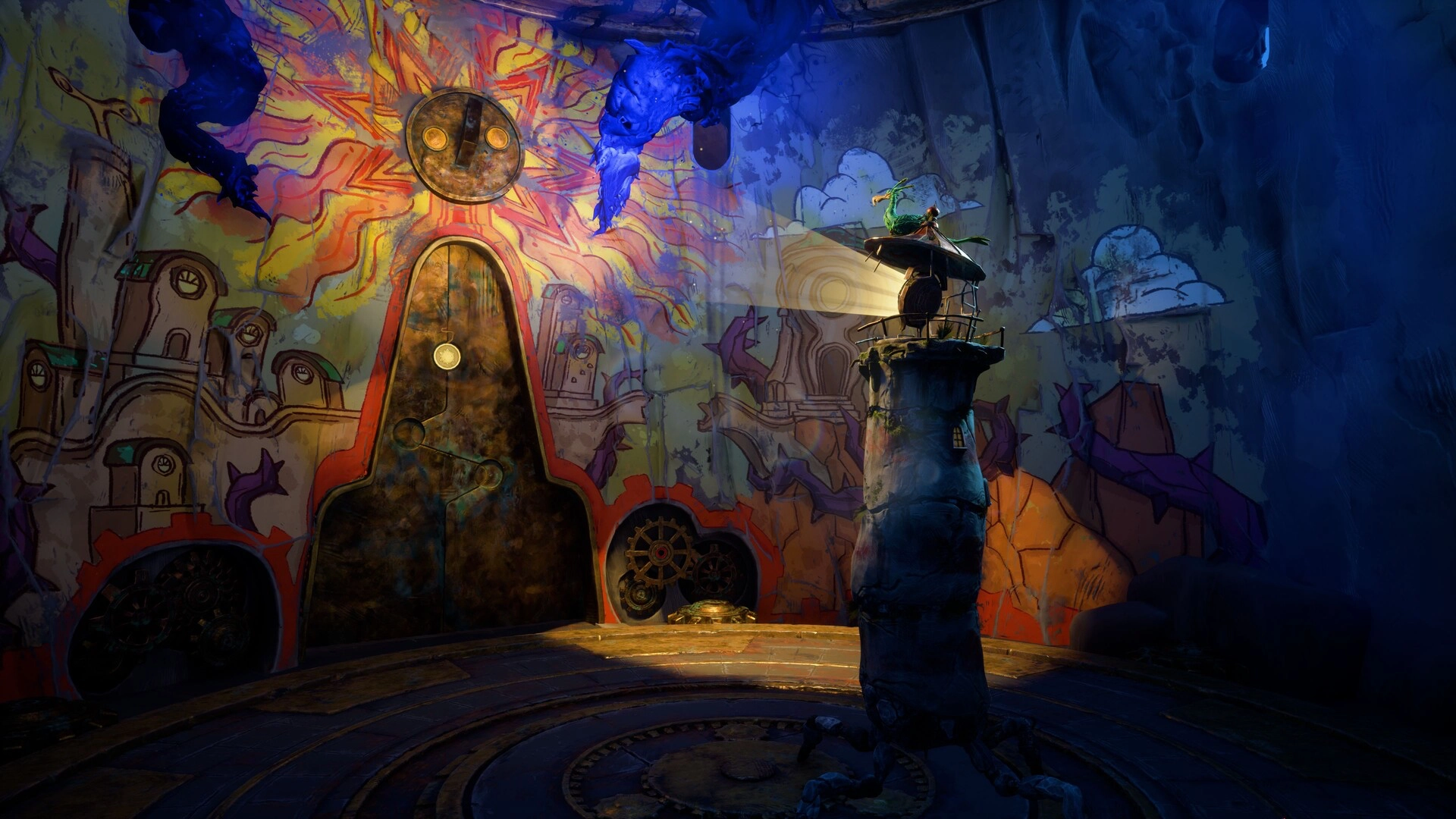
The story begins with the lighthouse awakening on a remote island, its beam no longer fixed upon the horizon but searching for somewhere to go. Along the way it finds Twig, a small seabird who becomes its companion, and together they begin travelling towards a distant mountain. The world around them is one of abandonment and renewal, where ruins have been swallowed by vegetation and strange life has grown into the spaces left behind. There is little dialogue and almost no conventional exposition. Instead, Keeper lets its landscapes speak, trusting you to understand its story through movement, environment and the small gestures shared between its two travellers. It is a simple tale, but one told with enough restraint to leave a little room for mystery.

The lighthouse’s beam is the game’s first language. Shine it in the right place and plants awaken, pathways reveal themselves and the world responds in ways that gradually teach you its rules. These puzzles are rarely difficult, but difficulty isn’t really the point. Keeper wants you to pay attention. Its environments are constructed less like obstacle courses and more like things to be examined, and progress often comes from noticing something that was quietly asking for your attention all along.

That makes exploration feel unusually gentle. There are no enemies waiting around every corner and no constant pressure to move forward. You walk, look, experiment and occasionally stop simply because something in the distance caught your eye. At times this can feel almost too passive, particularly when an interaction amounts to little more than finding the obvious thing and illuminating it. But there is a confidence in a game willing to leave this much empty space. Keeper understands that wandering can be its own reward, even if not every stretch of its journey quite earns the time it asks of you.

As the adventure continues, however, the lighthouse begins to change. New abilities and forms of movement arrive, gradually shifting the rhythm of the game and revealing that the quiet journey you thought you were playing is capable of becoming something considerably stranger. Double Fine handles these transformations with a light touch. Rather than simply adding another icon to an ability wheel, each change alters the way you inhabit the world. The lighthouse stops being merely a character moving through a landscape and becomes part of the landscape’s strange logic.

Twig completes that idea. The bird is more than a companion following dutifully behind; it becomes the other half of the game’s movement and problem-solving. Their relationship is communicated almost entirely through action, which makes it feel refreshingly unforced. There are no lengthy conversations telling you why they care about one another. They simply keep going together. The lighthouse provides its light; Twig brings curiosity and energy. It is a small partnership, but one that gives the adventure a warmth beneath all its strangeness.

The world itself is where Keeper makes its strongest impression. Double Fine has created something that feels simultaneously organic and artificial, as though a children’s picture book had been left outside in the rain and allowed to grow roots. Ancient structures disappear beneath enormous plants. Familiar shapes sit beside creatures that seem to have evolved according to entirely different rules. Colour becomes increasingly important as the journey progresses, with subdued landscapes giving way to startling bursts of life. There is beauty here, but it is the beauty of somewhere that does not need you.

The animation gives the world its personality. The lighthouse’s ungainly legs should make it ridiculous, yet every movement gives it a peculiar dignity, as though this ancient structure has simply decided that standing still is no longer enough. Twig is more immediately expressive, darting and fluttering around it, and the contrast between the two creates much of the game’s charm. The camera occasionally struggles with the same environments it so clearly wants to frame, but when it gets things right, Keeper can compose a scene with the confidence of an animated film.

The sound is quieter, but it knows when to speak. The creaks and mechanical noises of the lighthouse make it feel like an object with weight, while the music moves between melancholy, wonder and something more alien. There are moments when the soundtrack disappears almost entirely, leaving only the sound of movement and the distant life of the island. Those silences matter. They give the world space to exist without constantly reminding you that you’re playing a game.

8
Verdict
Summary

Keeper is not a particularly demanding adventure, and sometimes its gentleness becomes its greatest weakness. Its puzzles can feel slight, its pace occasionally drifts, and there are moments when you wish the game would trust its mechanics as much as it trusts its imagination. But imagination is difficult to dismiss when it is this abundant. What begins with a lighthouse walking away from the sea becomes a quietly affecting journey about change, companionship and the strange things that can grow in the ruins we leave behind. It is an adventure that asks little of you beyond patience and curiosity, and rewards both with a world that feels genuinely its own. Sometimes that is enough. Sometimes, simply following the light is the point.


Related Articles

Fear The Timeloop Review—Lost Between the Minutes

There is something immediately appealing about a horror game that begins with...

Beast of Reincarnation Review—The Beginning of Something New

For most of its life, Game Freak has existed in the enormous...