PlayStation

Fear The Timeloop Review—Lost Between the Minutes

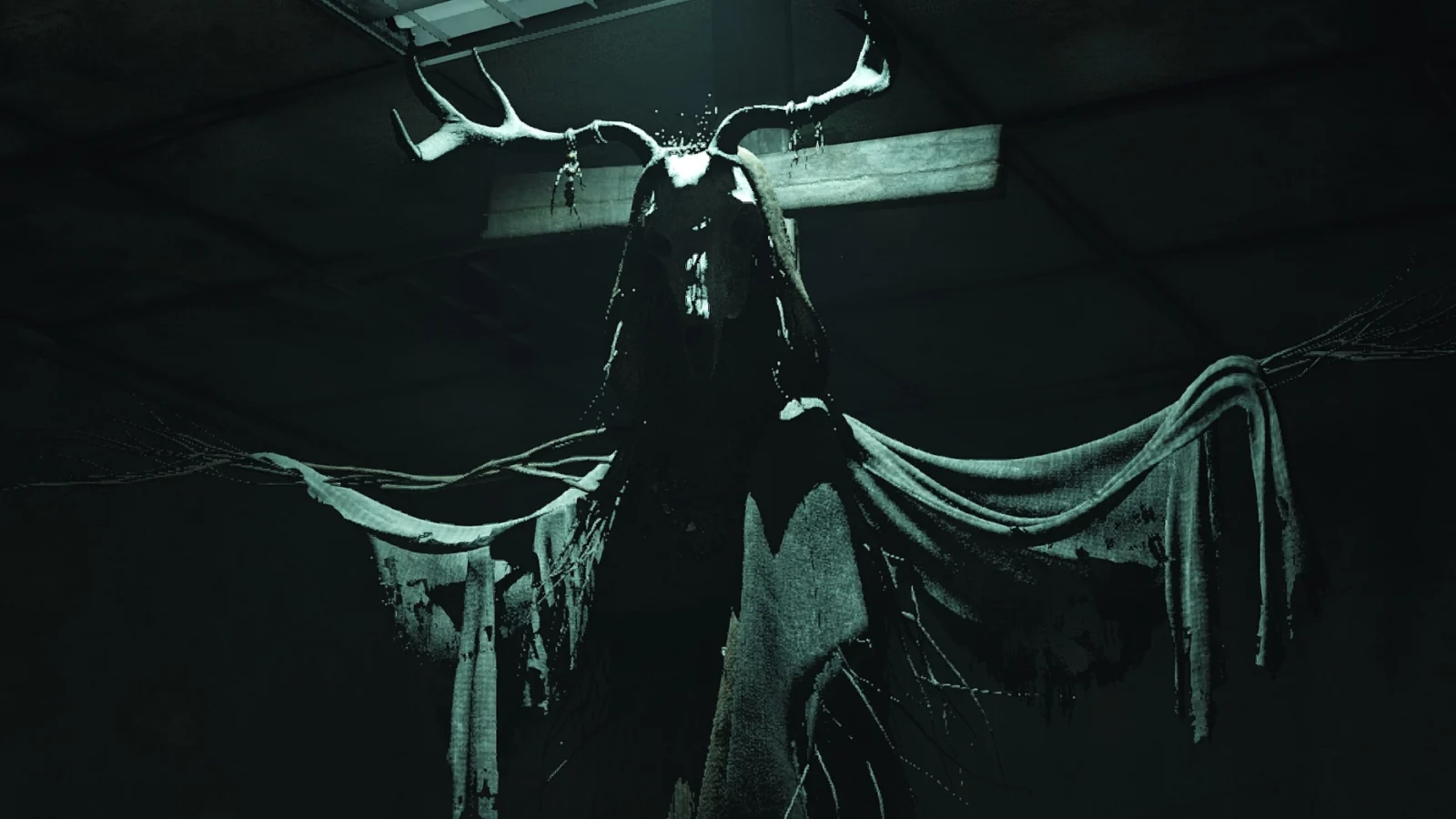
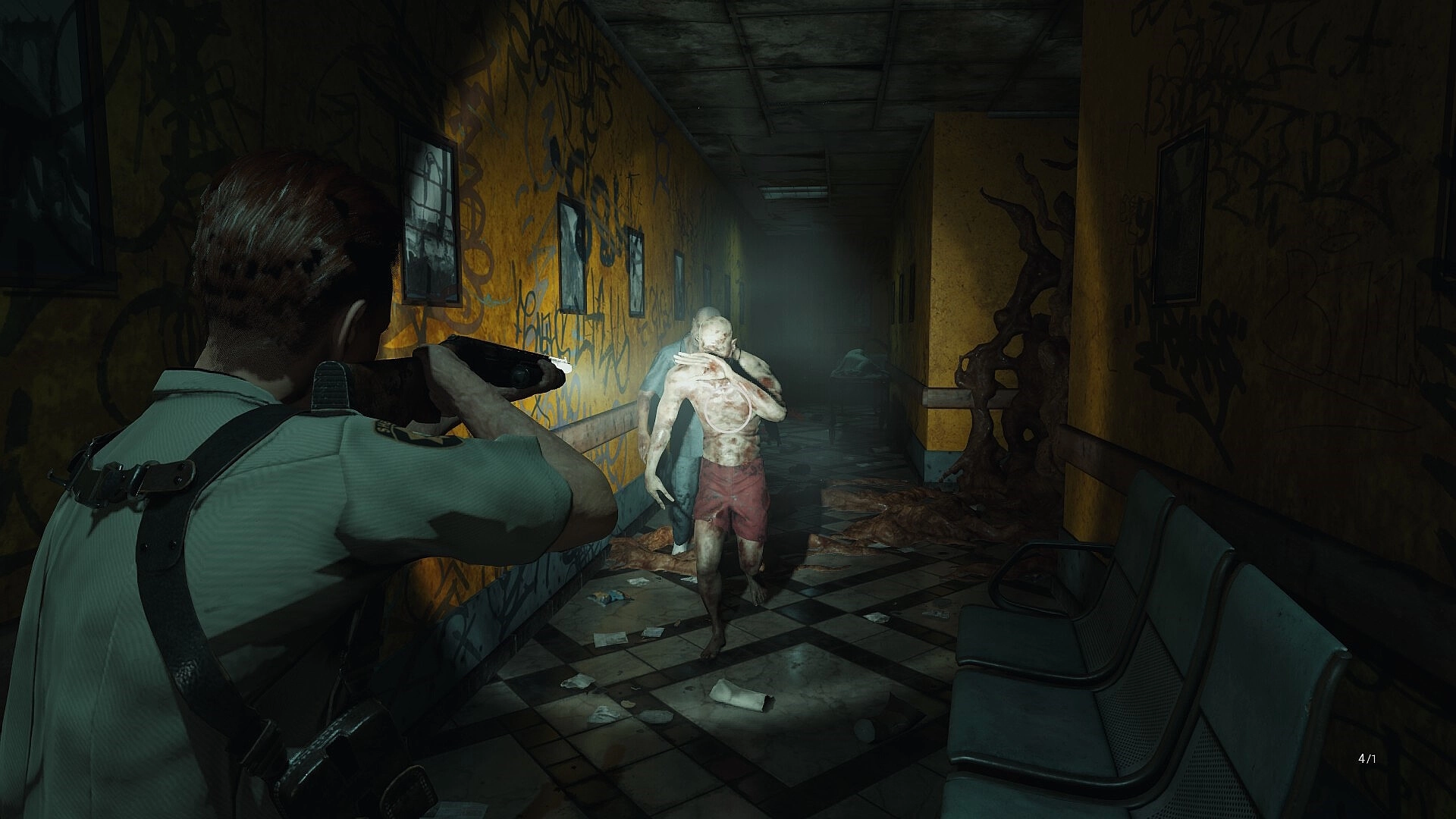
There is something immediately appealing about a horror game that begins with a clock already running. Fear The Timeloop understands that terror is often less about what is waiting around the corner than the knowledge that there is never quite enough time to find out. You wake in Saint Heritage Hospital with the unpleasant certainty that your body is failing and fifteen minutes standing between you and another beginning. It is an old survival-horror trick given a new rhythm: doors that were once destinations become landmarks, corridors become familiar, and death becomes less an ending than another page turned in a book you are slowly learning to read. There is a pleasingly old-fashioned quality to it all, as though Fear The Timeloop has wandered out of the late ’90s and discovered that modern horror has given it a watch.

Release Date: September 4th 2026
Developer: TacoEaters
Publisher: PlayWay
Price: TBC
Reviewed On: PlayStation 5
* Access Provided For Review *

More Details

You play Sheriff James Cooper, pursuing a serial killer before finding yourself trapped inside the strange machinery of Saint Heritage Hospital. Cooper is wounded, the clock is ticking, and every attempt to escape eventually folds back into the beginning. The story gradually reveals itself through exploration, conversations, documents and the strange events that populate the hospital, with Deputy Rose Watters serving as one of the few recognisable threads in a place increasingly difficult to trust. Fear The Timeloop is at its best when it allows its mysteries to remain mysteries, letting the hospital’s peculiarities accumulate rather than explaining every shadow the moment it appears. There is a supernatural story underneath the survival-horror framework, but the pleasure comes from piecing together how its various fragments connect, and from wondering whether the things Cooper experiences are quite as straightforward as they first appear.

The fifteen-minute loop is, naturally, the game’s defining idea, and it gives otherwise familiar survival-horror routines an unusually urgent pulse. Every room has to be considered against the clock. Should you search that office for supplies, or use the time to push deeper into the hospital? Should you investigate a locked door now, knowing that whatever waits beyond it might consume several precious minutes, or remember its location for another attempt? Death consequently becomes strangely educational. A failed run isn’t necessarily a failure at all; it is information, and information is progress. You begin to understand the hospital not as a maze but as a route, memorising its geography and gradually shaving away the uncertainty that made your first attempts so frightening.

That structure works particularly well alongside the game’s exploration and puzzle-solving. Fear The Timeloop borrows heavily from the language of classic survival horror, with locked rooms, clues, scarce resources and environments that slowly reveal their secrets. There is something satisfying about returning to an area that once seemed useless only to discover that a new ability or piece of information has changed its meaning. The Metroidvania influence gives the hospital a memory of its own: places remain inaccessible until you know how to approach them, and each loop gives you another opportunity to test what you have learned. It is not always elegant in the way it connects these pieces, but there is a genuine pleasure in gradually turning confusion into familiarity.

Combat is considerably less convincing. Encounters can be tense, particularly when the clock is already bleeding away, but movement and enemy behaviour occasionally feel awkward enough to pull against the atmosphere. There is a satisfying sense of vulnerability in not being able to simply overpower everything that moves, yet some of that vulnerability feels accidental rather than deliberately designed. Attacks can lack responsiveness, enemies can behave unpredictably, and the camera sometimes seems determined to become another thing you have to fight. The result is a strange contradiction: Fear The Timeloop wants its combat to make you nervous, but sometimes the nervousness comes from wondering whether the game will behave as expected.

There is still a cleverness to the way the game makes repetition meaningful. The first loop is about survival; subsequent loops are about efficiency. You remember where something is, which door matters, which conversation can be skipped and which apparently insignificant detail deserves another look. The clock therefore becomes more than a gimmick. It changes your relationship with space. A corridor that once felt endless eventually becomes part of a carefully rehearsed route, and that transformation—from frightened newcomer to someone who knows the hospital almost by instinct—is arguably the game’s most effective progression system. The problem is that the process can also expose how thin some of the underlying interactions are, leaving repetition feeling less like mastery and more like routine in places.

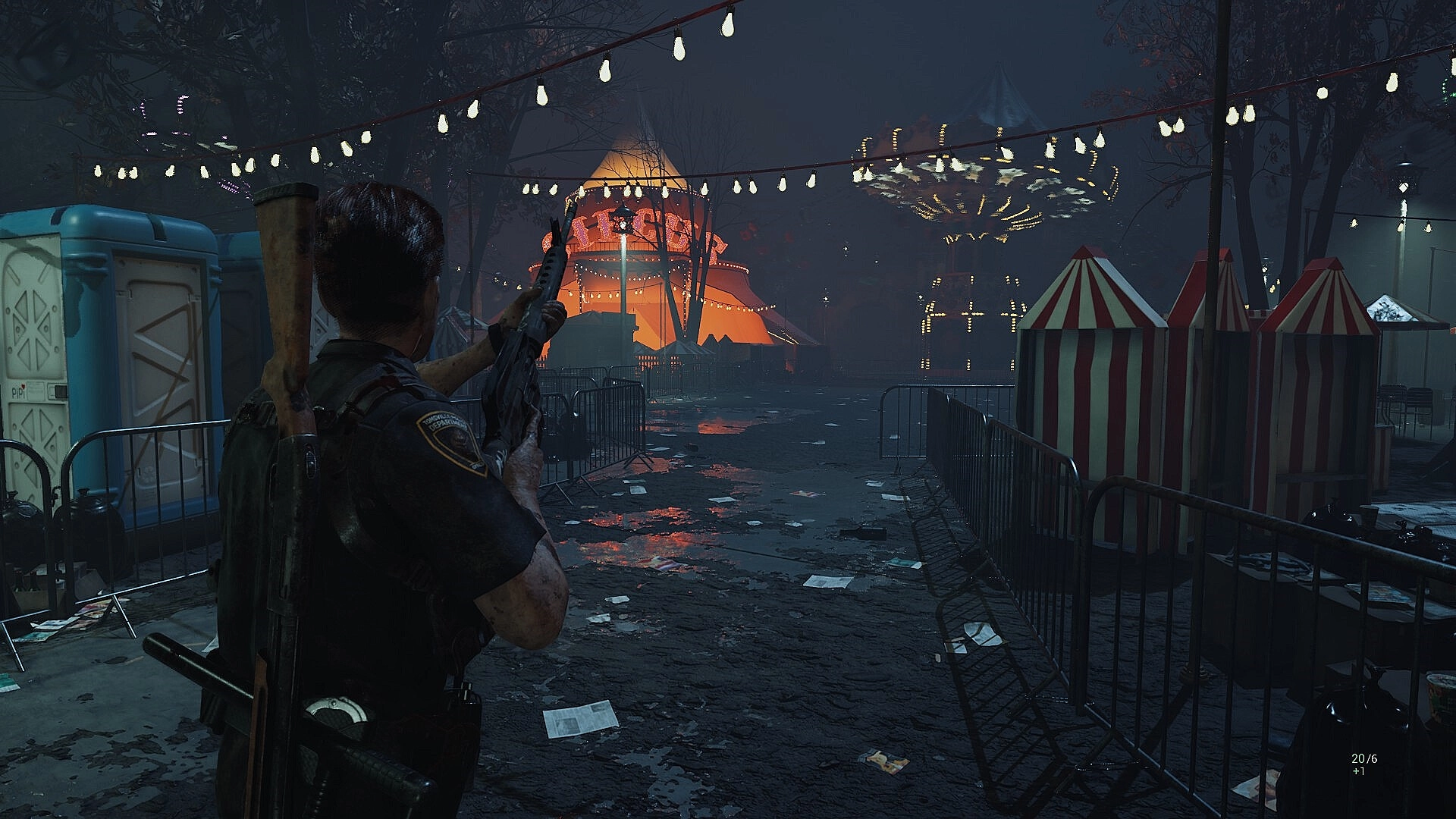
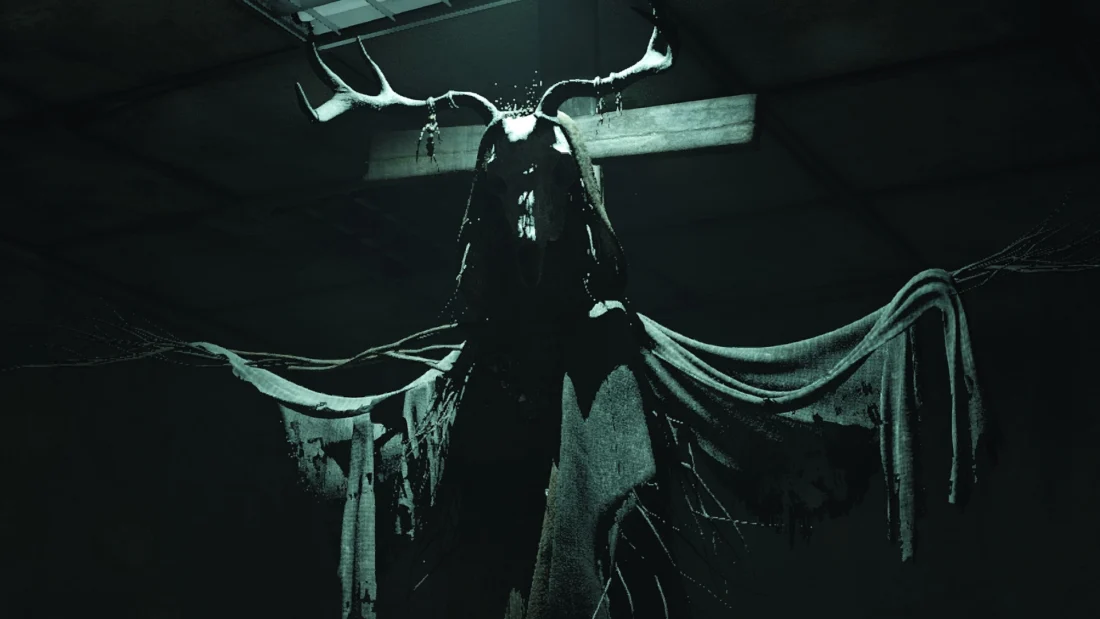
Visually, Fear The Timeloop occupies an interesting middle ground between modern indie horror and the survival-horror games that clearly inspired it. Saint Heritage Hospital is appropriately grim, its corridors and rooms doing much of the work required to establish a sense of unease. Lighting is particularly important, with darkness frequently turning otherwise ordinary spaces into places you hesitate to enter. There is a convincing sense of decay to the setting, even if the character models and animations are noticeably less polished. It is a game whose atmosphere frequently exceeds its budget, and that is perhaps its most sympathetic quality.

The sound design understands something similar about horror: silence can be as useful as noise. The hospital’s ambient sounds give its corridors a feeling of life even when nobody is visible, while the sudden arrival of an enemy or an unexpected noise can make familiar surroundings feel briefly hostile again. The music generally knows when to stay out of the way, allowing the environment to carry the tension. It is not an especially sophisticated audio presentation, but it understands the basic grammar of the genre, and occasionally that is enough to make a dark corridor feel considerably longer than it really is.

6
Verdict
Summary

Where Fear The Timeloop struggles is in the distance between its ambitions and its execution. There is a compelling survival-horror game buried inside it, and the time-loop premise is strong enough to keep pulling you forward even when the rougher edges become difficult to ignore. Technical problems, uneven animation and occasional clumsiness undermine some of the tension that the game's design works so hard to create, while its indebtedness to Resident Evil-era survival horror can make certain ideas feel familiar before they have had the opportunity to become its own. Yet there is an appealing stubbornness to it. Fear The Timeloop knows what sort of horror it wants to be, and when its pieces align—the clock ticking, the hospital stretching ahead, a puzzle finally making sense—it can capture that peculiar survival-horror feeling of being lost somewhere you slowly learn to understand. It doesn't quite escape the shadow of its influences, but there is enough imagination in its central loop to make the journey worthwhile.


Related Articles

Beast of Reincarnation Review—The Beginning of Something New

For most of its life, Game Freak has existed in the enormous...