Steam Deck

Tales of Seikyu Review—Folklore Flourishes, Familiar Foundations

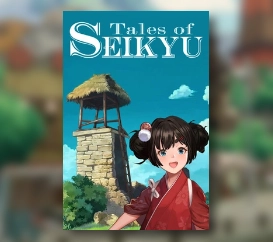
Life simulators have spent years refining the familiar comforts of sowing crops, building friendships and slowly turning neglected land into somewhere worth calling home. It takes more than another picturesque village to stand apart. Tales of Seikyu understands that, anchoring its world in Japanese folklore instead of well-worn pastoral traditions. Its island is populated by Yo-kai rather than ordinary villagers, and its story leans into ideas of ancestry, belonging and community instead of simply inheriting another abandoned farm. It’s an intriguing foundation, one that hints at a fresh perspective on a well-established formula. Whether that folklore becomes more than an attractive backdrop, however, is another matter.

Release Date: June 11th 2026
Developer: ACE Entertainment
Publisher: Fireshine Games, Logoi Games
Price: £19.99 / $24.99 USD
Reviewed On: Steam Deck
* Access Provided For Review *

More Details

Where Folklore Feels Like Home

Rather than chasing dramatic revelations, Tales of Seikyu takes a quieter approach to storytelling. Arriving on the secluded island of Seikyu, your task begins with restoring an old family homestead, but that simple premise gradually unfolds into a meditation on heritage and identity. The mystery surrounding your ancestors is woven naturally into everyday life, while conversations with the island’s residents slowly flesh out a community shaped as much by tradition as by myth. It’s a story that finds its strength in atmosphere rather than spectacle, allowing relationships and local folklore to carry much of its emotional weight. There are few surprises along the way, but its restrained pace suits a world designed to be lived in rather than rushed through.

Fresh Ideas, Familiar Rhythms

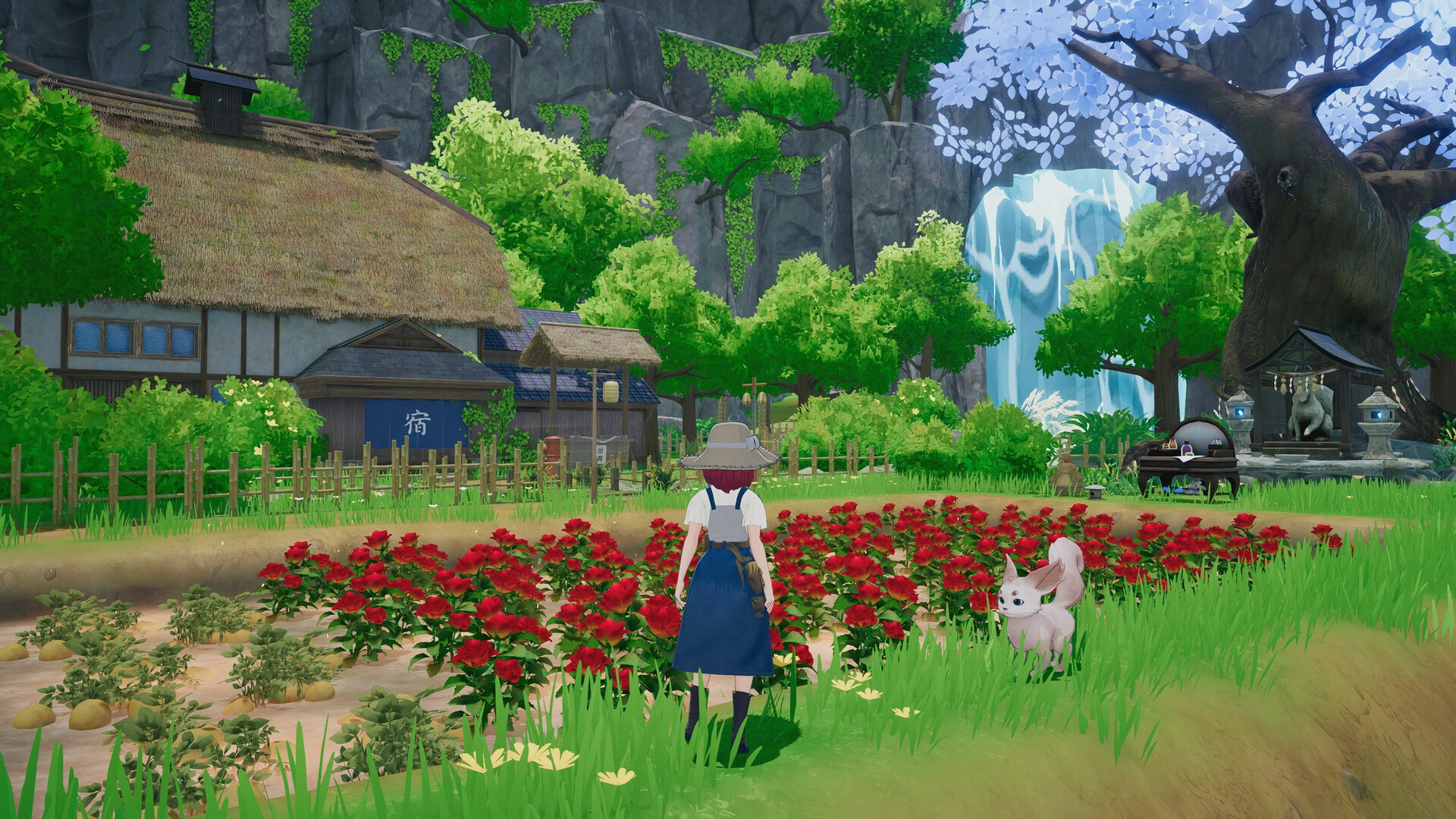
The most distinctive idea arrives through the Yo-kai transformations themselves. Instead of expanding your toolkit with increasingly efficient farming equipment, Tales of Seikyu asks you to become the tool. Transforming into a boar to plough entire fields or clear fallen rocks lends routine chores an immediacy that feels genuinely inventive, while automated production systems gradually reduce the burden of daily maintenance through crafted conveniences such as animal treat ovens, fertilising scarecrows and crab traps. Seasonal farming ensures the calendar still matters, yet beneath these welcome additions the broader progression remains surprisingly conservative. New abilities arrive steadily, but they rarely alter the rhythm of play in meaningful ways, making later hours feel more iterative than transformative.

That same shapeshifting system proves equally effective away from the farm. Every new form opens another layer of Seikyu, whether swimming rivers as a Slime Spirit, gliding effortlessly across the landscape as a Tengu or uncovering hidden ruins with the Fox’s unique abilities. Exploration consistently rewards curiosity with shortcuts, resources and forgotten corners of the island, although the sense of discovery inevitably softens as movement becomes increasingly unrestricted. Flight, in particular, removes much of the careful navigation that initially makes exploration satisfying. The island grows larger before it gradually begins to feel smaller.

The community itself is equally central to the experience. Every resident draws inspiration from Japanese folklore, lending conversations and personal stories a distinctive flavour that separates Seikyu from more conventional farming villages. Romance, marriage and home customisation all offer welcome freedom, while the unusual relationship shrine allows players to revisit choices that many games treat as permanent. Yet, for all the flexibility, the social systems eventually settle into familiar routines. Conversations begin repeating, relationship arcs vary in quality, and not every character leaves a lasting impression despite the strength of the setting surrounding them.

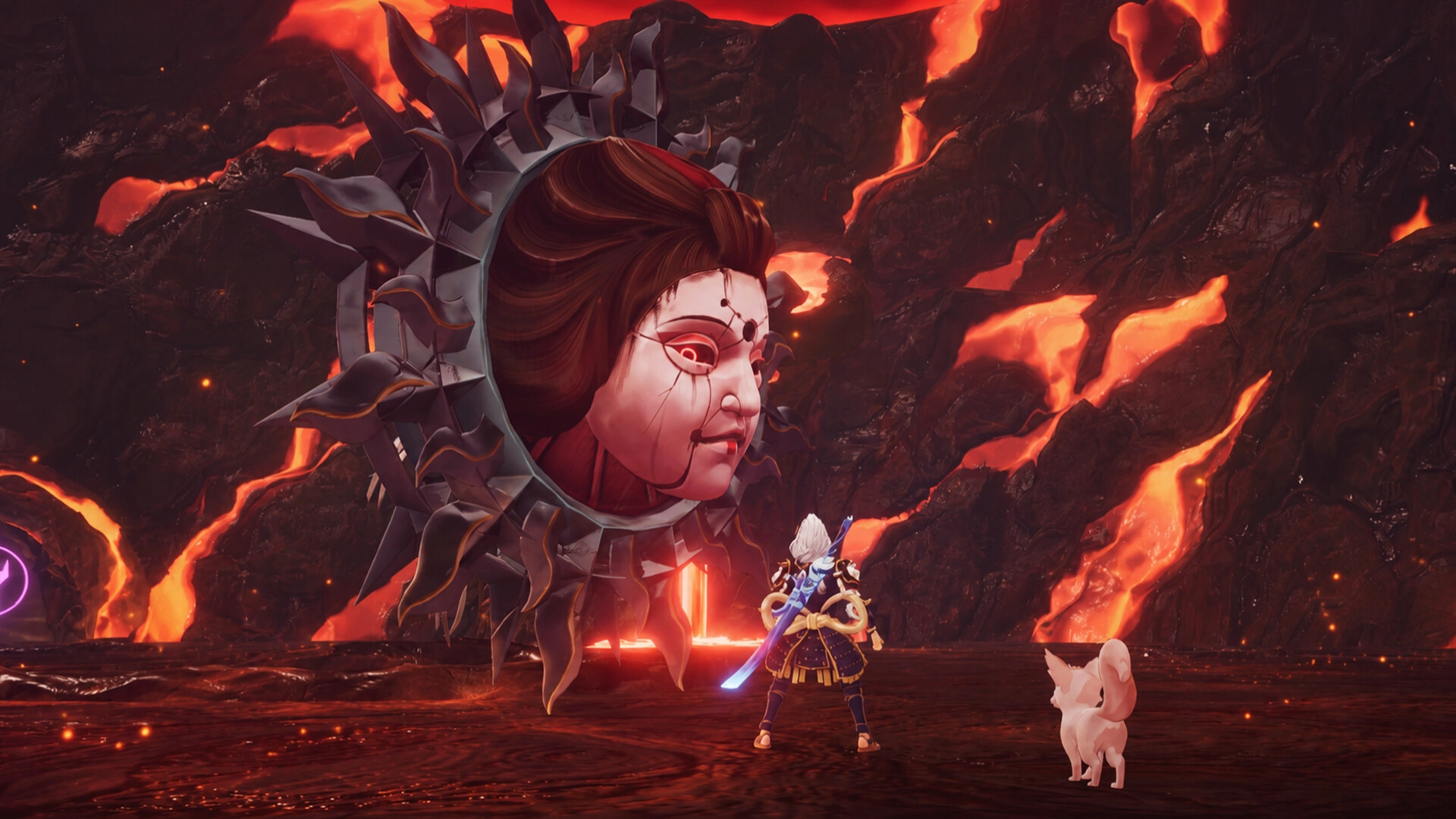
Beyond farming lies a steady stream of distractions. Dungeons, hidden Fox Clan settlements and resource gathering introduce moments of light adventure, while combat mixes traditional weapons with magical abilities to provide occasional breaks from everyday life. It’s perfectly serviceable without ever becoming especially engaging, lacking the depth to sustain itself once the novelty fades. Festivals, casino games and arcade cabinets help reinforce the sense of a living community, but they too feel like diversions rather than defining features. Individually these ideas are enjoyable; collectively they never quite develop into something greater than the sum of their parts. Tales of Seikyu is at its strongest when introducing new possibilities, but less convincing when asking them to carry the experience over the long term.

Charm Over Polish

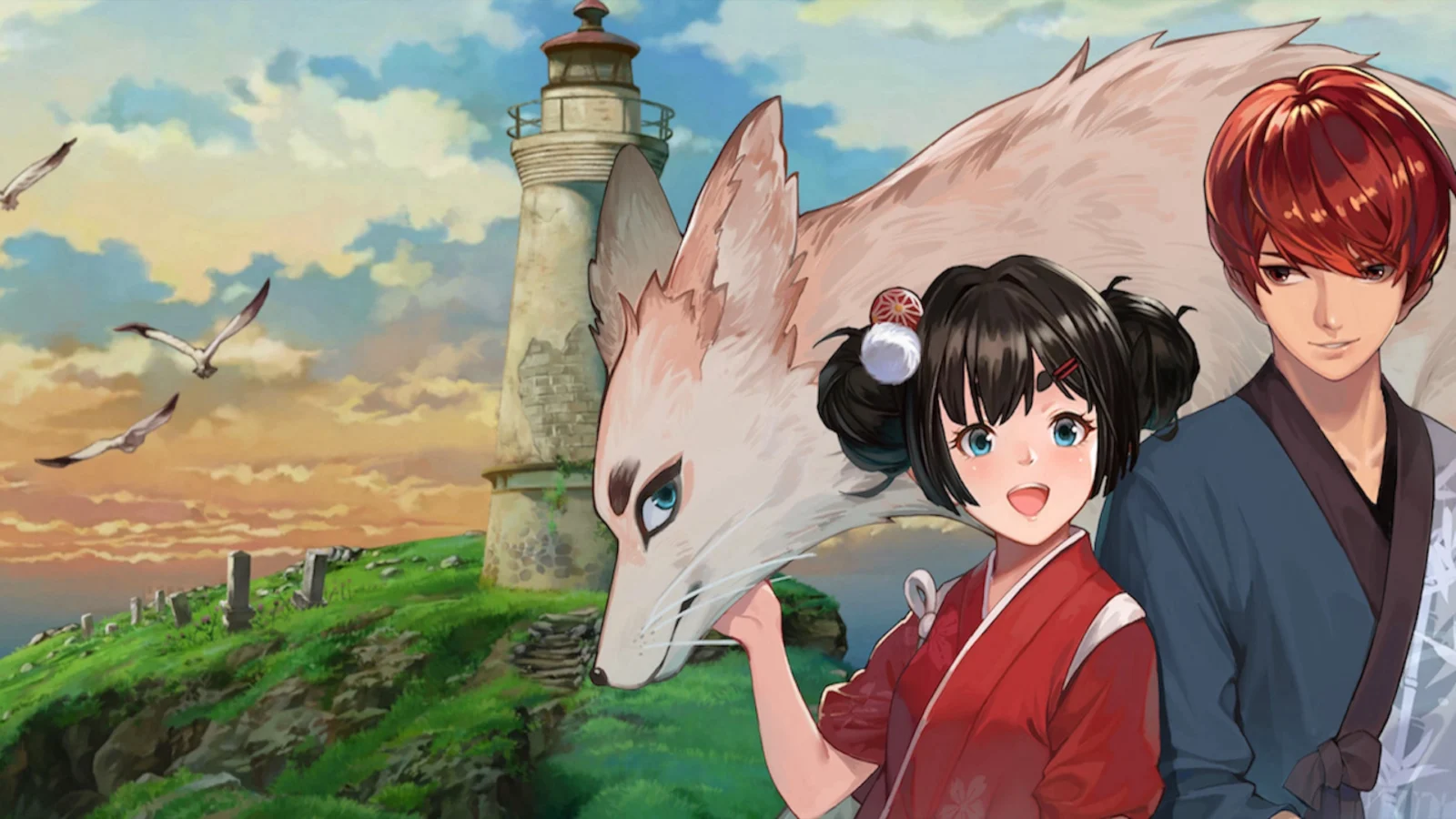
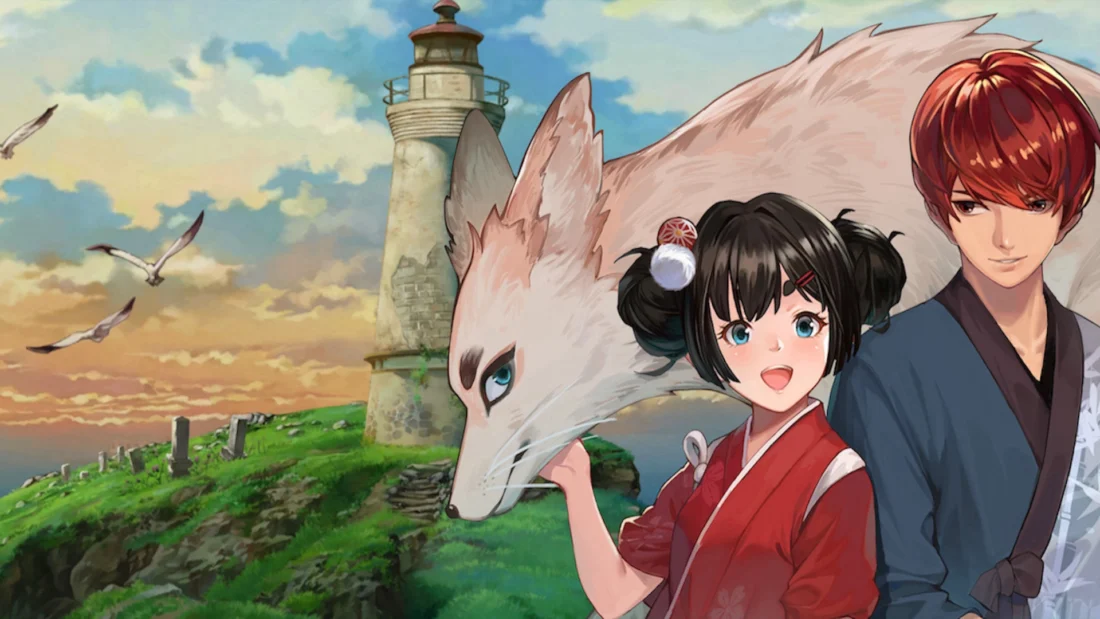
For all its mechanical familiarity, Tales of Seikyu rarely struggles to make a strong first impression. Its anime-inspired art direction is immediately inviting, drawing on traditional Japanese architecture, vibrant seasonal landscapes and folklore-inspired character designs to create a world that feels distinct from many of its contemporaries. Rather than chasing realism, the game leans into warmth and colour, and that decision serves it well. Expressive 2D character portraits inject personality into conversations, while the various Yo-kai transformations are accompanied by fluid, confident animations that make even routine actions feel satisfying. There’s an unmistakable sense of care in the way Seikyu has been realised, even if closer inspection reveals a presentation that doesn’t always match the strength of its artistic vision. Texture pop-in and sparse foliage at a distance occasionally break the illusion, reminding you that style is often doing more of the heavy lifting than technical ambition.

That balance between artistic confidence and technical restraint extends to the Steam Deck version as a whole. Performance remains consistently stable across exploration, farming and combat, allowing the game’s relaxed rhythm to remain largely uninterrupted. Support for high resolutions and smooth frame rates ensures the island is presented cleanly on modern hardware, but there’s little here that feels especially cutting edge. Environmental detail can appear uneven, and while the stylised visuals often disguise these shortcomings, they don’t entirely conceal them. It’s a presentation built on strong art direction rather than graphical spectacle, and while that’s often enough, it also means the world occasionally lacks the richness its concept suggests.

The soundtrack follows a similarly understated path. Traditional Eastern instrumentation blended with gentle acoustic arrangements gives Seikyu a comforting musical identity that complements its slower pace, while ambient soundscapes subtly distinguish forests, rivers and hidden ruins without ever demanding attention. It creates an atmosphere that’s easy to settle into, though not always one that lingers in the memory. The absence of full voice acting leaves every conversation dependent on text, with only occasional vocal flourishes adding emotional emphasis, and the effect can make quieter character moments feel more distant than intended. Elsewhere, combat audio lacks the weight needed to make encounters feel especially impactful, while several musical themes recur often enough over longer sessions to become overly familiar. Like much of Tales of Seikyu, the audio succeeds in supporting the experience without quite elevating it.

6
Verdict
Summary

Tales of Seikyu succeeds most when it embraces the folklore that defines its world. Its Yo-kai transformations lend familiar farming routines an inventive twist, its setting is rich with personality, and its quieter story of family and belonging gives the experience a warmth that lingers long after individual quests are forgotten. Yet beneath those strengths lies a game reluctant to stray too far from the conventions it draws upon. Progression settles into repetition, combat remains functional rather than compelling, and several of its supporting systems never quite develop beyond promising ideas. Even so, there's an easy charm to Seikyu that makes its shortcomings difficult to dismiss outright. It may never fully escape the shadow of the games that inspired it, but for players looking for a gentle, folklore-infused life simulator, it's a pleasant place to spend time—even if it ultimately feels more like the beginning of something special than its complete realisation.

Related Articles

Lunarium Review—Ambition Shines Through an Unpolished Adventure

There are games you seek out because they're built around mechanics you...

Fading Echo Review—Inventive Ideas Shine Through the Imperfections

There is something immediately compelling about Fading Echo. Not because it promises...

Denshattack! Review—An Electrifying Arcade Triumph

The easiest way to describe Denshattack! is as Tony Hawk's Pro Skater...

Terrifier: The ARTcade Game Review—A Bloody Tribute That Lacks Lasting Impact

As a fan of the Terrifier films, Terrifier: The ARTcade Game immediately...