Steam Deck

Lunarium Review—Ambition Shines Through an Unpolished Adventure

There are games you seek out because they’re built around mechanics you already know you’ll enjoy, and then there are those that persuade you simply by the strength of their identity. Lunarium falls firmly into the latter camp. Souls-likes have never been a genre I instinctively gravitate towards, their demanding combat often proving a greater barrier than an invitation. Yet from the moment I saw its hand-drawn world, washed in muted colours and framed by a storybook melancholy, curiosity took over. It promised something quieter than its influences; less interested in punishing the player than in inviting them into a world worth inhabiting.

Release Date: July 29th 2026
Developer: 月相仪Lunarium
Publisher: 月相仪Lunarium, Imperfect Games
Price: £15.99/ $17.99 USD
Reviewed On: Steam Deck
* Access Provided For Review *

More Details

Beneath a Fading Moon

The world of Lunarium is one defined by fading light and fractured histories. Beneath the glow of a dying moon, two unlikely companions set out across forgotten kingdoms and ancient ruins in search of answers hidden beneath centuries of myth and loss. Rather than delivering its narrative through dramatic spectacle, the game embraces restraint. Environmental details, scattered lore and understated conversations gradually piece together a civilisation worn thin by ambition and regret, rewarding those willing to slow down and absorb their surroundings.

It’s an approach that trusts the player more than it seeks to impress them. Not every mystery is immediately explained, and the measured pacing occasionally borders on elusive, but the uncertainty feels intentional rather than incomplete. The result is a fantasy world with genuine atmosphere, one where discovery becomes its own reward and every forgotten shrine or crumbling monument hints at stories left untold.

Parries and Potential

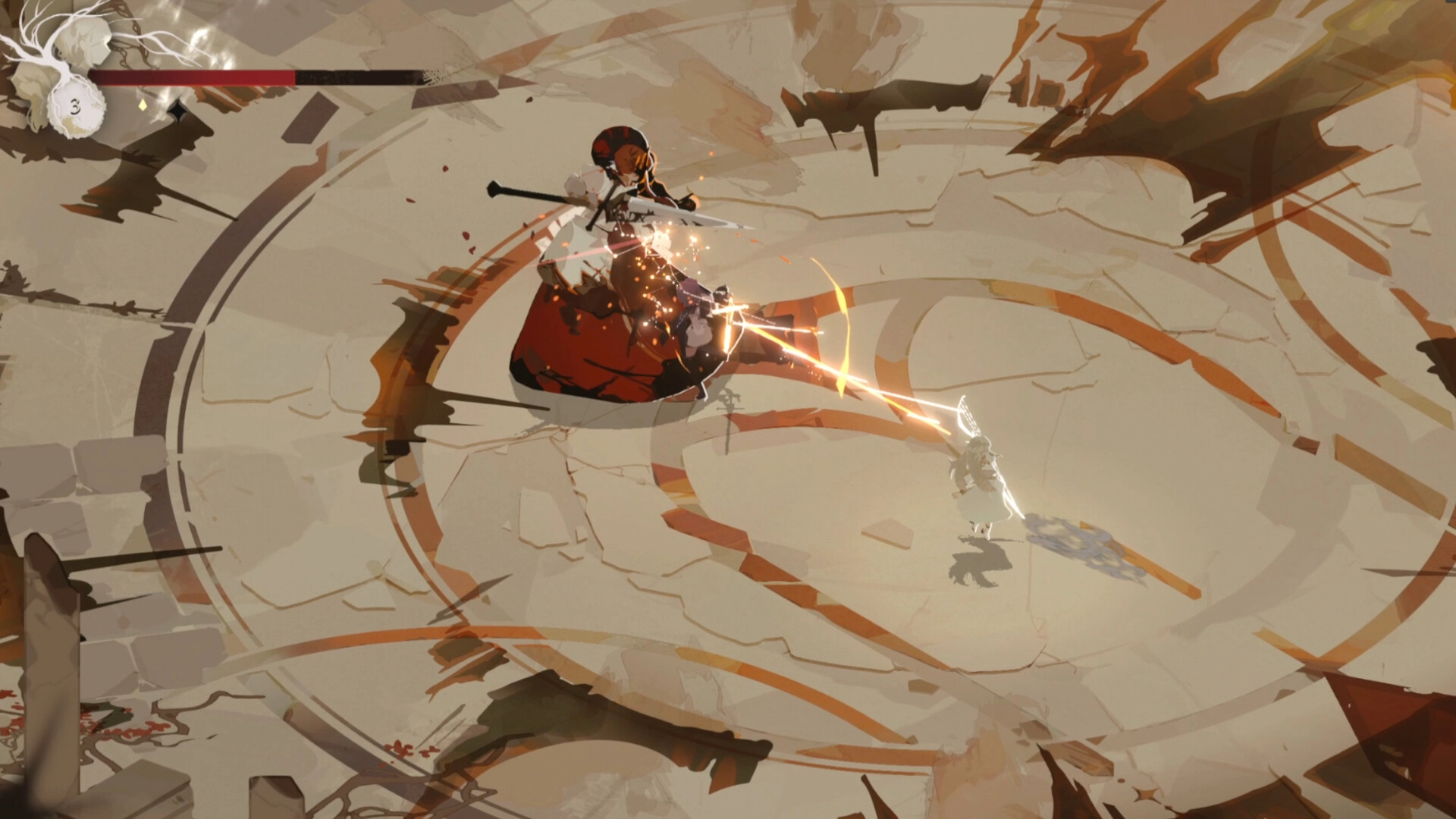
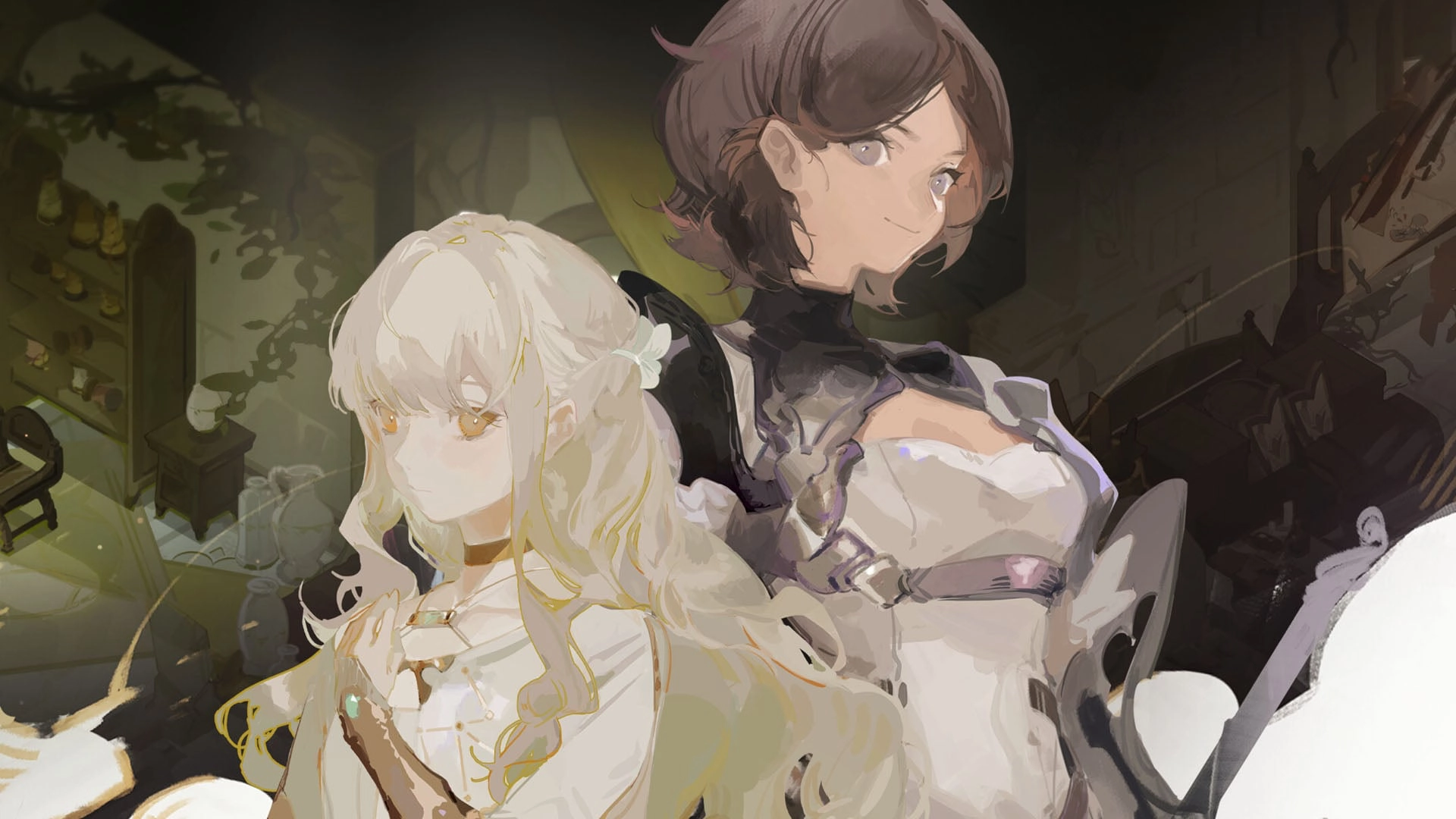
If the story provides Lunarium with its heart, then its combat offers the clearest expression of its ideas. Rather than simply borrowing Souls-like conventions, it builds its identity around the relationship between its two protagonists. Ave occupies the front line, sword in hand, while Lune remains a constant companion, supporting from afar through healing, ranged attacks and magical abilities. The two are inseparable in practice, their partnership reinforced through Resonance Points that transform successful teamwork into wider parry windows, heavier stagger damage and satisfying coordinated attacks.

Combat settles into a deliberate rhythm built around patience rather than aggression. Parries and well-timed dodges are rewarded generously, making defensive play feel consistently engaging without demanding razor-sharp precision. The Void Core mechanic adds welcome variety by encouraging players to identify and exploit enemy weaknesses before committing to heavier attacks. Yet for all its clever ideas, repetition gradually begins to creep in. Enemy encounters rarely evolve enough to keep pace with the player’s expanding abilities, and what initially feels tactical eventually settles into a familiar routine.

Character progression follows a similarly thoughtful path. Separate skill trees for Ave and Lune, along with cloaks and embroidery upgrades, offer plenty of opportunities to tailor a preferred playstyle without overwhelming players with unnecessary complexity. Experimentation is encouraged, but many unlocks provide incremental improvements rather than transformative new possibilities. The systems remain enjoyable throughout, though they never quite reach the point where each new ability fundamentally changes the way combat is approached.

Exploration fares somewhat better. Hidden paths wind through ruined churches, forgotten settlements and dreamlike islands, rewarding curiosity with useful materials and fragments of lore. Returning to the Temple between expeditions offers a welcome pause from the dangers beyond, while the Notebook steadily fills with observations, enemy information and discoveries that reinforce the sense of an unfolding journey. It captures the quiet pleasure of methodical exploration, even if the level design lacks the intricate shortcuts and interconnected brilliance that have become defining features elsewhere in the genre.

Unfortunately, technical shortcomings frequently interrupt that sense of immersion. The absence of a jump mechanic becomes unexpectedly frustrating when dropping into lower areas that offer no obvious route back, resulting in unnecessary detours and confusion. More damaging are the bugs themselves. On several occasions Ave inexplicably became invulnerable during combat, stripping encounters of any tension, while untranslated dialogue and interface text sometimes left objectives unclear enough to halt progress entirely. None of these issues are individually catastrophic, but together they leave the impression of a game that reached players before it was truly ready.

Art Overcomes Imperfection

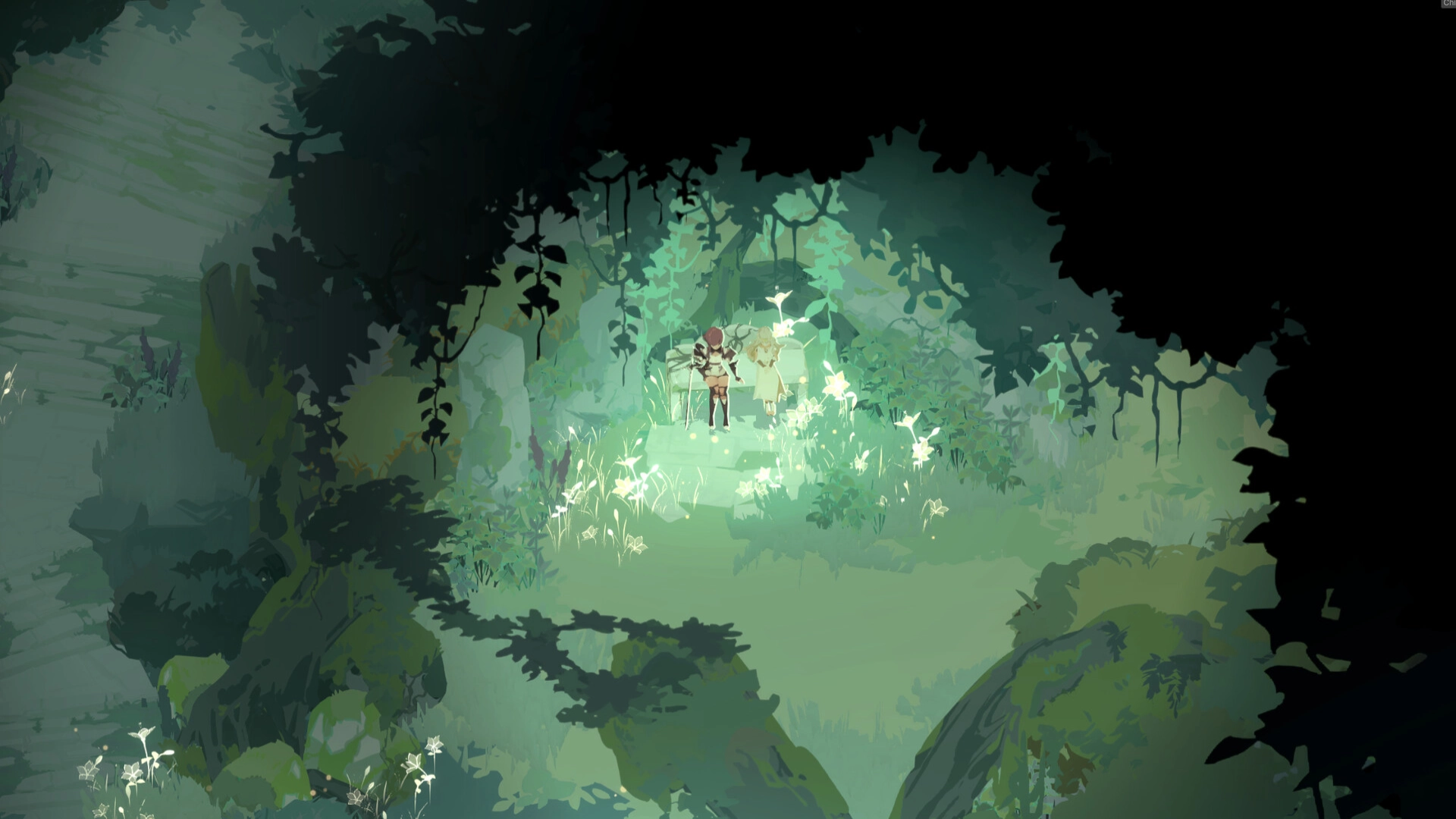
Whatever shortcomings emerge elsewhere, Lunarium rarely stops being a pleasure to look at. Its hand-drawn presentation embraces a dark fairy-tale aesthetic that gives every environment a distinct sense of place. Snow-covered peaks, abandoned shrines, forgotten kingdoms and forests shrouded in celestial mist all carry the same melancholic beauty, supported by a restrained palette that quietly reinforces the game’s themes of memory, loss and fading hope. The isometric perspective occasionally limits dramatic scale, but the consistency of the artistic direction ensures each location leaves its mark.

That attention to detail extends to the characters themselves. Ave’s confident swordplay contrasts elegantly with Lune’s graceful, almost ethereal movement, helping reinforce their individual identities without the need for lengthy exposition. Animation remains fluid throughout, while the clean presentation ensures combat remains readable even during busier encounters. Some environmental repetition becomes noticeable later in the adventure, yet the strength of the overall visual identity rarely falters.

The soundtrack adopts a similarly understated philosophy. Without relying heavily on spoken dialogue, reflective piano melodies, subtle orchestration and ambient compositions carry much of the emotional weight. Exploration is accompanied by quiet introspection before seamlessly giving way to more urgent arrangements during boss encounters, while the metallic ring of successful parries and satisfying weapon impacts provides consistently strong audio feedback. It’s an effective soundscape, though one that ultimately outstays its welcome. Musical themes recur often enough that their emotional impact gradually fades, making later sections feel more familiar than evocative.

6
Verdict
Summary

Lunarium is full of ideas worth admiring. Its world is rich with atmosphere, its dual-protagonist combat introduces welcome twists to familiar Souls-like foundations, and its hand-drawn presentation remains consistently beautiful from beginning to end. Yet ambition alone cannot smooth over repetitive encounters, conservative progression systems and technical problems that repeatedly interrupt the experience. What remains is a game that never quite fulfils the promise of its strongest moments, but one whose creativity and artistic confidence still make it easy to appreciate. It may stumble on the journey, but there's enough heart beneath its rough edges to make it worth considering.
Related Articles

Fading Echo Review—Inventive Ideas Shine Through the Imperfections

There is something immediately compelling about Fading Echo. Not because it promises...

Denshattack! Review—An Electrifying Arcade Triumph

The easiest way to describe Denshattack! is as Tony Hawk's Pro Skater...

Terrifier: The ARTcade Game Review—A Bloody Tribute That Lacks Lasting Impact

As a fan of the Terrifier films, Terrifier: The ARTcade Game immediately...

Cinderia Early Access Review—An Ambitious Challenger Among Modern Roguelike Greats

Entering the roguelike genre in 2026 presents a significant challenge. With iconic...