PSVR

Bootstrap Island Review—Learning to Live With the Island

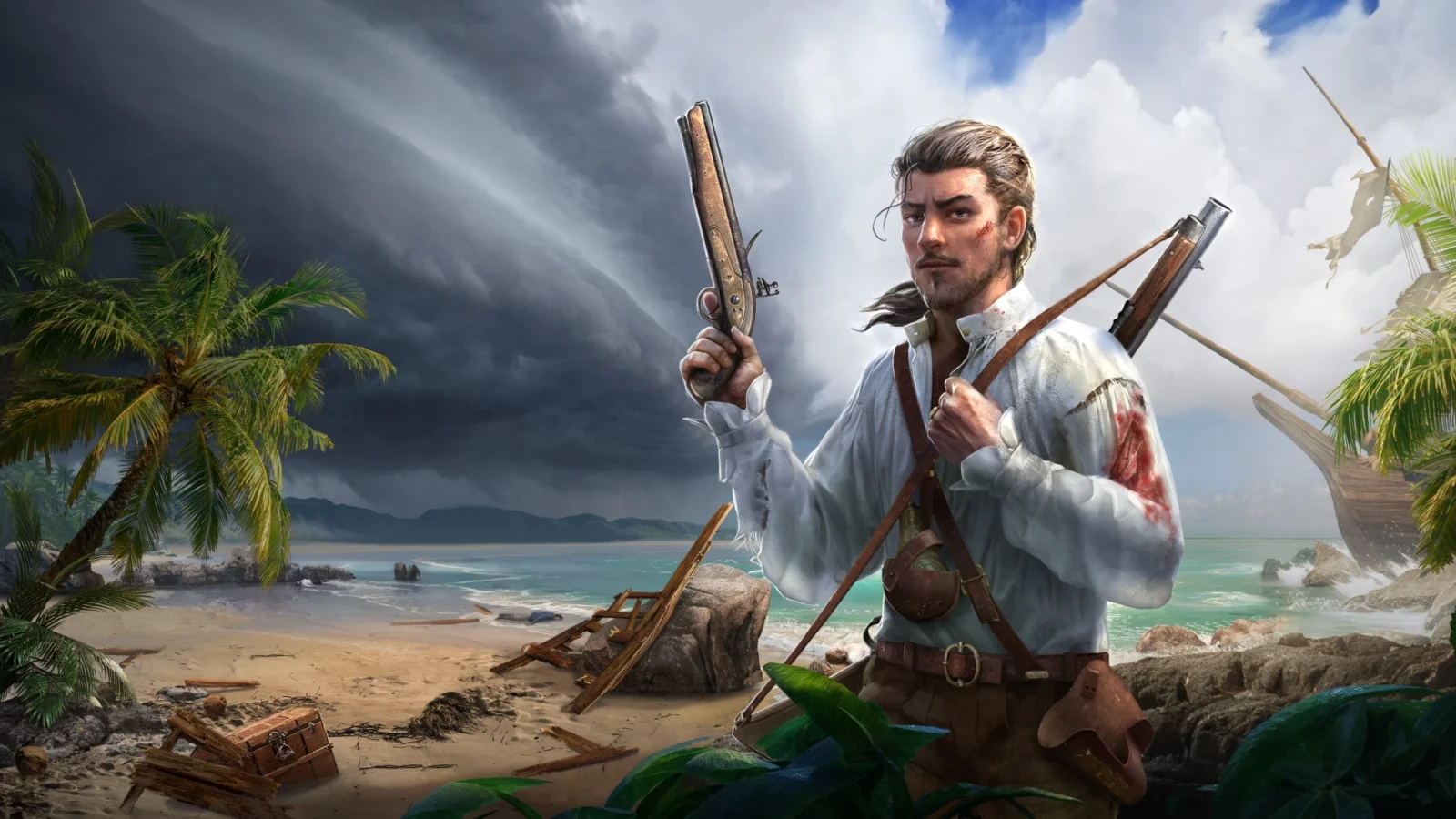
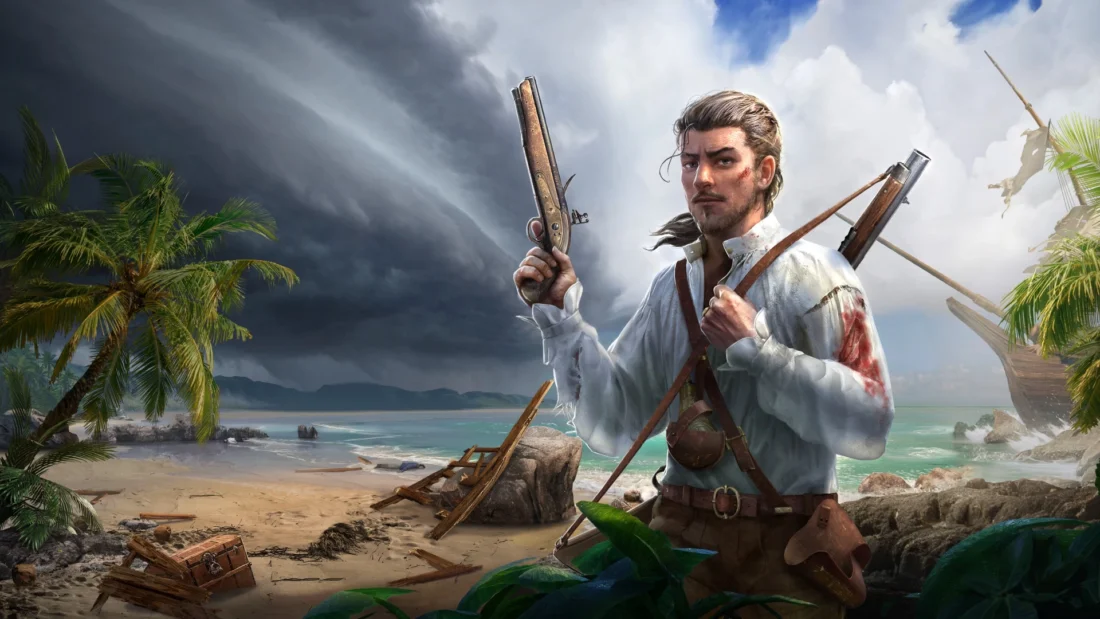
There is a particular romance to being shipwrecked. Not, perhaps, in the moment itself, when the sea has taken everything you own and the only sensible response is to cough saltwater onto a beach and wonder what happens next. But in the imagination, certainly. The desert island has always been one of those places where civilisation falls away conveniently, leaving a person alone with the essentials: food, shelter, fire, fear. Bootstrap Island begins with that familiar fantasy and gives it a body. You are Daniel, a young survivor washed ashore in the 17th century, and the island ahead of you is both beautiful and quietly hostile. Its story is deliberately modest, allowing scraps of history, environmental details and the things you discover along the way to gradually turn survival into something more mysterious. There is no great urgency to explain everything. Instead, the island sits there, patient and inscrutable, and asks you to look.

Release Date: August 13th 2026
Developer: Maru VR
Publisher: Maru VR
Price: £19.99/ $24.99 USD
Reviewed On: PlayStation VR2
* Access Provided For Review *

More Details

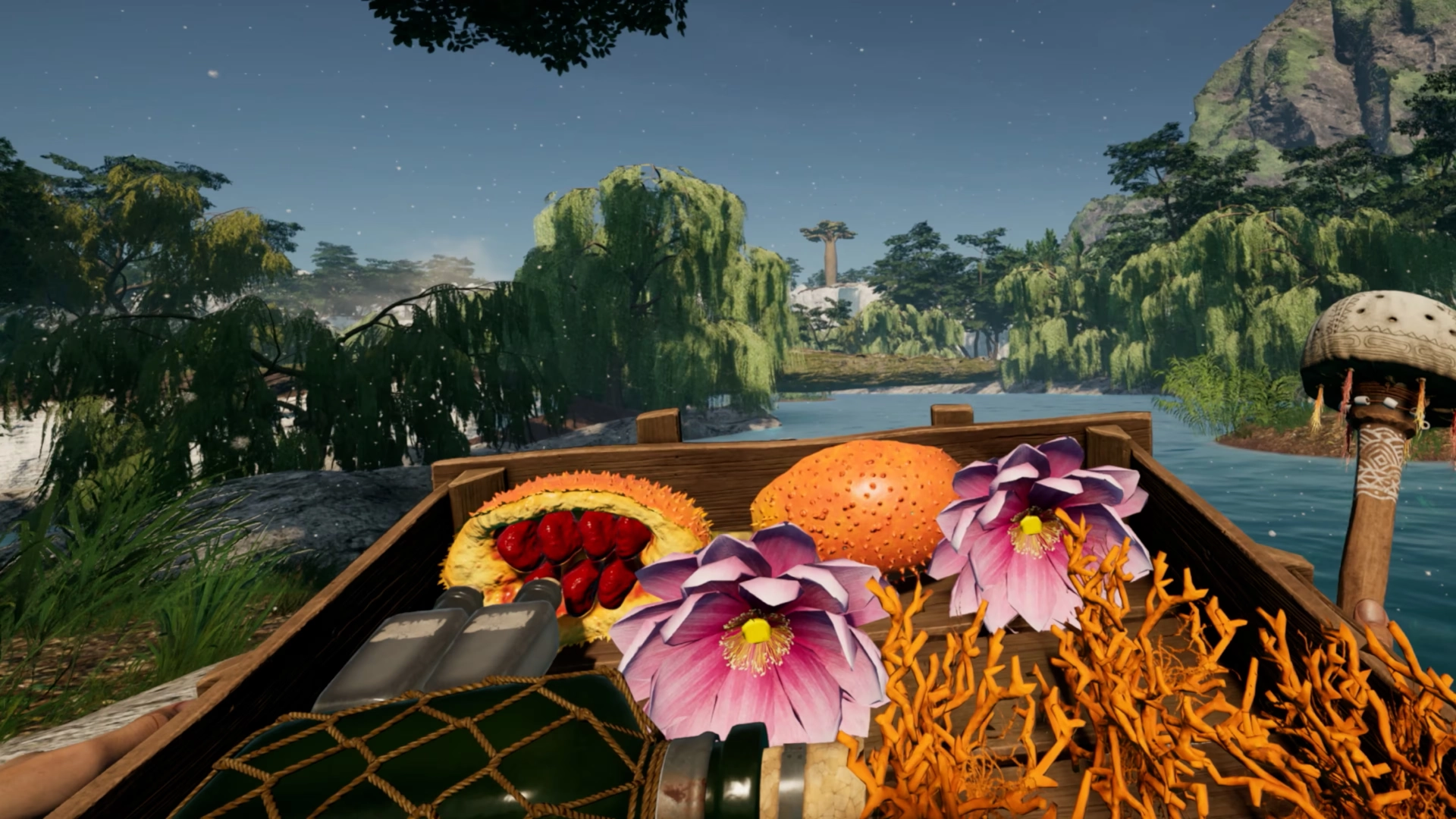
What makes Bootstrap Island immediately appealing is how little it gives you. There is a strange pleasure in being made to start again, to stand on a beach with no useful equipment and realise that even something as ordinary as eating requires a series of decisions. You gather, carry, prepare and build with your hands, and because you are doing these things in VR, the familiar abstractions of survival games become physical little rituals. Picking something up is an action rather than a menu selection. Making a fire feels like making a fire rather than filling a progress bar. It can be clumsy, occasionally, and there are moments when your virtual hands seem to have their own opinions about what you are trying to grab, but that awkwardness is strangely appropriate. You are not a survival expert. You are a person who has just washed up somewhere unfamiliar, trying to work out how the world works.

And then there is the day. Bootstrap Island has a lovely understanding of time, particularly the way daylight changes the value of everything around you. In the morning, the jungle feels inviting. A distant path is an opportunity; a cluster of trees suggests resources; the horizon promises something worth seeing. As the sun begins to sink, the same landscape becomes a calculation. How far have I gone? How much food do I have? Can I get back before dark? It is a simple trick, but an effective one, because the game rarely needs to tell you to hurry. The sky does it for you. Darkness becomes a deadline, and suddenly the shelter you built earlier in the day stops being an objective and becomes home.

This is where exploration becomes particularly compelling. The island is not merely a collection of environments to be ticked off, but a place whose geography gradually becomes familiar. You learn where to find particular resources. You recognise landmarks. You remember the route back. The process reminded me of those childhood afternoons spent exploring a place that seemed enormous only because you hadn’t yet learned its shape. There is always another cave, another stretch of coastline, another path disappearing beneath the vegetation. Sometimes curiosity rewards you. Sometimes it simply gets you into trouble. That uncertainty gives exploration a quality that many open-world games have lost somewhere between the minimap and the objective marker.

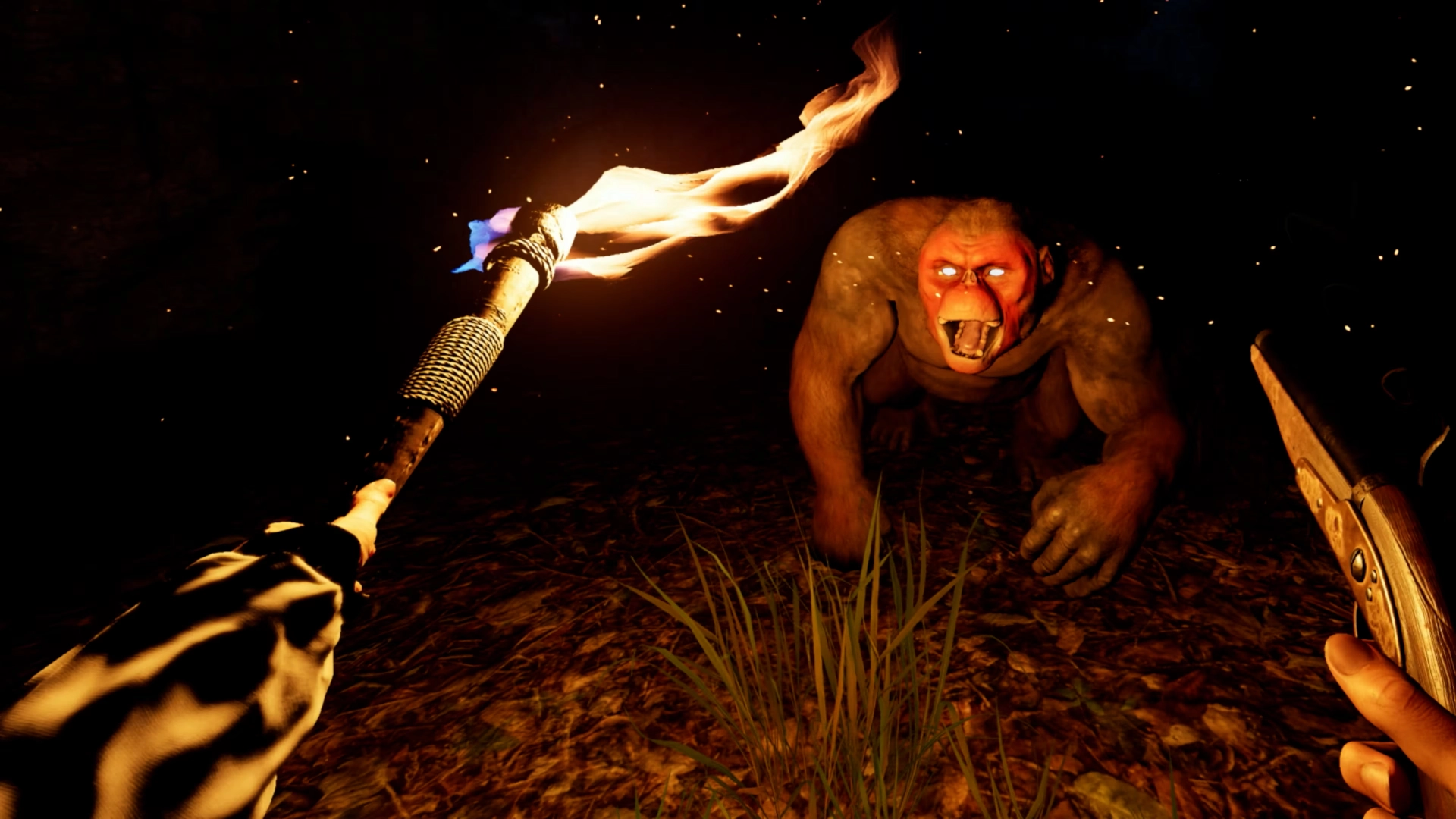
Survival games can become exhausting when every action is reduced to another meter that needs filling, and Bootstrap Island occasionally wanders close to that territory. Yet there is enough friction between its systems to make decisions feel meaningful. Food, water, shelter, health and equipment all compete for your attention, while weather and hostile creatures can turn a comfortable expedition into a rather hurried retreat. The roguelike structure helps here, because failure is less an ending than another lesson. You begin to remember things. You become more efficient. The island that initially seems enormous gradually shrinks into a mental map. Even so, the physical interaction can sometimes work against the game, particularly when objects refuse to behave as naturally as your hands expect. It is a small irritation, but VR is an unforgiving medium for this sort of thing: when a virtual hand misses a virtual object, there is no abstraction to hide behind.

What remains after those frustrations is a surprisingly intimate survival fantasy. Bootstrap Island isn’t interested in making you feel like a superhero dropped into a jungle. Quite the opposite. It makes you feel small, and then gradually allows you to become capable. There is satisfaction in knowing where to go, what to gather and how much time you have before night arrives. The game understands that competence can be its own reward. Eventually you stop thinking about the mechanics and start thinking like someone who lives here, even if only temporarily. That is when the experience becomes most convincing: not when you are struggling to survive, but when you realise you have started taking the island for granted.

Visually, Bootstrap Island has a slightly uneven beauty. There are moments when it looks almost postcard-perfect, particularly when sunlight breaks through the canopy or the sea catches the last light of evening. The island is full of the sort of small movements that make a place feel alive: leaves shifting, water moving, distant creatures making themselves known without necessarily revealing where they are. At other times, the limitations of the hardware and the game’s visual ambition become apparent, with vegetation and distant scenery losing some of their definition. But perhaps that matters less in VR than it would on a television. You notice the world differently when you are standing inside it. A modest view can still become an evocative one when you can turn your head and discover that the horizon continues in every direction.

Light does much of the heavy lifting. Daylight gives the island its sense of possibility; dusk makes it beautiful; night makes it enormous. There is something almost comically reassuring about returning to your camp and seeing the orange glow of a fire waiting for you. Beyond it, the jungle becomes a wall of darkness. You know perfectly well that this is a game, but VR has a funny way of making familiar things feel newly uncertain. A sound somewhere behind you becomes worth investigating. A shadow seems closer than it probably is. The PSVR2’s display is particularly well suited to these contrasts, and the game’s use of darkness creates some of its most effective atmosphere without needing to resort to cheap scares.

The sound design is perhaps even more important. The island is rarely silent, and that constant background chatter of insects, birds, wind and distant wildlife gives the environment a sense of independence. Things continue happening when you aren’t looking at them. Rain changes the character of the world, storms make the shelter suddenly feel more valuable, and the relative quiet around a campfire can feel like a small victory. There is a confidence in letting these sounds carry the atmosphere rather than filling every moment with music. Sometimes the most effective soundtrack is simply the jungle doing what jungles do, while you stand there wondering what made that noise.

PSVR2 itself is not merely a window here; it is part of the game’s argument. Headset vibration can make environmental effects feel closer, while the Sense controller haptics give weight to actions that might otherwise feel like gestures in empty space. Adaptive triggers add resistance where appropriate, and eye-tracked foveated rendering helps the island maintain its visual ambition. None of this is revolutionary in isolation, but together it strengthens the central illusion. You are not simply guiding Daniel through a tropical environment. You are standing there with him, turning your head towards a noise, reaching for an object, looking out across the water. The distinction is subtle, but VR has always lived in those subtleties.

Comfort

8
Verdict
Summary

There is something lovely about Bootstrap Island's refusal to hurry you. It understands the appeal of a game in which progress can mean nothing more than knowing where the good fruit grows, having enough wood for the night, or making it home before the sun disappears. Its rough edges are noticeable, and its physical systems occasionally remind you that you are playing a game rather than actually surviving a shipwreck, but its strongest moments possess a rare sense of presence. By the time you find yourself standing beside your fire, listening to the island breathe beyond the edge of its light, the familiar survival-game machinery has fallen away. What remains is a simpler pleasure: being somewhere else, and for a little while, learning how to stay alive.


Related Articles

Walkabout Mini Golf: The Homestar Runner Distraction Pack Review—A Masterclass in Fan Service, Creative Design, and Mini Golf

The Homestar Runner Distraction Pack marks an exciting shift from the usual...

6
PSVR

Myst Review—A Beautiful Mystery With Blurry Edges

When Firmament launched on PSVR2 from Cyan Worlds, it didn't make a...

7
PSVR

Little Nightmares VR: Altered Echoes Review – A Twisted VR Return to Little Nightmares

The announcement of Little Nightmares VR: Altered Echoes sparked my enthusiasm for...

9
PSVR

Aces Of Thunder Review—Thrilling VR combat flight sim balancing accessibility, skill, and immersion

My preview experience with Aces of Thunder in April 2025 was quite...