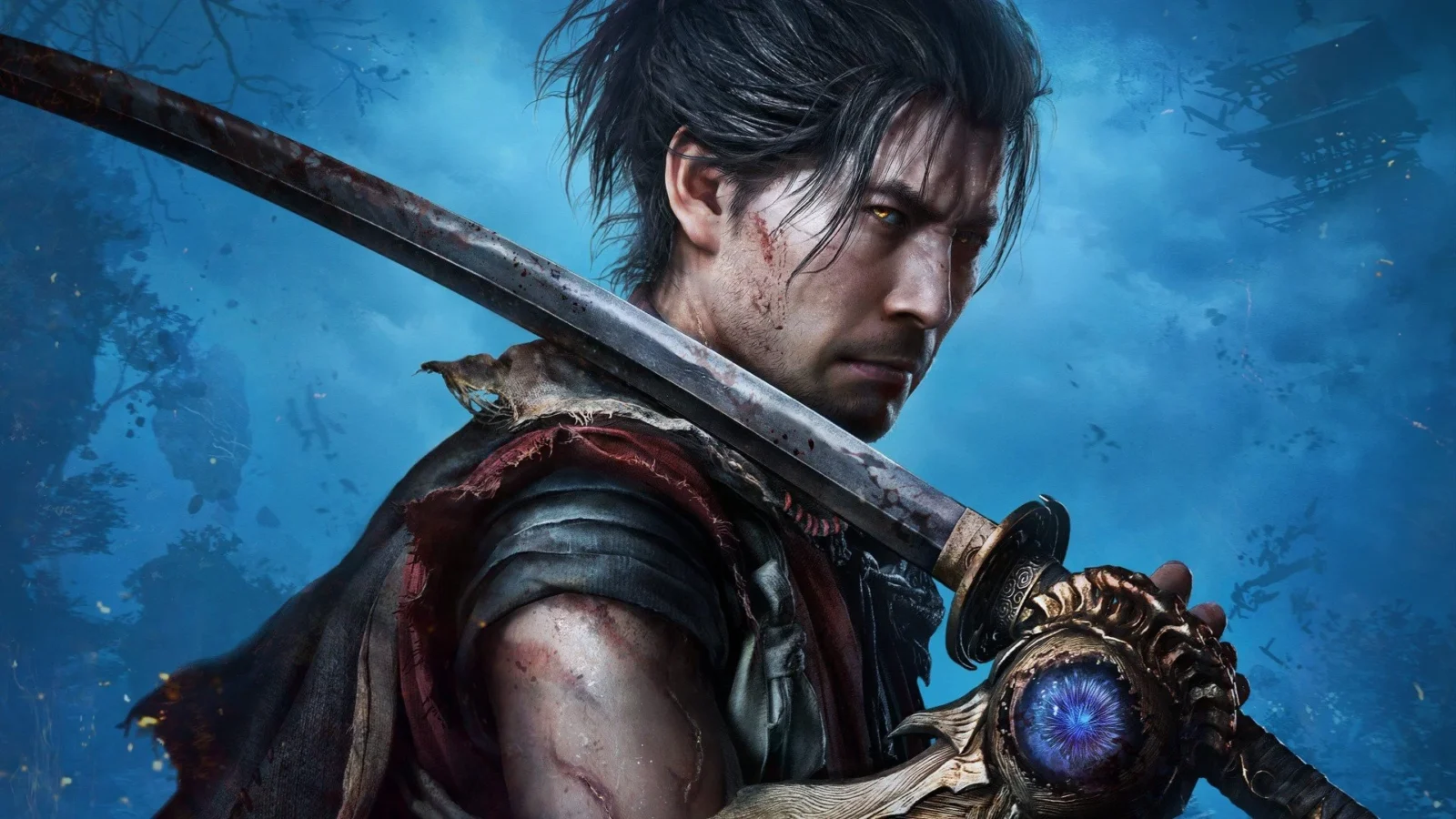
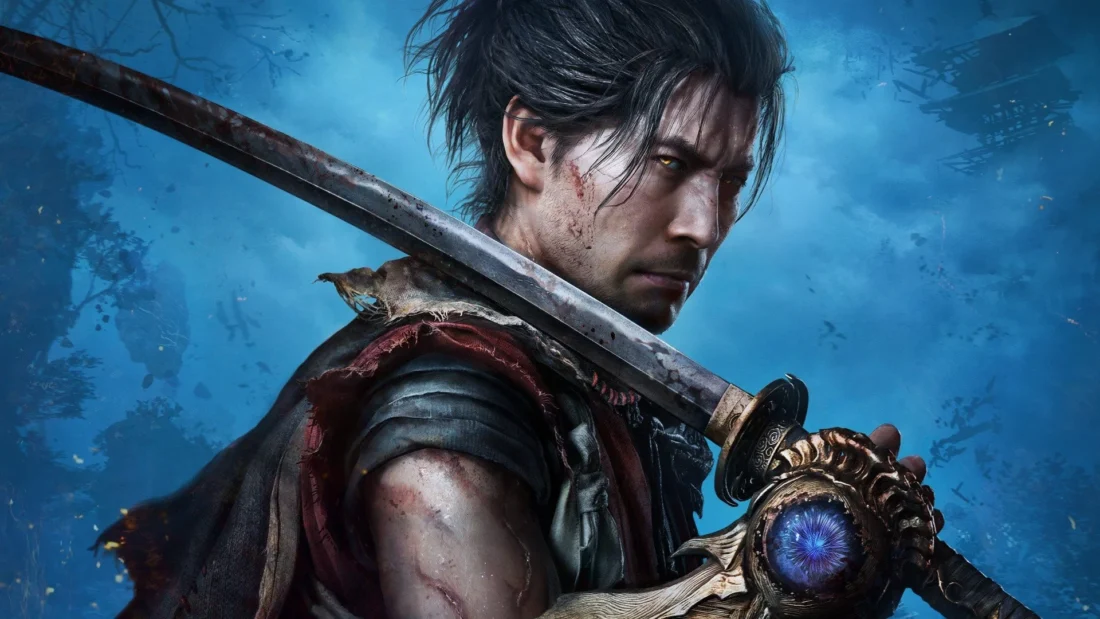
Supernatural abilities give that foundation another dimension. The Oni Gauntlet provides Musashi with a second language for dealing with his enemies, allowing careful swordplay to sit alongside something considerably more extravagant. Souls become both resource and reward, while Oni abilities create new possibilities in encounters that might otherwise settle into predictable patterns. Crucially, these powers never make the sword feel redundant. Instead, they broaden the choices available to you, offering different ways through a battlefield while preserving the importance of timing and positioning. Onimusha has always been comfortable with the collision of the historical and the fantastical, and here the supernatural feels like a natural extension of its combat rather than an interruption.
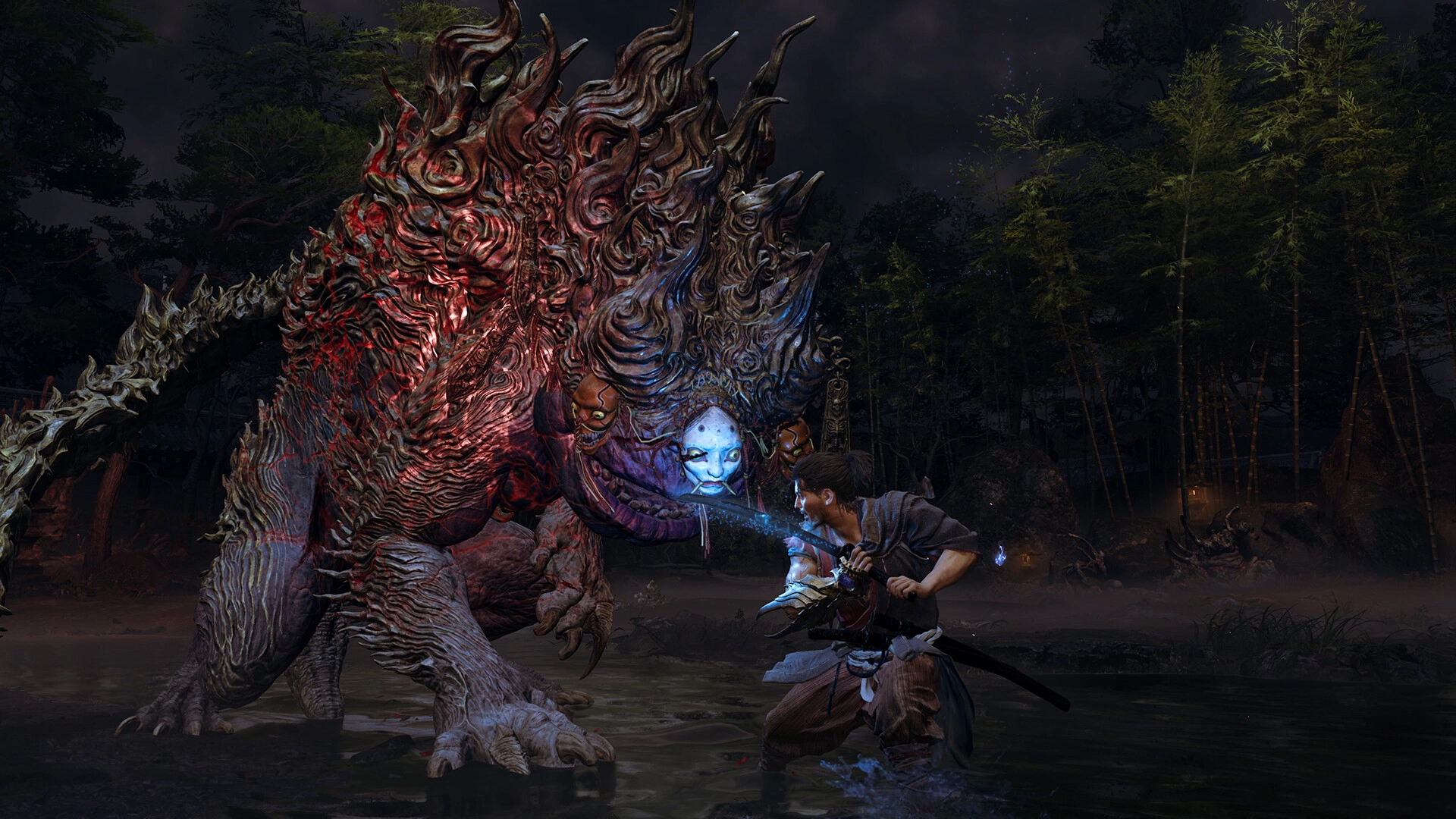
Few encounters bring those ideas together more effectively than the bosses. Modern Capcom spectacle is present in abundance, but beneath the enormous creatures, dramatic arenas and explosive abilities sits a genuine test of everything you’ve learned. An imposing enemy can initially seem unreadable, its attacks filling the screen with movement and noise, until patience reveals the pattern underneath. You learn when to retreat, when to parry, when to strike and when to spend one of your more powerful abilities. Victory consequently becomes more satisfying than simply watching a health bar disappear; it comes from making sense of something that once seemed chaotic. When everything finally clicks, the fight feels less like something you’ve survived and more like something you’ve understood.
A similar sense of satisfaction carries through the quieter stretches. Way of the Sword is, at heart, an old-fashioned action game, and it doesn’t apologise for that. Exploration, story and spectacle provide breathing room, but sooner or later the road leads back towards another fight, another room and another opportunity to put what you’ve learned into practice. Modern games can sometimes be wary of repetition, yet Onimusha recognises that repetition is precisely what allows mastery to take root. You perform the same actions again and again, only now you’re doing them with greater confidence, greater precision, and perhaps a little more style than you managed the time before.
Beyond the swordplay, Kyoto provides an equally compelling reason to keep moving forward. Way of the Sword is sumptuous without becoming too polished for its own good, and its historical setting is rarely allowed to remain simply picturesque. Traditional architecture is constantly interrupted by smoke, darkness, fire and the grotesque presence of the Genma, turning familiar spaces into something distinctly uncanny. The RE Engine gives the environments an impressive sense of texture and physicality, while the contrast between elegant old Kyoto and the ugliness invading it gives the game much of its visual identity.