There are games that arrive late, and then there are games that seem to arrive from somewhere else entirely. 1666: Amsterdam belongs to the latter category. For years it existed as an idea with a strange gravitational pull around it: Patrice Désilets’ lost game, the one glimpsed in old footage and concept art, the one that seemed destined to remain a footnote in the long and increasingly tangled history of Assassin’s Creed. And yet here it is, somehow, stepping blinking into the light more than a decade after its first conception. Its arrival in Early Access feels less like a conventional release than the opening of a sealed room. Inside is the game we were promised, but also something more tentative: a work in progress, carrying the weight of its own history on its back. There is an odd poignancy to playing it now. 1666: Amsterdam is a game about ghosts, witchcraft and things displaced from their proper time, and its own existence has begun to resemble one of those stories. It has come back from the dead, but it has not quite finished becoming alive.
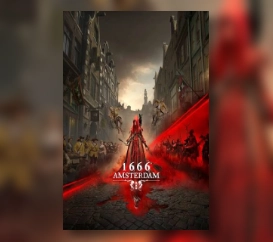
Release Date: August 25th 2026 (EA)
Developer: Panache Digital Games
Publisher: Panache Digital Games
Price: £24.99 / $29.99 USD
Reviewed On: PC
* Access Provided For Review *
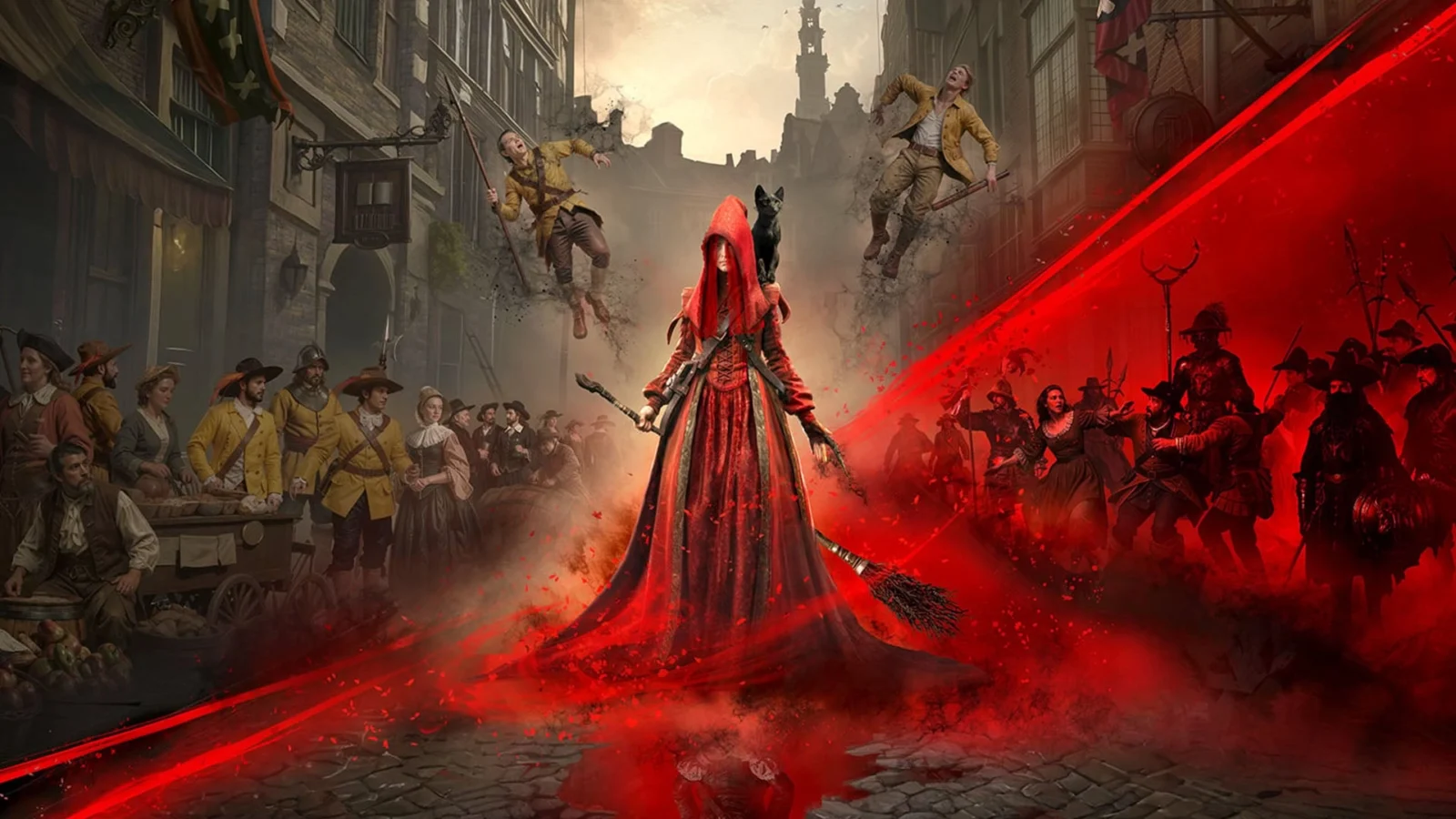
The story begins in a city that feels already haunted by the century that built it. Amsterdam, 1666: prosperous, crowded, beautiful and increasingly shadowed by the suspicion that there are things moving beneath its respectable surface. You play Noa, a witch drawn into a web of covens, hunters and supernatural forces, where investigation gradually gives way to stranger questions about what is real and what should have remained buried. Along the way comes Aaron, a man displaced from his own time and condemned to inhabit the body of a cat — a wonderfully peculiar idea that says more about 1666 than any grand proclamation could. The narrative’s greatest strength is its atmosphere, its willingness to let history and folklore sit uncomfortably beside one another. There are mysteries here that invite curiosity rather than simply demanding resolution, although the Early Access build occasionally struggles to match its intriguing premise with dialogue of equal quality. Still, the foundations are promising, and there is enough beneath the surface to suggest that this is only the first chapter of a considerably stranger story.
It is tempting to approach 1666: Amsterdam expecting an heir to Assassin’s Creed, particularly given Désilets’ involvement, but the game is at its most interesting when it escapes that shadow. This is not simply another historical playground filled with rooftops waiting to be climbed and enemies waiting to be dispatched. Panache seems more interested in the uneasy space between investigation and horror, in making you feel your way through Amsterdam rather than merely conquering it. You examine surroundings, follow clues and uncover the presence of something occult beneath the ordinary life of the city. There is a pleasing slowness to these moments, a sense that the game wants you to look at things before it asks you to destroy them. The Early Access version is at its most confident here, when the city itself becomes a mystery and every strange detail feels as though it might be pointing towards something you have not yet understood.
The supernatural mechanics give this investigation a peculiar flavour. Noa’s abilities turn the act of observation into something more active, while Aaron’s existence as a time-displaced cat is the sort of left-field invention that could only have come from a game willing to be a little strange. It is easy to imagine a safer version of 1666 sanding these ideas down into familiar mechanics, but Panache has instead allowed them to remain odd. That matters. The game is trying to construct its own mythology rather than simply borrowing somebody else’s. Not every idea has found its final form in Early Access, and some systems currently feel more like promises than fully realised mechanics, but there is an appealing sense of experimentation here. 1666 is most exciting when it asks what a historical action game could be if it were allowed to dream a little darker.
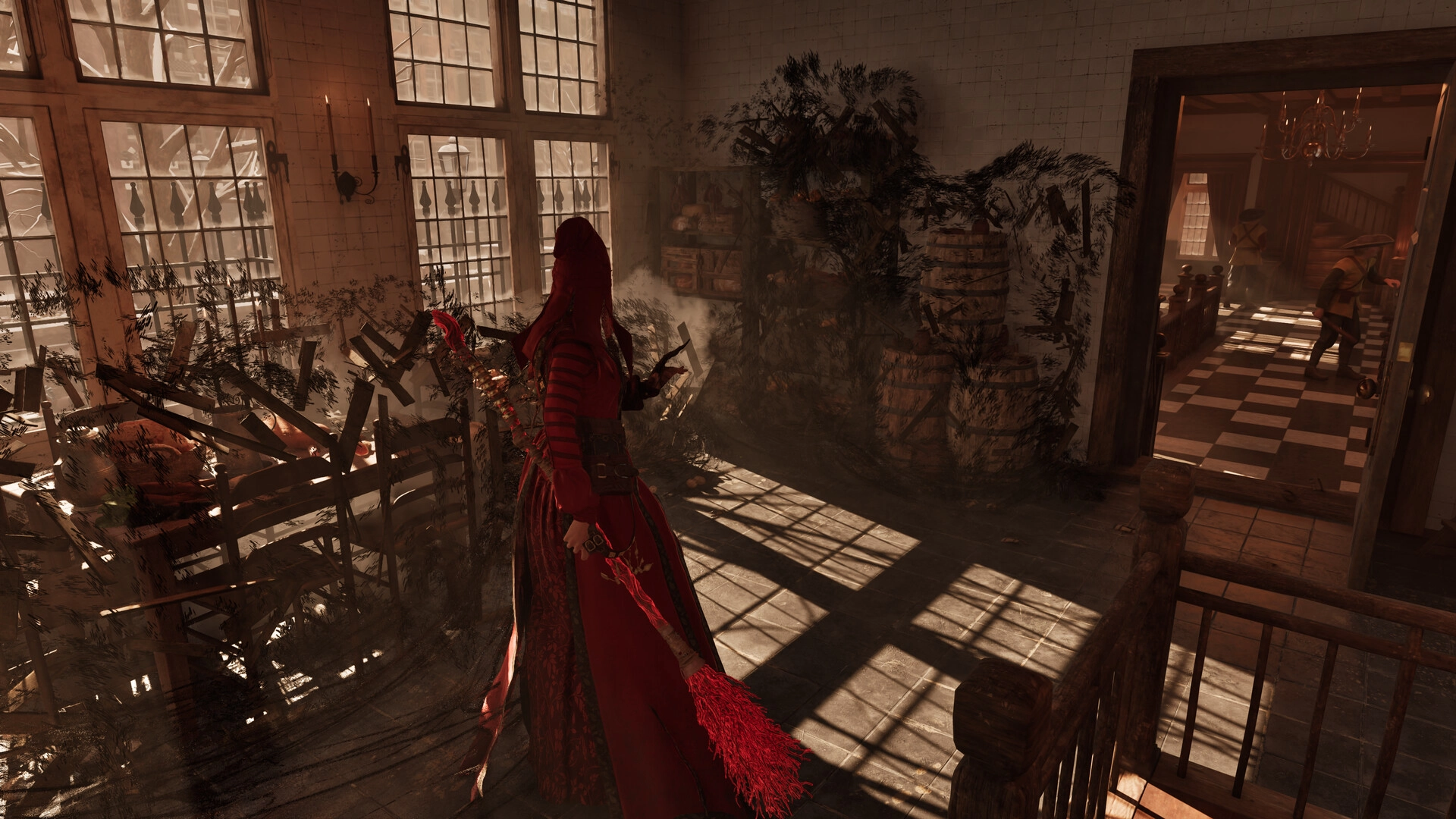
The trouble is that, when the dreaming stops and the fighting begins, the seams become much easier to see. Combat is presently the weakest part of the Early Access experience. There is no conventional parry or block button, and the movement has a heaviness that can make even simple encounters feel like they are taking place through thick mud. Enemies crowd the player in ways that expose the camera’s weaknesses, and what should be a tense supernatural confrontation can instead become a struggle against positioning, animation and perspective. There are moments when the underlying ideas peek through — when abilities combine pleasingly, or when an encounter briefly settles into a rhythm — but they are too often buried beneath friction. It is the sort of roughness that might be forgivable in a development build, and indeed Early Access exists partly to address precisely these problems, but it is difficult not to wish that the game’s combat had been as confident as its setting.
Traversal fares little better. Amsterdam is the sort of place that makes you want to wander simply because it exists, but moving through it is not always as graceful as the architecture deserves. The city can feel carefully observed while the act of inhabiting it feels comparatively awkward, and that contradiction sits at the heart of the current build. There are also moments when the writing seems to lose its footing, shifting abruptly in tone or producing lines that feel oddly adolescent against the otherwise oppressive atmosphere. These lapses can be jarring, particularly when the surrounding world has been so lovingly constructed. And yet this is where the generosity of Early Access becomes important. The problems are visible, sometimes painfully so, but so too is the shape of the better game hiding underneath them. There is something here worth refining rather than abandoning.
Amsterdam is the great achievement of 1666, and perhaps the clearest indication that Panache understands what makes historical fiction compelling. The city does not feel like a collection of period props arranged behind the characters; it feels like a place with its own memory. Buildings crowd together, canals cut through the streets, interiors carry the accumulated weight of a world that existed long before Noa entered it. The historical research is apparent not because the game constantly points at its authenticity, but because the architecture gives the fiction somewhere convincing to breathe. This is a city that can tell you what sort of people lived here before anyone speaks a word. In that respect, it recalls the best historical games: those in which wandering is itself a form of storytelling.
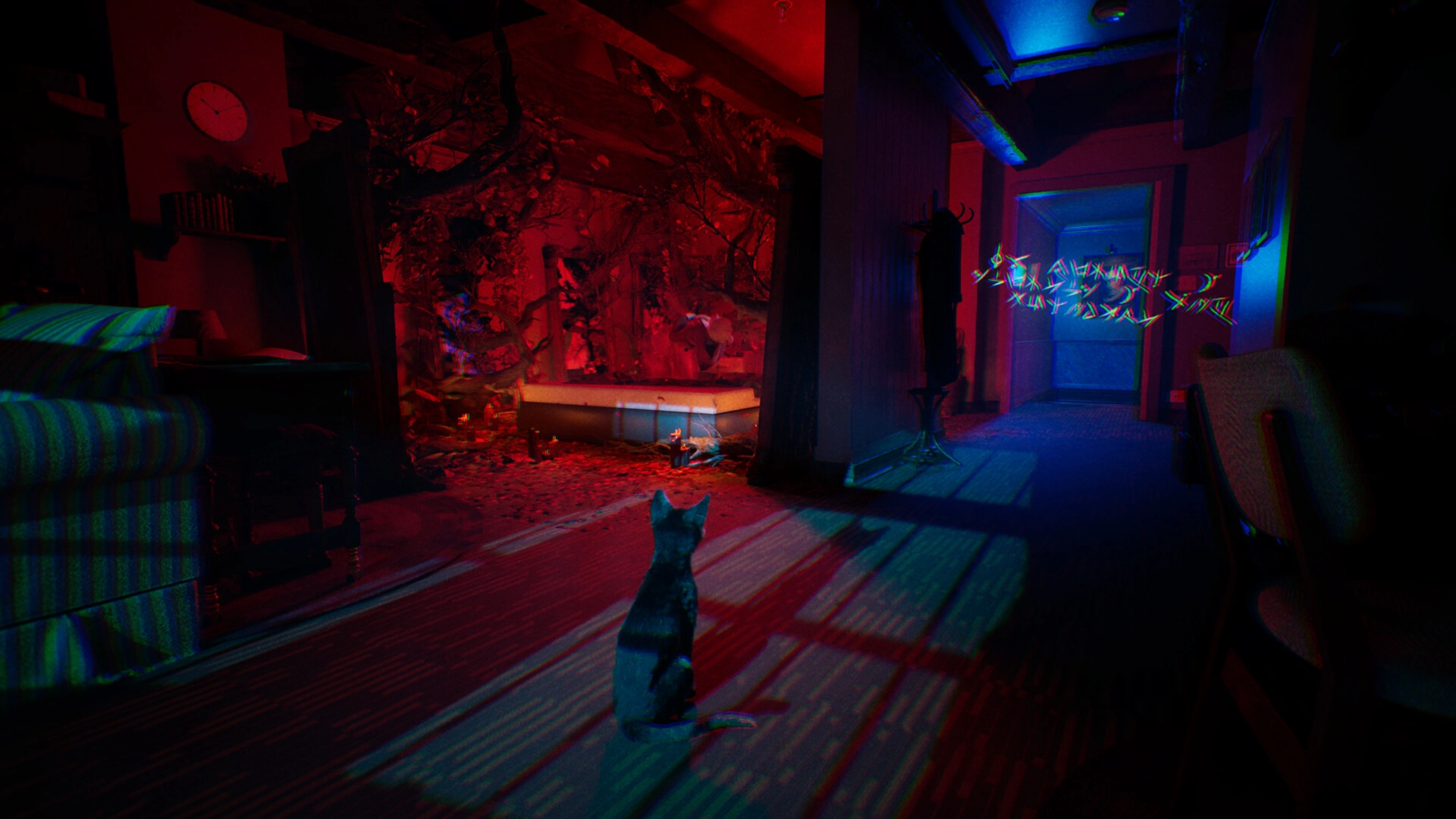
There is also something wonderfully unsettling about the way 1666 allows that historical beauty to curdle into gothic horror. Sunlight catches on the water and briefly makes Amsterdam seem almost idyllic, before a darkened interior or an occult discovery changes the temperature of the entire scene. Streets that initially feel picturesque become narrow and watchful. Churches and homes cease to be simply architectural objects and become places where secrets might have taken root. The atmosphere is helped enormously by the soundscape, which knows when to withdraw and when to let something unpleasant creep into the silence. When 1666 gets this balance right, it achieves the quality its premise promises: history becoming folklore while you are still looking at it.
But this is also an Early Access game, and the illusion is sometimes broken by the unfinished machinery beneath it. Performance remains inconsistent, with frame-rate drops and optimisation problems occasionally intruding on the experience. Character models can look conspicuously crude beside the more carefully realised environments, producing the peculiar sensation of watching rough mannequins wander through an otherwise convincing historical painting. The game’s history with generative AI also hangs over its presentation, although Panache has since removed the disputed AI-generated material from the Early Access build following the backlash surrounding its earlier marketing and prologue. That decision is worth recognising because it demonstrates something increasingly rare in game development: the willingness to listen when a community objects. Whatever 1666 eventually becomes, its current build is at least making a clear statement about what it does — and does not — want to contain.
Verdict
There is something fitting about 1666: Amsterdam being unfinished. This is a game that has spent years as a ghost, and now, finally returned to the world, it feels as though it is still remembering how to exist. The Early Access build is plainly not there yet. Combat needs considerable attention, traversal needs smoothing, the writing needs greater consistency, and the technical performance can make the whole thing feel more fragile than atmospheric. But beneath those problems is a game with an unusually strong sense of identity: a beautifully reconstructed Amsterdam, a compelling gothic mood, an interest in witchcraft and investigation, and ideas strange enough to make it feel like something more than another historical action adventure. There is potential here — perhaps more than the roughness of the current build initially suggests. But potential is not the same thing as fulfilment, and 1666: Amsterdam still has a long road ahead before its 1.0 release. For now, it is best understood not as the finished ghost of a lost game, but as a haunting in progress: fascinating, imperfect, occasionally frustrating, and just tangible enough to make you wonder what might emerge when the fog finally clears.