PC

Killing Floor III Review—Still Bloody Brilliant in the Right Company

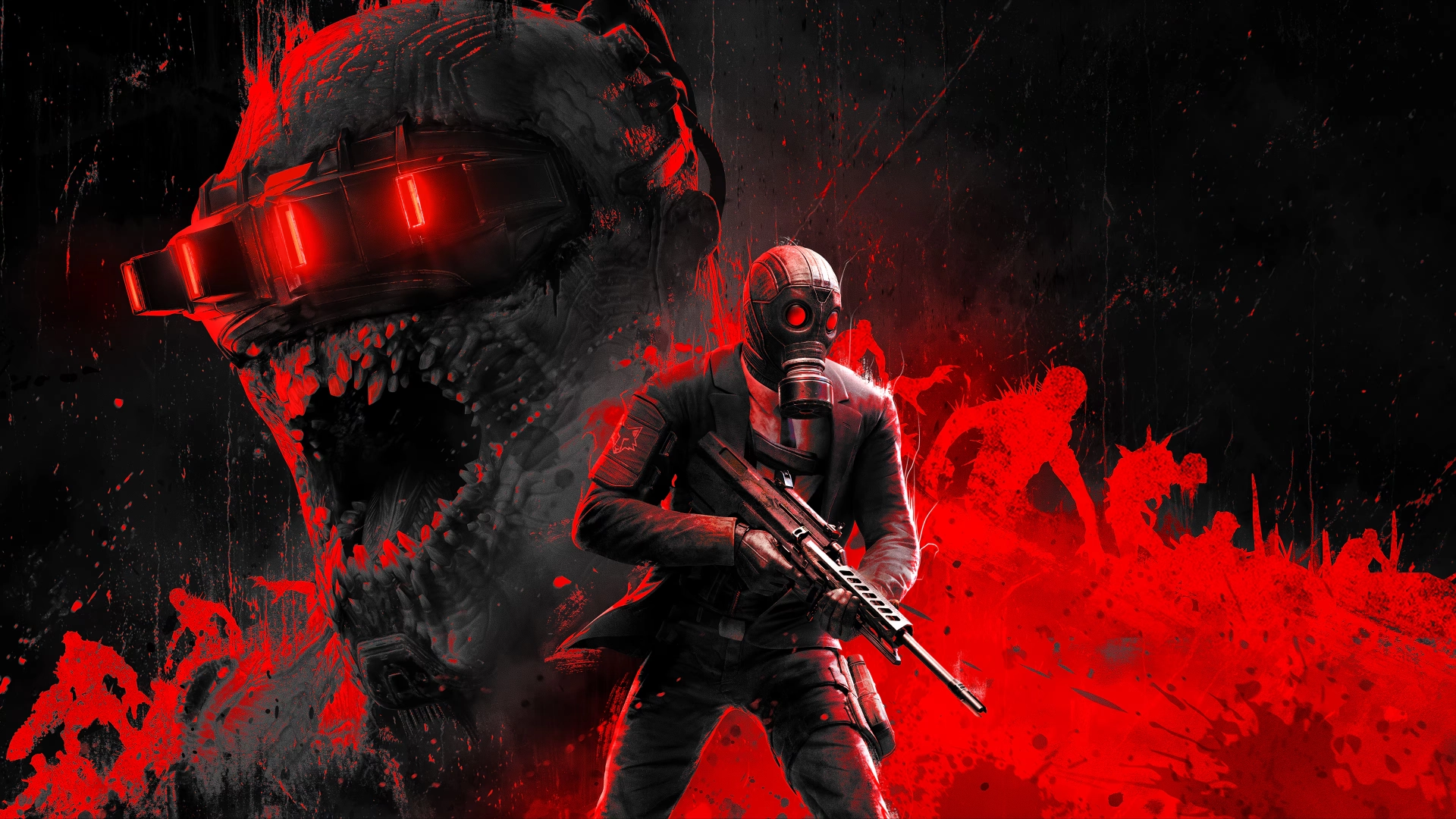
Prior to Killing Floor III, my only experience with Tripwire’s long-running series came through its virtual reality spin-off, a curious detour that struggled to win over players and ultimately earned a mixed reception. Despite that less-than-convincing introduction, the series’ enduring popularity made this latest entry difficult to ignore. More importantly, it marked an opportunity to see what the franchise could achieve on a traditional flatscreen, freed from the constraints of VR and rebuilt with the possibilities afforded by Unreal Engine 5. That alone was enough to spark a curiosity about whether *Killing Floor III* could successfully redefine the series while remaining true to the identity that has kept its community alive for so many years.

Release Date: June 25th 2025
Developer: Tripwire Interactive
Publisher: Tripwire Interactive
Price: £34.99 / $39.99 USD
Reviewed On: PC
* Access Provided For Review *

More Details

Blood, Bullets, Balance

The brilliance of Denshattack! lies not in the novelty of controlling a train, but in how completely that absurd premise disappears once you’re in motion. Automatic acceleration shifts your attention away from speed itself and towards rhythm, positioning every stage as a continuous sequence of split-second decisions. Jumps naturally flow into tricks, tricks into landings, and landings into yet more opportunities to maintain momentum. Before long, you’re no longer thinking about the mechanics individually, only about preserving an almost musical cadence through increasingly elaborate courses.

That rhythm extends across every aspect of movement. Switching between parallel rails feels wonderfully immediate, constantly tempting you towards riskier routes or hidden shortcuts, while drifting transforms corners into opportunities rather than interruptions. The train carries an impressive sense of weight without ever feeling cumbersome, somehow balancing heft and agility in a way that shouldn’t quite work but consistently does. The result is a movement system that rewards confidence without becoming intimidating, encouraging players to push a little further with every run.

Where many arcade games settle for flashy spectacle, Denshattack! finds its lasting appeal through mastery. Maintaining lengthy combos demands careful management of manuals, while the most lucrative tricks require inputs that borrow as much from fighting games as they do skateboarding. It’s an inspired decision that continually raises the ceiling without making the fundamentals inaccessible. Hidden Rainbow Tracks, meanwhile, reward experimentation with spectacular shortcuts and score multipliers, ensuring that replaying a level is driven as much by curiosity as by the pursuit of perfection.

That same philosophy informs the structure surrounding each stage. The Dare objectives encourage exploration without undermining the game’s relentless pace, and Ground Smashes create satisfying moments of controlled destruction while serving genuine navigational purpose. Even the wonderfully ridiculous boss encounters feel like natural extensions of everything learned beforehand, asking players to apply their understanding of momentum and movement rather than suddenly switching genres. Throughout it all, the thoughtfully arranged control scheme quietly proves itself one of the game’s greatest strengths, allowing every mechanic to coexist without overwhelming the player. By the end, the sheer number of interacting systems feels remarkably effortless

Grisly, Gorgeous, Familiar

If the gameplay channels Sega’s arcade legacy, the presentation proudly wears it on its sleeve. Thick outlines, saturated colours and bold cel-shading immediately evoke the Dreamcast era without slipping into simple imitation. Rather than chasing realism, Denshattack! embraces exaggeration at every opportunity, presenting its flooded vision of Japan as an explosion of colour rather than a vision of despair. It’s a world that feels playful, expressive and unmistakably handcrafted, where every environment reinforces the game’s infectious sense of momentum.

That confidence extends well beyond the world itself. Menus bounce with personality, transitions snap elegantly into place and the entire interface carries a distinctly Y2K sensibility, recalling the swagger of Jet Set Radio while borrowing the slick visual language popularised by Persona 5. During play, manga-inspired speed lines, impact lettering and dramatic camera angles transform successful tricks into miniature set pieces, lending every spectacular moment the feeling of a perfectly framed comic panel.

The soundtrack proves an equally inspired companion. With contributions from composers including Tee Lopes, Shoji Meguro and Richard Jacques, alongside an eclectic mix of breakbeat, hip-hop and punk, the music captures the same sense of boundless energy that defines the visuals. Better still, it responds dynamically to your performance, swelling alongside growing combo multipliers until sight and sound become inseparable. Few modern arcade games understand the relationship between music and momentum quite so well.

The smaller touches prove just as impressive. Grinding rails produces satisfyingly heavy metallic shrieks, landings crash with convincing force and both English and Japanese voice tracks add warmth to the game’s eccentric cast. Particularly welcome is the thoughtful accessibility work, with crucial audio information mirrored visually to ensure that no essential gameplay element depends solely on sound. It’s a subtle but significant inclusion that reflects the care evident throughout the entire production.

7
Verdict
Summary

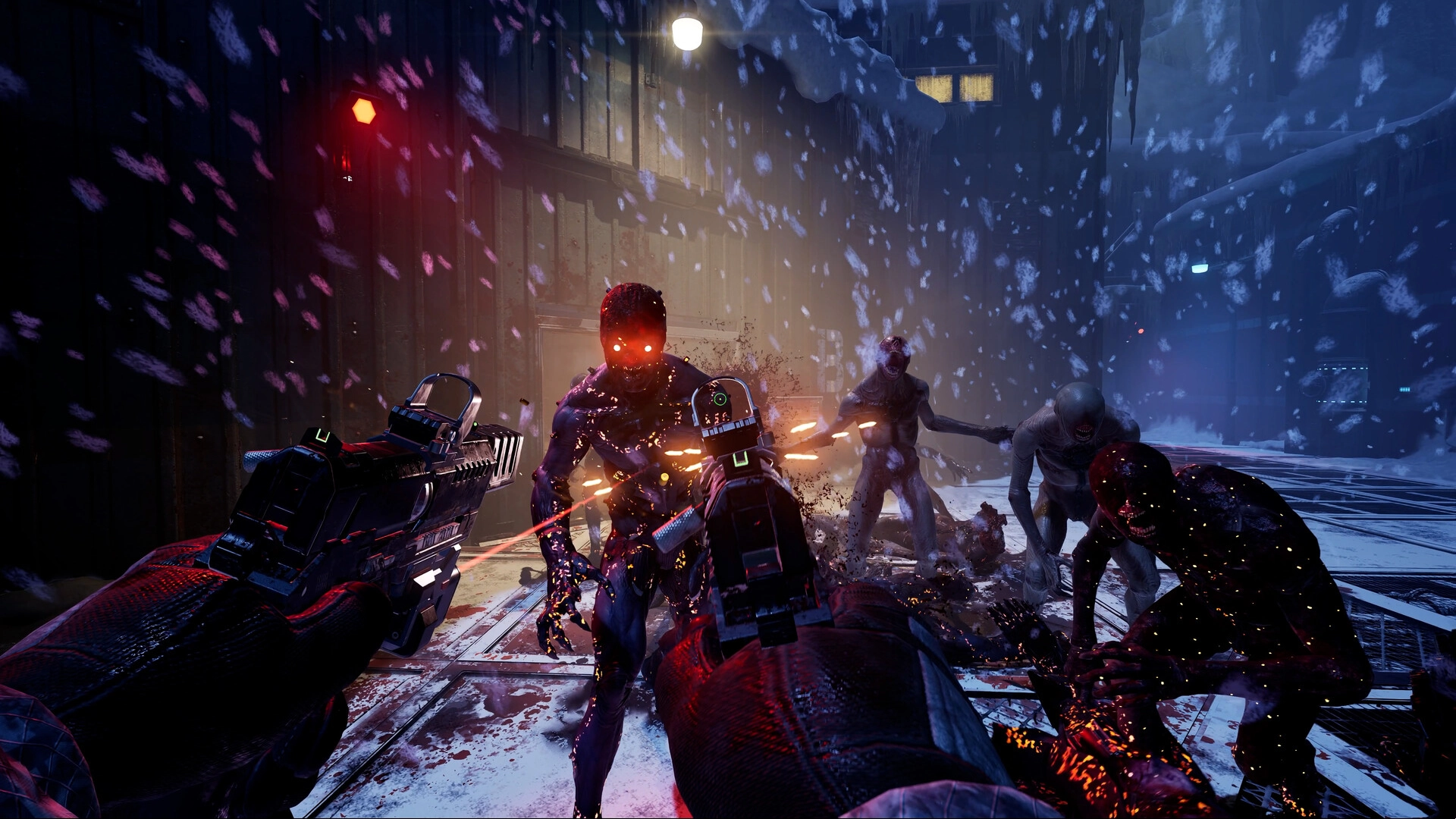
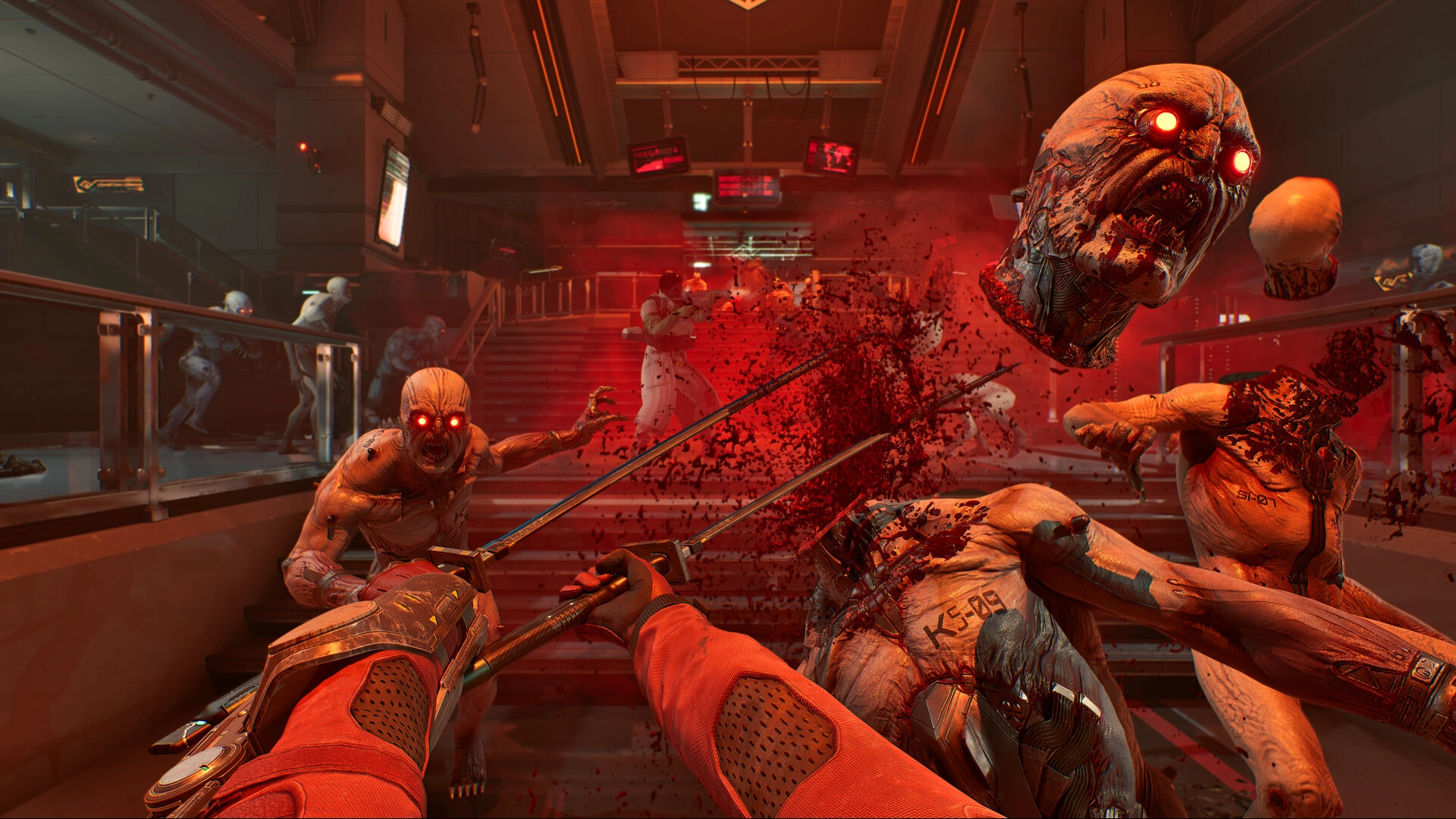
Killing Floor III successfully modernises the series without losing sight of the frantic cooperative action that made it so enduring. Faster movement, satisfying gunplay and the wonderfully grotesque M.E.A.T. system make every encounter feel impactful, while Unreal Engine 5 brings a welcome level of visual polish and an audio design that rarely lets the intensity falter. Yet beneath the spectacle, its live service ambitions, familiar mission structure and occasionally overcomplicated progression systems prevent it from reaching the same heights as its best moments. Even so, when the bullets are flying, Zed Time kicks in and a coordinated squad is tearing through waves of monstrosities, Killing Floor III still captures the exhilarating chaos that has always been the series' greatest strength.