PCSteam Deck

Finding Polka Review—A Little Game About Taking The Long Way Home

There is something wonderfully disarming about a game that asks so little of you. In an industry increasingly preoccupied with maps covered in icons, elaborate progression systems and worlds that seem determined to make themselves useful, Finding Polka is content simply to let you wander. It is a game about following a dog, meeting strangers, lending a hand and, occasionally, stopping to play a little game along the way. There is no grand promise here, no sprawling adventure waiting to consume your evenings. Instead, Finding Polka feels like the sort of small, peculiar thing you might discover tucked away in a sketchbook: modest, sincere and drawn with the kind of gentle curiosity that makes you want to turn the next page.

Release Date: August 11th 2026
Developer: lidlocks
Publisher: PARCO GAMES
Price: £8.99 / $9.99 USD
Reviewed On: Steam Deck
* Access Provided For Review *

More Details

A Small Story About Something Lost

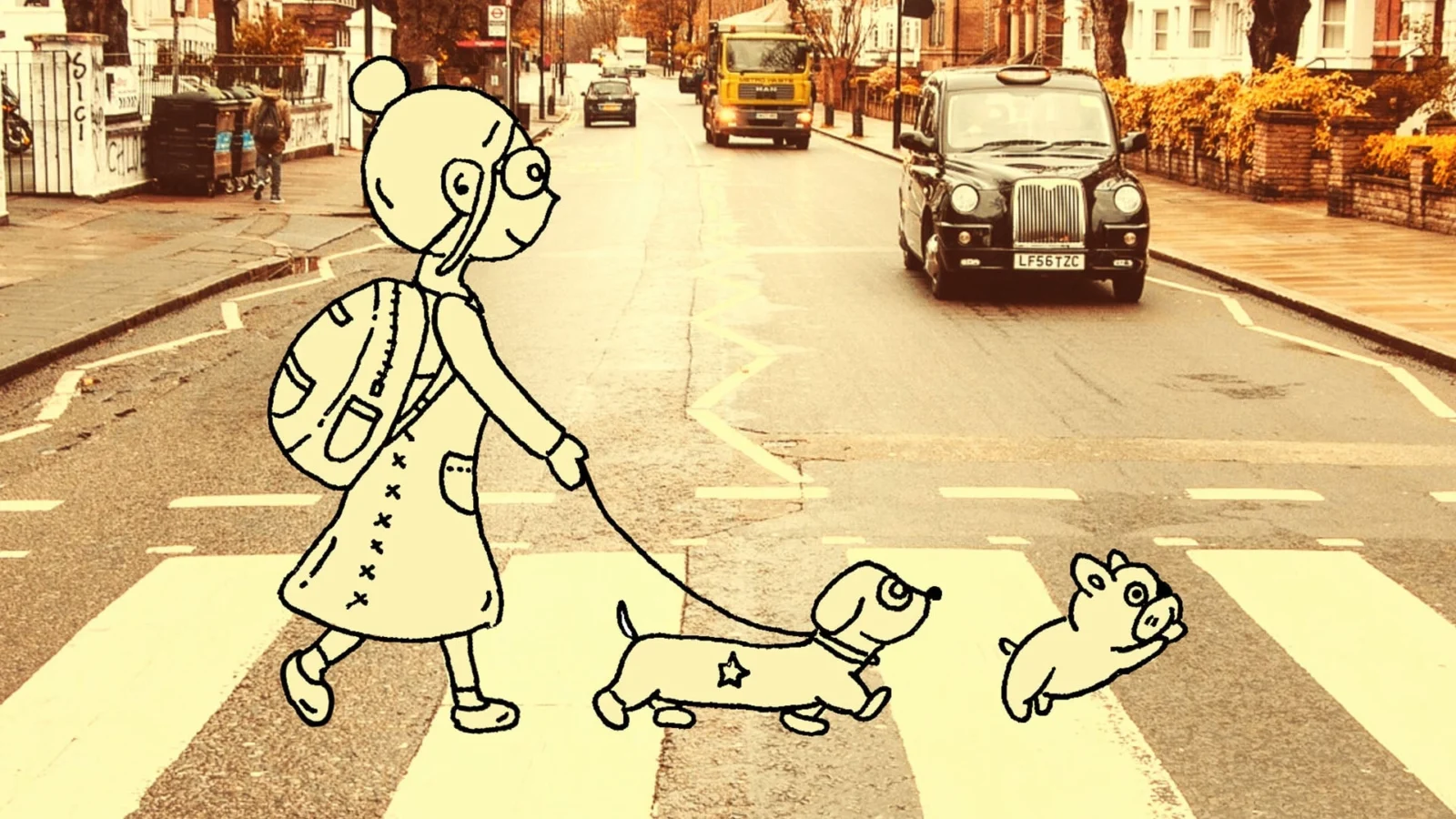
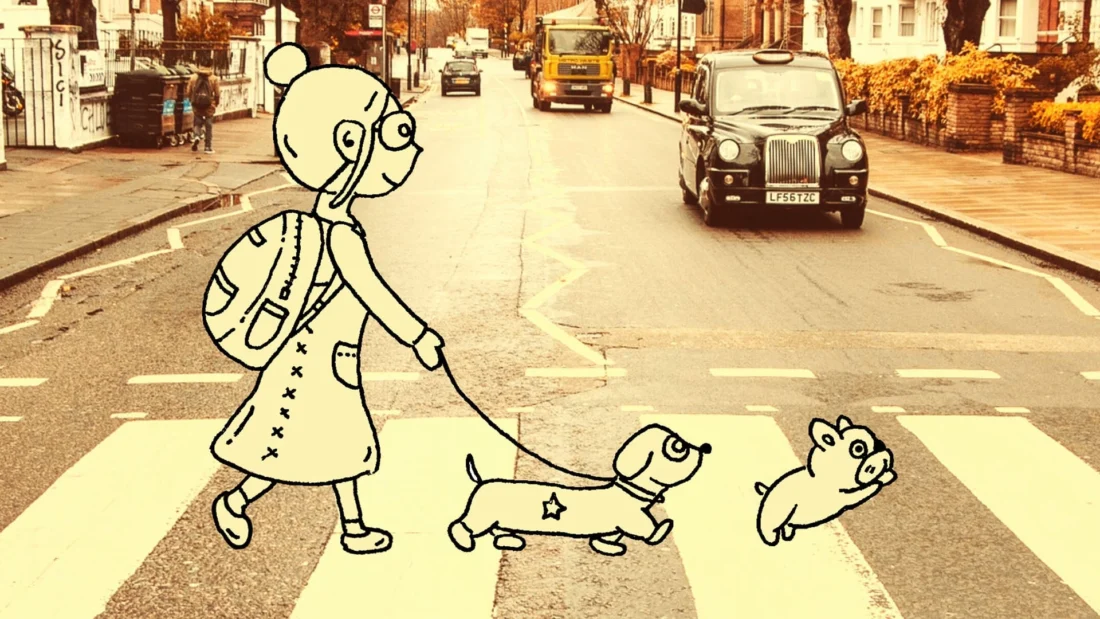
The story begins with Frendy, who lives a peaceful life alongside her dog Jazz, before catching sight of a dog that bears an uncanny resemblance to Polka, the dog she knew during childhood. What follows is less a traditional narrative than a journey of remembrance, coincidence and connection, as Frendy and Jazz set off in pursuit. There is something affecting in the simplicity of it. Finding Polka doesn’t bombard you with exposition or ask its characters to explain themselves; instead, it allows small encounters to accumulate into something warmer. Its refusal to use dialogue could have made the story feel slight, but there is a quiet confidence in letting expressions, gestures and the circumstances of each encounter do the talking.

The Joy of Going Nowhere in Particular

At its heart, Finding Polka is a walking game, but that description makes it sound more passive than it really is. The pleasure comes from wandering through its compact world and allowing curiosity to determine where you go next. There is no need to hurry, and little pressure to approach the search in any particular way. You simply explore, notice something interesting in the distance, wander over and see what happens. It is a wonderfully uncomplicated rhythm, although one that can occasionally feel a little too loose when you’re searching for the next meaningful thing to do.

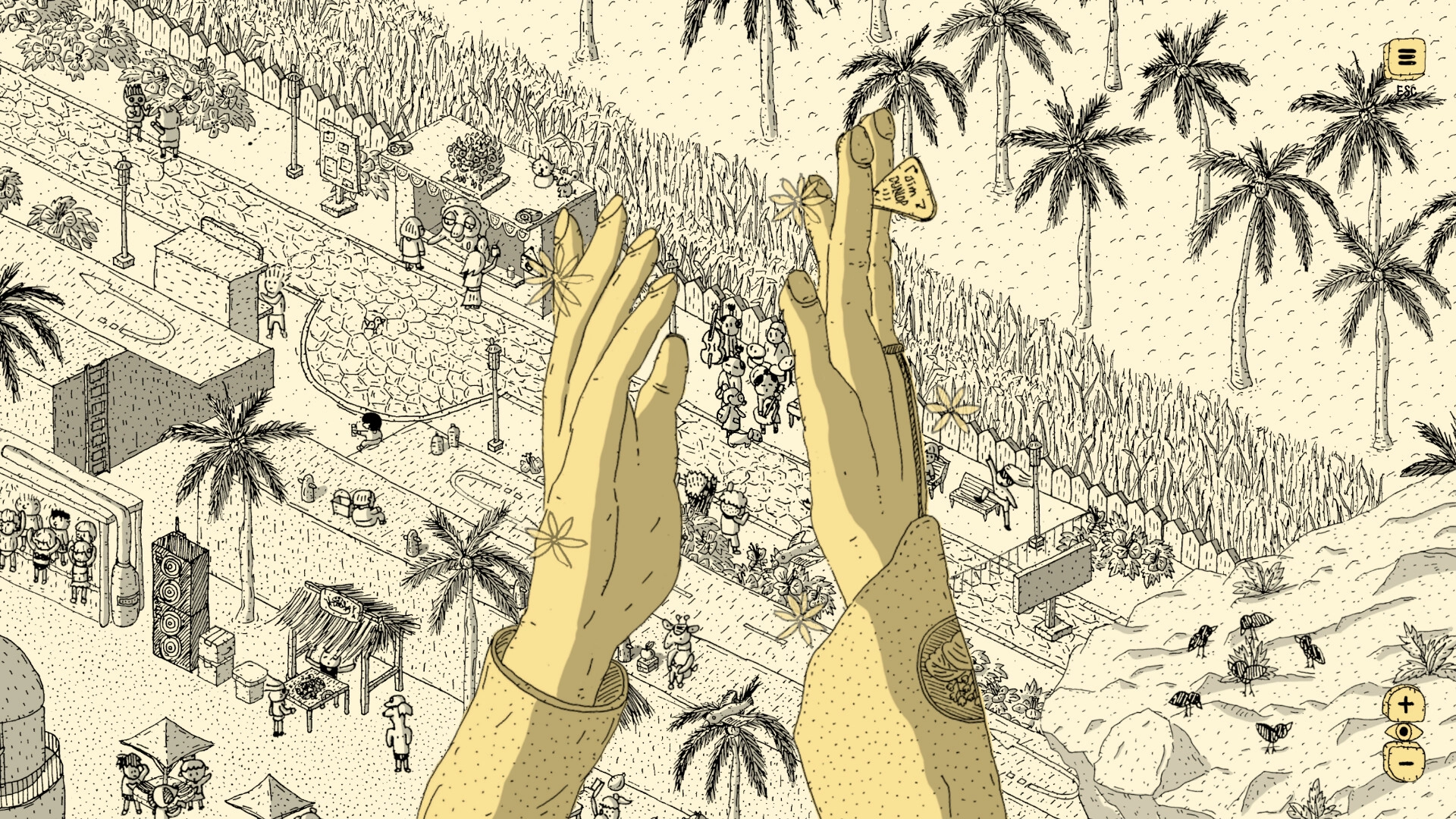
Much of that wandering is punctuated by the people you encounter. Helping them creates friendships, and those friendships gradually give the world a sense of community rather than making it feel like a collection of decorative characters placed along a predetermined route. The little interactions are often the game’s strongest moments precisely because they don’t demand much from you: a gesture, a smile, a high-five. It is almost aggressively wholesome, but Finding Polka understands that there can be genuine pleasure in that simplicity. Your new friends can even lend a hand when you’re in trouble, turning these seemingly inconsequential encounters into something more tangible.

Then there are the minigames, scattered around the world like little distractions that have wandered in from another game. Putt-putt golf, whac-a-mole, football shooting, boat racing, volleyball and other diversions offer brief changes of pace, and importantly, none are required to push the story forward. They work best when treated as exactly what they are: distractions. Some are more enjoyable than others, and none are likely to become the reason you return, but that almost doesn’t matter. Their presence reinforces the game’s central philosophy that wandering somewhere without a particularly good reason can itself be worthwhile.

A World Drawn in Ink

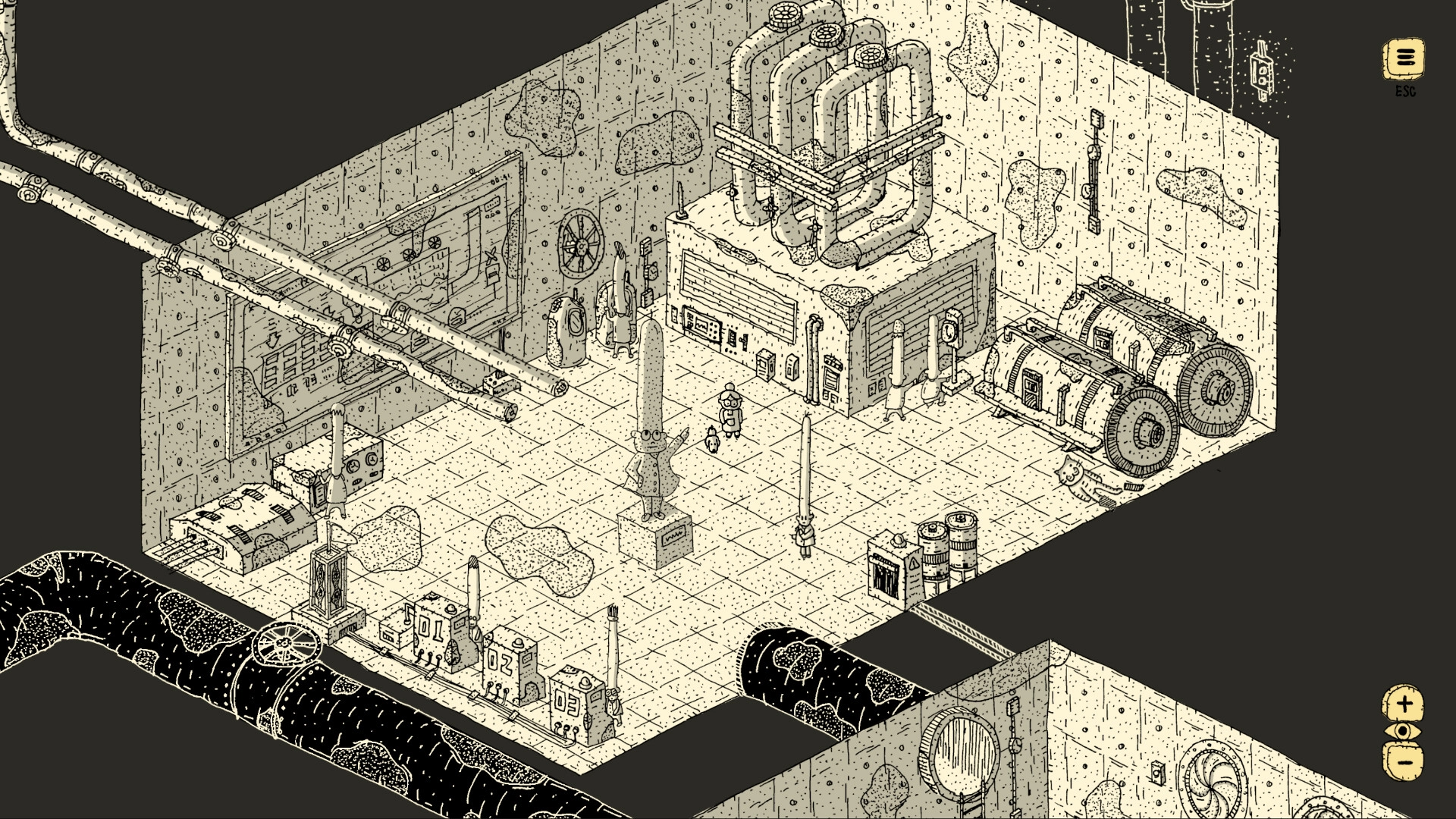
The great pleasure of Finding Polka is that it looks like almost nothing else. Its world appears to have been sketched directly onto the page with a ballpoint pen, with the imperfect lines and scribbled details giving everything a handmade quality. There is a looseness to the art that makes the world feel less constructed than drawn. Buildings, trees, people and animals all possess the slight irregularity of something made by hand, and that imperfection becomes the game’s greatest visual strength. It is charming without needing to announce that it is charming.

That visual language also allows Finding Polka to communicate without conventional dialogue. Characters rely on little movements and expressive sound effects to tell you what they’re thinking, and remarkably little is lost in translation. A surprised reaction or an enthusiastic gesture can carry more personality than a paragraph of exposition. The result is a world that feels almost like a silent cartoon, where the absence of words encourages you to pay closer attention to everything else.

There is, however, a certain simplicity to the presentation that can work against it as much as it works in its favour. The hand-drawn aesthetic is consistently lovely, but the novelty of the idea doesn’t necessarily translate into visual variety at every turn. Likewise, the gentle sound design and expressive effects suit the game’s temperament beautifully, though they rarely linger in the memory independently of the images they accompany. Still, Finding Polka doesn’t need spectacle. Its identity comes from restraint, and there is something admirable about a game that knows exactly how much noise it needs to make.

6
Verdict
Summary

Finding Polka is a small adventure with a deliberately small heart, and that is both its greatest strength and its most obvious limitation. Its search for Polka provides a gentle excuse to wander, meet people and become distracted by the world around you, while its ballpoint-pen presentation gives that wandering an unmistakable personality. There are moments when the simplicity becomes a little too slight, when the lack of urgency makes exploration feel more like drifting than discovery, but there is an uncommon sincerity in what Finding Polka is attempting. It isn't interested in overwhelming you; it simply wants to make you smile, and for the most part, it succeeds.

Related Articles

Life is Strange Retrospective Review—The Things We Cannot Rewind

There is a particular sadness to returning to Life is Strange. Not...

Anomaly President Early Access Review—Democracy by Day, Vigilantism by Night

There is something wonderfully disarming about Anomaly President. On paper, it sounds...

7
PC

Killing Floor III Review—Still Bloody Brilliant in the Right Company

Prior to Killing Floor III, my only experience with Tripwire's long-running series...

Tales of Seikyu Review—Folklore Flourishes, Familiar Foundations

Life simulators have spent years refining the familiar comforts of sowing crops,...