
Listen to The VRverse Podcast

Advertisement

Mixtape Review—A Dreamlike Celebration of Friendship and Music
- May 10, 2026
- 8:57 pm
Mixtape delves into the profound connection between music and adolescence, highlighting how melodies can elevate ordinary experiences into unforgettable memories. Whether it’s a late-night drive with friends, a summer sunset fading into the night, or the quiet walk home after a party, these moments often become forever linked to the songs that accompany them. Youth has a remarkable ability to romanticise these fleeting instances, transforming them into lasting memories that feel timeless. As we age, those formative years blend into a tapestry of laughter, rebellion, uncertainty, and freedom, all woven together by the music that articulated emotions when words fell short. This raises an intriguing question: can these deep-seated feelings be effectively captured in a video game?
One Last Night
Mixtape captures the essence of three teenage friends on their last night together before life leads them down separate paths, transforming a simple goodbye into a surreal exploration of memories, music, and youthful defiance. Through a collection of nostalgic vignettes inspired by a mixtape made by one of the friends, the narrative priorities atmosphere and emotion over high-stakes drama. This intimate coming-of-age tale delves into themes of friendship, identity, and the lasting impact of fleeting moments.
Interactive Memories Unfold
The gameplay priorities immersion over challenge, inviting players into a fluid tapestry of interactive memories rather than adhering to conventional combat or progression systems. Each gameplay segment is a brief, stylised experience that encapsulates the emotions of its moment, whether it’s skating through deserted streets at dusk or engaging in surreal, rhythm-driven scenarios. This design choice emphasises mood over skill, creating a cinematic and intimate experience where gameplay serves as a conduit for the narrative’s emotional resonance.
What sets the gameplay apart is its seamless integration of diverse mechanics, ensuring that no moment lingers too long. One moment, players might be racing downhill to a pulsating soundtrack, and the next, they could find themselves in a dreamlike sequence focused on dialogue or exploration. These fluid transitions maintain a dynamic pace, reinforcing the nostalgic mixtape theme while preventing any sense of monotony, even when individual mechanics are straightforward.
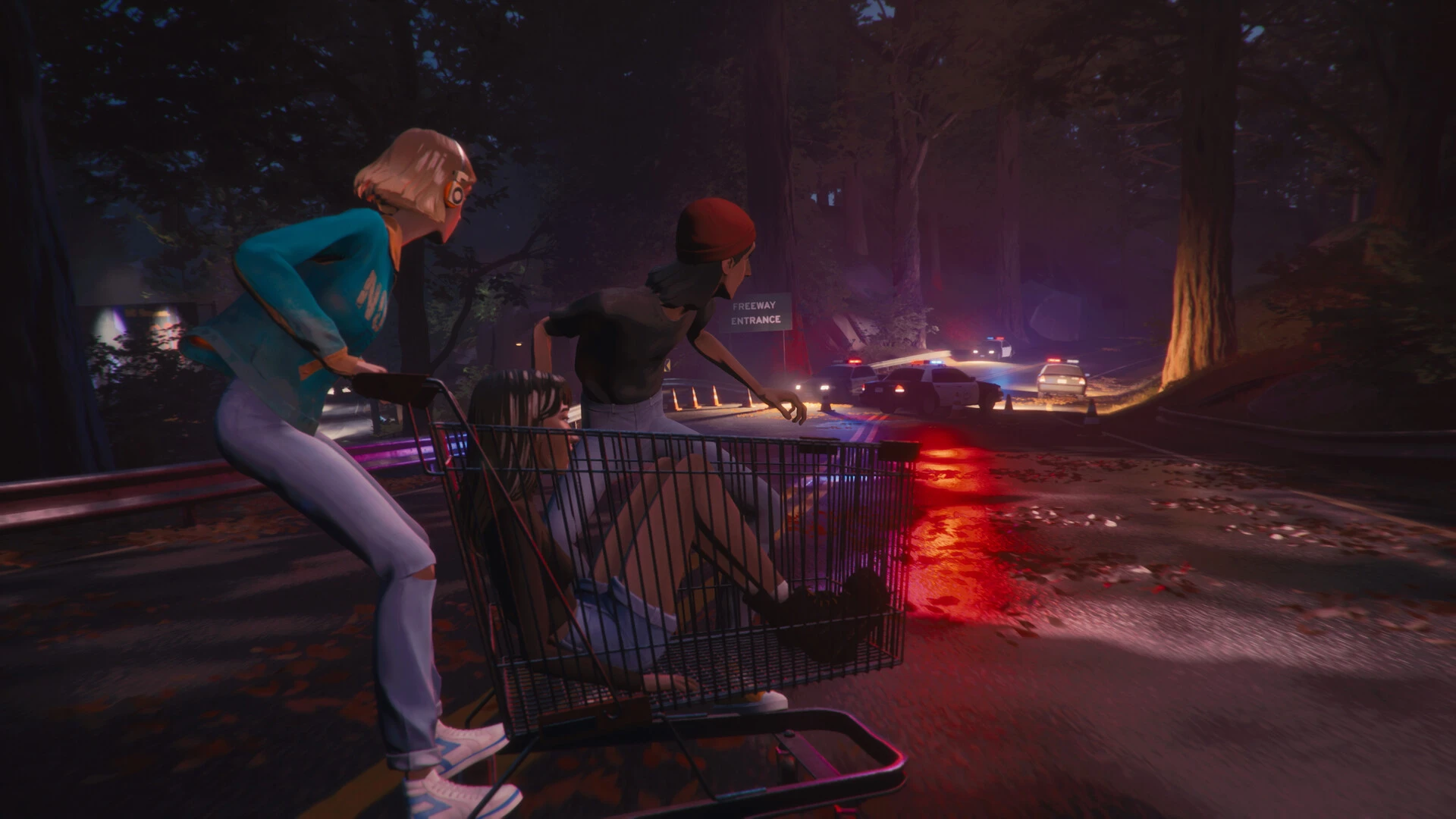
The soundtrack significantly enhances the game’s emotional landscape, with gameplay moments intricately synchronised to licensed music, transforming many scenes into a playable music video. The controls are designed to be accessible, allowing players to immerse themselves in the atmosphere and narrative without the distraction of complex mechanics. While those seeking intricate gameplay may find it lacking, Mixtape excels by emphasising emotion, style, and immersion, delivering a cohesive experience that aligns perfectly with its artistic vision from start to finish.
Adolescence Through Art and Sound
One of the most captivating features of Mixtape is its visual aesthetic, which beautifully evokes the hazy, dreamlike essence of reminiscing about youth through the lens of memory rather than reality. The game artfully combines vibrant hues, soft sunsets, and surreal transitions to craft a world that feels both tangible and romantically idealised. Each scene is presented with a cinematic flair, reminiscent of vintage album covers or long-lost photographs, while the environments burst with character, from desolate suburban streets illuminated by streetlights to lively party scenes brimming with colour and energy.
The effectiveness of this presentation lies in its seamless navigation between realism and fantasy. Memories intertwine in surprising ways, transforming mundane moments into vivid visual metaphors fuelled by emotion and music. The game continually plays with perspective, pacing, and animation, ensuring that each sequence possesses its own distinct identity while adhering to a cohesive artistic vision. These transitions imbue even the simplest actions with significance, allowing players to forge emotional connections with experiences that might otherwise feel trivial in a more conventional narrative framework.
Equally vital to the overall experience is the soundtrack, which stands out as one of the game’s most compelling elements. Featuring a diverse array of licensed tracks from punk, alternative rock, and classic indie artists like Roxy Music, The Smashing Pumpkins, and Portishead, the music profoundly influences the tone of nearly every scene. Rather than merely serving as background noise, the songs actively shape the pacing and emotional landscape of the gameplay. Certain moments transcend traditional gaming sequences, resembling interactive music videos where rhythm, visuals, and player input harmonise seamlessly. The soundtrack encapsulates the restless spirit of adolescence while reinforcing the game’s themes of nostalgia, freedom, and the uncertainties of youth.
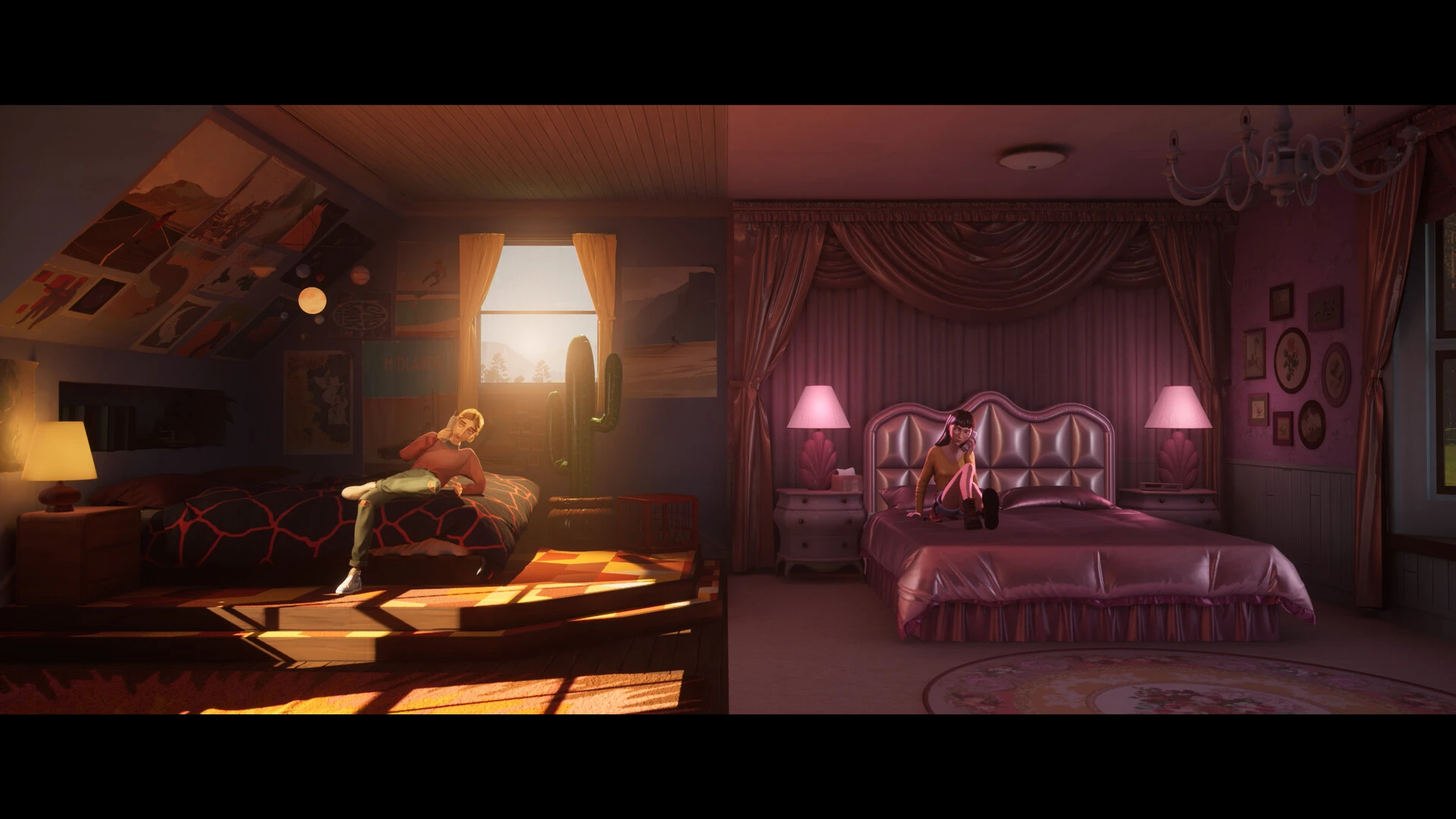
The voice acting significantly enhances the narrative, making the main characters feel authentic and relatable. Their dialogues possess a genuine awkwardness that reflects the dynamics of real friendships, particularly among teenagers who often mask their vulnerabilities with humour and sarcasm. Subtle exchanges carry as much emotional depth as the game’s grander moments, thanks to performances that prioritise nuance over melodrama. The chemistry among the characters forms the emotional core of the story, ensuring that their interactions resonate as personal and lived experiences rather than mere plot devices.
What truly sets the game apart is how seamlessly all its components—visuals, music, voice acting, and gameplay—integrate to create a unified experience. Each element is interdependent; every gameplay mechanic, camera angle, musical choice, and line delivery contributes to the emotional landscape the game aims to evoke. While the gameplay mechanics may be straightforward, their impact is amplified by their close connection to the storytelling and presentation. By the conclusion, Mixtape transcends the boundaries of a conventional game, immersing players in a vivid recollection of someone else’s memories, resulting in an emotionally rich experience that resonates long after the game ends.
More Details
| Information | |
|---|---|
| Genre | Adventure, Indie |
| Players | Single-player |
| Download Size | 12GB |
| Steam Deck | |
| Compatibility | Verified |
| Positives | All functionality is accessible when using the default controller configuration. This game shows Steam Deck controller icons. In-game interface text is legible on Steam Deck. |
| Negatives | None |
Verdict
Mixtape is a masterfully designed coming-of-age journey that captures the profound emotional resonance of music, memory, and youthful bonds more effectively than any game before. Its visual aesthetic, outstanding soundtrack, genuine voice acting, and dynamic gameplay create a deeply personal and immersive experience from start to finish. Although its simple mechanics may not appeal to those seeking traditional gameplay complexity, each design element aligns seamlessly with the overarching artistic vision, showcasing remarkable confidence and unity. More than just an interactive story, Mixtape encapsulates the fleeting, vibrant essence of adolescence—chaotic, awkward, nostalgic, and unforgettable.

Release Date: May 7th 2026
Developer: Beethoven and Dinosaur
Publisher: Annapurna Interactive
Price: £15.99 / $19.99 USD
Reviewed On: Steam Deck
* Access Provided For Review *
Advertisment
Advertisment
Advertisment

Advertisment

Advertisment
Copyright / Virtual Grip (formally The VR Realm) / 2016 -