
Listen to The VRverse Podcast

Advertisement

Ground Zero Review—A Love Letter to Classic Survival Horror
- May 3, 2026
- 9:55 pm
Having been raised on the classic Resident Evil and Silent Hill games, which featured fixed camera angles, scarce resources, and a methodical pace, my expectations for this genre were significantly influenced. These games taught me to appreciate atmosphere and tension more than sheer action. This appreciation is what attracted me to Ground Zero, a game that openly showcases its inspirations. However, the question remains: can this retro design still thrive in today’s gaming landscape?
From Impact to Infection
Ground Zero takes place in a ravaged South Korea after a disastrous meteor strike devastates the landscape, leaving the nation in shambles and infested with horrifying mutated beings. You assume the role of a solitary operative dispatched into the quarantined area to probe the disaster’s origins, but what starts as a standard mission rapidly devolves into a far more ominous situation. While navigating through deserted streets and forsaken facilities, you stumble upon pieces of a concealed conspiracy linked to the meteor’s impact, indicating that the outbreak might not be completely of natural origin.
Classic Survival, Modern Edge
The gameplay heavily emphasises traditional survival horror elements, focusing on tension and resource management instead of rapid action. Right from the beginning, players are urged to proceed with caution, as both ammunition and healing supplies are intentionally limited. This fosters a persistent feeling of vulnerability, where each choice—whether to confront or evade an enemy—holds significant consequences. The tempo is slower compared to contemporary horror games, but this measured pace enhances the experience, cultivating dread through uncertainty rather than mere spectacle.
Exploration is key, featuring interconnected settings that reward careful scrutiny. Areas loop back on themselves in gratifying ways, revealing shortcuts that gradually improve navigation. Players will dedicate a considerable amount of time to hunting for keys, codes, and concealed items, which reinforces the methodical nature of the gameplay. The level design achieves a commendable balance between guidance and obscurity, rarely feeling overly linear while still subtly nudging players onward.
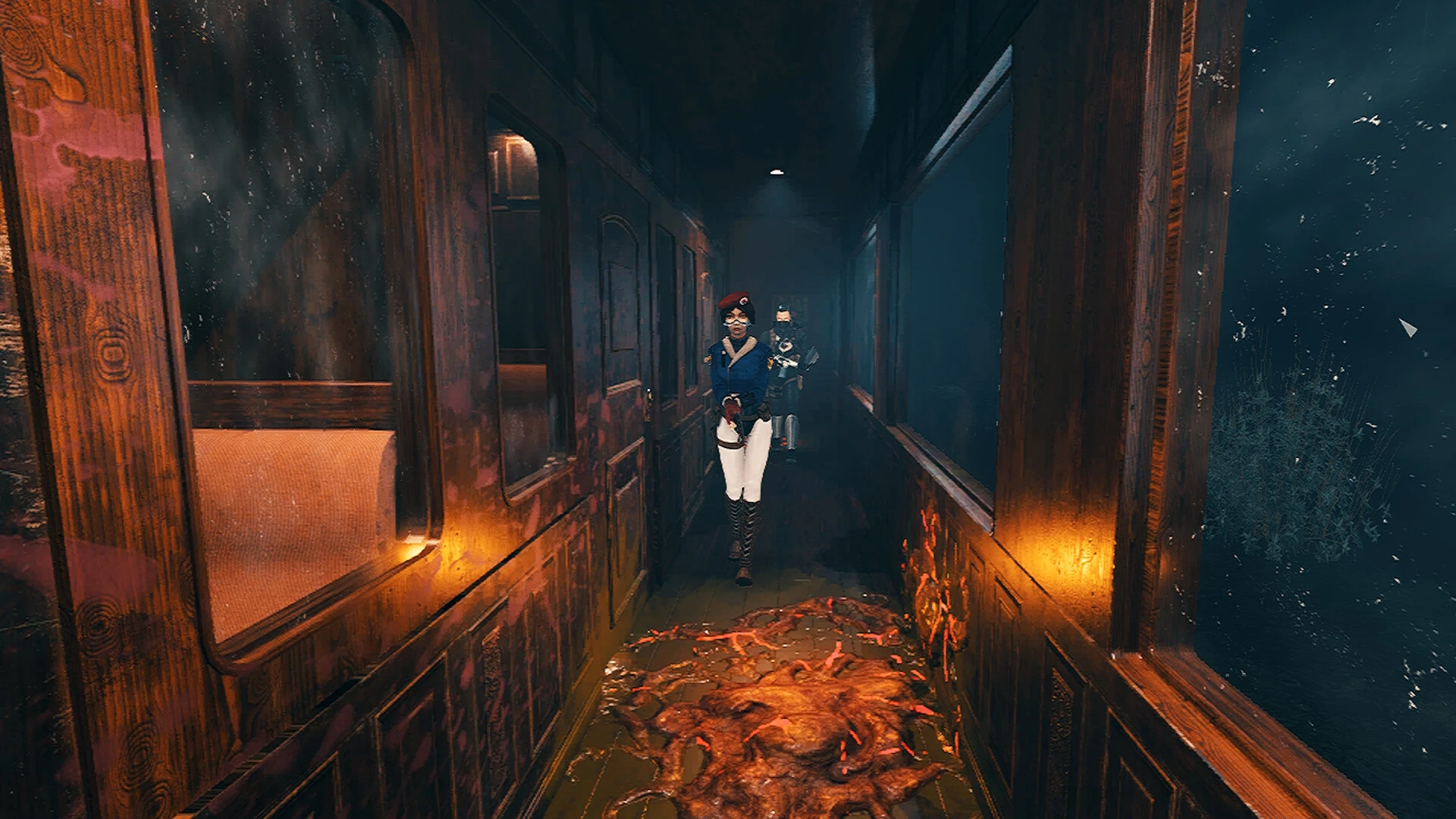
Combat is purposefully awkward, reflecting the genre’s origins, yet it doesn’t always execute as smoothly as it could. Aiming can feel rigid, and encounters with enemies often depend more on trial and error than on skill. Nevertheless, this clumsiness adds to the overall tension—battles feel perilous rather than empowering. Deciding when to engage becomes a strategic element in itself, particularly when confronted with multiple foes or tight spaces.
Puzzle-solving is another significant aspect, presenting a range of challenges that interrupt the exploration and combat. Most puzzles are logical and gratifying to complete, often requiring players to notice environmental cues or item descriptions. They seldom overstay their welcome, although a few may seem somewhat obscure, potentially hindering the pacing for players who favor a more fluid experience.
Overall, the gameplay provides a robust, albeit somewhat inconsistent experience. Although certain mechanics may seem outdated or a bit unrefined, they primarily contribute to a unified vision that effectively embodies the spirit of traditional survival horror. For those players ready to accept its more deliberate tempo and sporadic annoyances, it presents a gripping and fulfilling gameplay cycle that distinguishes itself in the current, more action-driven horror environment.
Shadows, Silence, and Tension
The visuals in Ground Zero adopt a retro-inspired style that unmistakably references classic survival horror, yet it possesses enough modern refinement to avoid feeling obsolete. Fixed camera angles are utilised effectively, framing the environments in ways that amplify tension and conceal what may be hiding just beyond view. The lighting stands out, with dimly lit corridors, flickering lights, and deep shadows fostering a persistent sense of discomfort. Although the character models and textures may not be state-of-the-art, the overall artistic direction enhances the experience, demonstrating that atmosphere is more significant than graphical quality.
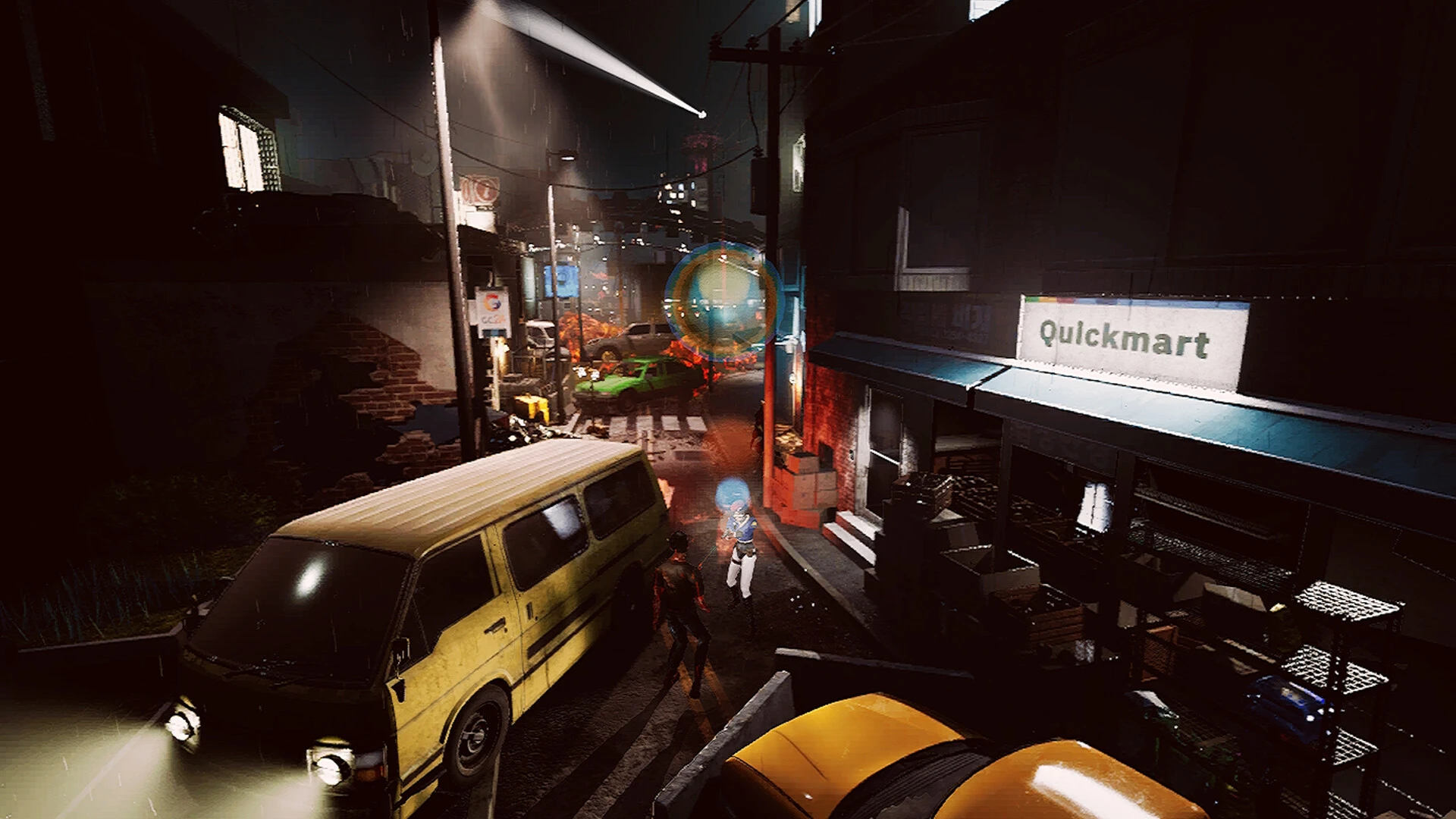
Environmental design significantly contributes to conveying the game’s mood. Desolate streets, deteriorating interiors, and overgrown buildings all seem intentionally designed to mirror the aftermath of the catastrophe. A consistent visual language is maintained, with clutter, debris, and subtle details narrating their own tales without the need for explicit storytelling. Even when revisiting locations, minor elements help sustain immersion, ensuring the world feels unified rather than monotonous.
Sound design is where the game truly shines. Ambient sounds are employed sparingly yet effectively, with distant noises, echoes, and eerie background hums keeping players alert. The soundtrack knows when to remain silent and when to build intensity, often allowing silence to carry weight before highlighting crucial moments with sharp, tense musical cues. Enemy sounds are unique and disconcerting, offering just enough forewarning to induce panic while preserving the fear of the unknown. Together, the audio and visuals collaborate seamlessly to create a dense, oppressive atmosphere that lingers long after each gaming session.
Verdict

Ground Zero confidently harkens back to the classic survival horror genre, combining a grim, conspiracy-driven narrative with slow, methodical gameplay that values tension over action. The game’s focus on resource management, careful exploration, and interconnected level design effectively captures that nostalgic feeling of vulnerability, even though the deliberately awkward combat and sporadic obscure puzzles can interrupt the pacing. Visually, the retro-inspired aesthetics and robust environmental design create a believable, oppressive atmosphere, while the exceptional sound design enhances the ambiance to consistently eerie levels. Despite some rough patches and outdated mechanics, the game’s dedication to its vision ultimately pays off, providing a tense and fulfilling experience.

Release Date: April 16th 2026
Developer: Malformation Games
Publisher: Kwalee
Price: £15.99 / $19.99 USD
Reviewed On: ROG Xbox Ally
* Access Provided For Review *

Advertisment

Advertisment

Advertisment

Advertisment

Advertisment
Copyright / Virtual Grip (formally The VR Realm) / 2016 -