
Listen to The VRverse Podcast

Advertisement

Call Of The Elder Gods Review—An Uneven Yet Immersive Lovecraftian Adventure
- May 11, 2026
- 11:16 pm
When I initially played Call of the Sea in VR, it quickly became one of those adventures that stayed with me long after the credits finished. The world, atmosphere, and air of mystery created a profound impact, making me eager for the announcement of a sequel. Now, years later, Call of the Elder Gods comes with the burden of those expectations, striving to expand on the groundwork laid by its predecessor while continuing the journey that started all those years back.
Echoes From Call Of The Sea
Set three decades after the events of Call of the Sea, Call of the Elder Gods follows Professor Harry Everhart and his student, Evangeline Drayton, as they delve into a new mystery linked to ancient relics, unsettling visions, and incomprehensible forces. What starts as a quest to understand disturbing dreams and the mysterious vanishings of loved ones evolves into a worldwide adventure through lost ruins, isolated terrains, and surreal realms that defy the constraints of time. Heavily influenced by Lovecraftian horror, the narrative intertwines cosmic terror with intimate themes of loss, obsession, family ties, and the relentless pursuit of truth. While introducing a new mystery and a dual-protagonist dynamic, the game continues the emotional and narrative arcs from Call of the Sea, particularly through Harry’s ties to the original story. Thus, Call of the Elder Gods is best appreciated as a genuine sequel rather than a standalone experience.
Ancient Mysteries, Uneven Challenges
Call of the Elder Gods adheres to the puzzle-adventure framework established in Call of the Sea, seamlessly merging environmental exploration with intricate logic puzzles that prioritise keen observation over trial and error. Players spend much of their time scouring richly detailed settings for clues, interpreting symbols, manipulating ancient devices, and piecing together narratives hidden within journals, murals, and the environment itself. This deliberate pace complements the game’s atmosphere, allowing players to immerse themselves in the surroundings while gradually unraveling solutions at their own speed.
The quality and difficulty of the puzzles vary significantly throughout the game. Some of the most memorable moments arise from puzzles that intricately connect to the world and its story, making players feel like true detectives uncovering lost knowledge. These challenges strike a satisfying balance between difficulty and intuition, rewarding careful observation without veering into frustration. However, this level of consistency is not maintained across the entire experience, as the difficulty can swing dramatically from one chapter to the next.
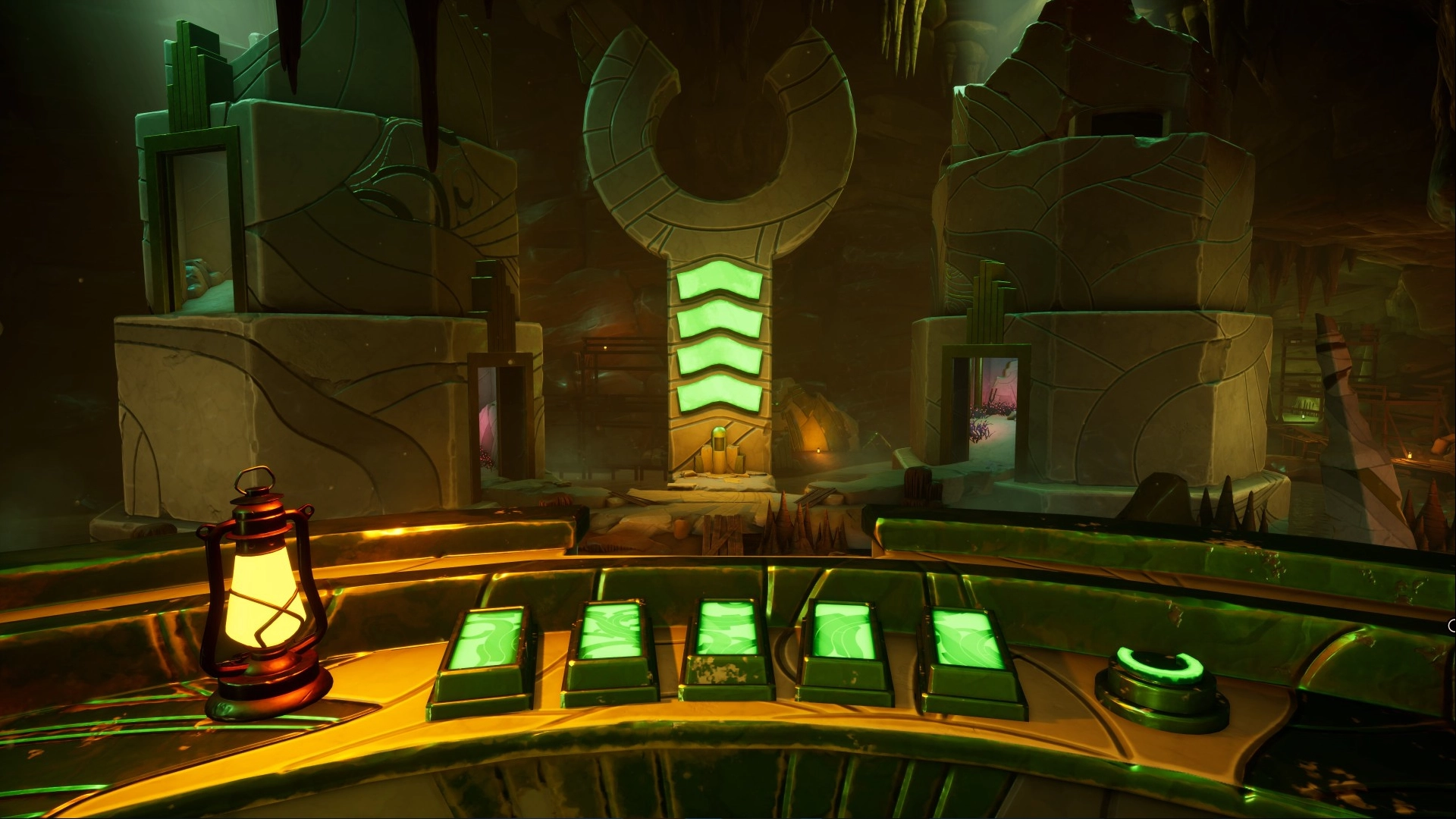
Occasionally, the game presents genuinely inventive multi-step puzzles that require players to synthesise clues from various locations, leading to gratifying “aha” moments when everything falls into place. Unfortunately, these more complex puzzles are often followed by simpler tasks that can feel underdeveloped or overly dependent on obscure logic. While there are times when progression feels fluid and engaging, other moments can leave players aimlessly exploring after overlooking a minor detail or misinterpreting vague hints. This uneven pacing can disrupt the otherwise captivating flow of exploration.
The introduction of dual protagonists alters the gameplay dynamics, allowing players to leverage each character’s unique perspective and knowledge in creative ways. Although this mechanic doesn’t develop into something particularly intricate, it effectively enhances the pacing and provides a more expansive feel compared to its predecessor. The exploration remains visually captivating, with each setting showcasing stunning architecture, cosmic visuals, and atmospheric nuances that invite players to engage deeply with their surroundings.
Despite some inconsistencies, Call of the Elder Gods generally excels in its gameplay. The standout puzzles leave a lasting impression, the exploration is deeply engaging, and the overall atmosphere helps to elevate weaker moments, even when the challenge levels vary. Players seeking a laid-back narrative puzzle experience infused with strong Lovecraftian elements are likely to find enjoyment here, though those anticipating consistently refined puzzle design may be deterred by the fluctuating difficulty and occasional ambiguity, which could prevent the game from reaching its full potential.
Beauty Beneath The Limitations
On the Nintendo Switch 2, Call of the Elder Gods successfully cultivates a captivating atmosphere, despite the hardware occasionally struggling to match the game’s ambitious scope. The settings are rich with bizarre architecture, ancient ruins, and disquieting visuals that consistently emphasise the themes of cosmic horror. Each area is meticulously designed to draw players deeper into the mystery, whether they are navigating deserted interiors or vast landscapes that feel increasingly surreal. The art direction plays a crucial role in maintaining engagement, even as technical limitations become apparent.
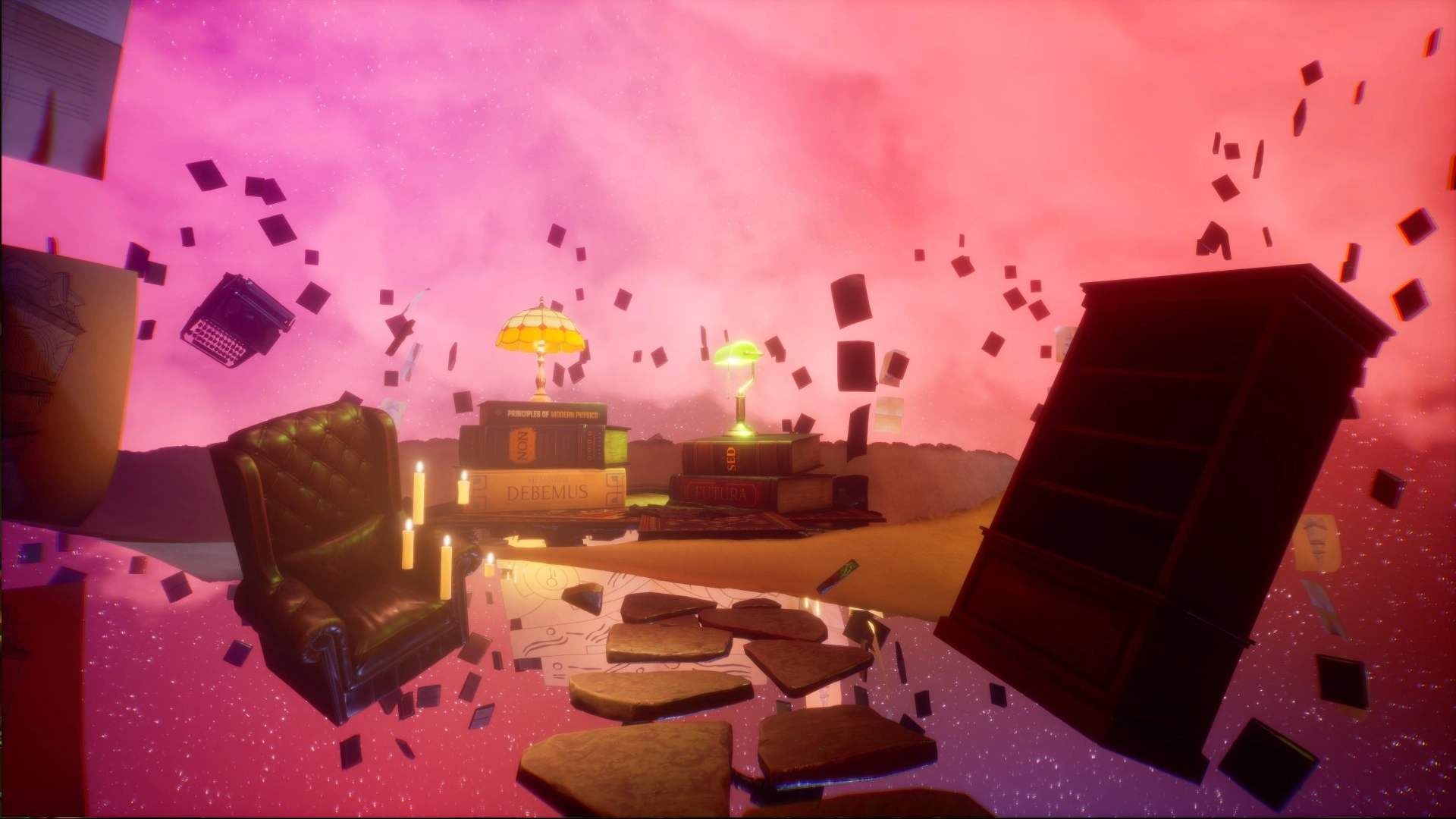
As players delve further into the game, these technical issues become more pronounced. While the gameplay remains functional on the Switch, the image quality can sometimes appear soft, particularly in handheld mode, and certain textures lack the detail found on more powerful consoles. Additionally, players may experience occasional frame rate drops during some scenes or transitions, along with loading times that can disrupt the flow. Although these shortcomings do not ruin the overall experience, they do make this version feel like a lesser alternative compared to others. Fortunately, the impressive environmental design helps mitigate many of these concerns.
The audio presentation stands out as a highlight, with a soundtrack that subtly builds tension throughout the journey without being overbearing. The slow, haunting compositions enhance the game’s unsettling atmosphere, while environmental sounds—such as distant echoes and subtle background effects—contribute to a pervasive sense of unease. Coupled with strong voice acting from the main cast, the sound design effectively conveys the emotional depth of the narrative and sustains immersion during exploration and puzzle-solving.
Verdict
Call of the Elder Gods is a captivating Lovecraftian puzzle adventure that builds on the groundwork established by Call of the Sea, offering a compelling mystery enriched by haunting exploration, striking world design, and satisfying puzzle mechanics. The game shines in its immersive settings, atmospheric audio, and intricate puzzles that reward players, especially those familiar with the original narrative and characters. However, the experience is somewhat marred by inconsistent puzzle quality, varying difficulty levels, and occasional pacing issues, while the Nintendo Switch 2 version suffers from softer graphics, frame rate drops, and other technical limitations. Despite these drawbacks, the game’s rich atmosphere, engaging storyline, and presentation make it a worthwhile journey for enthusiasts of narrative-driven puzzle games and cosmic horror.

Release Date: May 12th 2026
Developer: Out of the Blue Games
Publisher: Kwalee
Price: £19.99 / $24.99 USD
Reviewed On: Nintendo Switch 2
* Access Provided For Review *

Advertisment

Advertisment

Advertisment

Advertisment

Advertisment
Copyright / Virtual Grip (formally The VR Realm) / 2016 -