
Listen to The VRverse Podcast

Advertisement

Alien: Rogue Incursion Part One Evolved Edition Review—Atmospheric Horror Shines Despite Some Repetition and Technical Flaws
- April 26, 2026
- 7:12 pm
Having previously played Alien: Rogue Incursion in virtual reality, I was curious about how a game designed for VR would adapt to a flatscreen format – as I had only experienced the reverse before. Therefore, when Alien: Rogue Incursion Evolved Edition was unexpectedly released on Nintendo Switch 2, I recognised this as the ideal chance to find out. So, how did it perform on the Switch 2?
Silent Facility, Deadly Secrets
The story centres around Colonial Marine Zula Hendricks, who embarks on a perilous mission to probe a covert Weyland-Yutani facility that has inexplicably fallen silent. While navigating the remote Gemini Exoplanet Solutions research facility in response to an SOS, she discovers evidence of a disastrous failure linked to the company’s fixation on hazardous biological research.
Claustrophobic Horror, Repetitive Combat
In Alien: Rogue Incursion Evolved Edition, the gameplay is a blend of first-person shooting and survival-horror elements. The movement is intentional rather than rapid, which enhances the atmosphere, and the game effectively conveys a sense of vulnerability. Weapons feel substantial, and encounters with foes are crafted to evoke danger rather than empowerment, aligning well with the overall tone. However, the pacing can sometimes drag, particularly during quieter moments when the action is limited to simply transitioning from one objective to another.
You won’t need to be as stealthy as in Isolation or engage in as much action as in Fireteam Elite; instead, you’ll find a balance between the two. The game begins slowly, establishing its atmosphere, but facing your first Xenomorph provides a glimpse of the action that awaits you throughout the game. The Xenomorphs are crafted to be aggressive and unpredictable, rarely feeling like mere cannon fodder (unless you’re playing on easy mode), which keeps you on your toes. However, their appearance frequency does lessen their overall impact. That said, the shooting mechanics aren’t particularly polished – aiming can feel a bit rigid, and enemy encounters may start to blend together over time. While the tension remains high, the lack of diversity in combat situations can lead to a sense of repetition during extended play sessions.
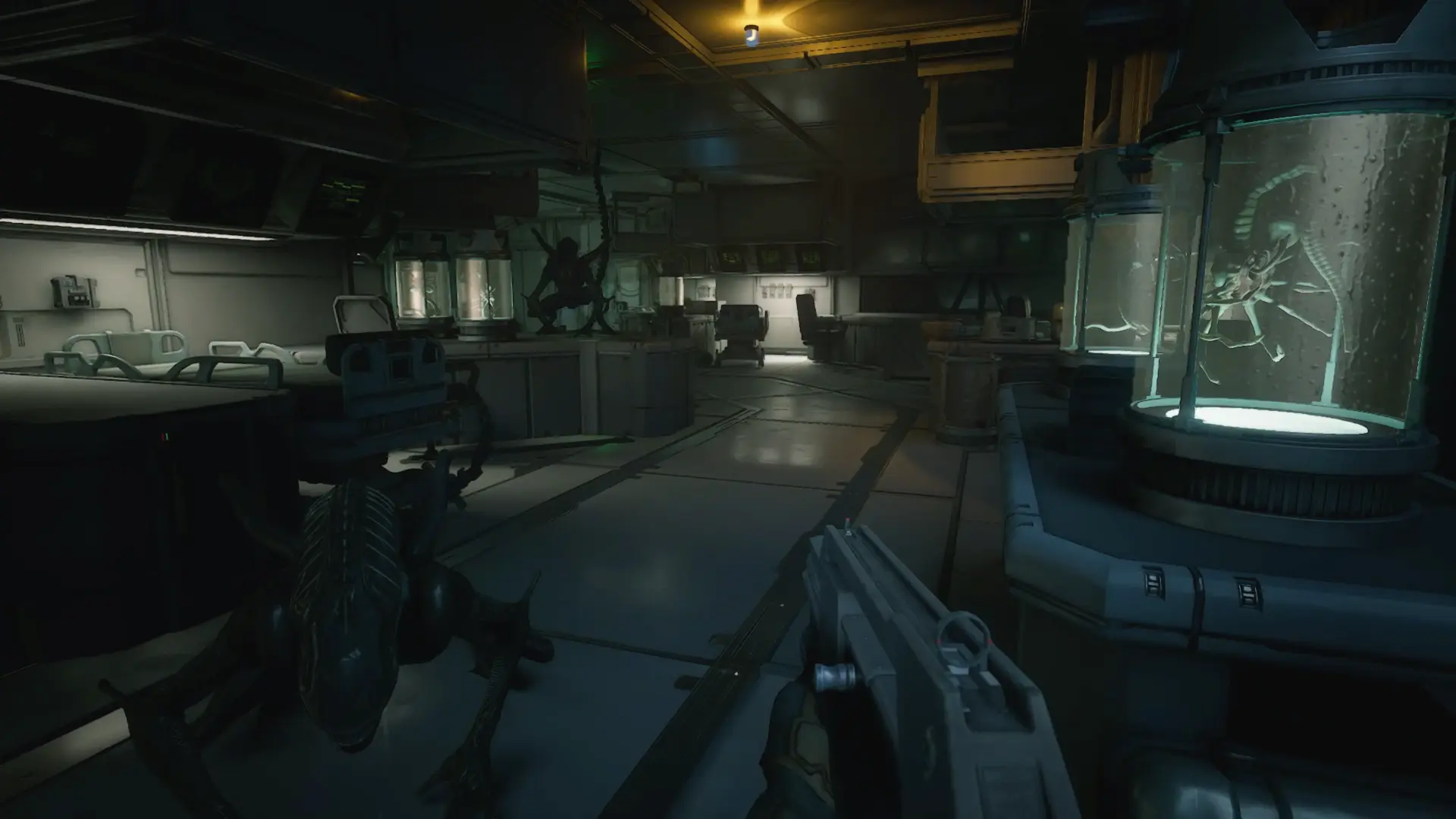
Exploration is crucial, as players traverse corridors, labs, and industrial zones in search of objectives and resources. The level design effectively instils a sense of claustrophobia, and there’s a gratifying cycle of checking corners, unlocking pathways, and figuring out your next move. On the downside, you’ll find yourself backtracking through the same facility, which can become somewhat monotonous as you return to previously explored areas to retrieve items needed for other rooms.
The game features light survival aspects, including resource management and interaction with the environment. Managing ammunition is not a significant concern, as you have access to three weapons (a pistol, a shotgun, and the iconic pulse rifle), ensuring you have enough ammo to avoid shortages. The environmental interactions involve tasks like using terminals, re-routing electricity in junction boxes, or cutting through sealed doors—these elements help to immerse you in the game world. However, at times, these interactions feel like echoes of the game’s VR roots, resulting in somewhat clumsy or unnecessary steps in a traditional console setting.
Overall, the gameplay offers a tense and immersive experience that embodies the essence of the Alien universe, even if it doesn’t fully progress beyond its original framework. It’s captivating in short sessions, but the repetitive combat, inconsistent pacing, and slightly awkward mechanics hinder its potential.
Atmosphere Carries the Experience
On the Nintendo Switch 2, it delivers a visually diverse experience that captures the essence of the Alien universe. The industrial environments are steeped in atmosphere, showcasing dark corridors, stark lighting, and detailed mechanical elements that echo the original material. Players can choose between performance and quality modes, with the former offering a smoother gameplay experience that suits the game’s thrilling confrontations. However, the visual imperfections in performance mode are difficult to ignore—textures can appear flat, and character models, particularly the Xenomorphs, sometimes give off a plastic model appearance.
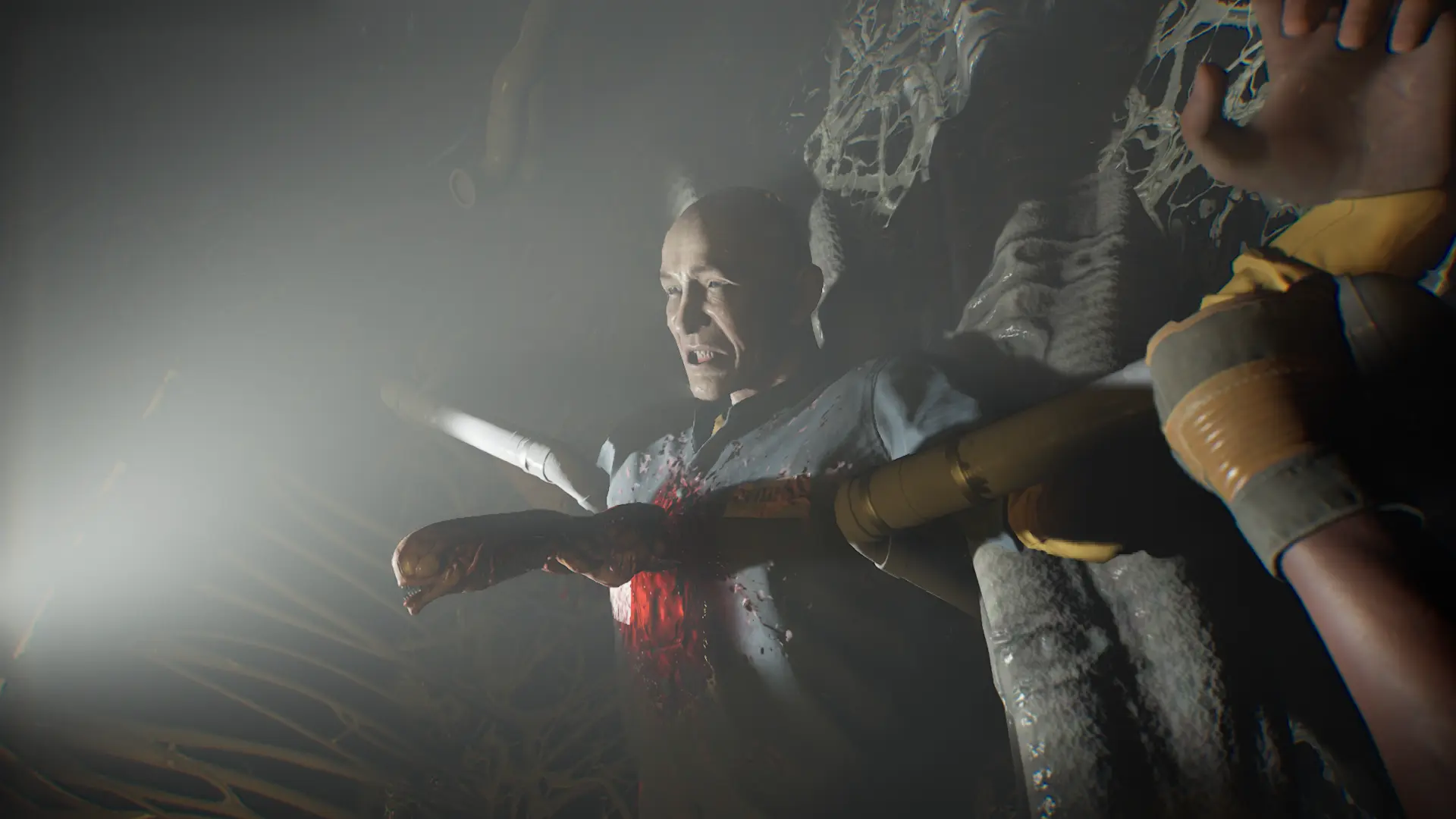
In spite of these drawbacks, the game’s atmosphere stands out as one of its most compelling aspects. The blend of claustrophobic level design, dim lighting, and thoughtful environmental storytelling fosters a persistent sense of unease. Navigating the facility feels tense and intentional, with each new area sustaining that underlying dread. However, the illusion doesn’t always hold up during prolonged play sessions. Repetitive environments and diminished visual effects in lower settings can gradually lessen the intensity, making the experience feel less dynamic than it initially suggests.
On the other hand, the sound design consistently enhances the experience and often offsets the visual shortcomings. Weapons deliver a satisfying impact, while ambient sounds—ranging from distant metallic reverberations to sudden, sharp noises—keep players alert throughout. The game also cleverly employs silence, allowing tension to build organically before bursting into action. Although some audio cues may start to feel repetitive and predictable over time, the overall soundscape remains highly effective, playing a vital role in sustaining immersion on the Switch 2 version.
Verdict

Alien: Rogue Incursion Evolved Edition offers a gripping and atmospheric survival-horror experience that truly embodies the essence of the Alien universe. The narrative sets up a compelling sci-fi premise, thrusting Colonial Marine Zula Hendricks into a quiet Weyland-Yutani facility brimming with peril and intrigue. The gameplay merges first-person shooting with survival mechanics, fostering a persistent feeling of vulnerability through heavy weaponry, tight exploration, and unpredictable Xenomorph encounters. Nevertheless, the pacing can be inconsistent, and the combat may feel repetitive, with some mechanics appearing a bit clunky during prolonged sessions. On the Nintendo Switch 2, the game shines particularly in its atmosphere and sound design, featuring intricate industrial settings, robust lighting, and immersive audio that consistently heightens tension. The performance and quality modes provide options, yet visual drawbacks—like flat textures and inconsistent character models—are apparent and can disrupt immersion in performance mode. While the exploration and survival systems contribute to the structure, the backtracking and repetition may become tiresome over time. In summary, it’s a solid but flawed adaptation that truly excels in creating mood and tension.

Release Date: April 21st 2026
Developer: Survios
Publisher: Survios
Price: £14.99 / $19.99 USD
Reviewed On: Nintendo Switch 2
* Access Provided For Review *
Advertisment
Advertisment

Advertisment

Advertisment

Advertisment
Copyright / Virtual Grip (formally The VR Realm) / 2016 -