
Listen to The VRverse Podcast

Advertisement

Cinderia Early Access Review—An Ambitious Challenger Among Modern Roguelike Greats
- June 29, 2026
- 4:10 pm
Entering the roguelike genre in 2026 presents a significant challenge. With iconic games like Hades and Dead Cells setting the standard, especially on platforms like the Steam Deck where they thrive, new titles must meet exceptionally high expectations. Gamers are no longer satisfied with mere variations of existing concepts; they seek unique identities, bold ambitions, and compelling reasons to invest countless hours in yet another cycle of death and progression. For an Early Access game, this challenge intensifies, as developers must showcase not only a solid foundation but also a clear vision for the game’s future.
A Kingdom Lost to Cinders
In Cinderia, you explore the remnants of a once-thriving kingdom now shrouded in ash, corruption, and fragmented memories. The narrative centres on a diverse group of heroes who take on the Ash Witch while uncovering the roots of the disaster that turned a lively fairy-tale land into a perilous wasteland. The game’s roguelite design enhances re-playability and encourages experimentation, yet it is the rich environmental storytelling, intriguing characters, and somber atmosphere that create a captivating narrative backdrop. Instead of lengthy explanations, Cinderia unveils its lore through interactions, artefacts, and the scars etched into its landscape, offering a sense of mystery that entices inquisitive players.
Adventure Through Experimentation
At its core, Cinderia fundamentally embraces the essence of modern roguelikes while establishing a unique identity. With randomised encounters, branching room selections, and unexpected rewards, each journey feels refreshingly different. The game goes beyond mere procedural generation, using it to foster significant decision-making, prompting you to balance immediate dangers with potential long-term benefits. This design cultivates a gameplay experience that consistently rewards adaptability, experimentation, and the courage to delve into the unknown.
The four heroes in the game showcase one of Cinderia’s standout achievements, each providing a distinct twist on the roguelike genre. Rue stands out as a swift assassin, utilising a dynamic Energy system that rewards you for staying mobile and aggressive with her rapid knife strikes. In contrast, Rivet adopts a more strategic approach, employing firearms, explosives, and deployable turrets to manage battles from afar. Isdra, the formidable ice-dragon knight, emphasises the importance of timing, urging you to perfect their blocks and parries while wielding potent frost magic. Lastly, Uma embodies the summoner role, gathering momentum to unleash a horde of woodland creatures and supportive constructs against her foes. The diversity in these play styles makes character switching feel refreshing, significantly enhancing the game’s re-playability and commitment to engaging gameplay.
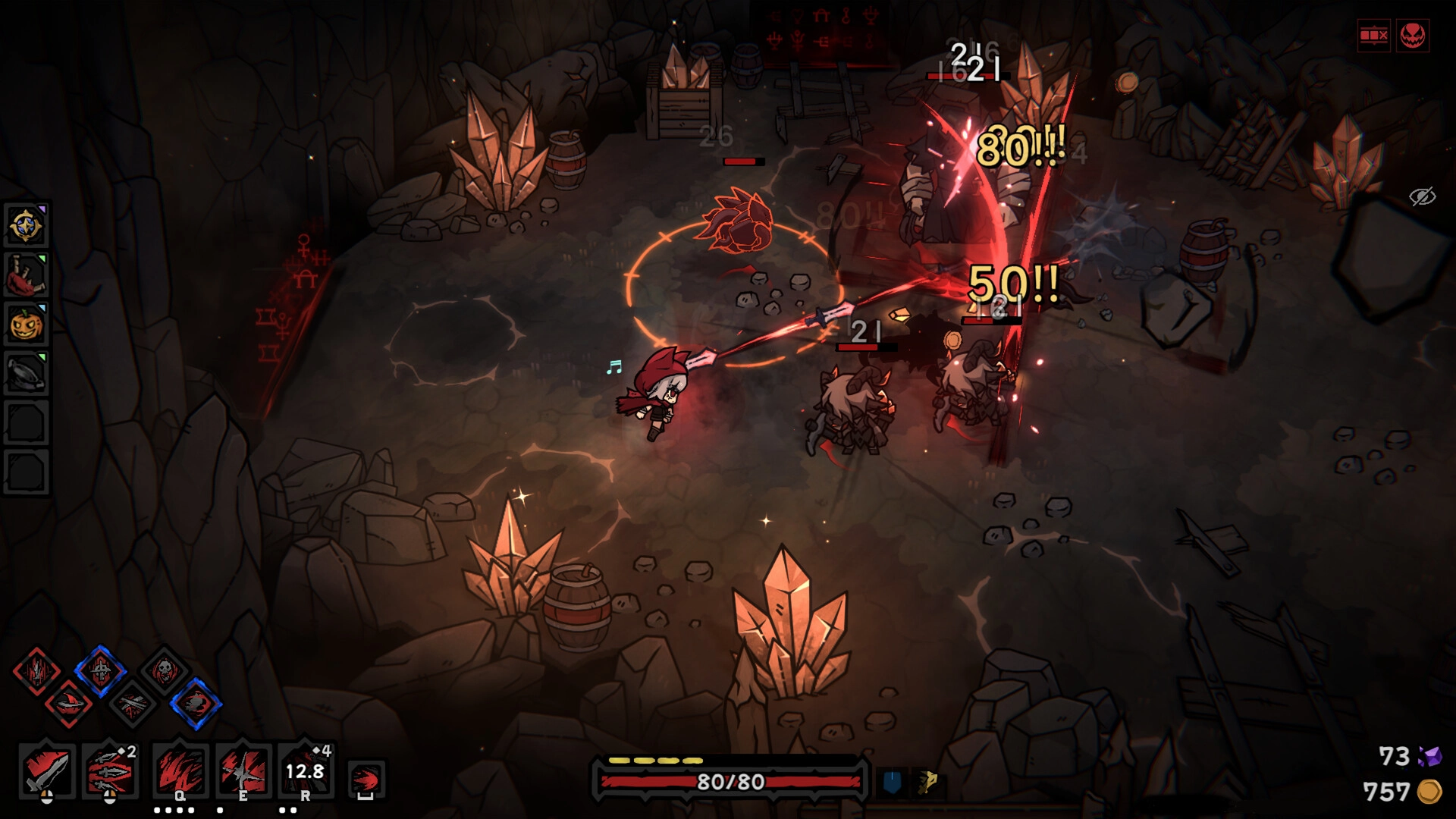
Moreover, the customisation options are remarkably extensive. With over 180 skills for each character and more than 130 pieces of equipment and relics to uncover, Cinderia provides exceptional build diversity. The combination of active abilities, passive enhancements, and synergistic effects opens up a myriad of possibilities for you to explore. The roguelike framework enhances this system by offering different opportunities in each run, allowing powerful builds to emerge organically from your choices and creativity, rather than adhering to strict optimisation strategies.
The combat in Cinderia stands out as one of the game’s most impressive features. With responsive controls, action-cancel mechanics, and smooth evasive manoeuvrers, you are consistently rewarded for mastering the game’s mechanics. Each character introduces a distinct resource management system, adding depth as you juggle defensive strategies, elemental meters, and specialised offensive tools. While battles require focus and precision, the intuitive controls ensure that setbacks feel like learning opportunities rather than frustrations, a vital aspect of any successful roguelike.
Moreover, Cinderia recognises that true progression goes beyond individual attempts. After each run, returning to the refuge camp fosters a sense of continuity, allowing you to invest their gathered resources into permanent upgrades and new facilities. Enhancing the settlement with kitchens, workshops, and magical laboratories creates significant milestones that enrich the traditional cycle of failure and growth in the genre. This thoughtful combination of procedural diversity, intricate character systems, rewarding combat, and long-term progression positions Cinderia as a remarkable example of how modern roguelike design can be both challenging and endlessly engaging.
Beauty Beneath the Ashes
Cinderia stands out with its captivating hand-drawn art style that beautifully merges dark fantasy elements with a whimsical storybook aesthetic. The game’s ash-laden world is vividly portrayed through a carefully muted colour scheme, which enhances the themes of melancholy and desolation that permeate the environment. Instead of relying on flashy visuals, it priorities atmosphere, allowing the surroundings to evoke feelings of loss and intrigue. The contrast between the somber landscapes and the charming chibi-inspired characters creates a unique “dark-cute” vibe that is both instantly recognisable and refreshing within its genre.
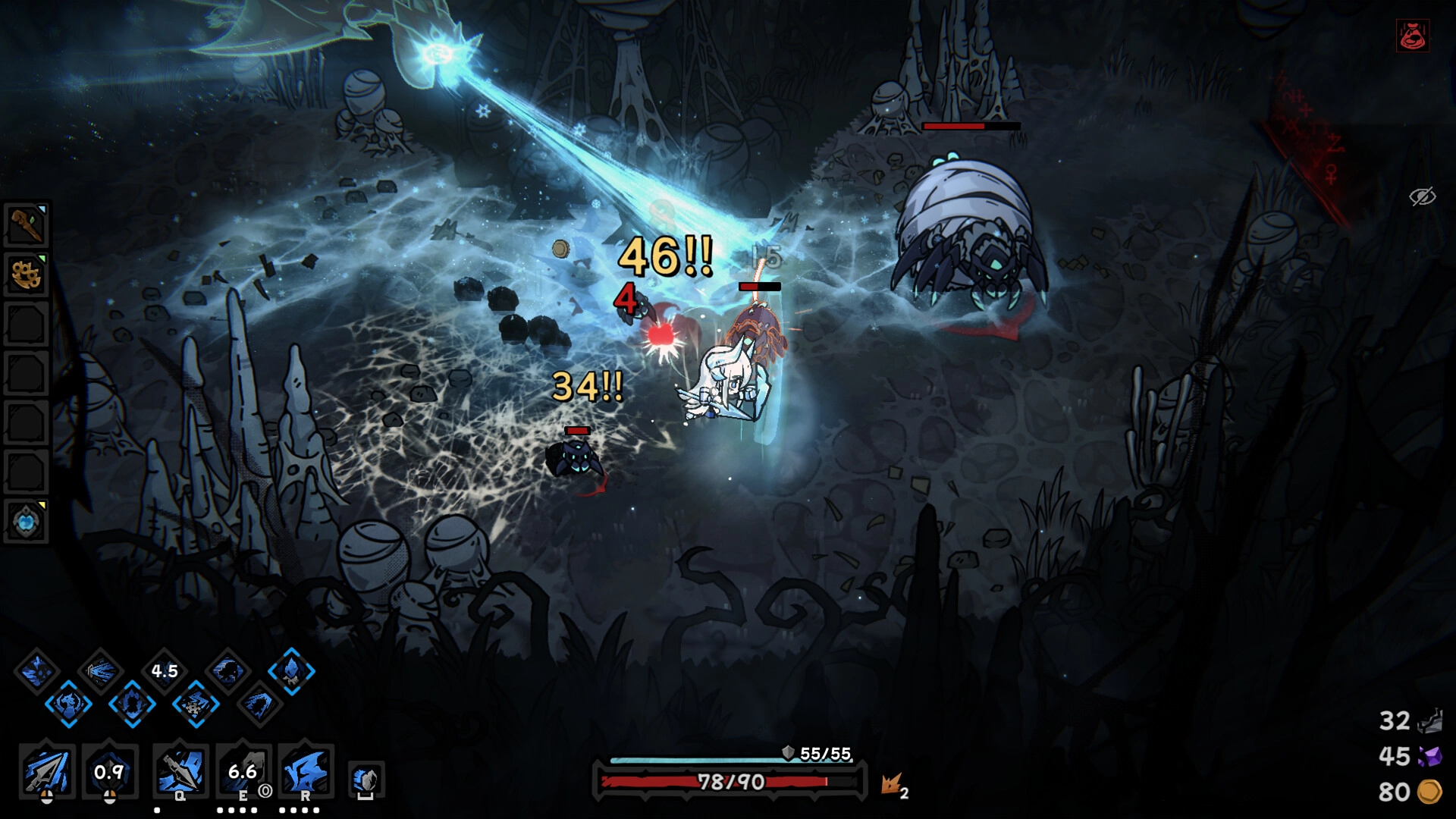
The animation quality is equally commendable, showcasing fluid character movements that make combat feel dynamic and engaging. Actions such as attacks, dodges, and special abilities flow seamlessly into one another, enhancing the fast-paced nature of the gameplay. The elemental effects, especially those related to frost magic, explosions, and summoned allies, are crafted with impressive detail, adding a satisfying visual flair to each encounter. While there are occasional moments in the more chaotic late-game battles where overlapping effects can slightly hinder clarity, these are minor issues in an otherwise refined presentation. Overall, Cinderia’s visual artistry not only serves as a powerful artistic expression but also plays a vital role in creating an engaging and memorable gaming experience.
The sound design is essential in enhancing the immediacy and enjoyment of each interaction within the game. The weighty impact of weapon strikes, the unique crackle of magical abilities, and the clear audio cues from evasive manoeuvrers all contribute to a responsive player experience. The soundtrack, crafted by Valmont—renowned for his work on Dead Cells—stands out with its blend of haunting ambient tracks and thrilling themes, transforming significant boss battles into unforgettable moments. Although the production quality is impressively high, minor audio balancing issues and occasional glitches, such as music cutting out in regular areas before resuming during key encounters, serve as reminders of the game’s Early Access status. Nevertheless, these shortcomings do not significantly detract from a soundscape that continually enhances the game’s atmosphere and emotional resonance.
More Details
| Information | |
|---|---|
| Genre | Action, Adventure, Indie, RPG, Early Access |
| Players | Single-player |
| Download Size | 4GB |
| Steam Deck | |
| Compatibility | Verified |
| Positives | All functionality is accessible when using the default controller configuration. This game shows Steam Deck controller icons. In-game interface text is legible on Steam Deck. This game's default graphics configuration performs well on Steam Deck. |
| Negatives | None |
Verdict
Cinderia stands out by perfectly grasping the expectations of modern roguelike gamers while maintaining its unique character. The game excels in its melancholic world-building and environmental storytelling, complemented by a diverse cast of characters, intricate customisation options, and a rewarding progression system that fosters a sense of long-term mastery. Its ambitious design goes beyond merely rehashing existing concepts, showcasing a hand-drawn dark fairy-tale aesthetic paired with an atmospheric soundtrack that creates a cohesive and memorable experience. While there are some minor flaws, such as occasional visual clutter and slight audio inconsistencies, these are trivial compared to the overall polish of the game. Importantly, these imperfections highlight that Cinderia is still in Early Access, leaving ample opportunity for further development. Even at this early stage, Cinderia emerges with the confidence and distinctiveness needed to make a mark in one of the most competitive genres in contemporary gaming.
Release Date: March 30th 2026
Developer: MyACG Studio
Publisher: MyACG Studio, NPC Entertainment
Price: £14.99 / $17.99 USD
Reviewed On: Steam Deck
* Access Provided For Review *
Advertisment
Advertisment
Advertisment

Advertisment

Advertisment
Copyright / Virtual Grip (formally The VR Realm) / 2016 -