
Listen to The VRverse Podcast

Advertisement

OPUS: Prism Peak Review—When Photography Becomes a Window Into the Soul
- June 16, 2026
- 12:38 pm
Initially, going into OPUS: Prism Peak I expected a serene adventure focused on photography and gentle exploration. Yet, what unfolded was a poignant journey that delves into complex themes such as grief, regret, memory, and acceptance, revealing a surprising depth. The narrative bravely addresses challenging emotions, encouraging you to contemplate loss and the burdens of the past in a manner that resonates deeply. Therefore, a word of caution for those entering the Dusklands in search of a solely relaxing experience: be ready for a story that bears significant emotional weight.
Framing Fleeting Moments
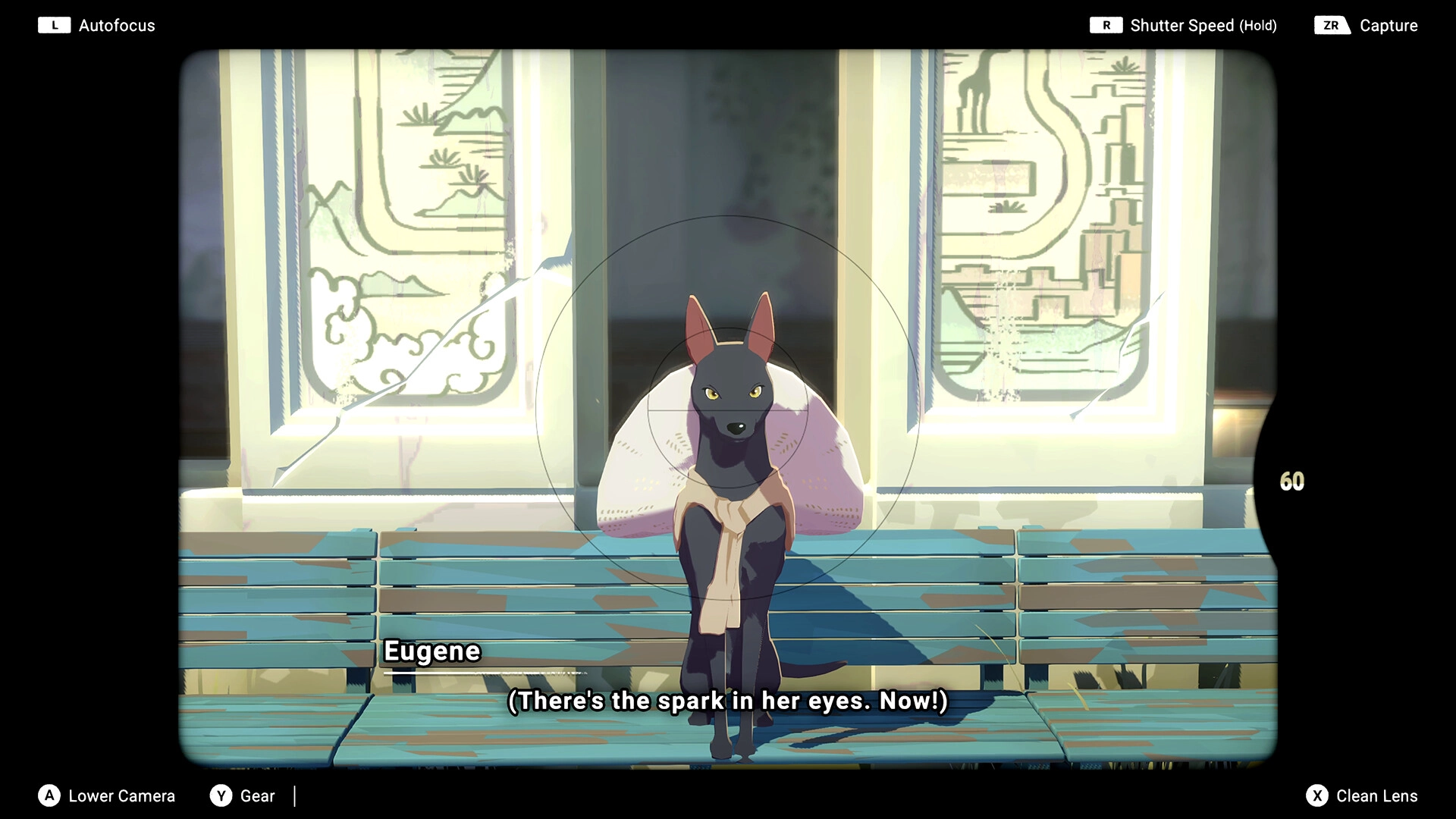
In the game, you step into the shoes of Eugene, a photographer grappling with the disarray of his life. As he returns to his hometown for his grandfather’s funeral, an unexpected accident thrusts him into the mysterious Dusklands. Here, he encounters Ren, a girl shrouded in mystery and devoid of her memories, who is driven by a singular goal: to reach a distant mountain. Together, they navigate this surreal landscape filled with spirits, talking animals, and the remnants of forgotten memories, all while evading the menacing Shade that relentlessly pursues them. The art of photography plays a crucial role in the narrative, as capturing images not only unveils hidden memories and truths but also aids Eugene and Ren in confronting their intertwined pasts.
Preserving What Matters
Prism Peak sets itself apart with a gameplay loop that seamlessly intertwines exploration, light puzzle-solving, and photography, creating a rich narrative experience. Instead of conventional combat, the game invites you to keenly observe their environment, utilising Eugene’s camera to discover hidden nuances, capture ephemeral moments, and unveil memories linked to the world. This photography mechanic is thoughtfully woven into both the progression and storytelling, lending it a sense of significance rather than mere novelty.
Exploring the Dusklands proves consistently rewarding, thanks to its intricate environmental storytelling and diverse spirit encounters. Each area presents distinct visual themes and interactive elements that spark curiosity, while optional discoveries and side narratives enhance the world in a natural way. Although movement and traversal are relatively simple, the game’s pacing allows you to fully immerse themselves in its atmosphere, reinforcing a reflective tone.

The puzzle design achieves a commendable balance, prioritising observation and emotional resonance over sheer difficulty. Most tasks involve spotting photographic opportunities or engaging with environmental hints, ensuring that progression remains smooth and rarely frustrating. However, if you are in search of greater mechanical depth, you might find some interactions repetitive during extended exploration phases.
Despite a few minor flaws, OPUS: Prism Peak shines by aligning its gameplay systems with its core themes of memory, loss, and preservation. The seamless incorporation of photography into both exploration and narrative creates a genuine bond between you and the game’s world and characters. Although certain mechanics may not offer the same depth as those in more action-oriented titles, the game’s careful design and emotional impact ensure that it lingers in your mind well beyond the conclusion of the adventure.
Beauty in Every Detail
OPUS: Prism Peak offers a captivating visual experience that effectively brings the series’ unique art style into a three-dimensional realm. The Dusklands are vividly crafted, showcasing lively environments, dynamic lighting, and an art aesthetic that harmonies whimsy with a touch of melancholy. Each area, from serene forests to spirit realms, has its own character, resulting in a world that is both enchanting and enigmatic. While character models and animations express emotions well, some stiffness in interactions occasionally detracts from the overall presentation.
Sound design is equally crucial in shaping the game’s atmosphere. Ambient sounds, such as the rustling of leaves and distant spiritual whispers, infuse the environment with life and enhance its dreamlike essence. Audio cues are seamlessly woven into exploration and photography mechanics, offering subtle feedback that deepens immersion without being overwhelming. When present, voice acting adds authenticity to the characters and grounds the narrative’s emotional moments.
The experience is further enriched by a beautifully crafted soundtrack that enhances nearly every aspect of the journey. Delicate piano melodies and orchestral compositions transition effortlessly between feelings of wonder, tension, and reflection, ensuring that pivotal story moments linger in the player’s mind. Although some tracks may become repetitive during longer play sessions, the overall audio-visual experience remains strikingly impressive, delivering an emotionally resonant and visually stunning adventure.
More Details
| Information | |
|---|---|
| Genre | Adventure, Indie |
| Players | Single-player |
| Download Size | 9GB |
| Steam Deck | |
| Compatibility | Verified |
| Positives | All functionality is accessible when using the default controller configuration. This game shows Steam Deck controller icons. In-game interface text is legible on Steam Deck. This game's default graphics configuration performs well on Steam Deck. |
| Negatives | None |
Verdict
OPUS: Prism Peak is a touching and unforgettable journey that skilfully intertwines deep storytelling with engaging gameplay mechanics. The game utilises photography in a compelling way, set against a beautifully crafted world, to delve into profound themes such as grief, memory, and acceptance with genuine emotion. Although certain gameplay aspects may feel shallow and some presentation issues can disrupt immersion, these flaws hardly detract from the overall experience. With its thoughtful atmosphere and emotional depth, OPUS: Prism Peak leaves a lasting impression, providing a reflective adventure that resonates well beyond its conclusion.

Release Date: April 16th 2026
Developer: SIGONO INC
Publisher: SHUEISHA GAMES
Price: £22.49 / $24.99 USD
Reviewed On: Steam Deck
* Access Provided For Review *

Advertisment

Advertisment
Advertisment

Advertisment

Advertisment
Copyright / Virtual Grip (formally The VR Realm) / 2016 -