
Listen to The VRverse Podcast

Advertisement

Swan Song Review—A Charming Puzzle Wrapped in Sorrow
- June 7, 2026
- 5:29 pm
Puzzle games continue to be a rich ground for innovative exploration, allowing developers to craft engaging experiences centred around unique concepts. Upon discovering Swan Song, I was immediately intrigued by its premise: a puzzle game set within a music box where players place musical notes to navigate a swan through a series of complex mechanical obstacles. This idea felt refreshingly original, but the question remained—did it hit the right note or fall flat?
Echoes of Love and Loss
Swan Song delves into the poignant themes of death, grief, and familial loss with a subtle touch. Set within a family grappling with the absence of a cherished member, the narrative explores the varied ways people cope with sorrow, ranging from introspection and nostalgia to solitude and eventual acceptance. Instead of overtly stating its emotional depth, the game unfolds its heart through environmental cues and personal artifacts, inviting players to uncover the family’s story at their own rhythm. This approach results in a deeply resonant narrative that enhances the puzzle-solving elements, grounding the experience in a relatable journey through love, loss, and the enduring influence of those who have passed.
An Accessible Musical Journey
At its essence, Swan Song revolves around an innovative musical puzzle mechanic that invites players to arrange notes on a scale, thereby influencing the actions within the music box. Instead of directly guiding the swan, players compose brief sequences that activate platforms, switches, and other interactive components. This unique approach distinguishes the game from conventional puzzle adventures, with its most rewarding moments arising when various systems converge to create delightful “aha” experiences. The relationship between music and movement is easy to grasp, yet it provides enough complexity to inspire experimentation.
The game effectively introduces new mechanics at a steady pace, ensuring that each chapter builds on previously learned concepts without overwhelming players. Initial puzzles serve as helpful tutorials, while later challenges require greater foresight and an understanding of how different notes affect the music box’s actions. However, the increase in complexity can be uneven; some sections are particularly inventive, encouraging creative thinking, while others rely on familiar concepts that may render progression somewhat predictable.
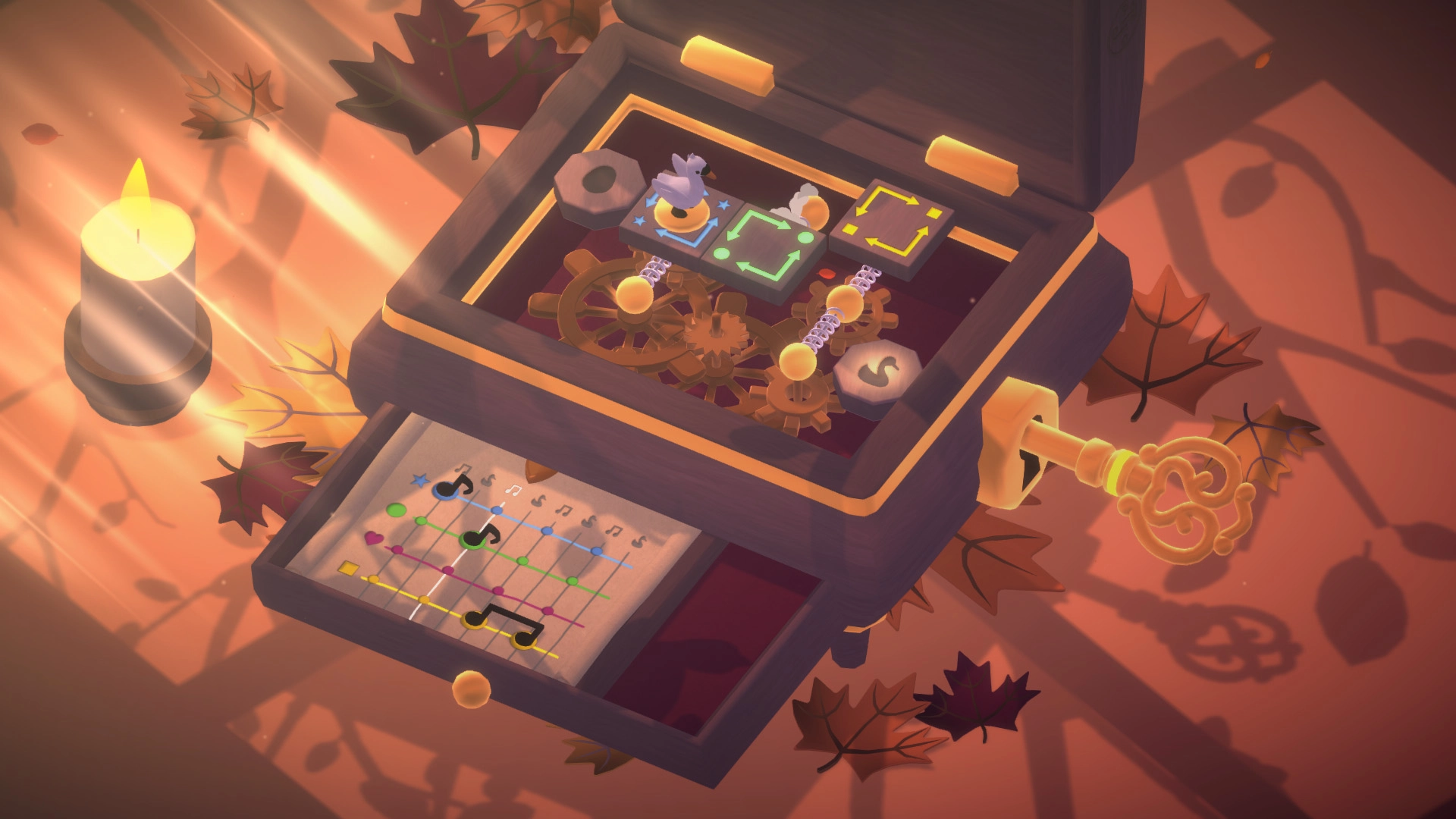
One of the standout features of the gameplay is its accessibility. Solutions are typically straightforward enough to avoid frustration, and the game maintains a leisurely pace that complements its reflective atmosphere. However, seasoned puzzle enthusiasts might yearn for a more challenging experience. While a few late-game puzzles demand careful planning, many can be tackled through trial and error, which can diminish the sense of achievement that often characterises the genre’s most memorable titles.
Swan Song, despite its flaws, remains captivating from start to finish. Its unique musical framework lends it a distinct character, and while the puzzle design has its missteps, it generally succeeds in engaging players. Although the game doesn’t fully explore the depth of its main mechanic and occasionally falls into predictable patterns, its thoughtful pacing and user-friendly design ensure an enjoyable experience. This makes it a solid choice for newcomers and casual gamers, even if those well-versed in the genre might find themselves wishing for greater complexity and variety.
A Symphony of Design
The entirety of Swan Song’s puzzle-solving unfolds within a beautifully crafted music box, and its visual design effectively captures this enchanting concept. Each level resembles a tiny mechanical diorama, featuring floating platforms, pathways, and intricate moving parts that evoke the charm of a handmade toy. This storybook aesthetic enhances the game’s intimate atmosphere, while the compact nature of each puzzle space allows players to easily navigate and comprehend the interactions among various elements. Although the visual style may not boast the technical polish of larger titles, it successfully complements the game’s focus on puzzles and immersive experience.
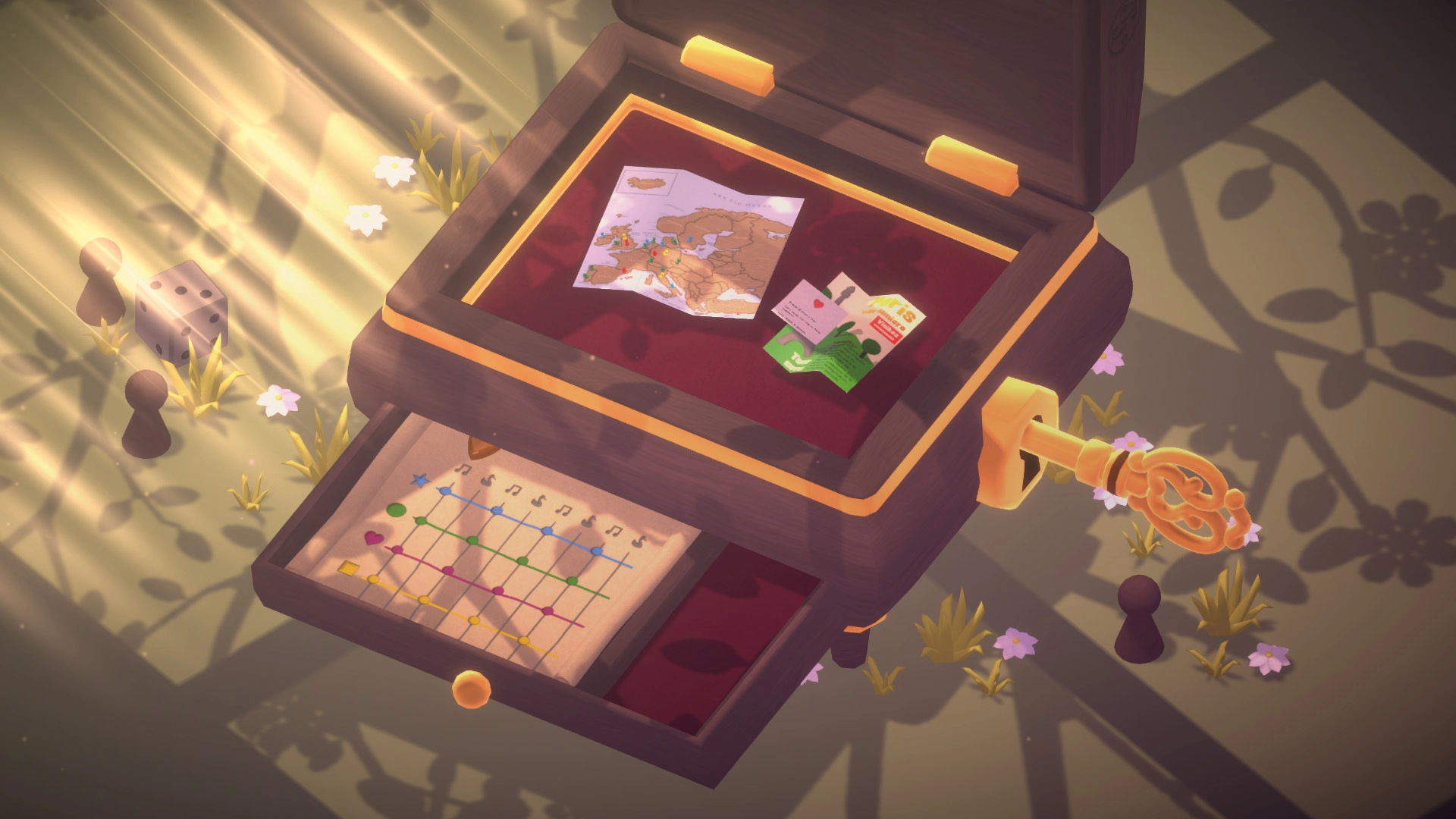
What truly distinguishes the game is the integration of the swan into its presentation. Instead of acting as a conventional player character, the swan often appears as a dynamic puzzle piece, manoeuvring through the music box’s elaborate mechanisms. As platforms move, rotate, and shift in response to musical cues, the swan glides along set paths, creating the illusion of a living element within a grand mechanical system. This unique approach lends the puzzles a memorable visual identity, even if some environmental assets and decorative features start to feel somewhat repetitive as the adventure progresses.
The audio design enhances the gameplay mechanics in a remarkable way. Rather than serving as mere background noise, the musical notes are integral to the gameplay, with each action generating distinct audio feedback that reflects changes in the puzzle environment. The soundtrack maintains a soft and subtle tone, fostering a contemplative atmosphere without diverting attention from the challenges players face. Sound effects associated with moving platforms, activated mechanisms, and the music box itself contribute to the feeling of engaging with a fragile clockwork system. While the soundtrack and sound design may not stand out individually, together they create a unified auditory experience that reinforces the game’s core theme.
More Details
| Information | |
|---|---|
| Genre | Casual, Indie, Puzzle |
| Players | Single-player |
| Download Size | 900MB |
| Steam Deck | |
| Compatibility | Verified |
| Positives | All functionality is accessible when using the default controller configuration. This game shows Steam Deck controller icons. In-game interface text is legible on Steam Deck. This game's default graphics configuration performs well on Steam Deck. |
| Negatives | None |
Verdict
Swan Song masterfully intertwines a unique musical puzzle mechanic with a poignant narrative centred on grief, loss, and remembrance. Set against a beautifully designed music box backdrop, the game carves out a distinct identity, enhanced by its music-driven puzzles, charming visuals, and cohesive sound design that together create an immersive atmosphere. While the puzzle design occasionally falls short of fully exploring its innovative concept and can feel repetitive, the game’s accessible challenges, thoughtful pacing, and emotional storytelling ensure a consistently enjoyable experience that will resonate with both puzzle enthusiasts and newcomers.

Release Date: June 4th 2026
Developer: Business Goose Studios
Publisher: Business Goose Studios
Price: £7.15 / $7.99 USD
Reviewed On: Steam Deck
* Access Provided For Review *
Advertisment

Advertisment

Advertisment

Advertisment

Advertisment
Copyright / Virtual Grip (formally The VR Realm) / 2016 -