
Listen to The VRverse Podcast

Advertisement

Origament: A Paper Adventure Review—A Charming Origami Adventure with Some Rough Folds
- April 15, 2026
- 9:12 am
In a saturated marketplace such as the Steam store, intriguing indie games can often go unnoticed. When I stumbled upon Origament: A Paper Adventure, its unique appearance immediately caught my attention. It seemed like an experience unlike any other, and it appeared to be the ideal game for some cozy gaming sessions on the Steam Deck.
From Mailbox to Mystery
Origament begins with a short narrative presented as a storybook at the game’s outset. It tells the tale of a young boy who feels compelled to write a letter, which unexpectedly springs to life. After a brief journey out of the mailbox, the letter finds itself crumpled in the paws of an enigmatic white cat. That crumpled ball of paper represents you, the game’s protagonist, while this silent white cat serves as your guide throughout the adventure.
Folding Through Dimensions
This enigmatic white cat guides you to The Sanctuary, a central hub brimming with frozen mirror portals – serving as the primary base in the game. From this point, you will embark on journeys to the mysterious worlds housed within these portals, unlocking the next one as you complete the previous. It is within these diverse locations that the main gameplay loop of this game unfolds.
Well, it unfolds and then refolds, as the essence of the game revolves around transforming your paper into various forms and linking these shapes together to ensure you reach your destination. You will acquire four primary shapes that unlock as you progress: the crumpled version of yourself, an origami boat, a plane, and a ninja star. Each of these four forms offers unique advantages for different segments of the game; the ball is ideal for rolling across the terrain, pushing objects, and gaining momentum, the paper plane excels at gliding over large gaps, the boat is suited for navigating water, and the ninja star can destroy obstacles and fend off annoying fireflies. Additionally, your paper ball and ninja star serve as excellent tools for interacting with mechanical items scattered throughout the worlds.
Switching between these forms is as easy as pressing a button, with each form assigned to a specific button – however, you must account for a brief cool-down period before you can revert to the form you just used. Despite having access to only four forms, the game provides opportunities for exploration, light puzzles, and platforming challenges. At times, you will need to combine your different forms, possibly utilising all four; you might start by building momentum with your ball, then transform into your plane to soar through the air, switch to your ninja star to extend your reach and clear the upcoming bush, and finally transition to your boat as you land in the water. Successfully executing these intricate chains feels incredibly rewarding when everything flows seamlessly.
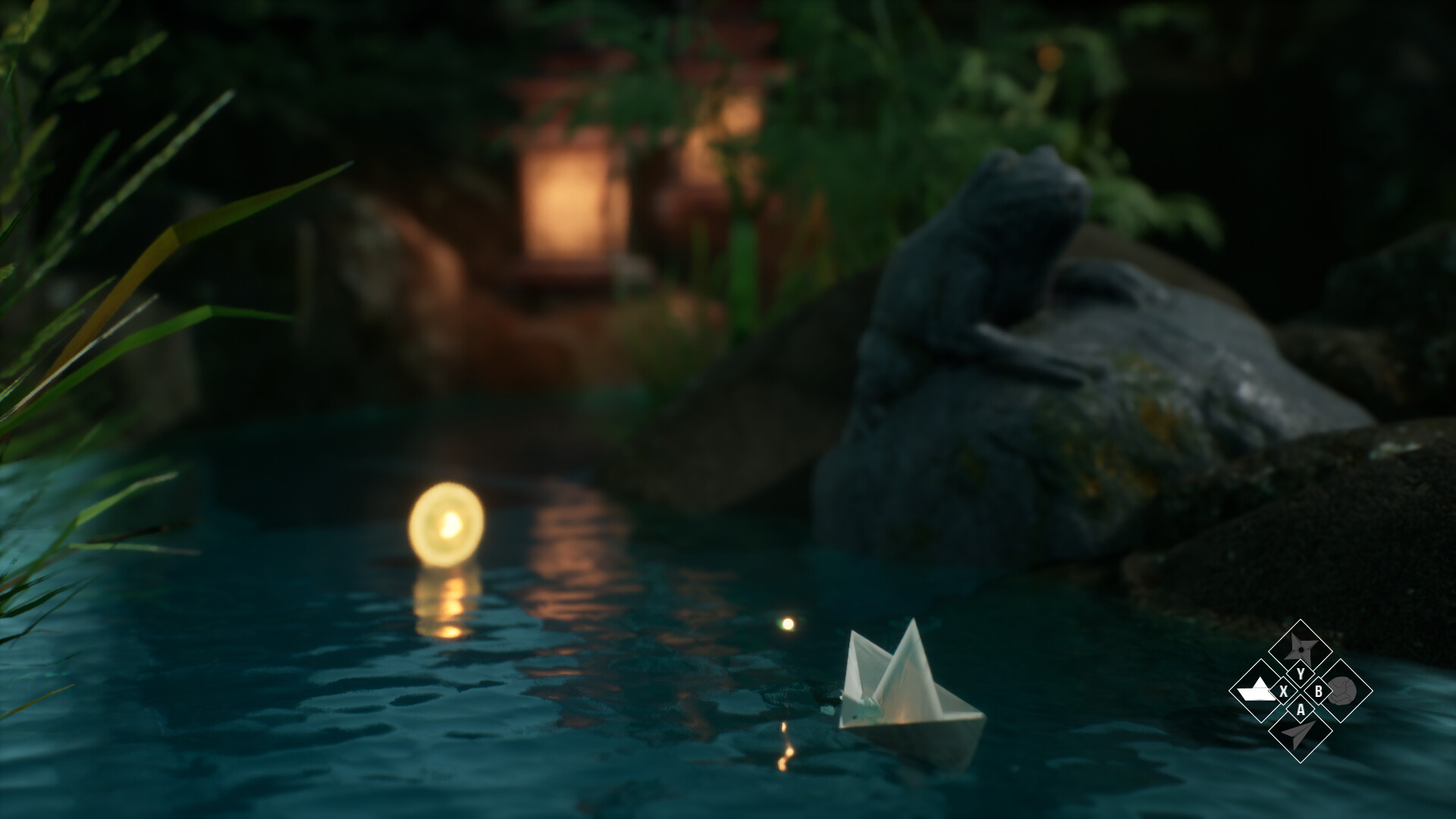
Nevertheless, even with the various forms available for switching, the puzzles and platforming—which often demand real precision—begin to feel somewhat repetitive, leading to a gameplay experience that lacks depth. This issue becomes more apparent when considering the inconsistencies among the worlds accessed through the portals; some are intricately designed and well thought out, while others come across as uninspired and brief. A notable exception is the Western level encountered later in the game, which stands out for its expansive exploration opportunities, engaging puzzles, and the necessity to combine a greater number of form factors, adding a layer of challenge. In stark contrast, a digital level that appears later feels underwhelming in terms of content, requiring only a fraction of the time to complete and offering minimal rewards compared to other levels. While this may have been a deliberate design choice by the team to create distinct visual and spatial experiences, it feels that certain levels were prioritised over others.
Throughout these seven levels, your primary objective in the portals is to reach the end of each level to progress in your adventure and unlock the next portal. However, the game provides more than just this; there are also coins to collect and skill-based challenges that yield additional rewards. The coins you gather can be used for cosmetic upgrades for your paper ball, or to unlock origami instructions for various items featured in the game—which is pretty cool.
Stunning Worlds, Uneven Sound
The game is visually stunning, thanks to its development on Unreal Engine 5. This technology has enabled the environments to not only appear beautiful but also to come alive. As the camera transitions between top-down, 3D, and 2D side-scrolling perspectives, the sharp visuals remain intact. These gorgeous environments are complemented by striking paper designs, from your various forms to the enigmatic white paper cat, creating a fascinating contrast with the highly realistic settings.
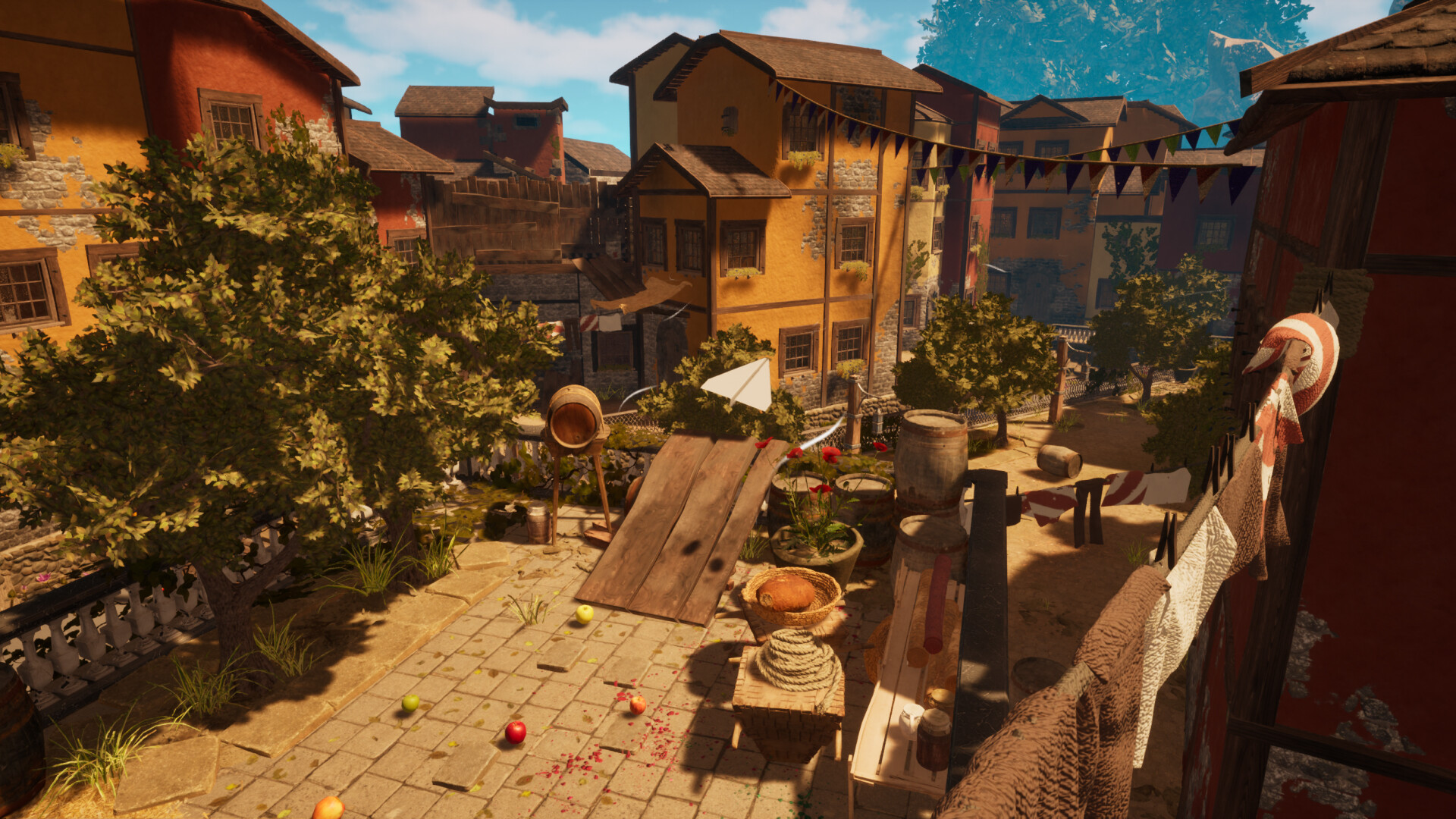
Each portal transports players to unique settings, ensuring that every world in Origament feels distinct, and are undeniably vibrant. It’s unfortunate that the team didn’t include an origami-themed world, as that would have been a fantastic addition. While some elements do recur across worlds, each area still manages to feel and look sufficiently unique to stand as its own level. One aspect I really appreciated about Origament was that, despite its stunning visuals, it ran exceptionally well on the Steam Deck after the initial shader installation, without requiring any adjustments to the game’s default settings.
On the other hand, the audio experience is somewhat inconsistent. The sounds of paper transforming and the ambient noises of the environment align well with each world, but the music can sometimes miss the mark. For instance, the moonlit gardens feature soothing melodies, while the previously mentioned Western-themed world has music that injects an extra thrill, fitting perfectly. However, other levels are accompanied by generic background music, which can make those areas feel a bit lackluster.
More Details
| Information | |
|---|---|
| Genrel | Action, Adventure, Casual, Indie |
| Players | Single-player |
| Download Size | 10GB |
| Steam Deck | |
| Compatibility | Verified |
| Positives | All functionality is accessible when using the default controller configuration. This game shows Steam Deck controller icons. In-game interface text is legible on Steam Deck. This game's default graphics configuration performs well on Steam Deck. |
| Negatives | This game does not default to external Bluetooth/USB controllers on Deck, and may require manually switching the active controller via the Quick Access Menu. |
Verdict

Origament is an enjoyable game to play; it is designed to provide a soothing experience that allows you to unwind on the sofa after a long day, and it accomplishes this beautifully. The gameplay mechanics are straightforward, featuring light puzzles, and each world you explore has its unique characteristics, ensuring you have a great time playing. While certain sections demand precision for successful platforming, the gratifying flow of transformations can be very rewarding, and these elements keep you captivated from beginning to end. Nonetheless, there are a few minor drawbacks, such as some dimensions feeling less developed, a mixed selection of music, and controls that may occasionally seem counter-intuitive – and personally, I feel that the absence of a paper dimension in a game centred around origami is a significant oversight. Overall, however, Origament presents a charming concept for a game that casual puzzle enthusiasts will appreciate, as it strikes a balance between being not overly difficult while still offering a fun and laid-back gaming experience.
Release Date: April 7th 2026
Developer: Space Sauce Studio
Publisher: Beverlor, Assemble Entertainment
Price: £12.79 / $14.99 USD
Reviewed On: Meta Quest 3
* Access Provided For Review *
Advertisment
Advertisment

Advertisment

Advertisment

Advertisment
Copyright / Virtual Grip (formally The VR Realm) / 2016 -