
Listen to The VRverse Podcast

Advertisement

Crossings Review—Demands perfect timing, ruthless blocking, and acceptance of death to succeed
- February 8, 2026
- 8:36 pm
Crossings is the newest addition to the roguelite genre in VR, arriving at a moment when there have been a lull of releases in the genre. Developed by Neat Corporation, the same team behind the acclaimed Budget Cuts series, the question remains: have they done enough to create a game that truly stands out in this highly popular genre?
Where Roguelike Combat Truly Cuts Deep
The game may lack a deep narrative, yet its world-building successfully conveys a story. Every exploration, combined with the roguelike mechanics, turns the experience into one of experimentation, demise, and resurrection – evoking the essence of this fractured afterlife.
You begin your journey in a small cave, where you can choose your starting weapon from a sword, an axe, or a club – then break through the wooden barrier blocking your exit to commence your next adventure. After several attempts, you’ll see how the gameplay truly excels in Crossings. At its essence, this is a combat-focused game, making it crucial for the combat mechanics to be well-executed, and the team at Neat Corporation has achieved this. The melee weapon you select will serve as your main tool for combat, complemented by gesture-based spells and a bow with arrows – though the ammunition is quite scarce. Transitioning between these options and blending them is seamless, so if you make a mistake, you can be sure it’s your own doing, not the game’s.
The combat is designed to be tough, so you should anticipate dying frequently, which allows you to come back wiser and more powerful as you understand the enemies’ attacks better and acquire new equipment. The melee aspect is intentionally harsh, as the foes are aggressive, possess attack patterns that you must learn, and your own errors can easily lead to failure in that attempt. The necessity to grasp their patterns arises because combat relies heavily on effective blocking; you can’t simply swing your arms wildly to win battles – both blocking and positioning are crucial in Crossings. However, if you misjudge a block or find yourself surrounded, your health can diminish rapidly.
As previously stated, you will have spells that are activated through gestures by moving your arms. The team has designed these to be easy to cast, but practice is essential to ensure you use them at the right moments. Effectively combining spells with melee combat can create some impressive moments that will make you feel like a true bad ass – however, failing to execute them correctly can leave you feeling vulnerable as the enemy capitalises on your mistake.
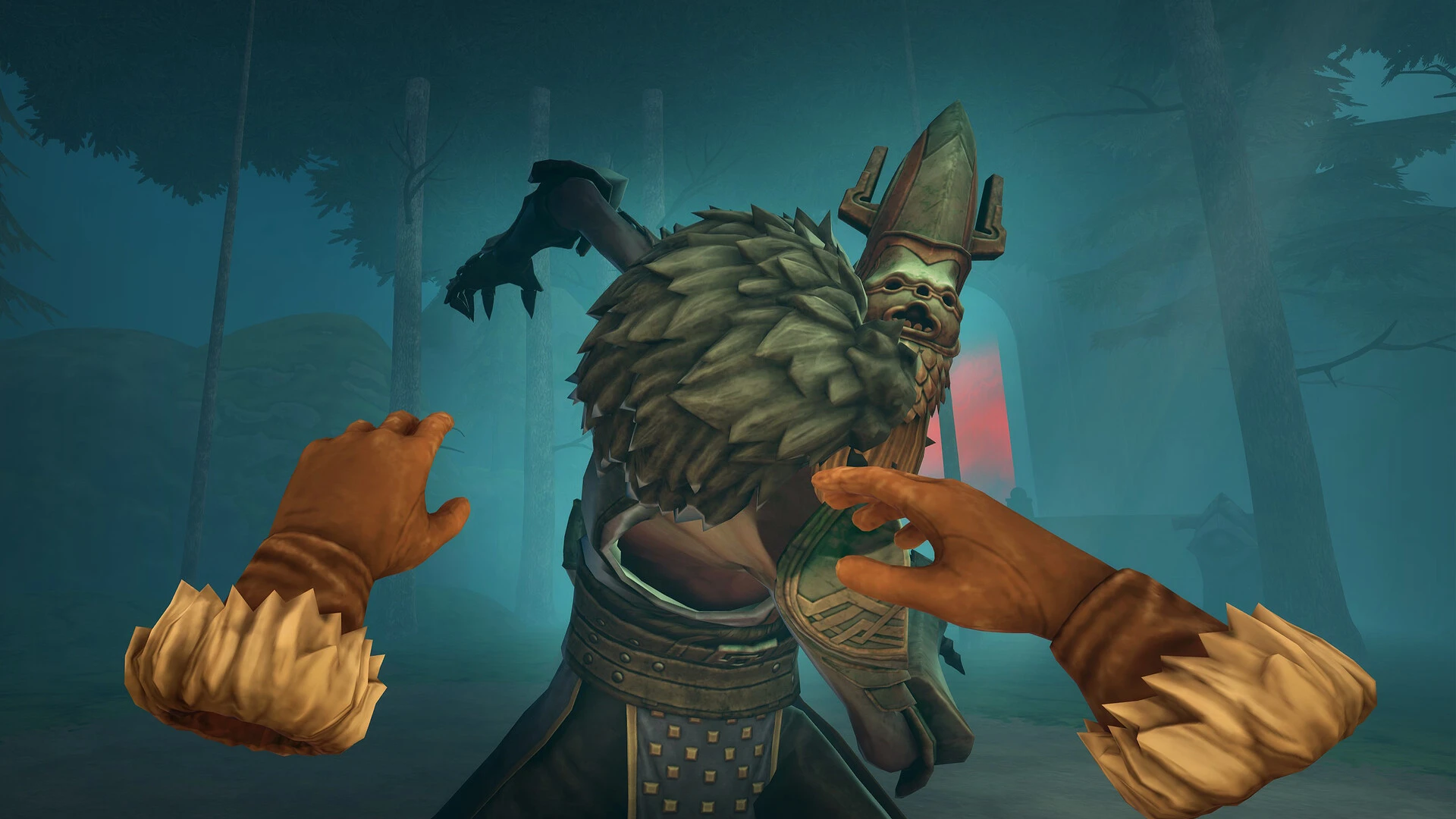
Your weapons are managed in a classic roguelike style; you begin with the basic weapon you select at the start of your journey, but you’ll acquire new gear that you can switch to during your run. What sets Crossings apart from others is that weapons come with various attributes and effects, but it’s not solely about the stats. Each weapon features unique effects and mechanics, which are activated by your own attack patterns. For instance, you may need to slice to form a cross and then strike through the centre of that cross, or slash diagonally followed by a vertical cut with certain weapons. The effects can vary, ranging from stunning enemies and leaving them vulnerable to attacks, to triggering fire effects or inflicting poison damage. This means that Crossings promotes experimentation, encouraging you to discover which weapons and patterns suit you best.
As you might anticipate in this gaming genre, as you advance further in your runs, the enemies will begin to strike harder, your encounters will grow more intricate, and your errors will be penalised more harshly. This means that the game requires your full attention, particularly during the Boss fights, which are quite challenging and can quickly eliminate you on your initial attempts, but can still easily defeat you if you are not adequately prepared. This is where the final aspect of the gameplay comes into play, as you select buffs while progressing; extra hearts will boost your health, or you can opt for more passive buffs to enhance your damage or defence – what you gather and choose along the way significantly influences your playstyle mastery and can ultimately determine the success of your current run.
Lost In A Moody Afterlife
The game’s settings perfectly align with the emotions evoked by the Norse afterlife theme; the environments exude a moody and atmospheric vibe, complemented by a muted colour palette. This sombre ambiance is enhanced by the impressive fog, which makes the lighting particularly striking, with torches and fires scattered throughout the maps adding real depth to the visuals and the fog. All of this looks stunning in your headset on PC VR.
Each enemy features a distinct design, allowing you to predict what you will encounter, even when they appear merely as shadowy figures in the darkness and fog. This clarity is crucial in Crossings, as each enemy possesses unique attacks and patterns that you must learn. Therefore, you won’t be caught off guard by an unexpected foe based on what you can observe in the game, enabling you to prepare your timing and reactions as you approach.
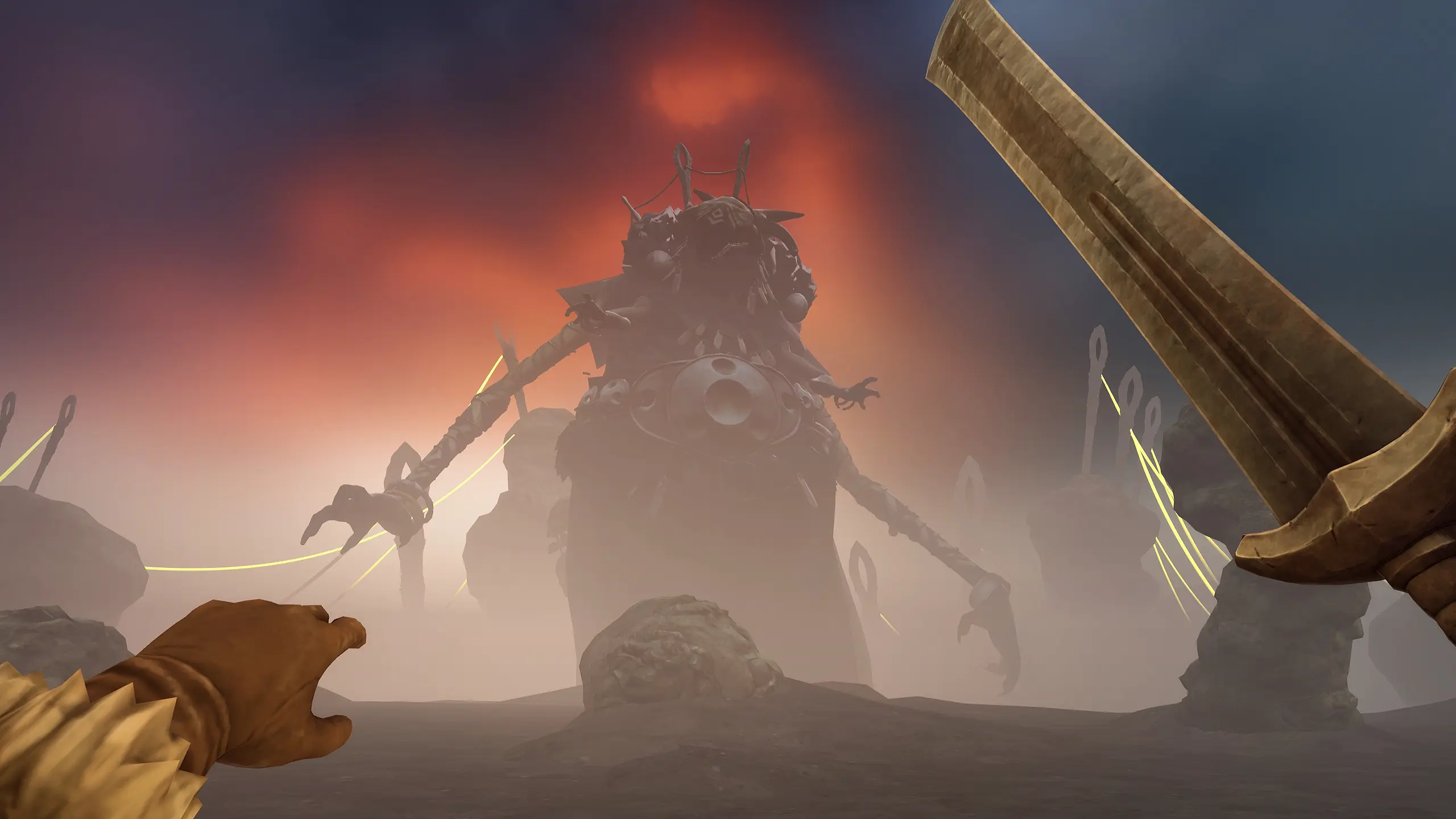
As you embark on your runs, you’ll find yourself in woods that seem familiar yet distinctly different, beckoning you to delve deeper into this peculiar dimension. Without a map, you must depend more on your hearing and vision. This reliance, combined with the subdued colour scheme and misty surroundings, creates an unsettling atmosphere reminiscent of the afterlife, making you sense that it’s not just the foes who wish to keep you away, but the very world around you as well.
The audio design significantly enhances the experience; the weapon impact sounds are deep and resonant, and you can hear the goblins grumbling in the background as they prepare their latest victims. The unsettling sounds truly bring the atmosphere of the settings to life, while the music complements the game’s overall feeling and tone. However, I did notice one issue: the weapon impact sounds seem disconnected from the actual feeling of impact during combat. I’m not sure if the team intended this to make the combat feel more intense—almost like a trick on the brain. I believe the sounds should either be toned down a bit or the haptic feedback needs to be more umpth to align with the audio.
Comfort
| Posture | Supported |
|---|---|
| Standing mode | Yes |
| Seated Mode | Yes |
| Artificial Crouch | Yes |
| Real Crouch | Yes |
| Movement | Supported |
| Smooth Locomotion | Yes |
| - Adjustable Speed | No |
| Teleport | Yes |
| Blinders/Vignette | No |
| - Adjustable Strength | N/A |
| Head-based | Yes |
| Controller-based | No |
| Dominant Hand Switcher | Yes |
| Turning | Supported |
| Smooth Turning | Yes |
| - Adjustable Speed | No |
| Snap Turning | Yes |
| - Adjustable increments | No |
| Input | Supported |
| Tracked Controllers | Yes |
| Hand Tracking | No |
| Gamepad | No |
Verdict
When entering a crowded genre in a medium with a lower adoption rate, it’s essential to do something that makes your game stand out or offers a unique twist compared to others. The team at Neat Corporation has achieved this with Crossings. While many VR roguelikes blend melee and spell mechanics, Crossings distinguishes itself by emphasising blocking as the core feature of its combat system. Mastering the timing of your blocks and attacks is crucial to ensure victory in battles. However, a slight misstep in blocking or mistiming your attacks can lead to severe consequences, as the enemies are both aggressive and relentless. What I appreciated in this aspect is that if you lose, you can be confident that it’s due to your own mistakes, not flaws in the game. The design of the game makes you feel both powerful and vulnerable, evoking a sense of being in the afterlife, where not only do the enemies want to defeat you, but the very world itself seems to conspire against you. If you enjoy roguelikes and are drawn to challenging, unforgiving combat, Crossings is definitely the game for you.

Release Date: February 6th 2026
Developer: Neat Corporation
Publisher: Neat Corporation, Creature Label
Price: £8.50 / $19.99 USD
Reviewed On: Meta Quest 3 with Link Cable
* Access Provided For Review *
Advertisment
Advertisment
Advertisment

Advertisment

Advertisment
Copyright / Virtual Grip (formally The VR Realm) / 2016 -